

Decades of scientific debate about the origin of the Silverpit Crater in the southern part of the North Sea have finally been resolved. New data confirmed that it was formed as a result of an asteroid or comet impact that occurred approximately 43–46 million years ago.
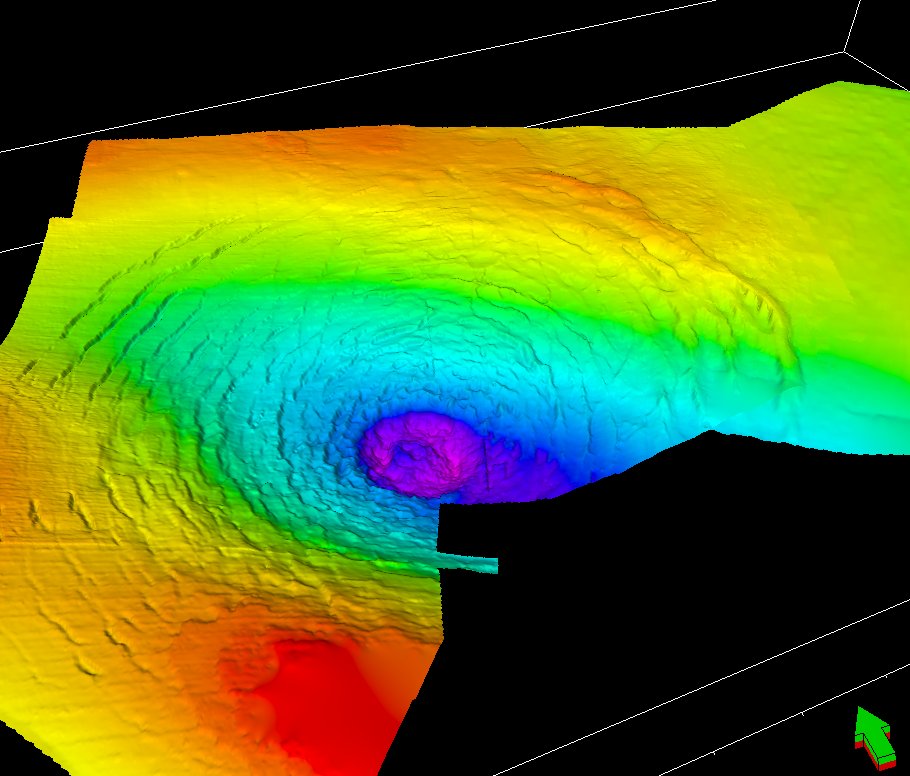
The Silverpit Crater was discovered in 2002 during the analysis of seismic data collected during gas exploration in the southern part of the North Sea sedimentary basin. It lies at a depth of 700 m below the bottom of the North Sea, approximately 130 km off the coast of Yorkshire. The crater has a diameter of 3 km and is surrounded by a zone of circular faults 20 km wide.
Since its discovery, Silverpit has been at the center of heated scientific debates about its origin. The impact nature of the crater was indicated by its central peak, circular shape, and concentric fractures, characteristics often associated with hypervelocity impacts.
However, alternative theories claimed that the crater’s structure was caused by the displacement of salt deep beneath its floor or the collapse of the seafloor due to volcanic activity. In 2009, geologists voted on the formation of the crater, as reported in the December issue of Geoscientist magazine that year — the majority voted against the impact crater hypothesis.
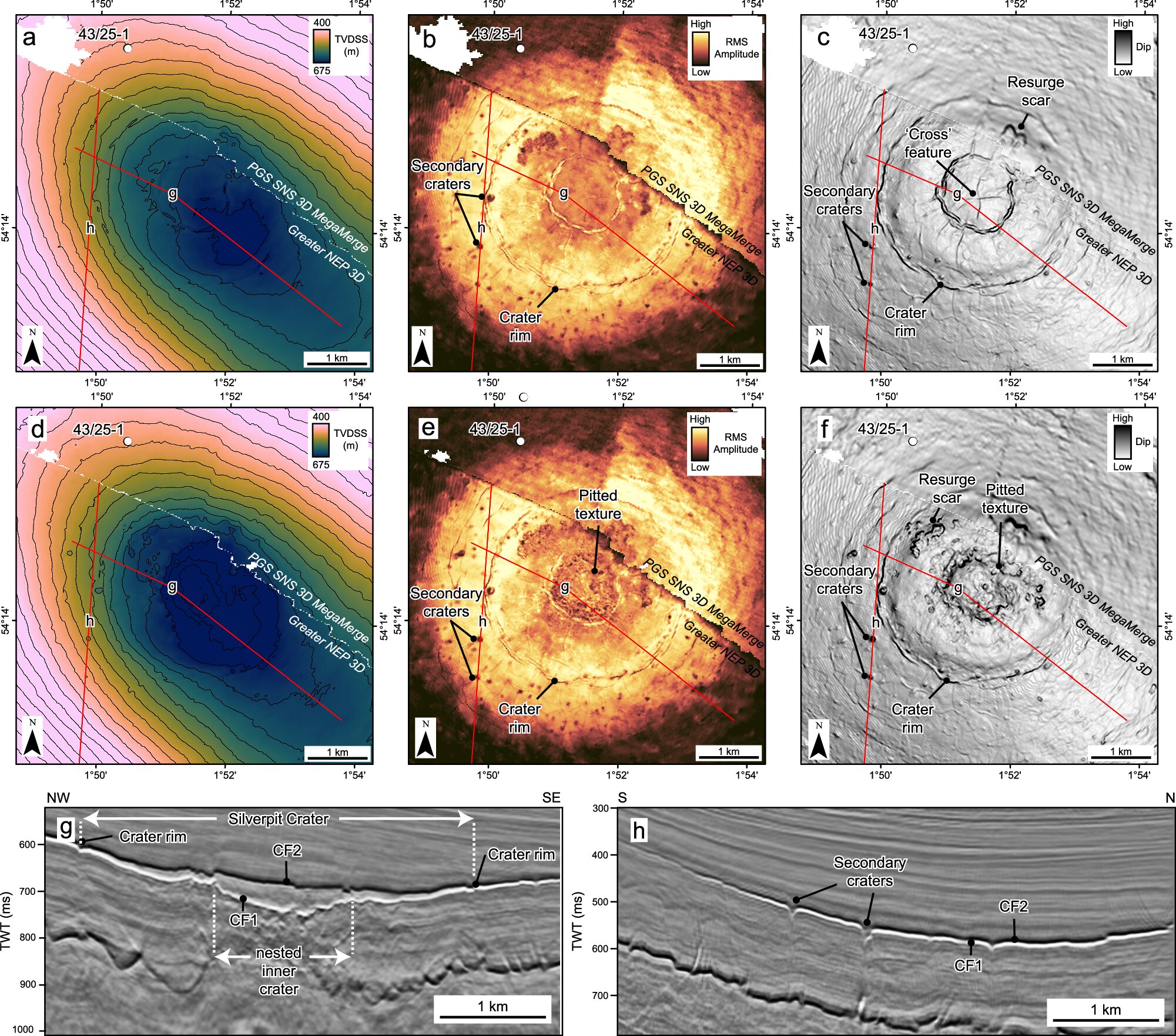
As it turned out, they were wrong. A team of researchers from Heriot-Watt University used new seismic imaging data and evidence obtained from beneath the seabed to prove the impact theory. Samples from an oil well in the area also revealed quartz and feldspar crystals at the same depth as the crater floor, which had been subjected to extremely high pressure. All this suggests that Silverpit has cosmic origins.
According to scientists, approximately 43–46 million years ago, an asteroid 160 meters wide struck the bottom of the North Sea at a slight angle. Within minutes, it created a 1.5 km high curtain of rocks and water, which then crashed into the sea, causing a tsunami over 100 m high.
The discovery is significant. Of approximately 200 confirmed impact craters, only 33 are located on the seabed. Studying Silverpit will allow scientists to better understand how celestial impacts have affected our planet, as well as predict what might happen in the event of a similar asteroid collision in the future.
Earlier, we reported on how a NASA satellite photographed a recently discovered crater in China.
According to Phys.org

