

Four astronauts from the international Crew-11 expedition prematurely ended their mission on the ISS and successfully splashed down in the Pacific Ocean on the morning of January 15. The reason was a serious medical problem with one of the crew members, which was the first such case in 26 years of continuous operation of the space station.
Emergency landing
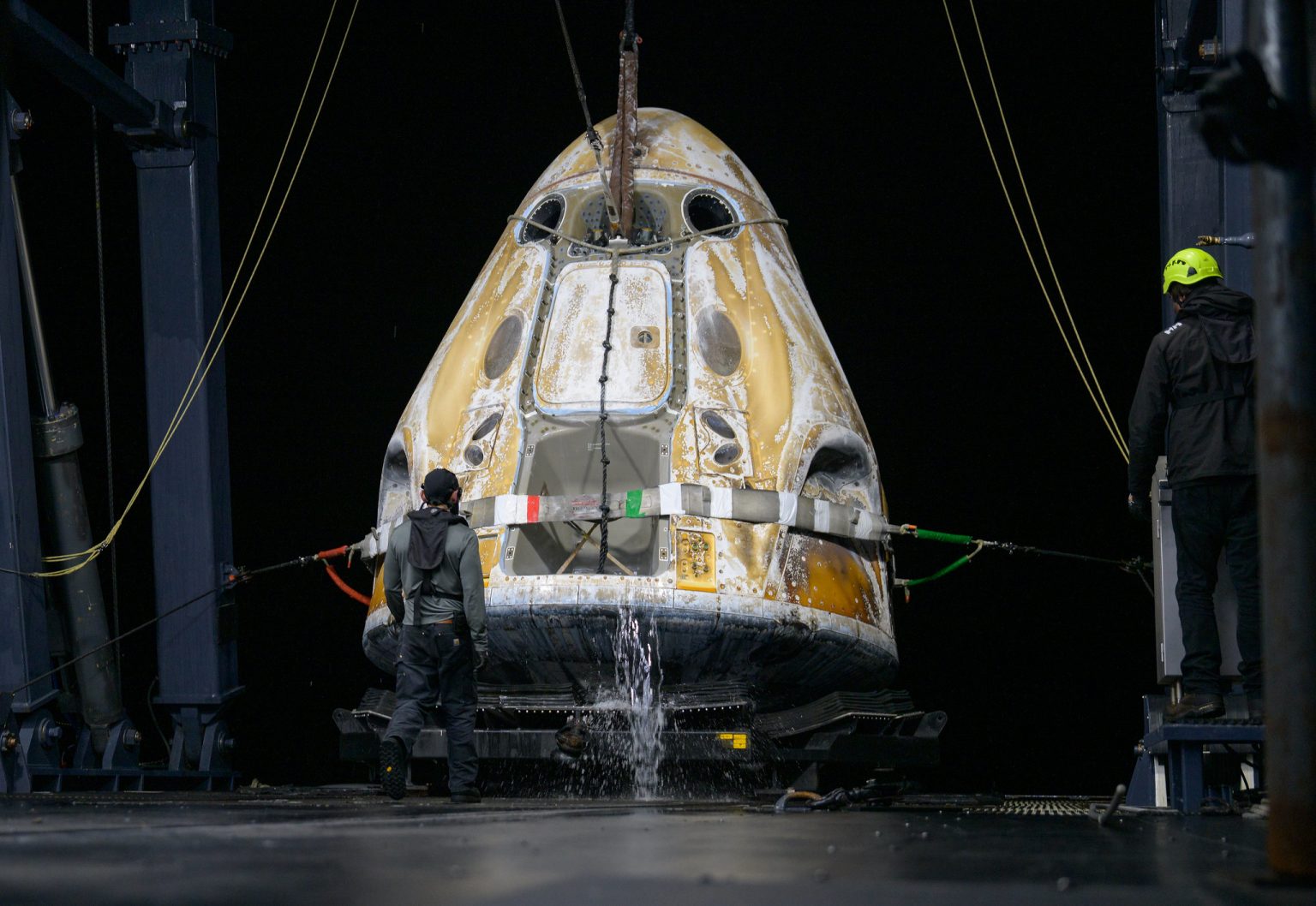
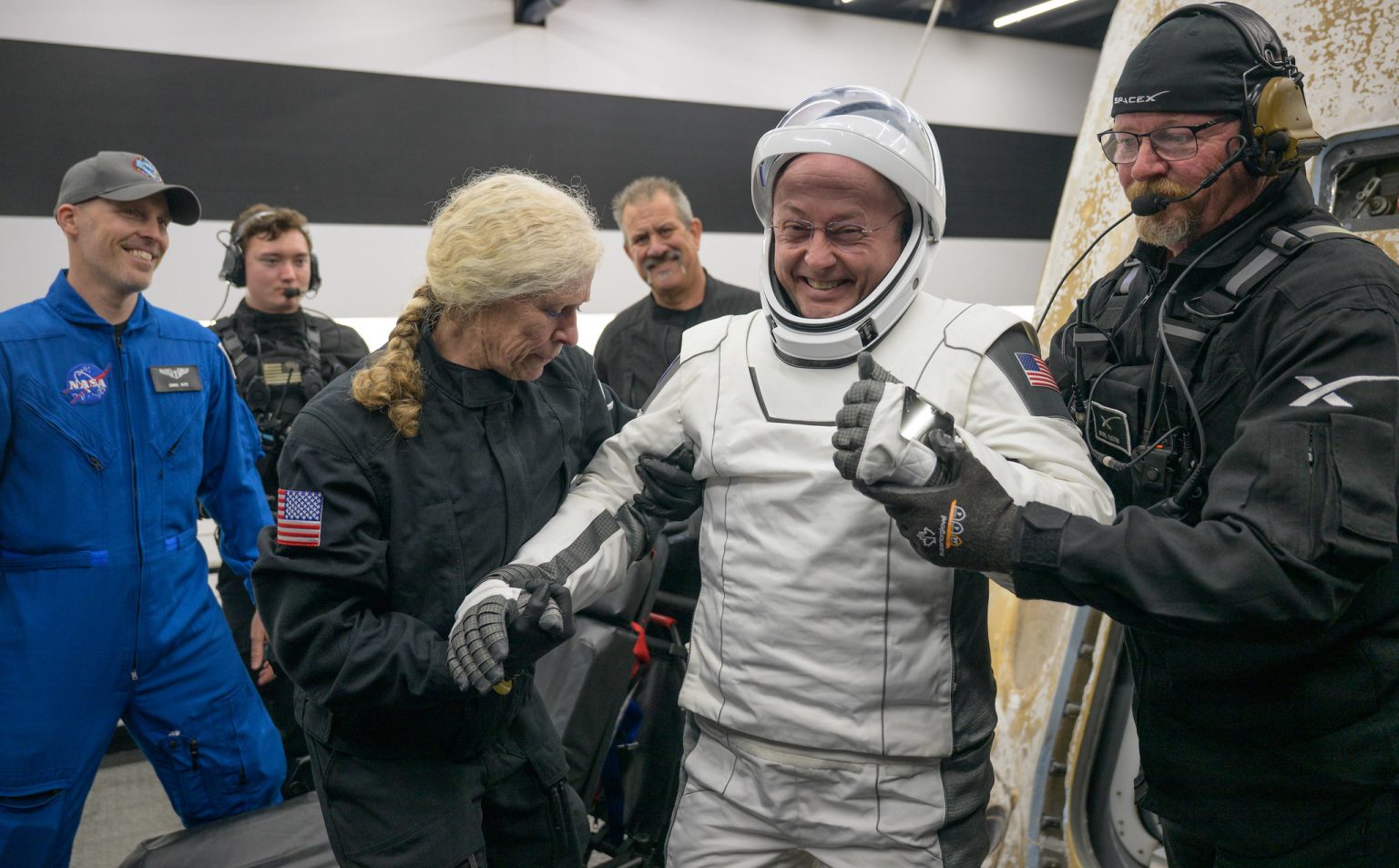
The capsule carrying astronauts Mike Fincke and Zena Cardman (NASA), Kimiya Yui (Japan), and Oleg Platonov (Roscosmos) splashed down off the coast of California. The crew, which was supposed to work on the ISS until mid-February, left the orbital outpost a month early. Captain Mike Fincke was the first to exit the descent module. Despite their fatigue, all the astronauts smiled and waved at the cameras.
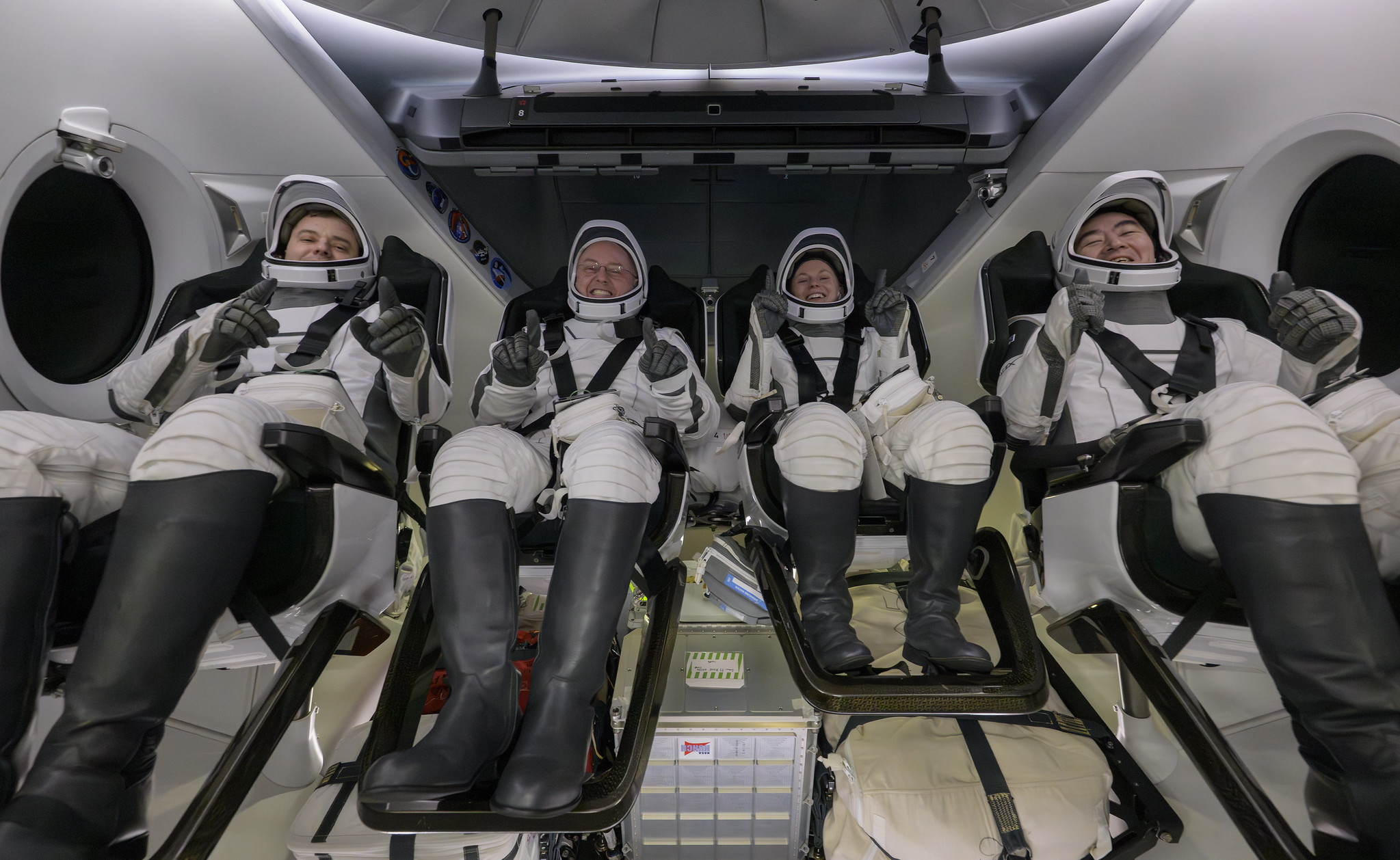
“It’s so good to be home!” exclaimed Zena Cardman.
The mysterious reason for the return
NASA has confirmed that the Crew-11 mission was cut short due to a serious medical condition affecting one of the crew members. The identity of the sick crew member and the nature of the problem have not been disclosed. The only known information is that the astronaut’s condition is stable. Due to this, the planned spacewalk by Fincke and Cardman was canceled last week.
Historical precedent
This is the first evacuation from the ISS for medical reasons in its entire history. Prior to this, there had only been two similar cases in the history of cosmonautics: in 1985 on the Soviet Salyut 7 space station and in 1987 on the Mir station. This incident clearly demonstrates that, despite modern equipment and detailed instructions, the absence of a doctor on board the ISS can be a critical factor.
The ISS continues to operate
After the departure of Crew-11, control of the station passed to Russian cosmonaut Sergei Kud-Sverchkov, who will continue scientific research together with his colleagues.
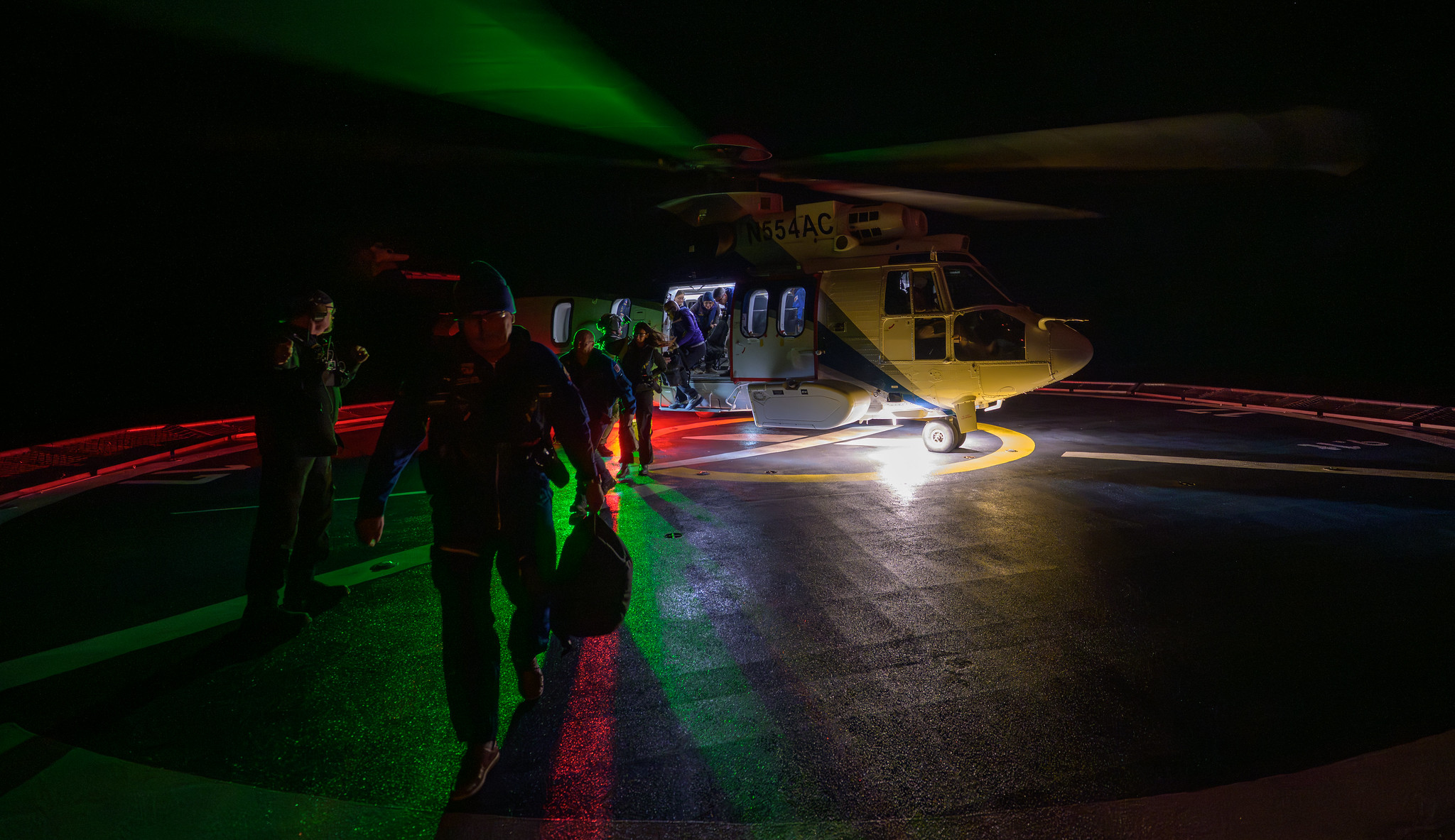
This incident served as an important lesson for future long-term missions, particularly flights to Mars. Experts note that qualified medical personnel must be present on future expeditions beyond Earth. For now, ISS crews rely on ground-based specialists and their own training, but as this situation has shown, that is not always sufficient.
Despite unforeseen circumstances, the mission is considered a success, and most importantly, all astronauts are healthy and safe back on Earth.
Earlier, we reported on how the sudden illness of an astronaut on the ISS disrupted the plans for the Crew-11 mission.
According to BBC

