

Space flights are an extreme test for the human body. And while a common cold is no big deal on Earth, it can become a serious problem on the International Space Station (ISS). That is why NASA’s decision to postpone a spacewalk due to a crew member’s “illness” caused such a stir.
Historical precedent
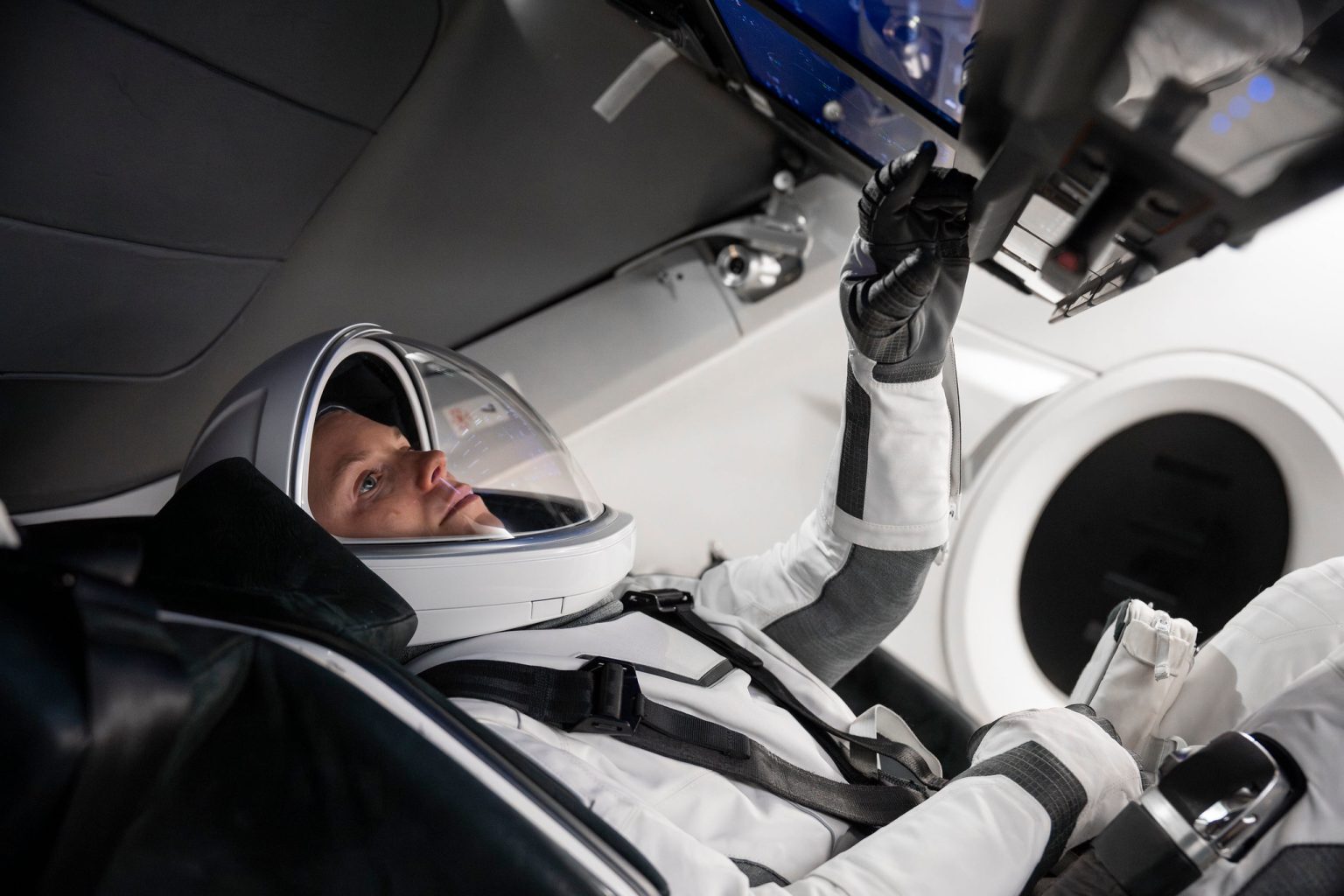
Back in 1968, astronaut Wally Schirra on the Apollo 7 spacecraft suffered from a severe runny nose from the very first hours of the flight. This created a critical situation: during the upcoming descent to Earth, the overload could damage his eardrums due to the inability to blow his ears normally. This case clearly showed how even a minor ailment in microgravity and confined space can threaten a mission.
Crew-11 incident
NASA announced the postponement of the spacewalk due to medical problems with one of the astronauts. The crew member’s condition is stable, but the agency, which does not usually comment on the health of astronauts, took the situation seriously enough to change the work schedule and even consider the possibility of an early return of the Crew-11 mission to Earth.
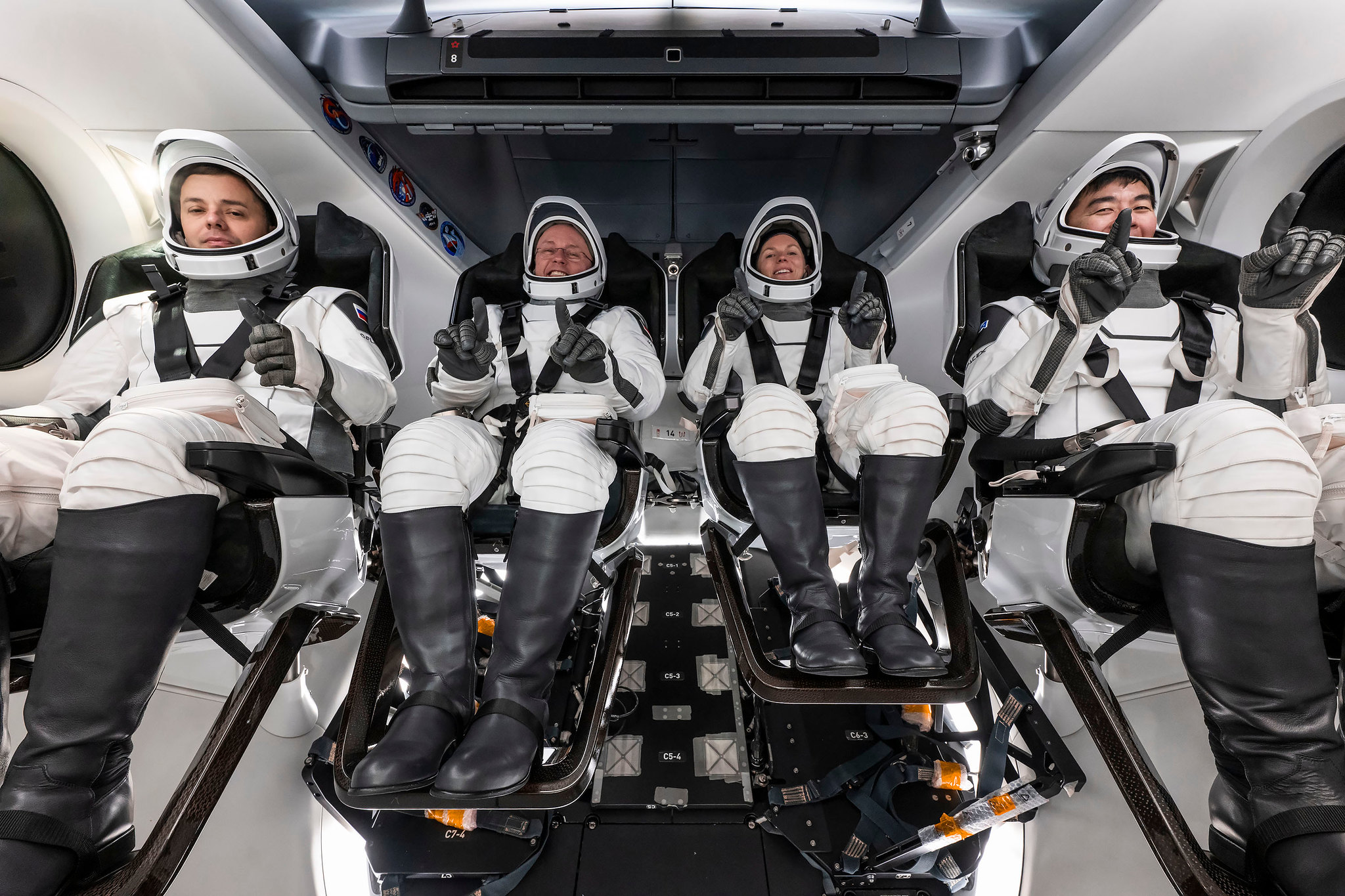
This crew, consisting of Mike Fincke, Zena Cardman, Kimiya Yui, and Oleg Platonov, has been working on the ISS since August last year. Despite promises to provide details within 24 hours, the cause of the problem remains unknown.
Why is illness in space a particular challenge?
There are no hospitals or specialists of all kinds in orbit. Medical resources are limited, and evacuation can take a long time. Studies show that prolonged exposure to microgravity can affect vision, bone density, blood circulation, and the immune system. In 2020, for example, a case of a blood clot in the jugular vein of an astronaut on the ISS was detected.
This is not an isolated incident: an astronaut from the previous Crew-8 mission, who returned in the autumn of 2024, immediately required hospitalization and overnight observation after landing due to an unidentified problem.
Waiting for answers
The current situation with Crew-11 serves as a reminder that crew safety remains an absolute priority. NASA, together with its international partners, is preparing for such incidents, but each incident presents a new challenge and provides additional knowledge for future long-term missions to the Moon and Mars. The world is now waiting for details from the agency that will shed light on the specific danger the astronauts faced this time.
Earlier, we talked about how long people can stay in space.
According to CNN

