

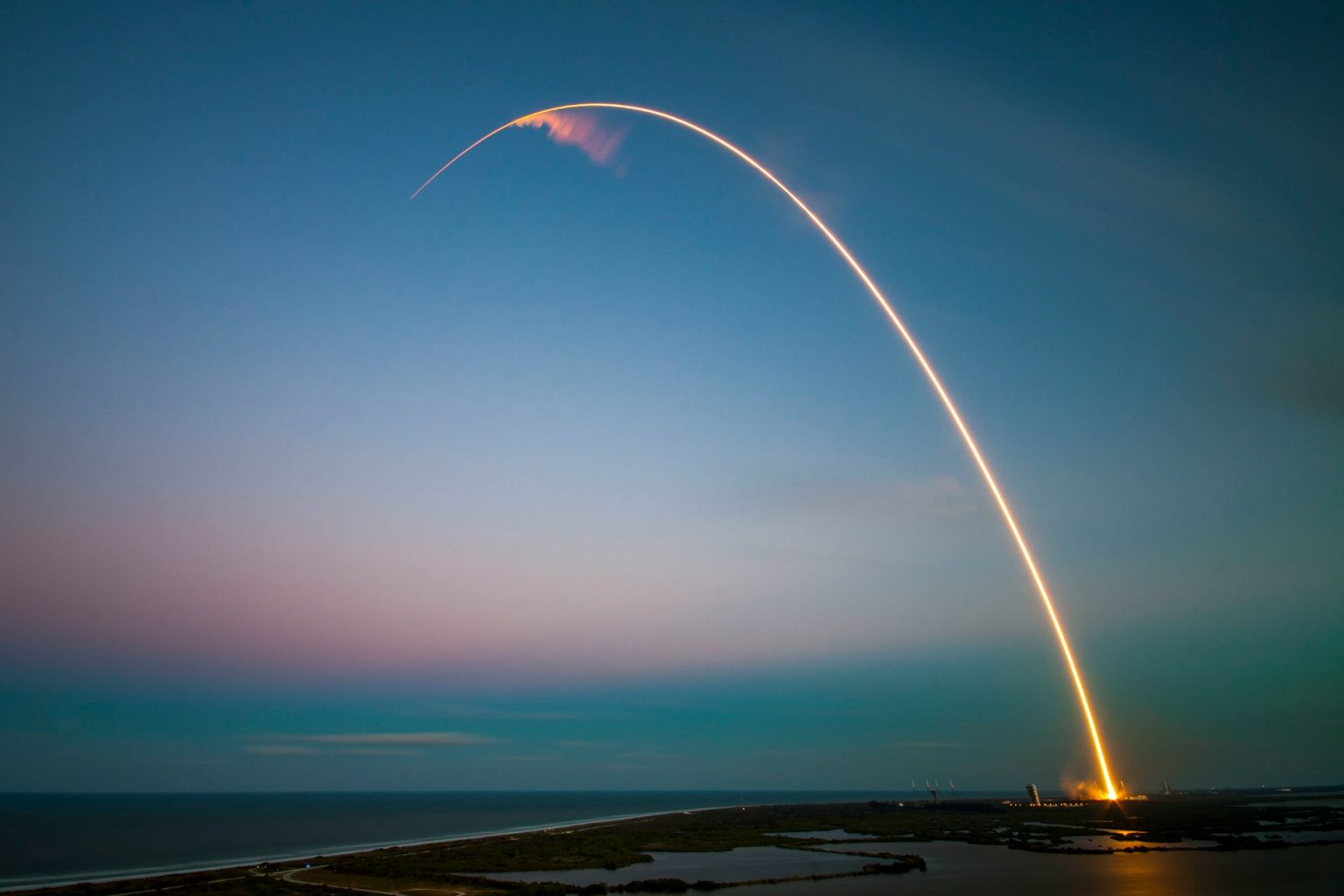
In February 2025, spacecraft instruments detected an extraordinary event in the upper layers of Earth’s atmosphere. A lithium cloud appeared in the mesosphere, with a concentration ten times higher than background levels. Using back-trajectory analysis, scientists determined that the anomalous air mass originated from the region west of Ireland. That is where and when the planned reentry of the upper stage of the SpaceX Falcon 9 rocket into the atmosphere took place. This event marked the first documented instance in history where man-made chemical pollution from a spacecraft was clearly detected by ground-based systems.
LiDAR (Light Detection and Ranging) technology was a key tool in the study. It is a remote sensing method that uses laser beams to measure distances and analyze the composition of the environment in real time. Scientists at the Leibniz Institute for Atmospheric Physics (IAP) in Germany are using LiDAR to track the process of ablation—the gradual breakdown and vaporization of space debris caused by friction in the dense layers of the atmosphere.
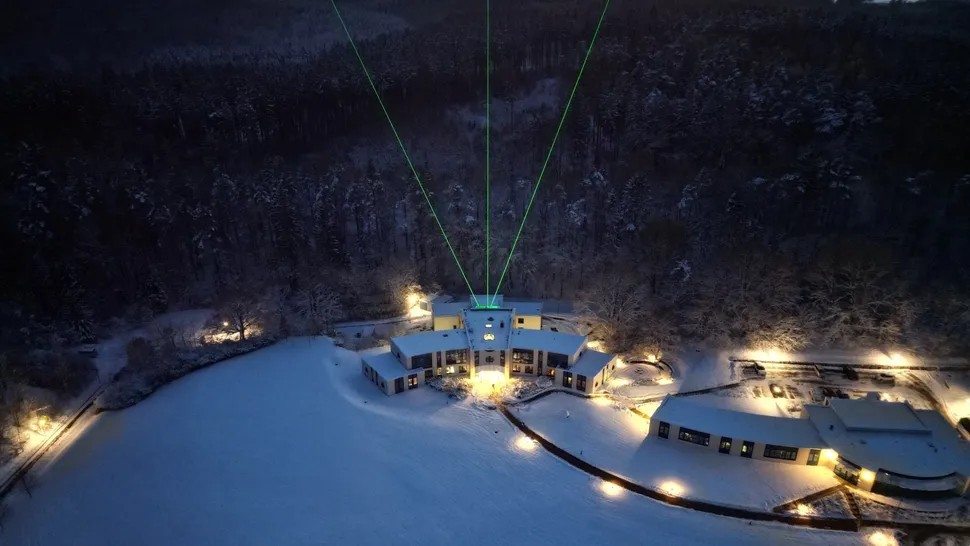
Michael Gerding, a spokesperson for the IAP, notes that lithium is an ideal tracer for studying human impacts on the mesosphere, as this metal is widely used in the space industry. Now, thanks to new three-channel LiDAR instruments, scientists can track not only lithium but also other elements that enter the atmosphere after satellites burn up.
Space composition in the stratosphere
Researchers are calibrating their equipment to detect copper, aluminum oxide, and even hydrogen fluoride—substances found in the structural components or fuel of modern rockets. Under natural conditions, these elements occur at altitudes of 50–100 km only in trace amounts. However, the rapid expansion of massive satellite networks, such as Starlink, means that tons of synthetic materials are turning into vapor and fine dust right above our heads every year.
Robin Wing, a colleague of Herding’s, emphasized that the upgraded LiDAR system is already undergoing testing. Its primary objective is to systematically scan the atmosphere for all the components that make up modern spacecraft. Copper was the first on the list of priority targets for the new “laser detector.”
Threat to the ozone layer
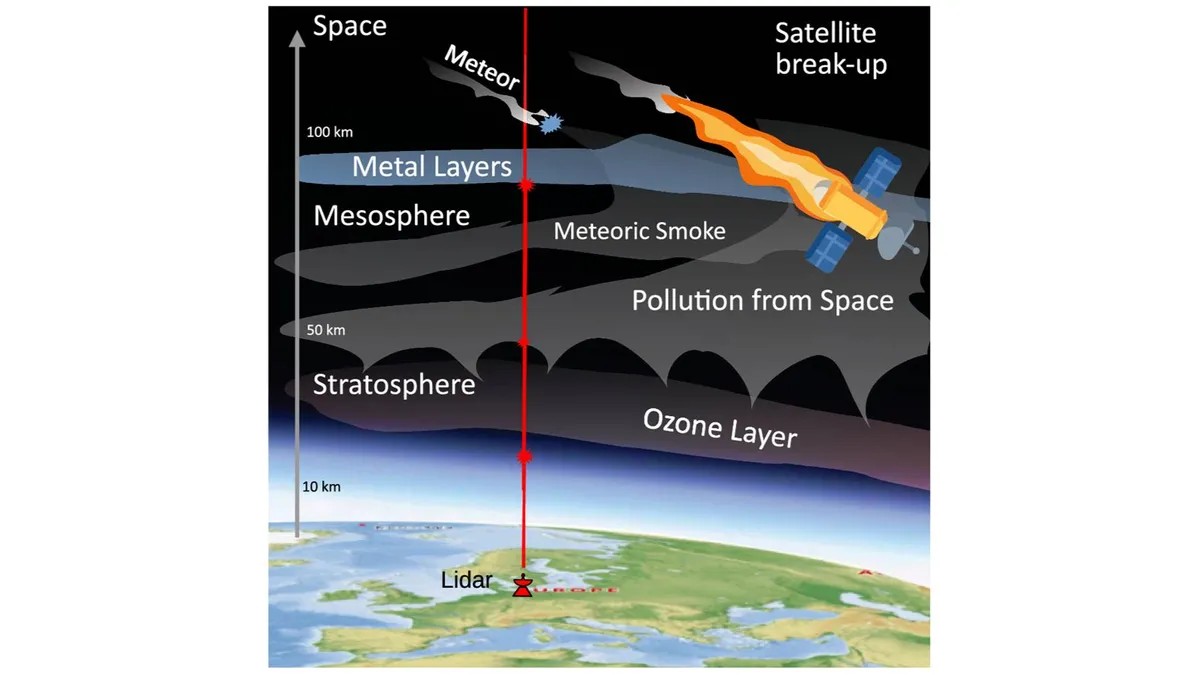
The problem extends far beyond the realm of basic science. Leonard Schulz of the Technical University of Braunschweig warns that the amount of material that space debris is introducing into the mesosphere and lower thermosphere is already sufficient to cause serious concern. The main risk lies in the potential destruction of the Earth’s ozone layer.
The debris from burning satellites can act as catalysts for chemical reactions that destroy ozone, which protects the planet from harmful ultraviolet radiation. Modern satellite constellations not only pose a risk of physical collisions in orbit, but also “pollute” the atmosphere as they re-enter the atmosphere. Scientists are calling for large-scale ground-based experiments that would simulate spacecraft re-entry into the atmosphere in order to accurately predict how the space age will change the human environment in the coming decades.
We previously reported on the way in which Starship’s repeated crashes are polluting the Earth and damaging the ozone layer.
According to Space

