

Our first contact with extraterrestrial civilization is unlikely to be anything like it is depicted in science fiction. In reality, we will most likely witness its death throes. This is the conclusion reached by British astronomer David Kipping.
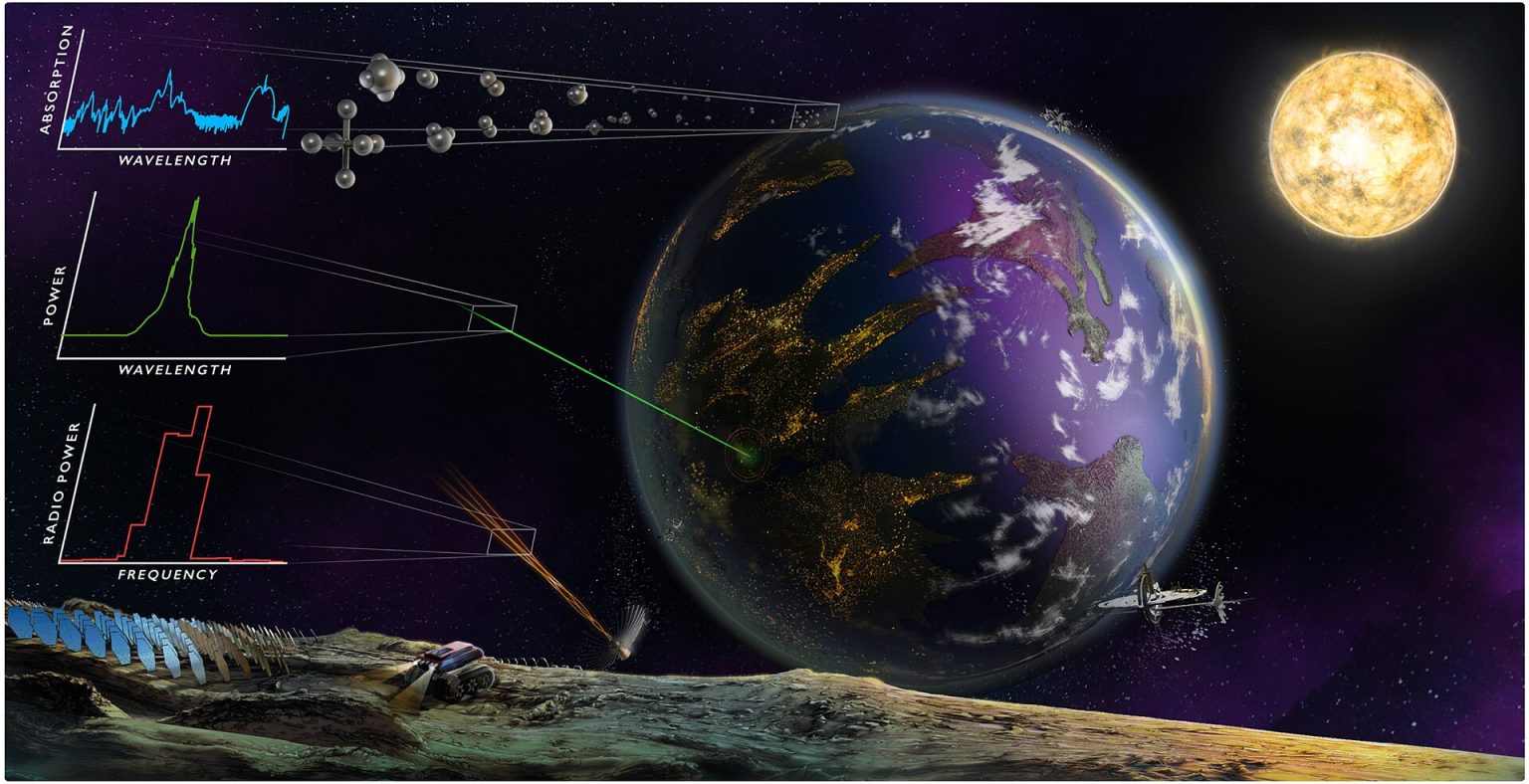
Over the decades, science fiction writers have described many different scenarios for first contact — from a highly advanced civilization trying to help Earthlings to an invasion by hordes of warlike enslavers. But according to David Kipping, another option is much more realistic. In his article, published on the arXiv preprint server, he proposed the so-called “eschatological hypothesis.” According to this hypothesis, our first contact with extraterrestrial intelligence will be atypical.
Kipping came to this conclusion while studying the history of astronomy. As a rule, the first astrophysical object or phenomenon of a new class to be discovered is atypical and unrepresentative. This is because it is much easier for astronomers to find objects with large observational signatures due to existing detection methods and their biases.
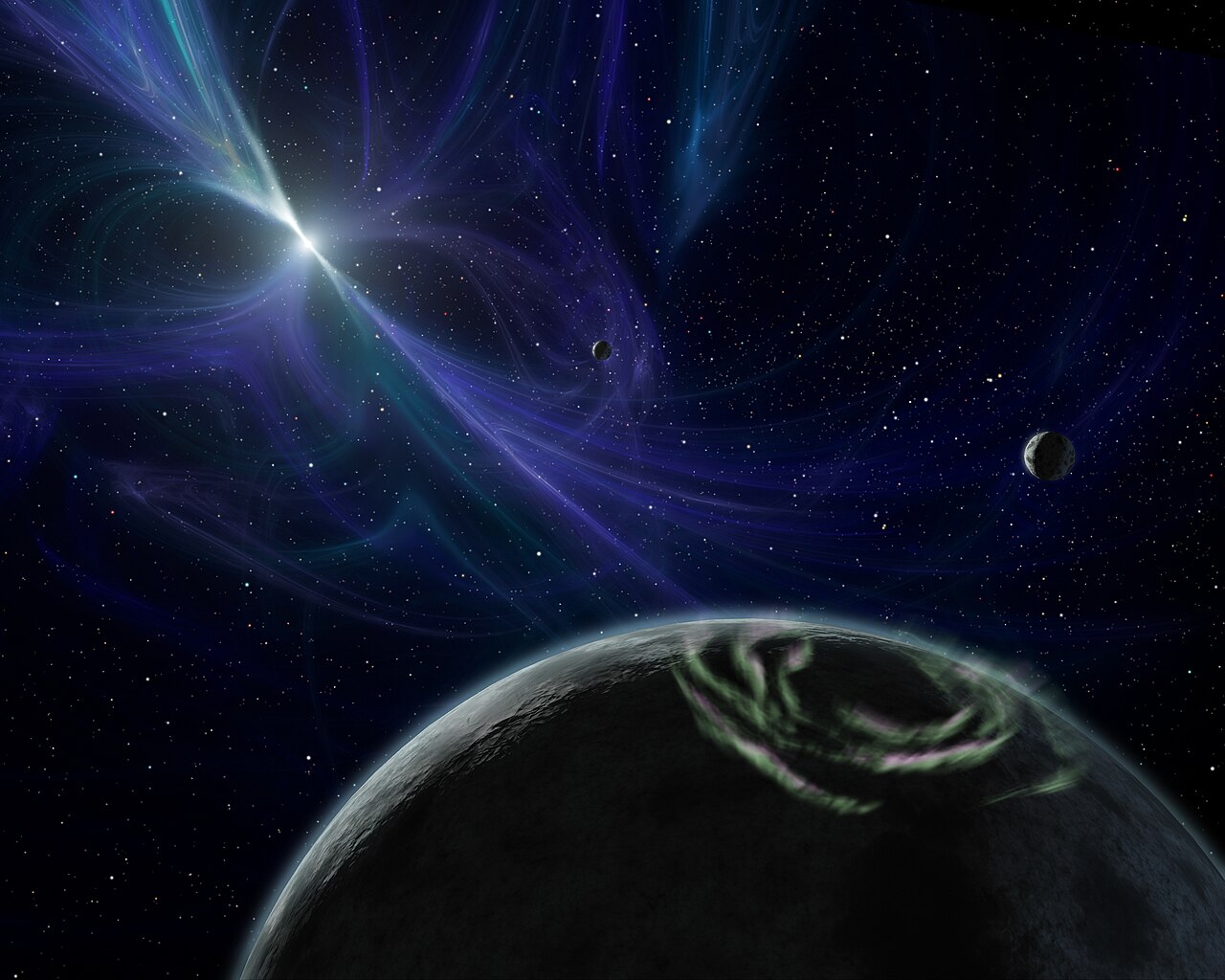
Exoplanets are a good example. The first exoplanets in history were discovered in the early 1990s near a pulsar. But now we know that this discovery was unique. Of the more than five thousand exoplanets known to us today, less than 10 are pulsar planets.
This argument also holds true for stars that can be seen with the naked eye. Depending on the circumstances, we can see about 2,500 stars in the night sky. About a third of them are evolved giant stars. But if we look at the actual ratio, it becomes clear that such stars account for only a small fraction of the total stellar population of the Milky Way. We see them only because their observational signal is very strong, while we do not notice the much more common red dwarfs because they are very dim.
Kipping extends this analogy to first contact. In his opinion, the first signs of extraterrestrial intelligence will also be very unusual, “loud,” and easily detectable—because it is most likely in the process of dying out. In other words, it is much more likely that we will hear the death cry of a doomed civilization than a civilization that is developing steadily.
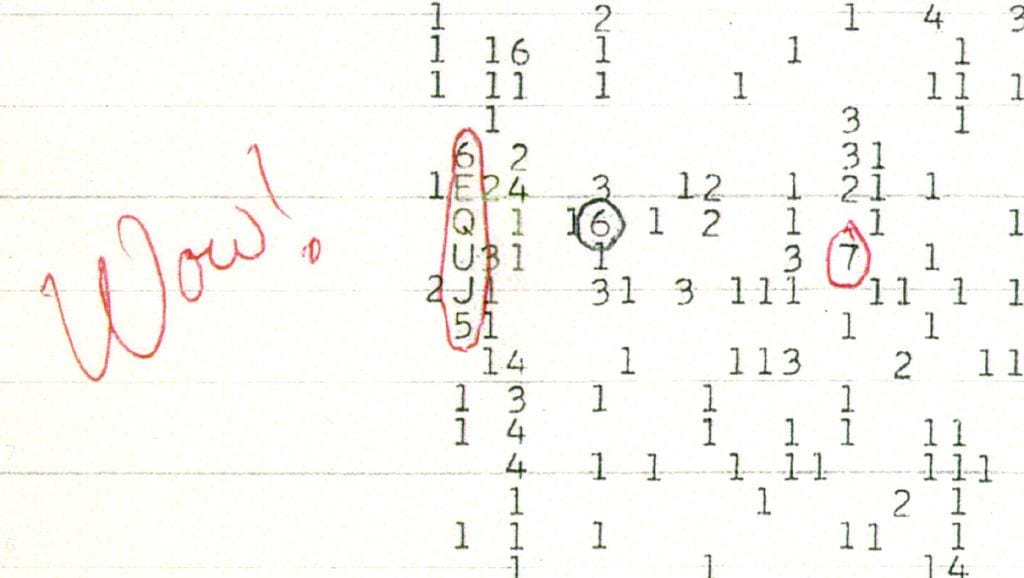
Our own Earth can be used as an analogy. Human activity is changing the planet’s climate and increasing the amount of carbon dioxide and chemical pollutants in the atmosphere. The more there are, the easier it is for aliens to detect them and understand that Earth is inhabitable. However, the more pollutants there are, the closer humanity will be to ecological collapse, which could lead to its extinction. Thus, according to the eschatological hypothesis, well-recorded technosignatures may be a by-product of a dying civilization. Kipping even speculates that the famous “Wow!” signal was a call for help.
All this means that instead of focusing on narrowly defined technosignatures, programs searching for extraterrestrial intelligence should give priority to bright anomalous phenomena whose luminosity and temporal scales are difficult to reconcile with known astrophysical phenomena. In this regard, observatories that constantly monitor changes in the sky, such as the recently launched Vera Rubin Observatory, should play a particularly important role. According to Kipping, they have the best chance of making first contact.
According to Phys.org

