

On the last Saturday night in October, Ukraine will switch to daylight saving time as usual. Last year, the Verkhovna Rada decided not to do this anymore, but the matter has stalled. The issue is even more controversial than one might imagine.

Daylight saving time
On October 26, 2025, Ukraine will switch to daylight saving time. At four in the morning, clocks will need to be set back one hour. In general, this is a positive development, as it will allow for an extra hour of sleep. However, for many people, this is stressful, which is why every time a notice is published that the last Sunday in October is approaching, it generates numerous comments about how this practice causes a great deal of distress and should therefore be discontinued.
In 2024, the Verkhovna Rada of Ukraine adopted a resolution stating that the clock change in October of that year would be the last, but Volodymyr Zelenskyy never signed it. So Ukraine continues to change its clocks.
Who invented winter time?
In fact, there is no such thing as winter time. There is only standard time and summer time. The former is a way to align what the clock shows with the movement of the Sun. For this purpose, the entire length of the equator was divided into 24 zones, each 15 degrees wide. The zero zone is the one through the center of which the meridian passes, on which the Greenwich Observatory in England is located. All others are counted from it.
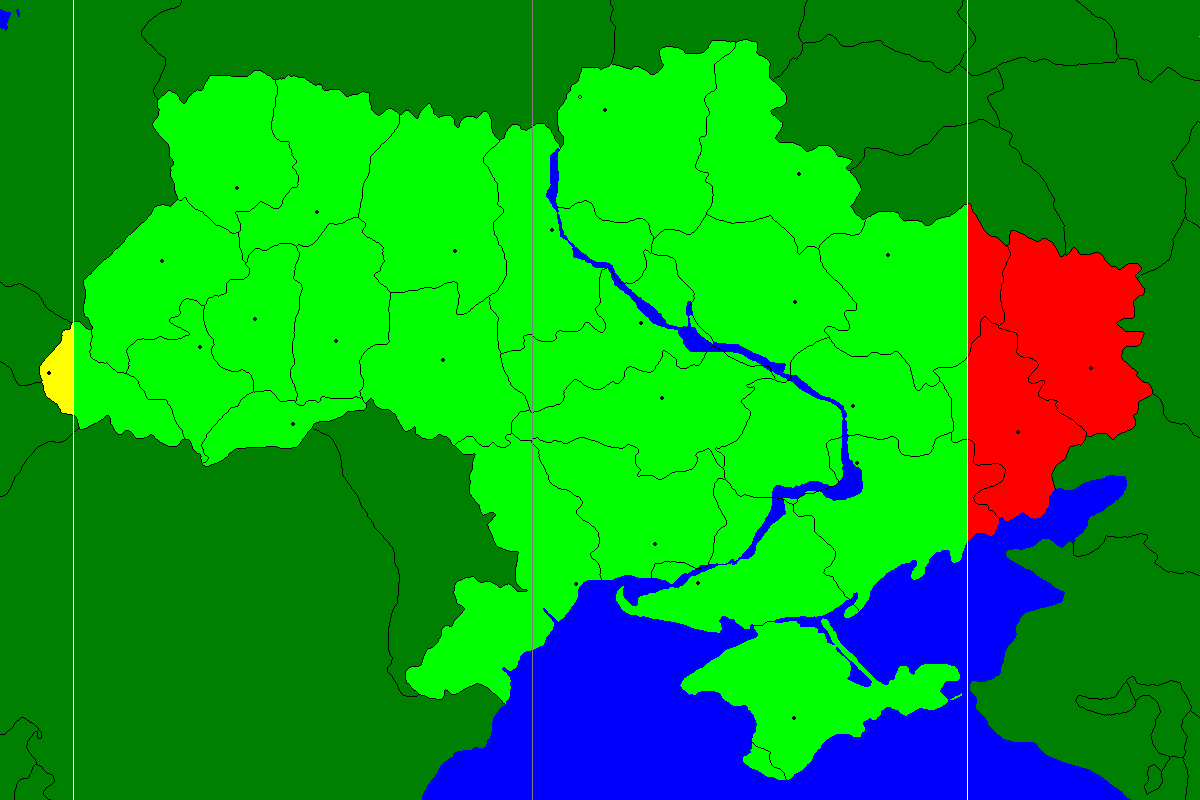
Ukraine is relatively fortunate in terms of time zones. Most of its territory lies in the second time zone. Only western Transcarpathia is in the first zone, and Luhansk and Donetsk regions are in the third. Therefore, there is no need to divide the country into several time zones, and a relatively small area does not use the correct time if we do not take borders into account.
Other countries can set the time zone on their territory as they see fit, and usually, their external or internal borders do not coincide with meridians. However, in general, the system of dividing the Earth into time zones performs its function quite successfully.
The problem arises only in regions far from the equator, where the length of daylight hours changes throughout the year. As a result, in winter, the start of the standard working day is close to the start of daylight hours, and in summer, there are several hours of daylight before it, which are difficult to utilize.
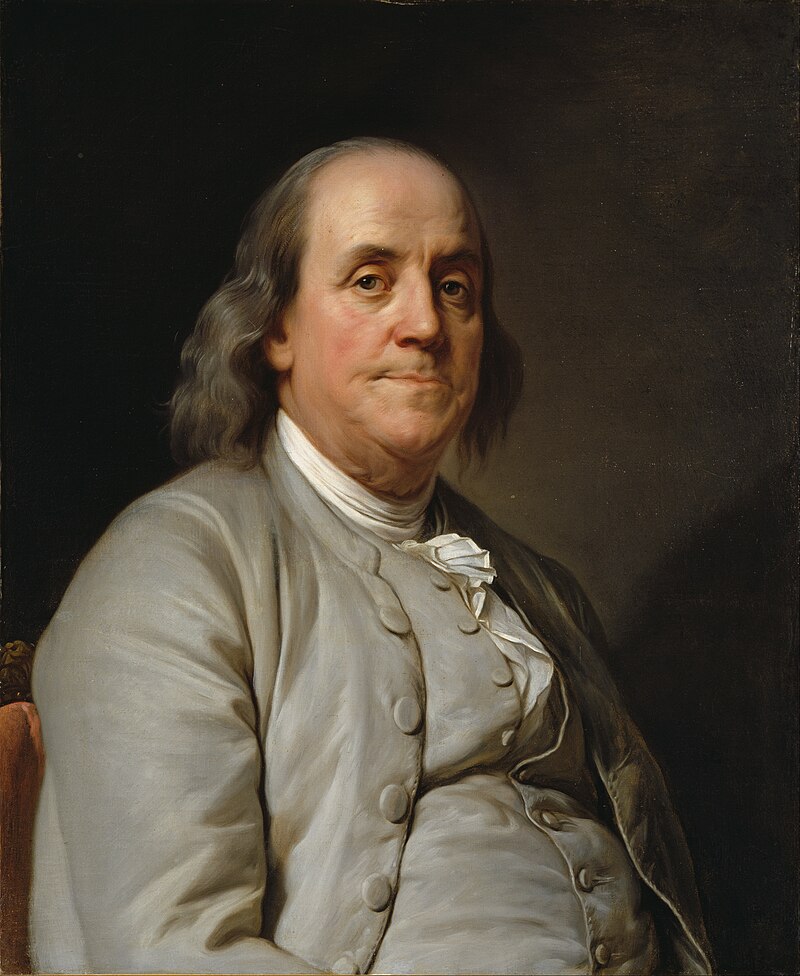
It was precisely to solve this problem that Benjamin Franklin proposed in the 18th century to move the daily schedule back an hour in summer in order to use daylight hours more rationally.
In practice, daylight saving time was first implemented in 1909, and since then, most countries whose territories are far from the equator, primarily in Europe and North America, have been changing their clocks twice a year.
Should daylight saving time be changed or not?
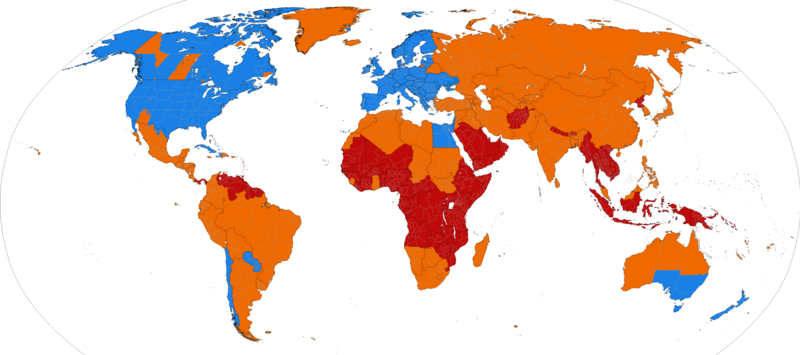
Currently, all European Union countries are transitioning to daylight saving time and back. However, this practice has been met with resistance almost from the outset, and over the years, this resistance has only grown stronger. The reason is that the benefits of changing the clocks are diminishing, while the problems were obvious from the outset. The human biological clock takes a long time to readjust, causing considerable discomfort.
Over the last century, artificial lighting has become much more common and accessible than before. We have become accustomed to the fact that it is not when the sun rises that it is time to sleep, but when we need to. And so the habit of doing this at the same time throughout the year has surpassed everything else. But even here, it is not so simple.
Several years ago, the EU adopted a resolution allowing countries to opt out of daylight saving time. However, no one has taken advantage of it yet. It turned out that one country’s unilateral refusal to switch to daylight saving time creates a lot of problems for it in its interactions with others. And in general, for many people and organizations, the switch to daylight saving time is still relevant.
On the other hand, Russia and Belarus have refused to switch to daylight saving time. Therefore, the argument that the communists forced everyone to change their clocks and that maintaining this practice drags us back into the “Russian world” completely contradicts reality.
Perhaps this is why Ukraine has not abandoned daylight saving time. Such a decision would distance us too much from Europe, which we aspire to be a part of.

