

The Earth has a powerful magnetosphere—a giant invisible “bubble” that deflects the solar wind and protects the planet from other cosmic threats. It was previously believed that this protection extended to the Moon only when it passed directly through the tail of the magnetosphere during its 27-day orbit. In a new study published in the journal Science Advances, scientists argue that humanity has underestimated the scale of Earth’s defenses.
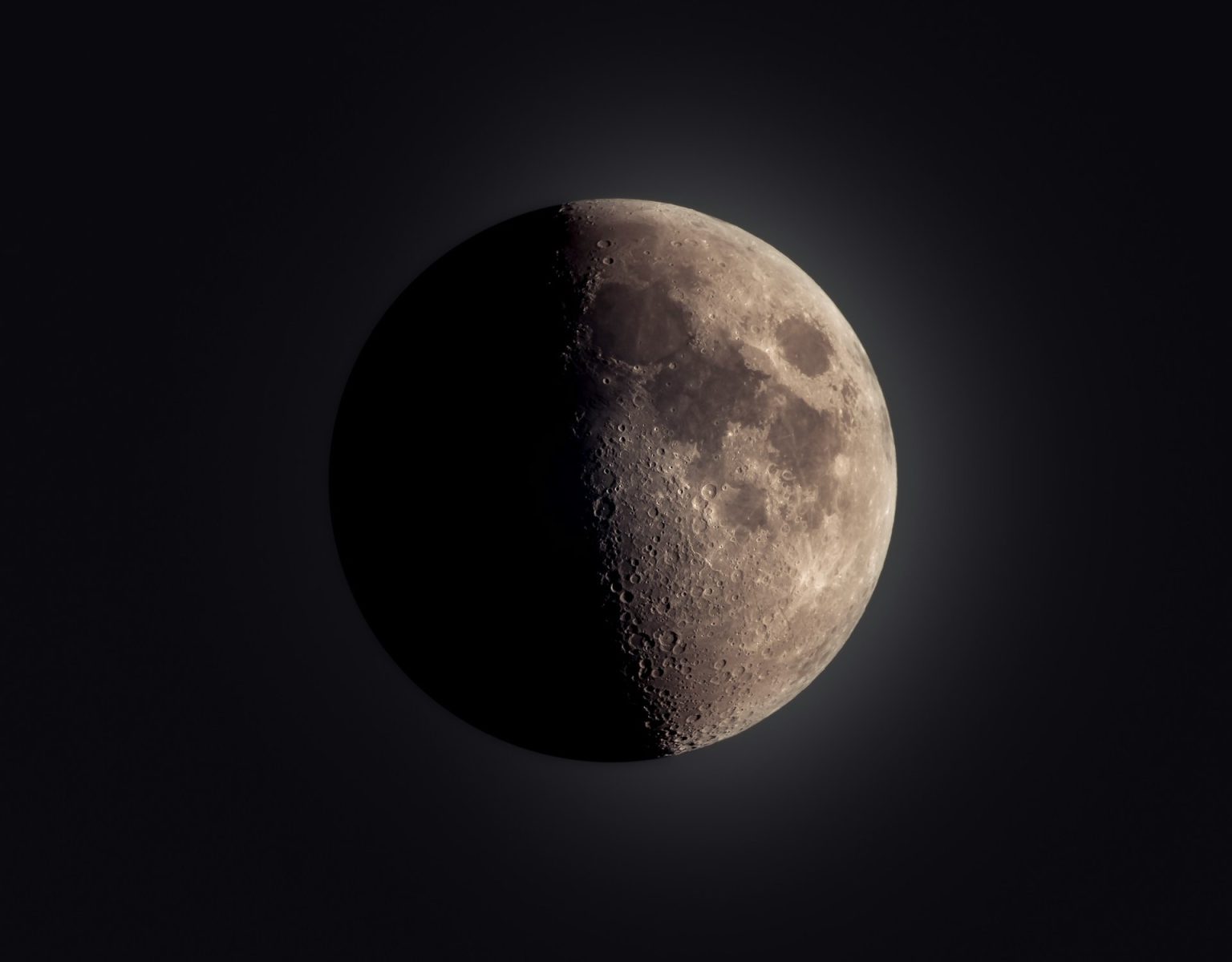
Astrophysicists have discovered that the magnetosphere creates a special “cavity” that continues to shield the Moon’s surface from harmful radiation even when our natural satellite is far beyond the shield’s reach.
Evidence from the other side
This discovery was made possible by an analysis of data from the Chinese lunar rover Chang’e-4, operating on the far side of the Moon, as well as observations from NASA’s Lunar Reconnaissance Orbiter (LRO).
Scientists had expected radiation levels outside the magnetosphere to be constant and high. However, the instruments recorded a 20% decrease in particle flux during the “morning” period according to lunar time. This means that the Earth somehow manages to “filter out” some of the cosmic rays even at a distance.
“We were frankly surprised. But from a physics standpoint, it makes perfect sense. The magnetosphere provides much greater protection than we had previously expected,” explains Robert Wimmer-Schweingruber, an astrophysicist at the University of Kiel.
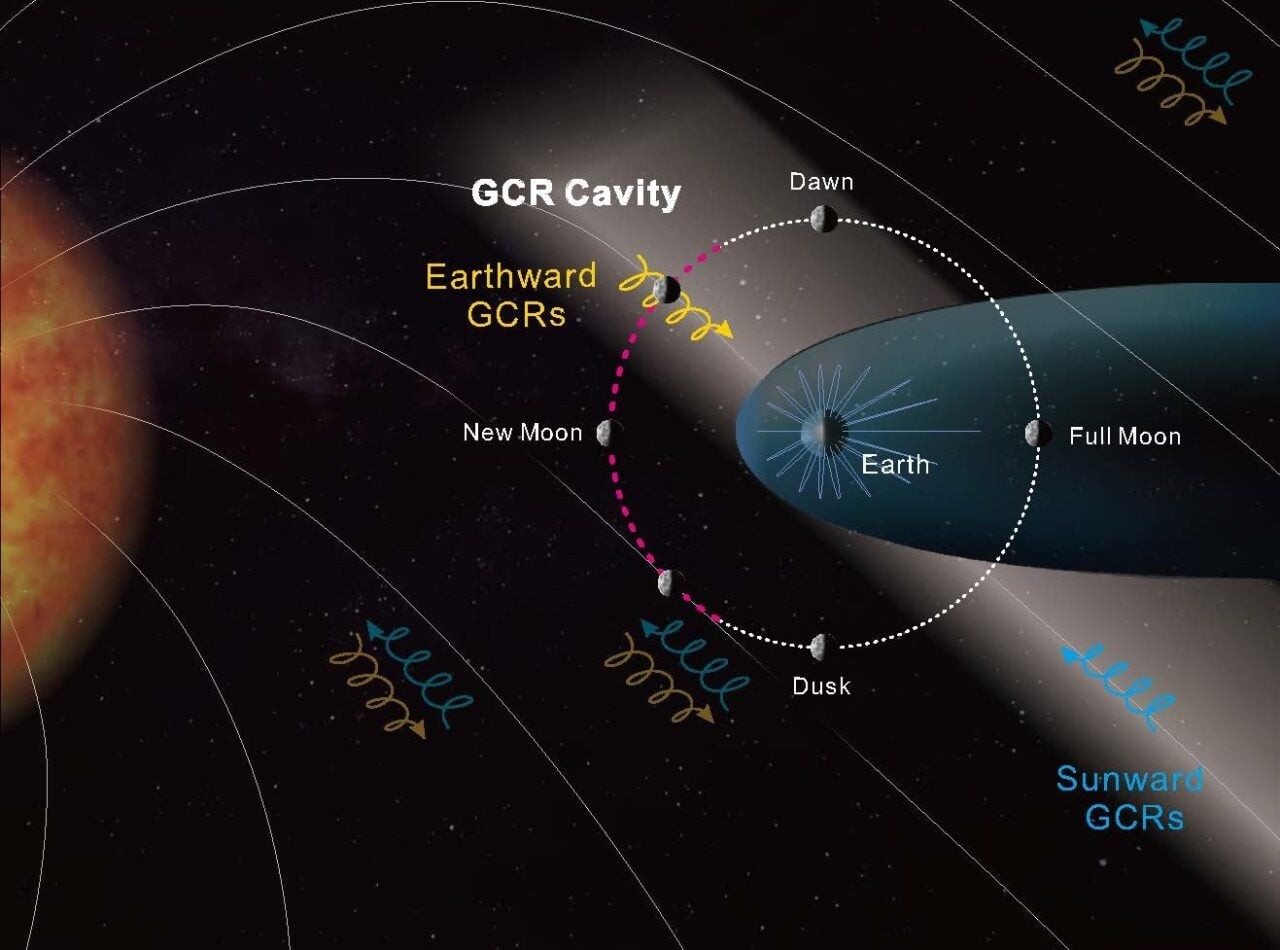
The greatest threat to the health of future inhabitants of lunar bases comes not only from solar flares, but also from galactic cosmic rays. These are particles (protons and helium nuclei) that are accelerated by supernova explosions to speeds approaching the speed of light.
The observed 20% decrease in radiation primarily affects low-energy ions. This is critically important news, as these particles are the main “enemies” of astronauts’ skin. Since the skin is our largest organ, reducing radiation exposure to it is a huge safety benefit for long-duration missions.
Challenges of the Artemis II mission
This discovery is particularly relevant now, as NASA’s Artemis II program and China’s lunar missions prepare to return humans to the Moon’s surface. Understanding where and when radiation levels drop will help us better plan spacewalk schedules and the placement of modules.
However, scientists warn that space remains unpredictable. Despite the additional protection provided by Earth, solar flares can still instantly increase radiation levels tenfold. Space weather is a complex equation with many uncertainties, but it turns out we have a more reliable ally than we had hoped.
According to Live Science

