

The powerful rocket engine of Firefly Aerospace’s Alpha rocket was destroyed in an explosion and subsequent fire. The incident occurred at the company’s test facility in central Texas. At the time of the accident, engineers were conducting final tests on the rocket before it was to be shipped to Vandenberg Space Force Base in California. The rocket was scheduled to launch from there before the end of this year to put a small commercial satellite into orbit for Lockheed Martin. The fire developed during one of the tests involving refueling and simulated launch.
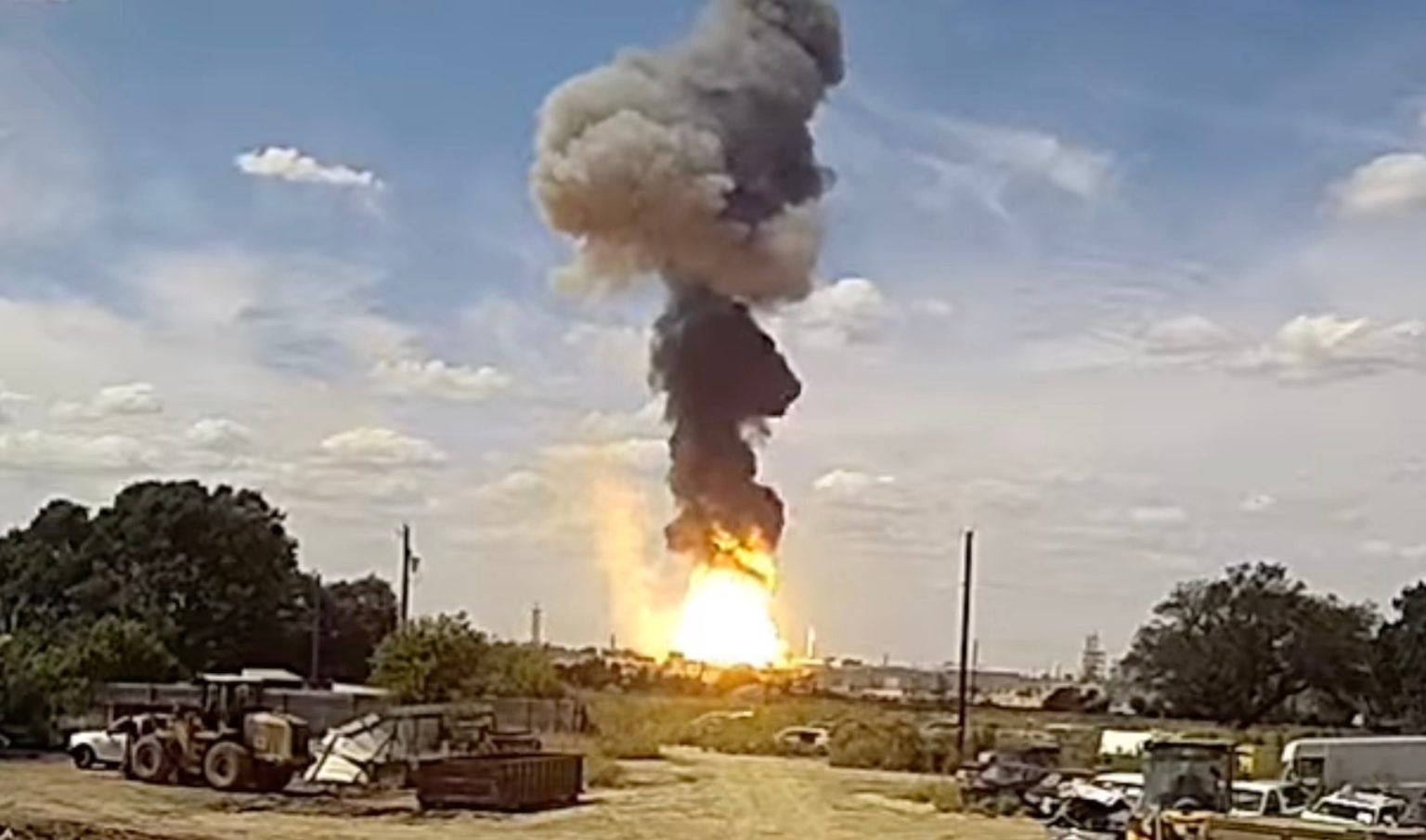
Firefly confirmed the accident that led to the loss of the first stage. The company assured that all personnel had been evacuated and were safe, and that ground crews had strictly followed all necessary protocols. These protocols provide for immediate evacuation of the area around the stand in the event of any anomaly. Engineers usually control such tests remotely from a control center located 400 meters away from the rocket.
During testing at Firefly Aerospace's facilities in Briggs, TX, an Alpha booster designated for Flight 7 exploded on the test stand. Firefly reports there were no injuries, but the booster was lost. A security camera at nearby Harold's Auto Parts captured the incident. pic.twitter.com/ZcJguqWtY1
— Spaceflight Now (@SpaceflightNow) September 29, 2025
The video from the scene shows a huge fireball and a column of black smoke rising above the complex. According to preliminary data, the source of the fire could have been the compartment containing the launch vehicle’s engines.
The hard way of the Alpha rocket
This accident was another test for the Alpha rocket, whose path to space has not been easy. The burned-out rocket was supposed to be part of the seventh launch in the history of this carrier. Of the six previous attempts, only two were completely successful. The last mission in April also ended in failure – the upper stage engine shut down before reaching orbit. The investigation revealed that the cause was a rupture in the first stage due to thermal damage from its own exhaust gases.
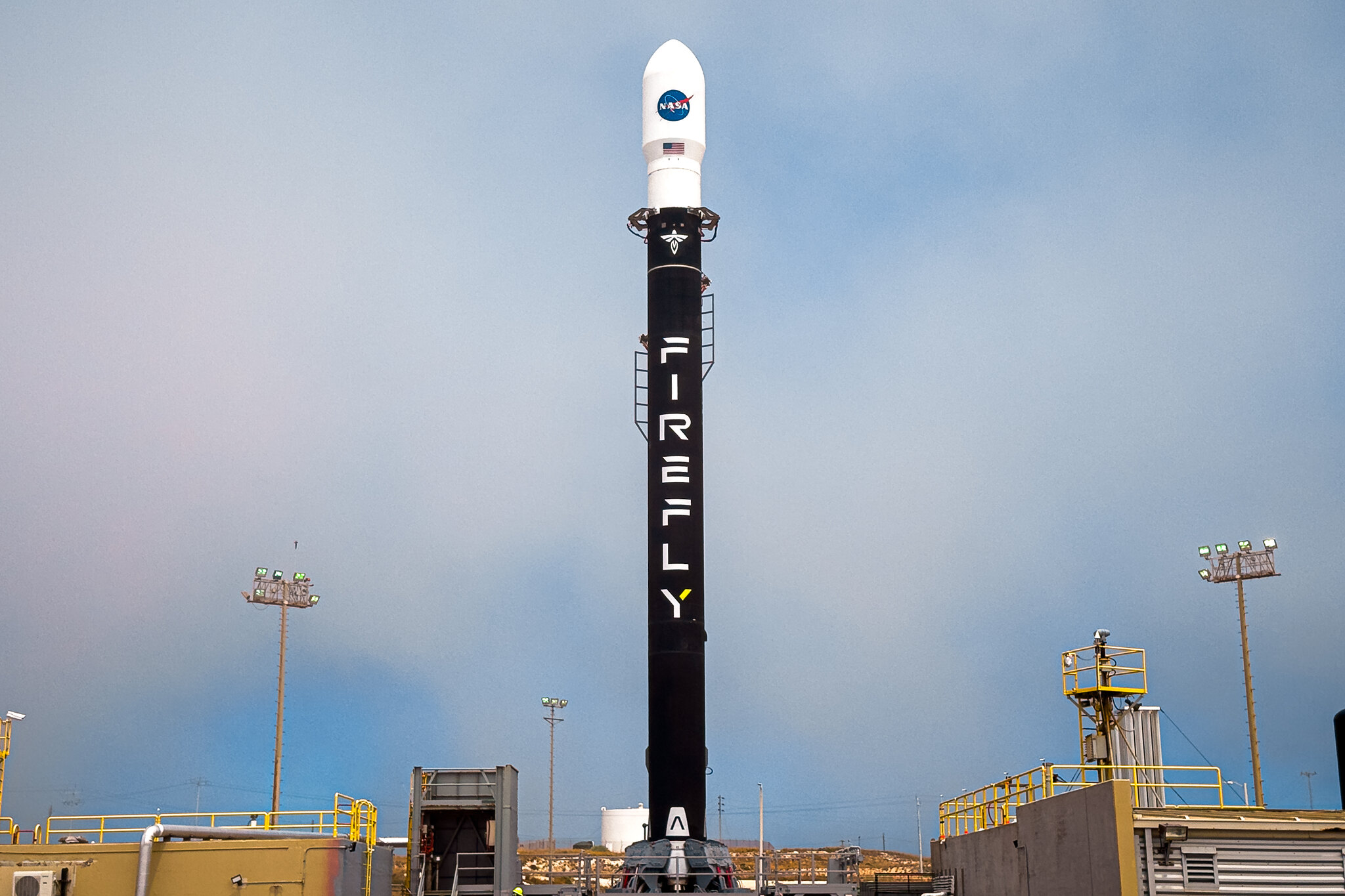
Firefly has already planned to enhance thermal protection and correct the trajectory for future flights. This fire is not the first incident of this kind for the company. A similar, but less extensive fire occurred at the same stand back in 2020.
Prospects and competition
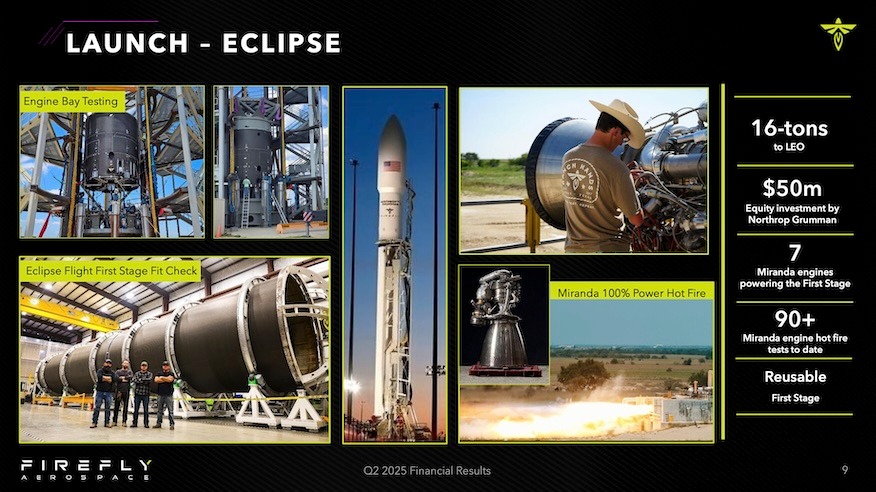
Despite problems with Alpha, Firefly is demonstrating ambition in the space industry. The company recently successfully completed the first-ever commercial soft landing on the moon of its Blue Ghost module, and subsequently received contracts from NASA for three more lunar missions. In addition, Firefly is actively developing a new, more powerful rocket called Eclipse.
However, it is the reliability of the original Alpha rocket that remains in question. There is demand for launch vehicles in this class, between micro rockets and giants such as Falcon 9. Lockheed Martin has already ordered up to 25 launches, and the US Space Force and NASA are reserving slots for their satellites. Now Firefly will not only have to deal with the aftermath of the fire, but also restore confidence in its flagship product.
Earlier, we reported on how the Alpha rocket failed to deliver its cargo to the designated orbit.
According to spaceflightnow.com

