

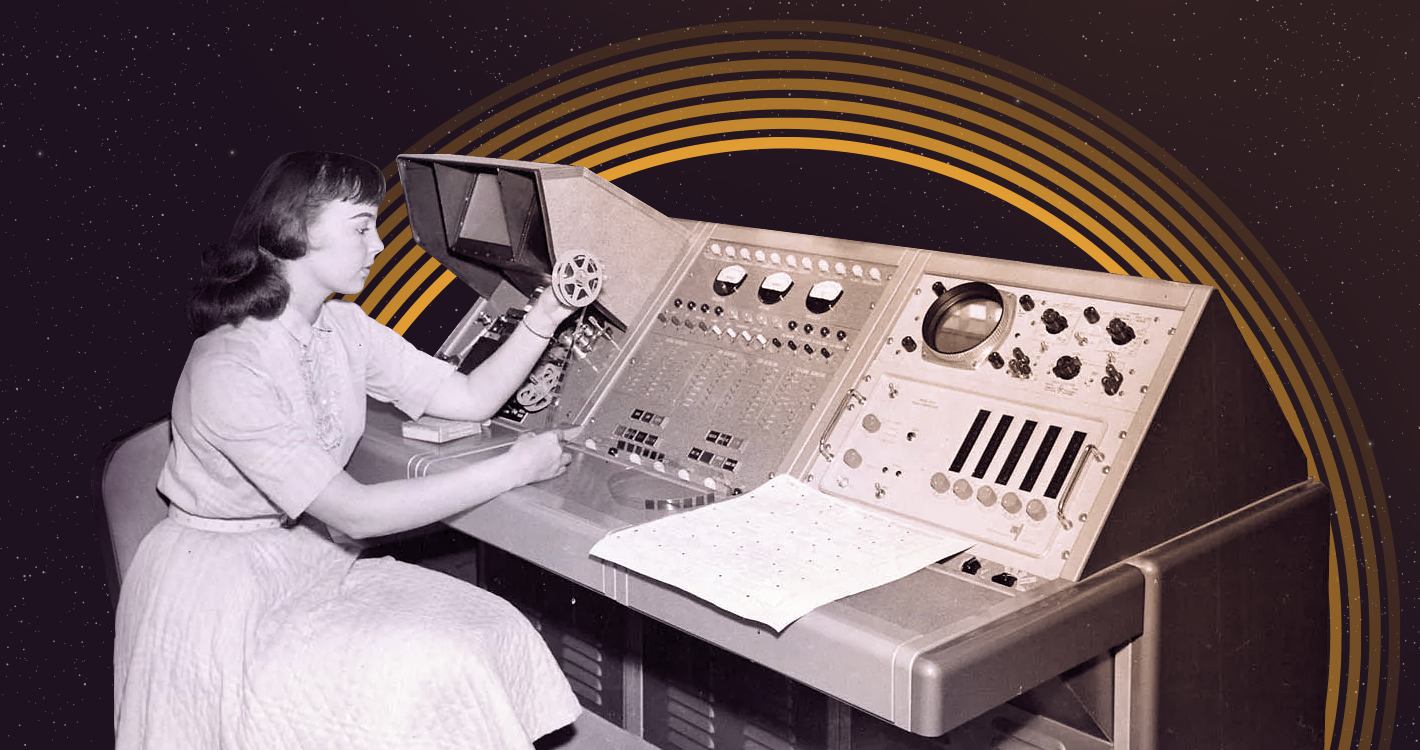
On February 15, the first fully electronic computer began operating at the University of Pennsylvania. The Electronic Numerical Integrator and Computer (ENIAC) was originally commissioned by the U.S. military, but played a crucial role in ensuring that computing machines would eventually be used in all areas of human life.
The first computers
Today, electronic computers that can perform calculations in any field at speeds that are orders of magnitude faster than the capabilities of even the most talented humans are a natural part of civilization. However, few people think about the fact that the first of them appeared due to military needs only 80 years ago, on February 15, 1946. Its name is ENIAC.
But here we must remark. The Electronic Numerical Integrator and Computer (ENIAC) was neither the first computer as such nor the first computing device to use electricity. So why is it considered the starting point of modern digital civilization?
Let’s start with the fact that the question of which of the devices invented by humans can be confidently called a “computer,” i.e., a “calculator,” remains controversial. The abacus, or counting frame, appeared in Mesopotamia in 2300-2700 BC, and no one would argue that it greatly facilitates calculations compared to doing them in your head, on your fingers, or on a slate.

However, in reality, the question of creating a machine capable of calculation arose in the 18th and 19th centuries, when industrial development led to both a sharp increase in the need for calculations and the emergence of technologies that could potentially satisfy it.
In fact, the idea of creating a universal computer, whose capabilities go far beyond the calculation of a single value, first appeared in the mid-19th century in Great Britain. The “difference engine” proposed by Charles Babbage and Ada Lovelace seemed extremely strange from the perspective of a modern computer user. It was a set of levers and gears that were driven by mechanical forces. It is not surprising that a purely mechanical computer, which was supposed to have the functionality of modern technology, was never completed.
The problem of increasing the volume of calculations only became more acute, and it had to be solved through human labor. In fact, the word “computer,” meaning “calculator,” initially referred not to a machine but to a profession. It was intellectual but relatively low-paid work, so it is not surprising that most calculators were women.
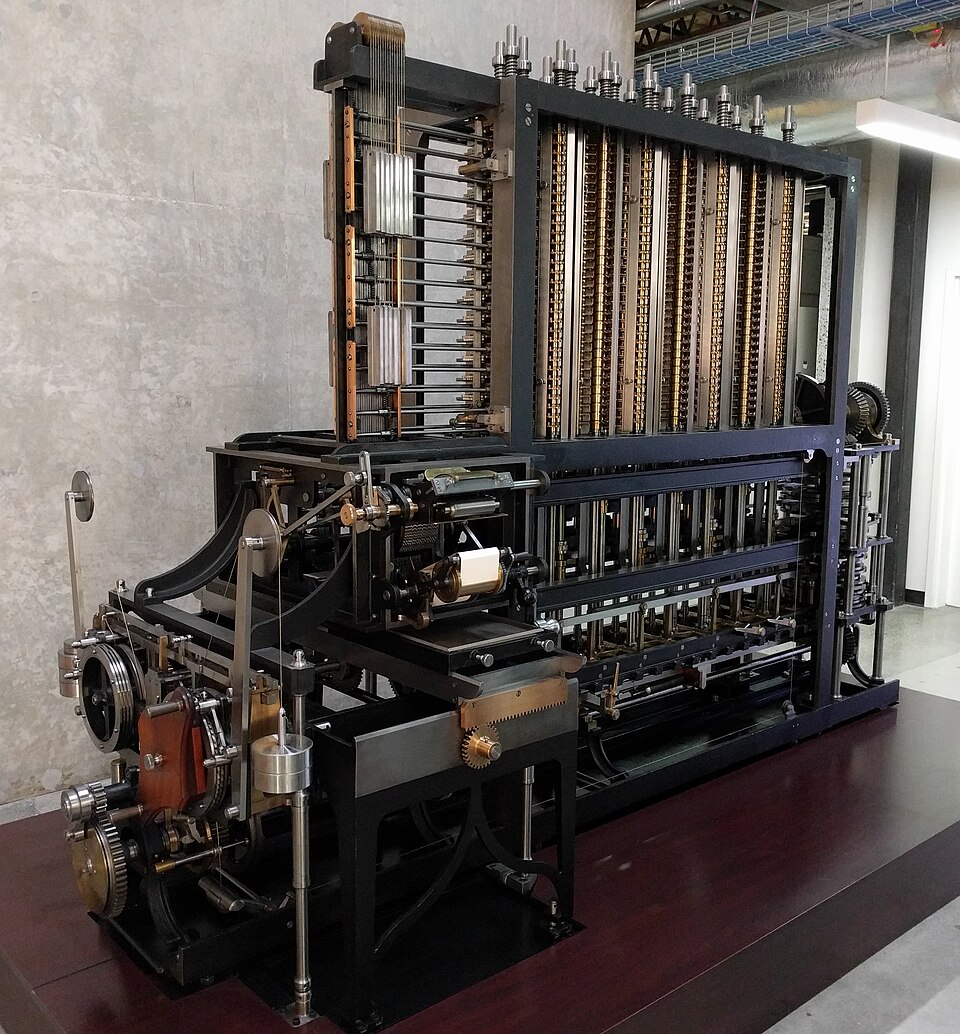
At the same time, the idea of increasing their efficiency with a device more complex than an abacus and the logarithmic ruler invented in the 17th century did not disappear. However, numerous models of machines the size of a room or even a house, capable of performing complex calculations, remained experiments.
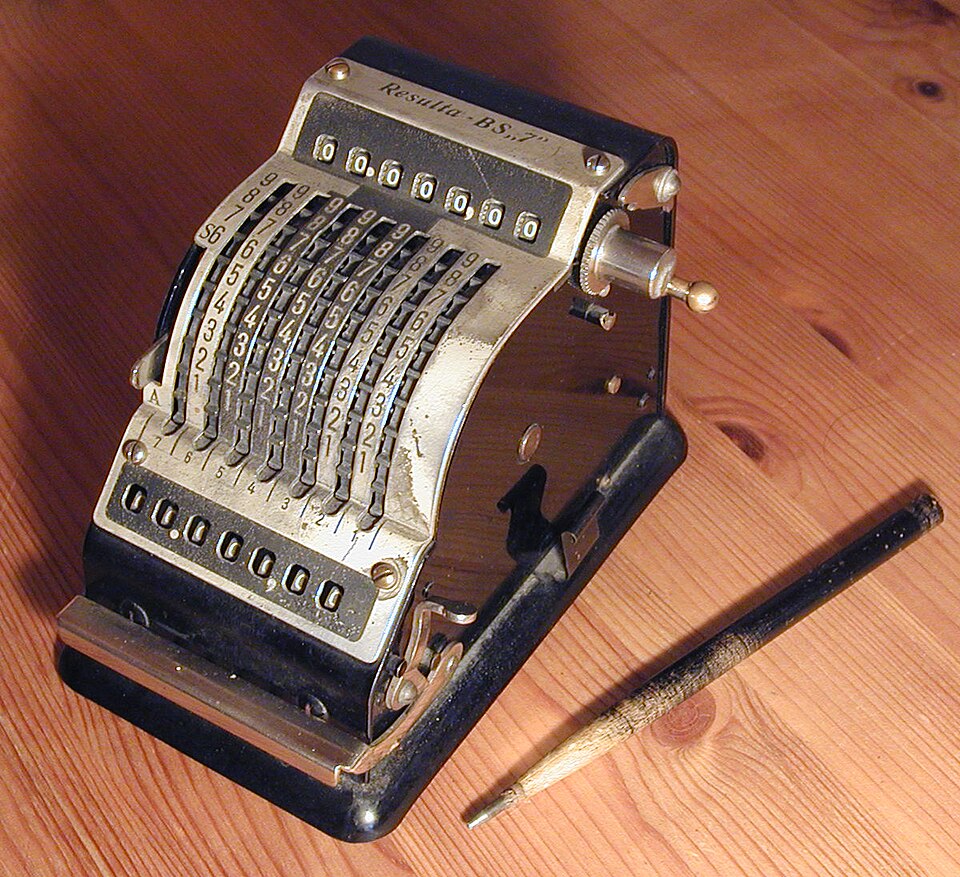
Instead, in the 19th century, much simpler devices were used – arithmometers. They were used mainly for the four basic arithmetic operations, but they could fit on a table and required the operator to have special training, in addition to pure mathematics, and the ability to turn handles and switches.
In fact, even the most developed countries entered World War II with human calculators armed with adding machines, logarithmic rulers, various tables, and instructions on how to reduce the most complex mathematical operations to simple manipulations with mechanical monsters as their main means of performing complex calculations. logarithmic rulers, various tables, and instructions on how to reduce the most complex mathematical operations to simple manipulations with mechanical monsters on their desks.
Artillery tables
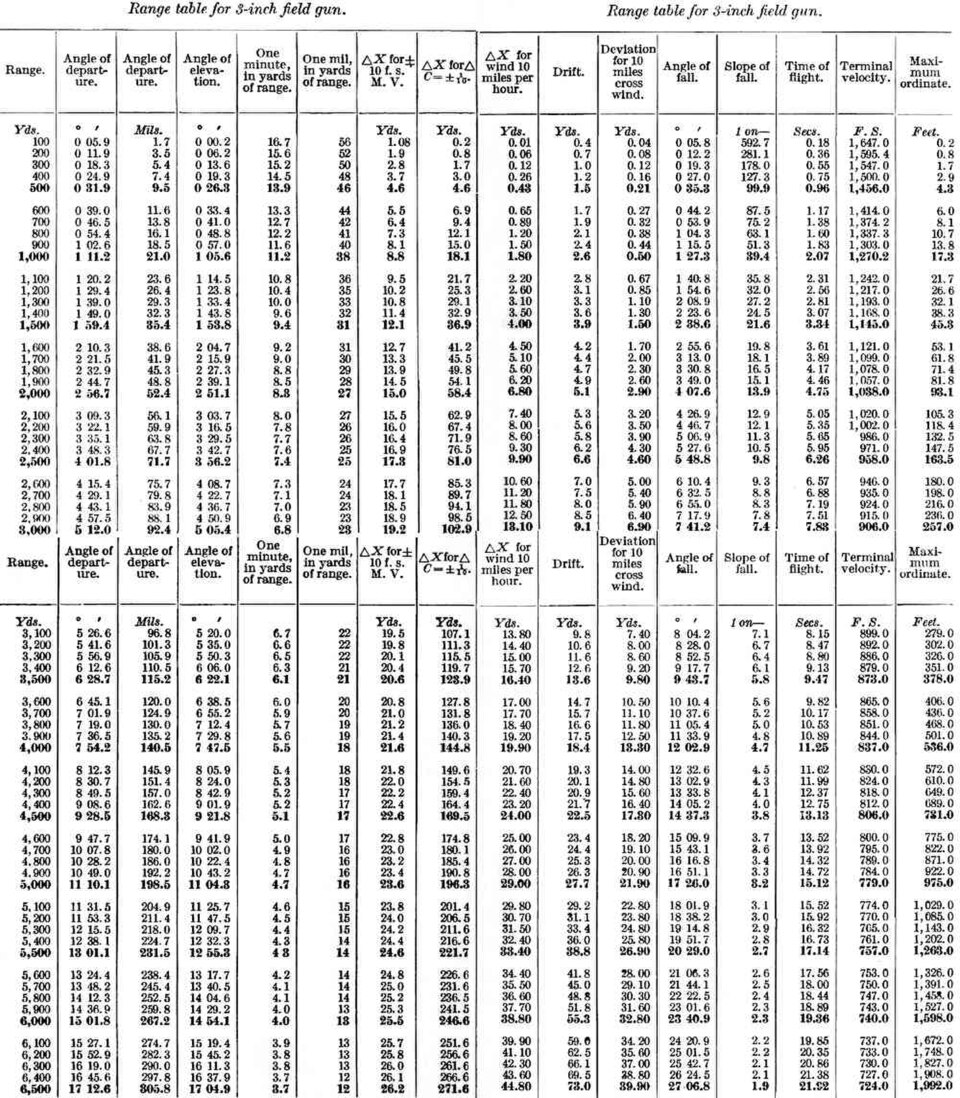
However, the war showed that all this was not enough. This was particularly evident in the problem of artillery tables. The trajectory of a shell fired from a gun can be calculated with high accuracy, but this requires taking into account not only its caliber and the angle at which it is fired, but also its internal structure, the length of the barrel, atmospheric conditions, and several other parameters.
In total, this amounts to about 1,000 calculations for each such combination of parameters, and it is practically impossible to perform them in the field even now. Instead, mathematicians had to provide artillery officers with a book of tables in which they could simply find the ready-made answer.
But first, all these calculations had to be performed for all available calibers and types of shells. For just one type of ammunition, 3,000 trajectories had to be calculated, and a calculator with an adding machine calculated one in 16 days. This meant that the work could take years, but the result was needed as soon as possible.
Electronic computer
The idea that it was possible to build a machine that would use electronic components instead of gears and therefore work much faster and more reliably than an adding machine was well known to mathematicians even before the start of World War II.
In Germany, engineer Konrad Zuse created the Z1 computing machine in 1938, which was built based on electromechanical relays, i.e., it was a hybrid model. However, it was also successfully used for military calculations. Later, Zuse even created a computer that could be programmed by entering commands from a keyboard.
In the US, John Eckert and John Mauchly, who worked at the University of Pennsylvania’s Moore School of Electrical Engineering, came up with the idea that a single electronic machine could perform complex calculations faster than an entire department of people with adding machines. It was this department that was contracted to calculate artillery tables, and it was here that computers and methods for their operation were developed.

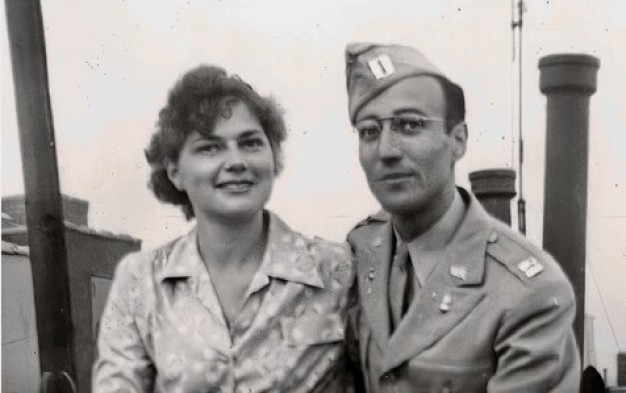
Mauchly wrote about the possibility of speeding up the process by creating an electronic computer back in 1942, but this idea was only revisited a year later, when military curator Herman Goldstein finally realized that the project was not progressing as it should. Goldstein was a mathematician himself, and his wife Adele worked as a computer at Moore School, so he was very receptive to Eckert and Mauchly’s idea and was able to bring it to the attention of the command. The project, which was initially called the “electronic differential analyzer,” then the Electronic Numerical Integrator, and finally the Electronic Numerical Integrator and Computer, was approved. In the end, the word added at the last minute became the name of a new type of device.
ENIAC design
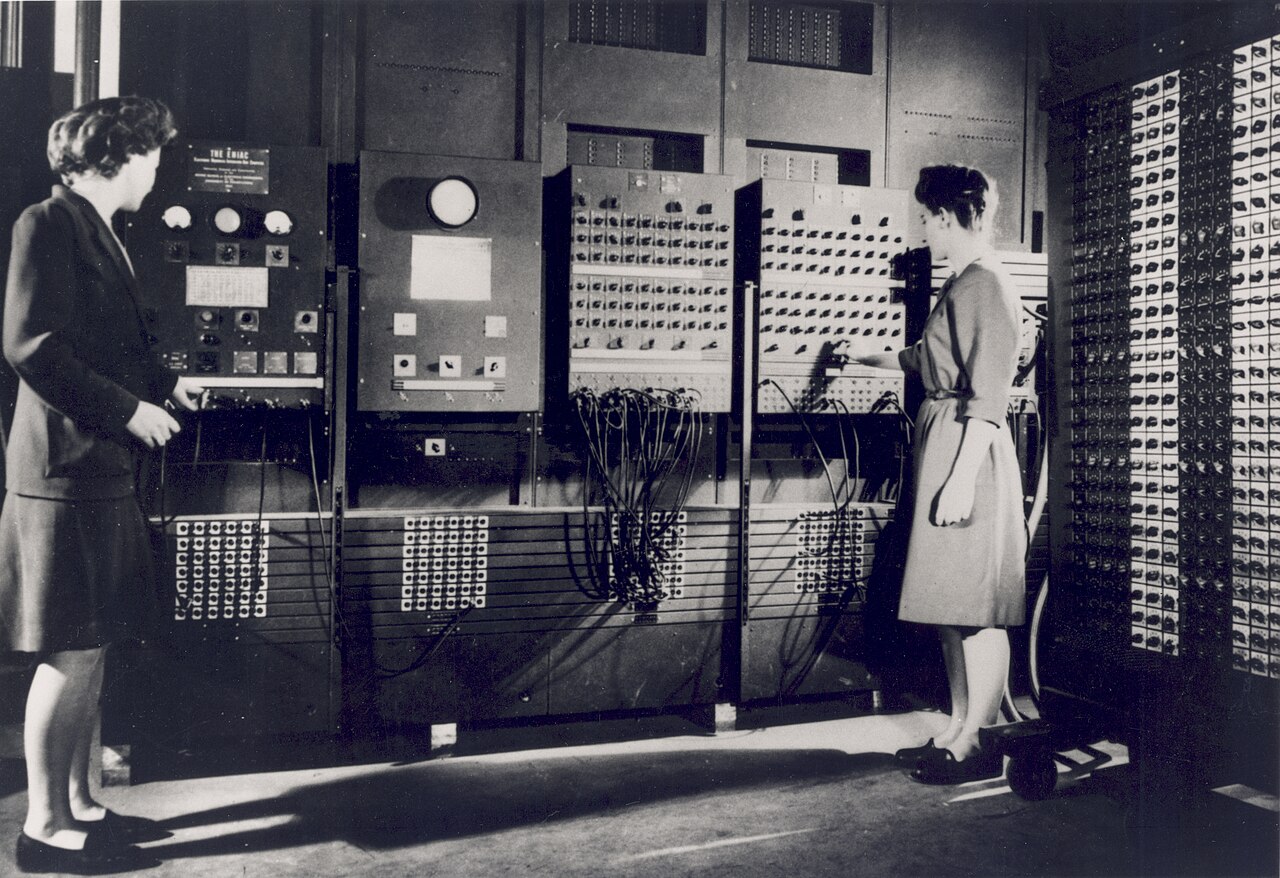
However, building ENIAC was not such a simple task. Not only had no one ever created anything like it before, but it was also a huge machine: weighing 30 tons, the size of a large room, and consuming 174 kW of electricity. And it was far from being just a bunch of metal parts. The complex consisted of 17,468 lamps of 16 different types, 7,200 silicon diodes, 1,500 relays, 70,000 resistors, and 10,000 capacitors.
The number of parts meant that every second, there were 1.8 billion potential ways for the computer to fail. So many experts claimed that it would not be able to work long enough to be practical.

However, 200,000 man-hours were spent on the project, mainly by the best mathematicians in the United States. At some point, Stanisław Ulam and John von Neumann were distracted from working on calculations for the future atomic bomb and became consultants. It was decided to supply the lamps with a deliberately lower voltage than they could withstand, and the system was never completely shut down to reduce the possible load on the lamps.
As a result, ENIAC’s minimum operating time between two breakdowns was 20 hours. However, during this time, it performed a month’s worth of work for an entire department of calculators. Its clock speed was 100 kHz. It took 10 microseconds to perform an addition operation and 2.8 milliseconds to perform a multiplication operation. By modern standards, these are extremely modest figures, but they were much better than any human computer.
Incidentally, they did not remain unemployed. With the outbreak of World War II, women were primarily recruited for this position. It was among them that Herman Goldstein sought specialists who would work with the computer as soon as it was completed. Therefore, all six programmers who collaborated with him were women. The manual for working with the machine was prepared by Adele Goldstein.
At the same time, the programming process itself was very different from what we are used to today. For ENIAC to perform a specific task, its blocks had to be reconnected with wires each time. In this respect, it was significantly inferior to Konrad Zuse’s Z3, which was already capable of working with punch cards. The American computer was only taught this trick in 1948.
The work of ENIAC
In July 1944, the first two modules of the new computer were ready. Scientists connected them, multiplied the numbers 5 and 1000, and proved that the idea worked. However, ENIAC was not fully ready until the fall of 1945. World War II had ended, and the artillery tables for which it was created became irrelevant. However, a new task was soon found for it.
The United States already possessed the atomic bomb, but Stanislaw Ulam and physicist Edward Teller had a new idea: to use a nuclear explosion to initiate a thermonuclear fusion reaction and thus obtain an even more powerful source of energy. ENIAC was used to perform the calculations necessary to implement this idea.
When the computer was officially put into operation on February 15, 1946, it already had a secret task. It is noteworthy that the calculations performed on it earlier, in November-December 1945, remain classified to this day.
However, it is well known what calculations were performed on ENIAC after it was transported to the ballistic laboratory in Aberdeen. It was used to calculate the airflow around the wings of an aircraft flying faster than the speed of sound, and the results of the use of thermonuclear weapons in a specific area.
In 1949, John von Neumann returned to work with ENIAC. He used it to calculate the values of π and e (the base of natural logarithms) to 2,000 decimal places. He was interested in whether they were random. In addition to its great importance for fundamental science, this question was also of great importance for cryptography.
In 1950, ENIAC was used to forecast weather using a mathematical vortex model. However, its power proved insufficient: to simulate the weather for the next 24 hours, the computer took almost 24 hours.
ENIAC was improved and continued to operate until 1955. After that, it was dismantled, but some of its parts can now be seen in a museum.
The legacy of ENIAC
Paradoxically, ENIAC’s greatest significance lies not in its technical achievements, but in the fact that even before the design was completed, its creators realized that the computer was not perfectly designed. From the cumbersome decimal system to the lack of effective means of input, output, and long-term storage of information, there were many shortcomings.
That is why, even before the completion of the ENIAC, Goldstein and his company began developing the next machine, EDVAC (Electronic Discrete Variable Automatic Computer). It was built without the above-mentioned shortcomings and was eventually also used by the military.
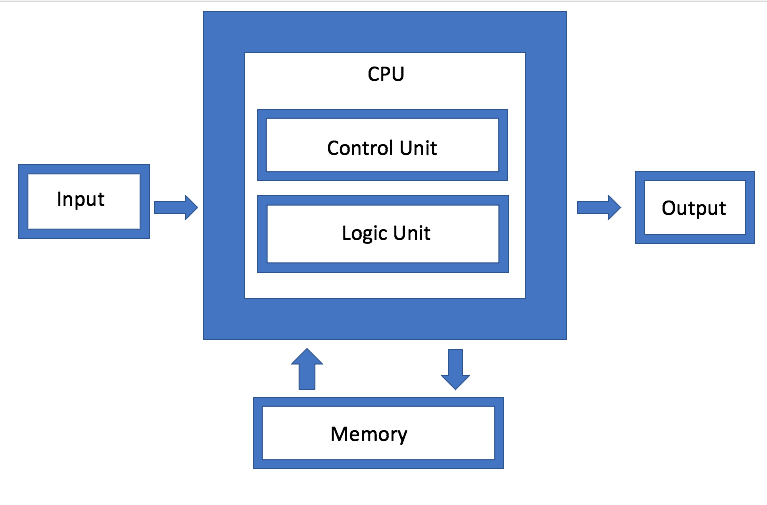
Even more important are the conclusions drawn by John von Neumann while advising on the development of ENIAC. He developed a logical diagram describing how an electronic computing machine should work, now known as the “von Neumann architecture.” EDVAC and all computers after it were built according to this diagram.
But the story of EDVAC’s development did not end there. Eckert and Mauchly founded their own company and released the first BINAC, and then in 1951, UNIVAC I (UNIVersal Automatic Computer I). Like all its predecessors, it was a room full of tubes. However, unlike anything that had been built before, it was already a production model that was sold to several large organizations in the United States. Thus began the era of commercial computers.

