

The service module designed for the Artemis IV mission is ready to be shipped to the United States. This is stated in a press release published on the Airbus website.
Orion residential module device
The Orion spacecraft consists of two main components: the crew capsule and the service module. Lockheed Martin is responsible for building the crew capsule, while Airbus Defence & Space is responsible for the service module.
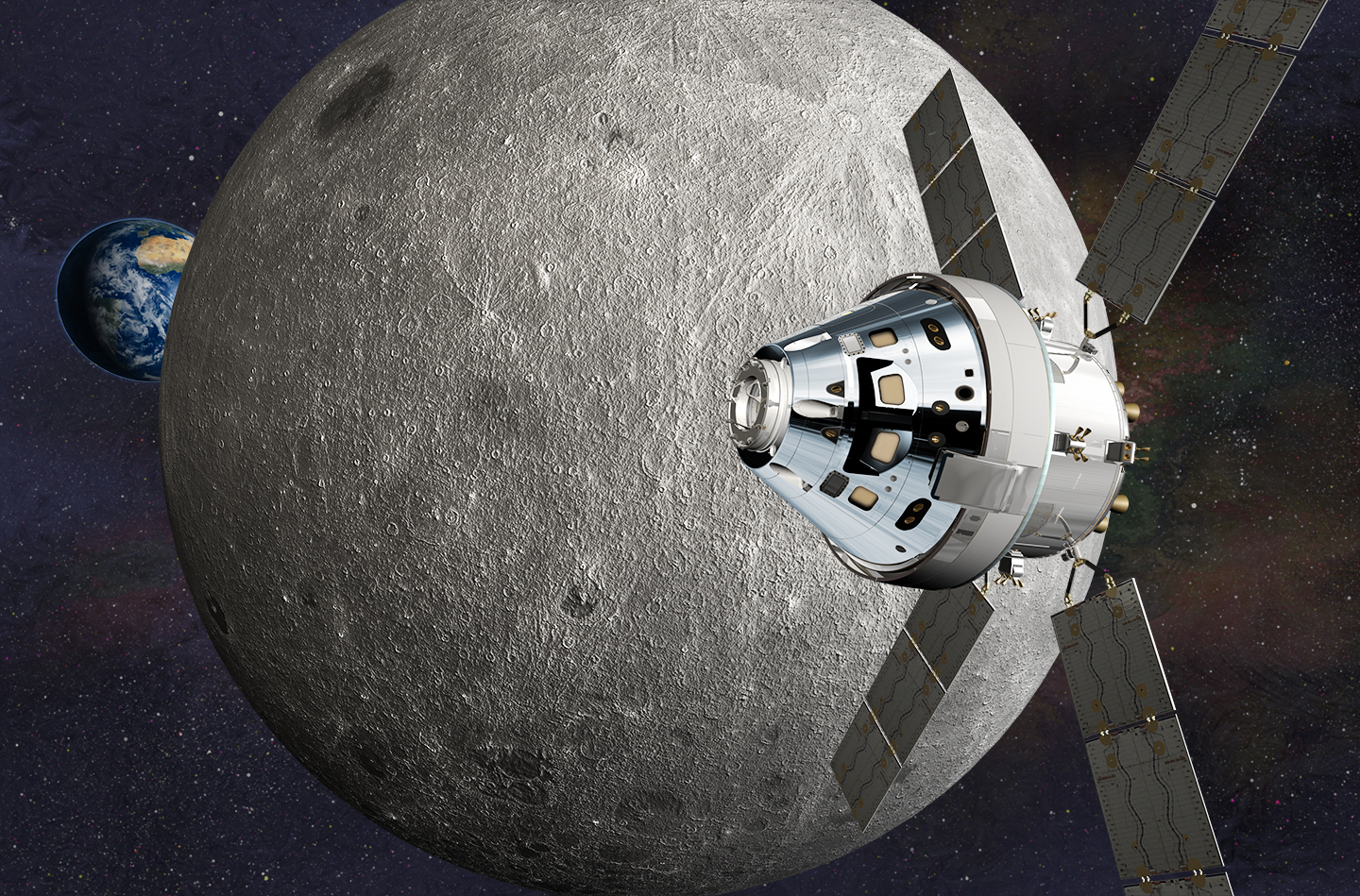
The design of the Orion service module is based on the European ATV cargo spacecraft, which was used to supply the ISS between 2008 and 2015. It is 4 m long, 4.1 m in diameter (19 m including the solar panels), and weighs about 15.4 tons when fully fueled, of which 8.6 tons is fuel. The total length of the module’s electrical wiring is 11 km.
The Orion service module carries all the necessary air and water supplies for the crew, as well as batteries and four solar panels. They will be able to generate 11.2 kW of electricity, which is enough to power two households of four people.
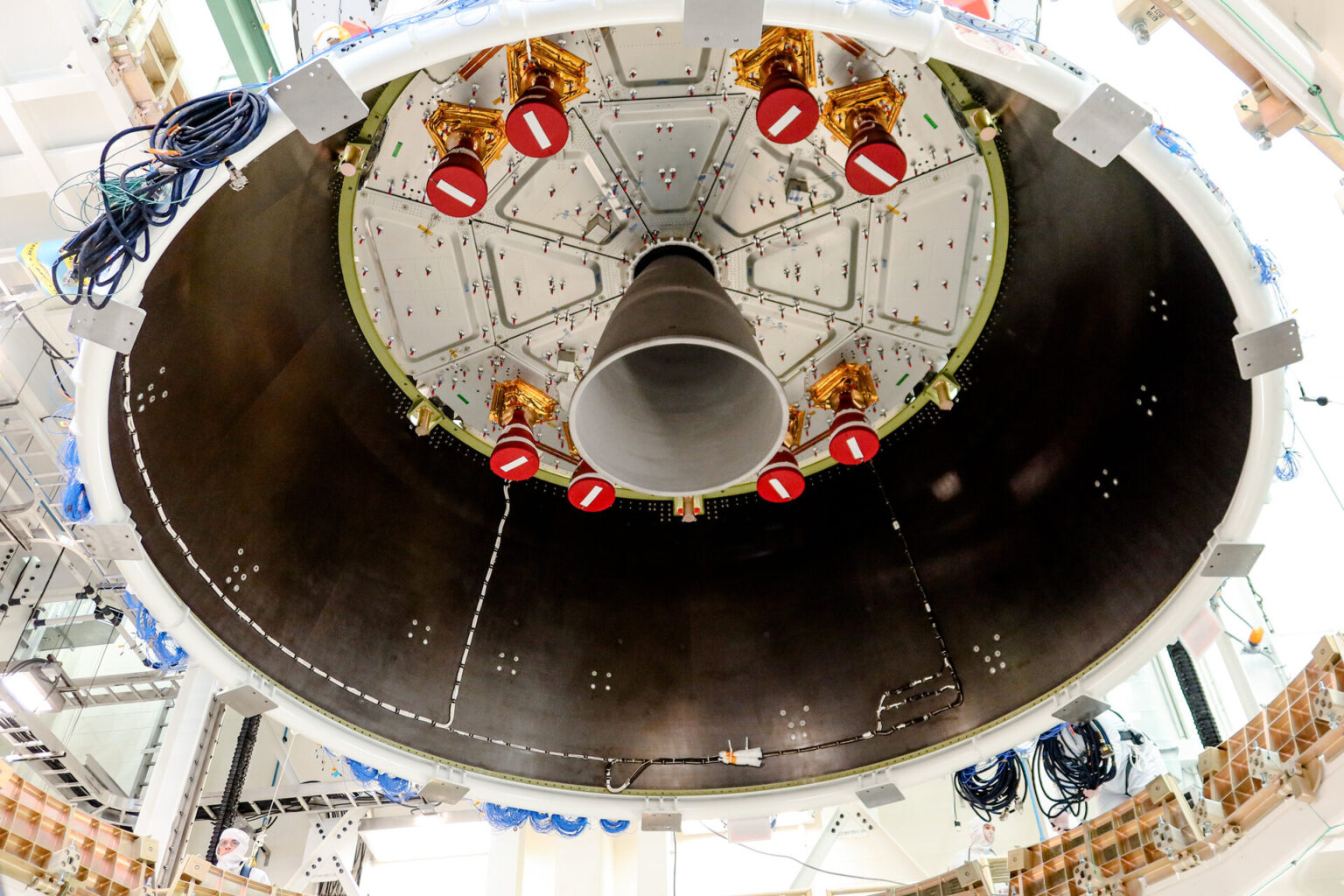
The spacecraft’s power plant is based on the AJ10-190 engine provided by NASA, which was previously used in the orbital maneuvering system of American space shuttles. It can provide Δv up to 1800 m/s. The module is also equipped with eight Aerojet R-4D-11 auxiliary engines and 24 small orientation system engines.
Artemis IV mission
The Orion service module is currently located at the Airbus factory in Germany. It will soon be transported to the Kennedy Space Center in Florida, where it will be connected to the crew capsule adapter and then to the capsule itself. NASA engineers will then begin testing the spacecraft to ensure that it can withstand interplanetary flight.
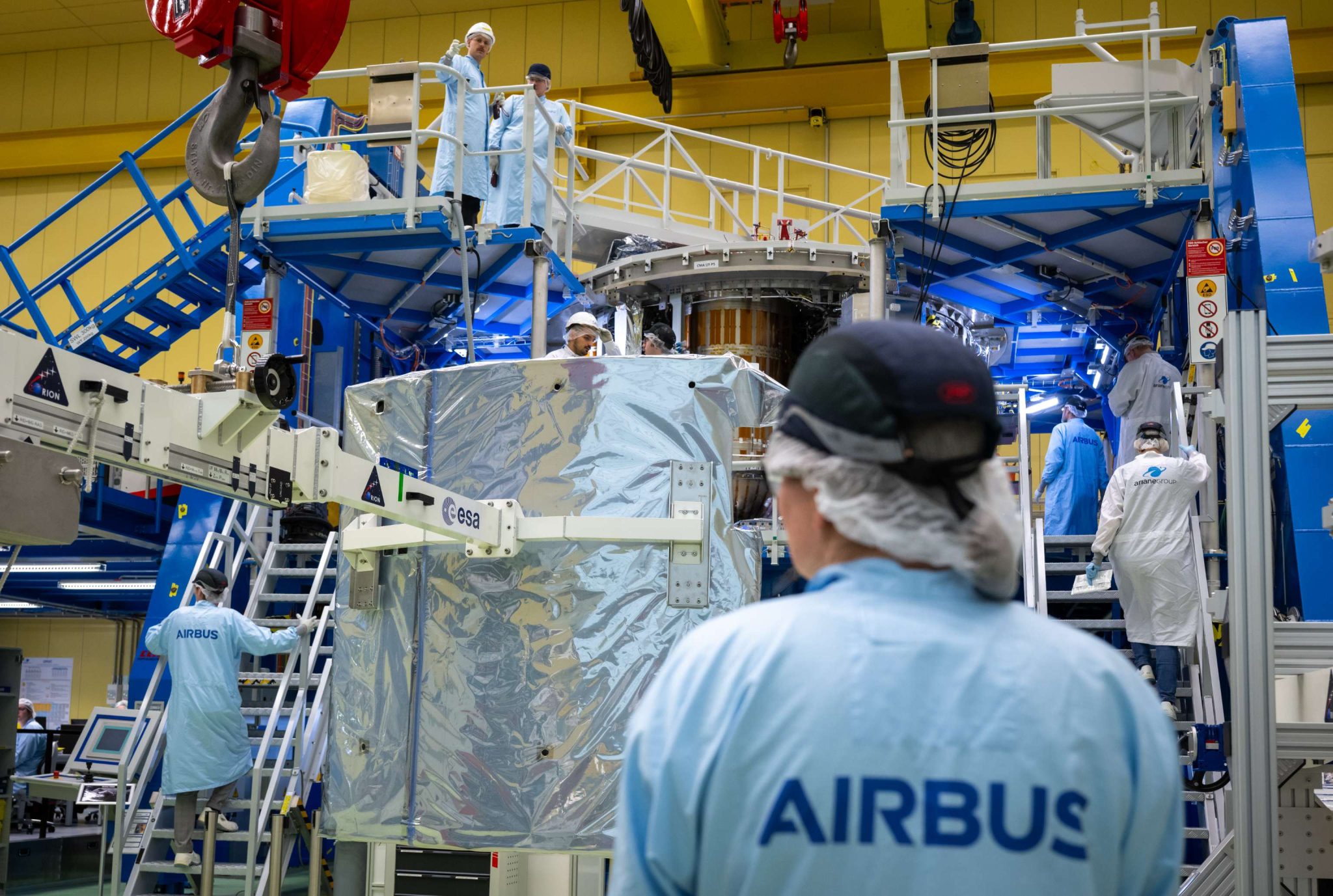
Source: Airbus
This service module will be used in the Artemis IV mission. As part of this mission, four astronauts will deliver the Lunar I-Hab international living module to the Gateway lunar orbital station, which will enable humans to stay there. The current mission plan also includes landing at the south pole of the Moon using the Starship HLS spacecraft.
For now, the Artemis IV flight is scheduled for late 2028. However, due to delays in the development of Starship HLS and the unreadiness of other elements of the program, the launch date will most likely be postponed to a later date.
Provided by Airbus

