

NASA scientists have proposed a new, unexpected source of energy that could sustain life in the deep ocean of Jupiter’s moon Europa. It may not be deep heat, but radioactive elements seeping from the ocean floor.
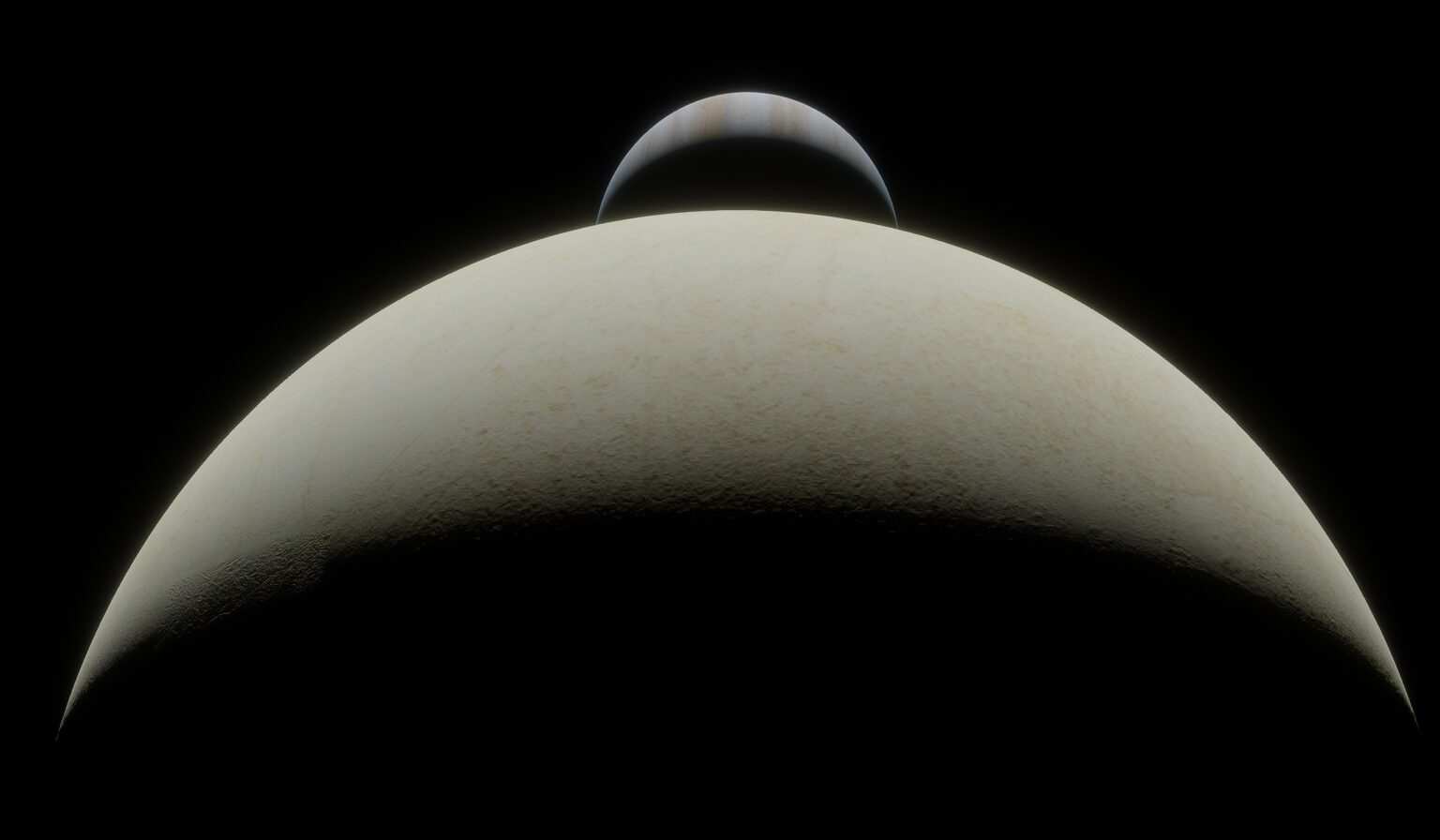
A revolutionary model was presented at the annual conference of the American Geophysical Union. It suggests that the key to life may lie not in the moon’s interior, but in the rocks at the bottom of its ocean. Radioactive decay of uranium and potassium in these rocks could provide the energy necessary for biology.
The scale of the possible biosphere

Researchers were inspired by terrestrial ecosystems in deep-sea hydrothermal vents, where microorganisms exist thanks to chemosynthesis – the process of obtaining energy from chemical reactions. A similar process may occur on Europa. Radioactive decay splits water molecules into hydrogen and oxygen ions, which can become “fuel” for microbes.
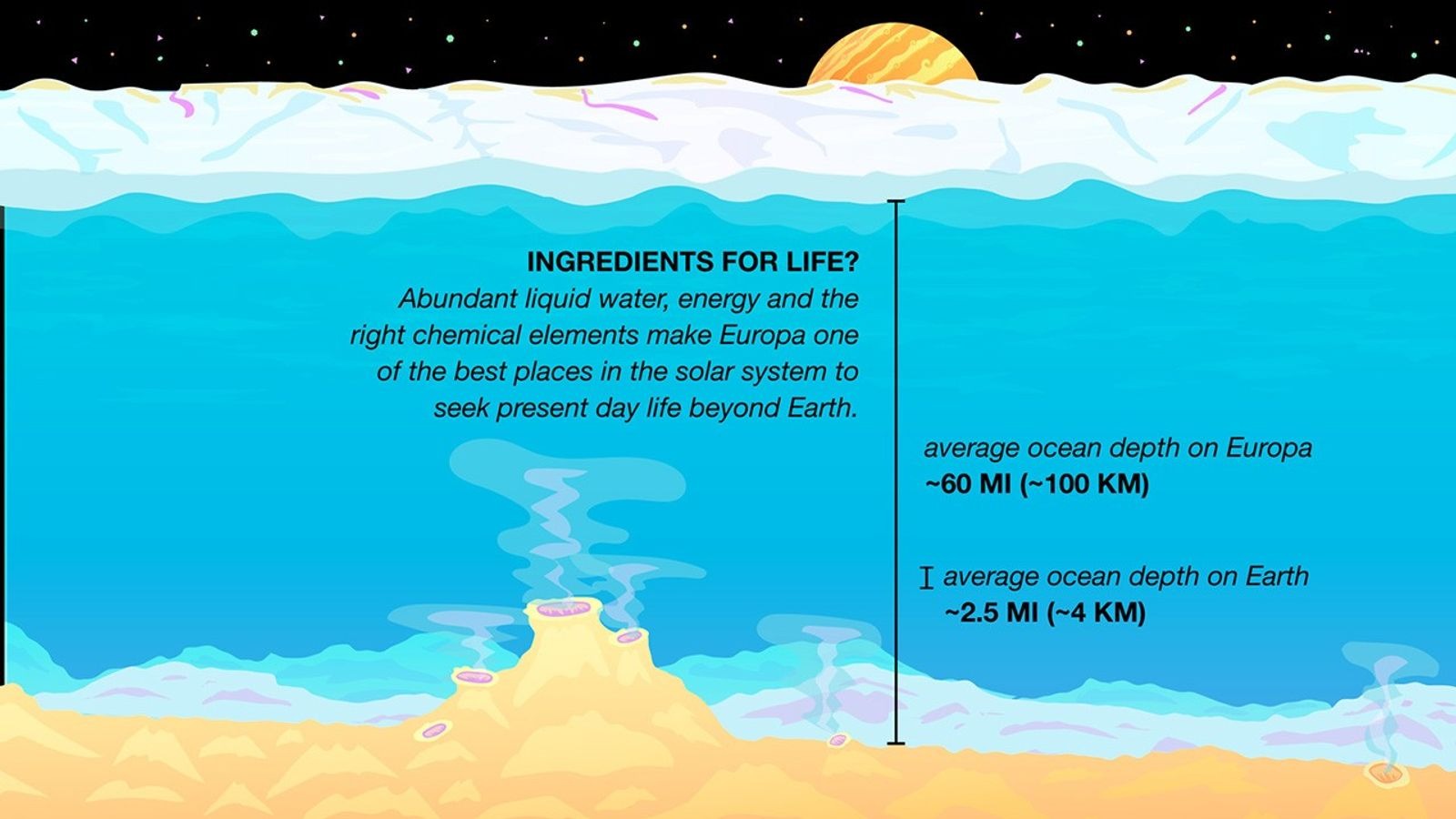
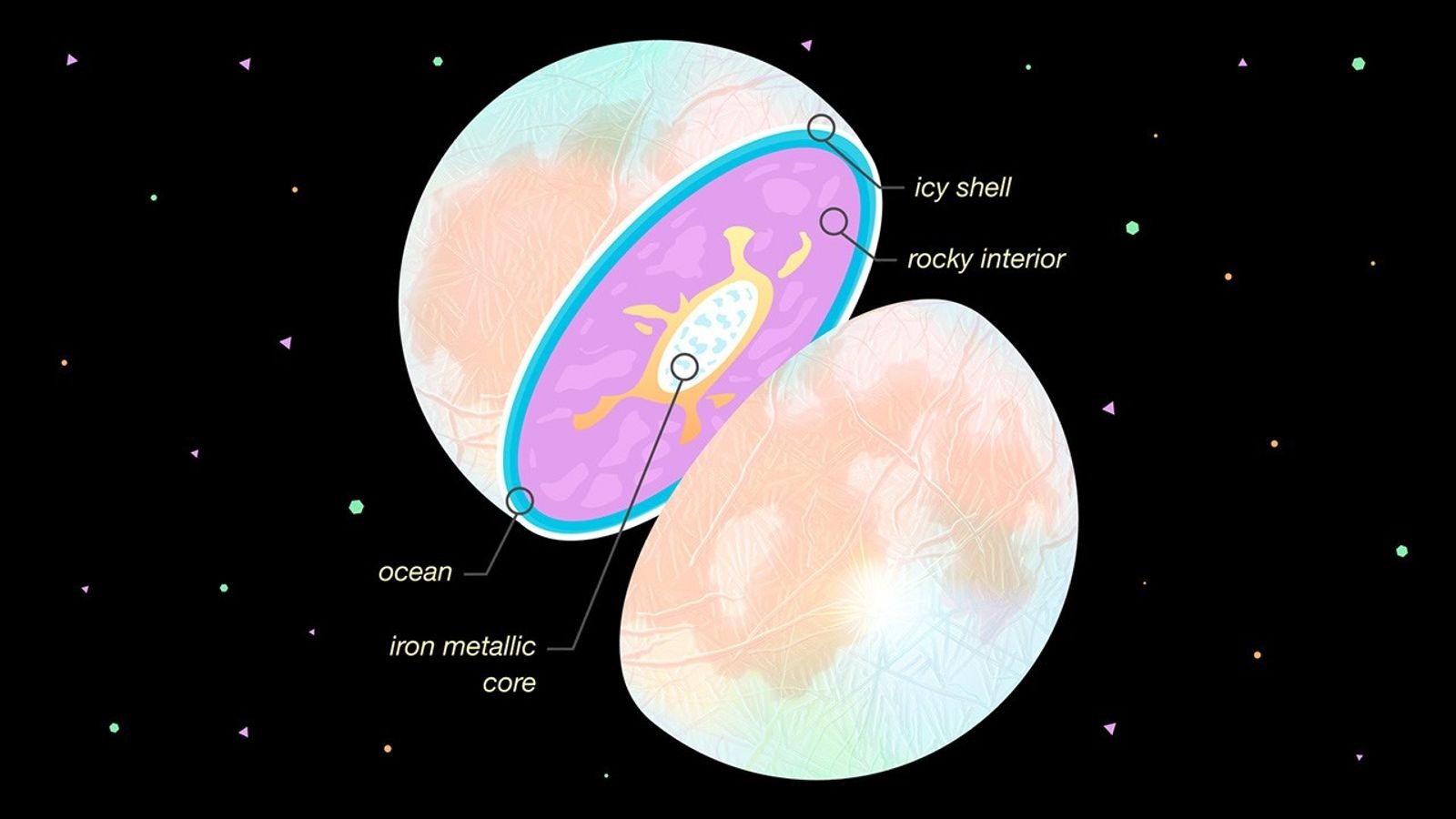
A team led by planetary scientist Ngoc Tuan Truong has modeled the concentration of radioactive isotopes in Europa’s ocean. Calculations showed that the energy released is sufficient to sustain biomass equivalent to a thousand blue whales. This discovery is particularly important in light of new data on Europa’s thick ice crust, which may insulate the ocean from the heat of the core.
Checking the theory
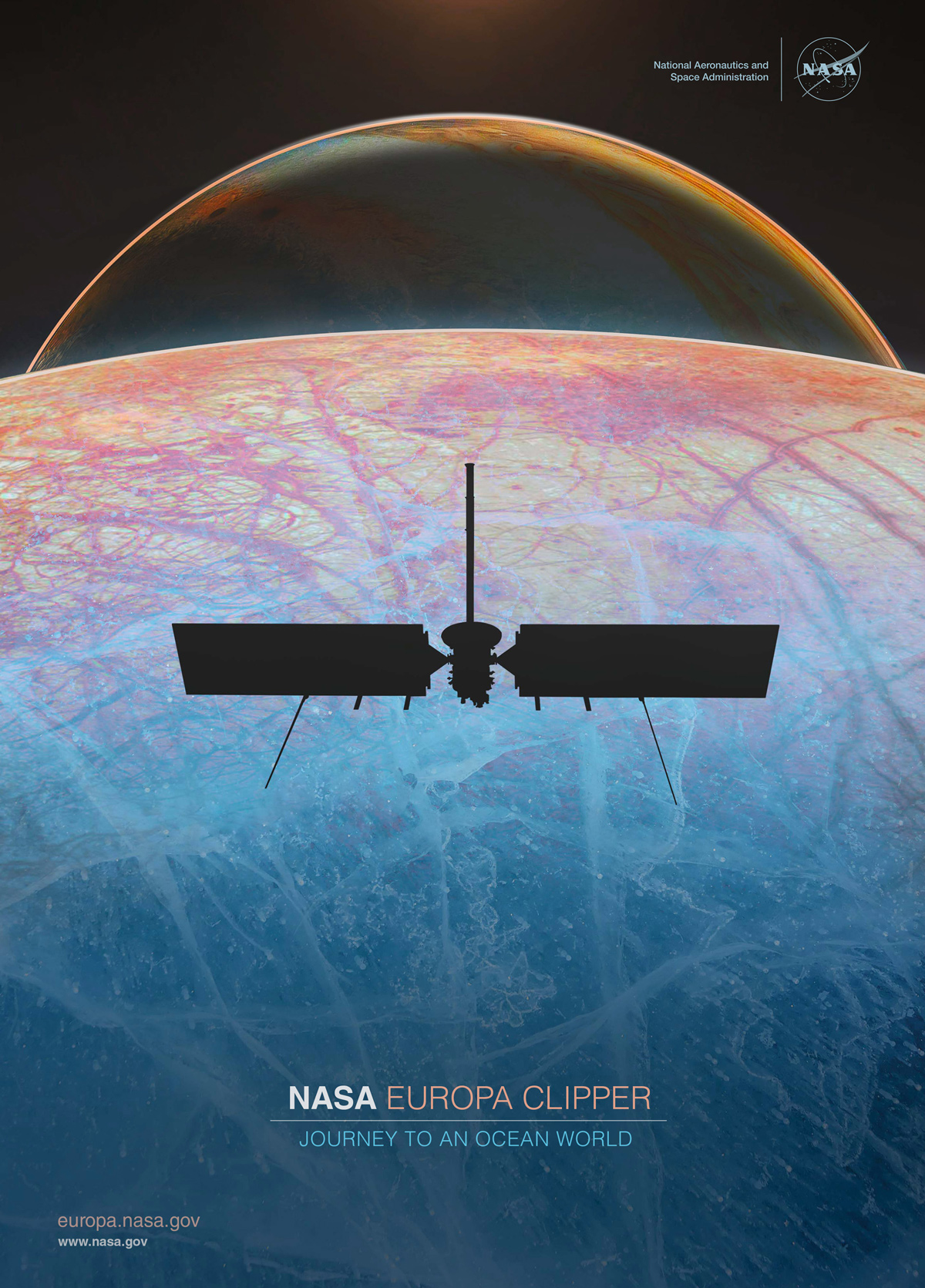
Evidence for this theory may be found by NASA’s Europa Clipper mission, which will reach Jupiter’s system in 2030. The spacecraft will study the composition of the ice and the deep processes of the moon. If the hypothesis is confirmed, Europa will be revealed as a world where life can feed on the energy of radioactive decay – a rather original scenario for the search for extraterrestrial intelligence.
Earlier, we explained whether Europa will be habitable when the Sun becomes old and red.
Provided by science.org

