

The Indian PSLV rocket failed to reach orbit due to a malfunction in the third stage. This failure was the first space accident of 2026.
The PSLV-C62 mission encountered an anomaly during end of the PS3 stage. A detailed analysis has been initiated.
— ISRO (@isro) January 12, 2026
PSLV is a medium-class launch vehicle designed to deliver payloads into sun-synchronous (polar) orbits. It has a four-stage design — the first and third stages use solid fuel, while the second and fourth stages use liquid fuel. Solid-fuel boosters are also installed on the rocket.
The PSLV launch took place on January 12. The main objective of the mission was to place the EOS-N1 military satellite into orbit. The rocket also carried more than a dozen additional payloads provided by startups and scientific institutions from various countries.
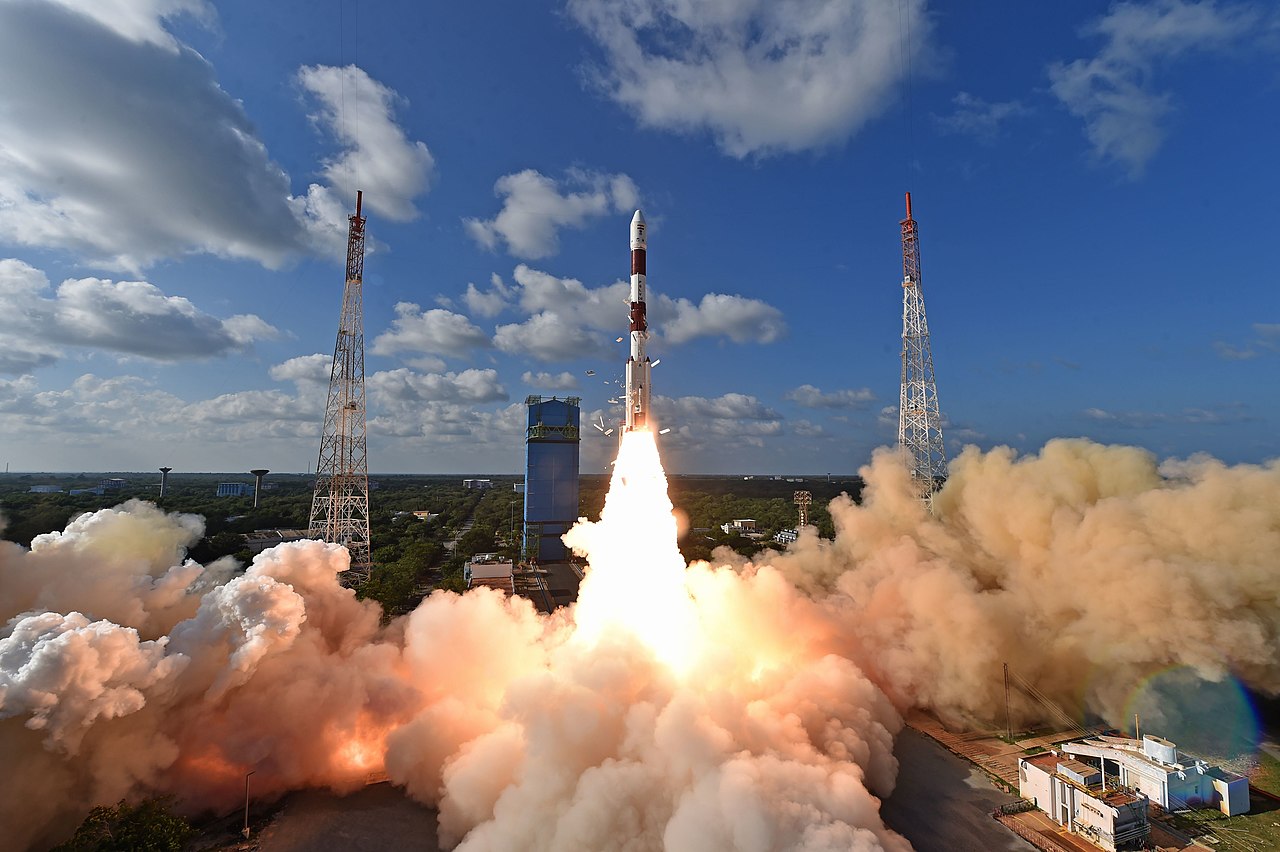
Initially, the rocket’s flight proceeded normally. The boosters separated successfully, followed by the first two stages. When the PSLV was already quite close to completing its orbital insertion maneuver, its third stage malfunctioned. According to telemetry data, the rocket spun out of control, after which the engine shut down. At that moment, the PSLV was moving at a speed of 5.8 km/s, which was insufficient for it to reach orbit.
The accident was a major blow to the Indian Space Research Organization (ISRO). The fact is that the previous mission of the carrier in 2025 also ended in an accident, which, as this time, occurred during the third stage. It was caused by a drop in pressure in the engine chamber. The second accident in a row suggests that ISRO has not managed to eliminate its root causes, which means that something similar could happen again in the future.
For more details on how many space launches in 2025 were successful and how many ended in accidents, you can read our article.

