

The year 2025 continued the tradition of recent years, once again breaking the record for the number of space launches. Over the past 12 months, humanity has carried out 329 orbital launches. For comparison, in 2024, this figure was 259 launches, and in 2023, it was 223 launches.
New SpaceX records
As in the previous year, more than half of all launches were carried out by SpaceX. The rate of increase in its space activity is truly remarkable. In 2022, the company recorded 61 orbital missions, in 2023 – 98 missions, in 2024 – 134 missions, and in 2025 – 165 missions.

Source: Andrew McCarthy
All of them are Falcon 9 rockets, which can rightly be called the main workhorse of modern space exploration. SpaceX did not recover the first stage in only three missions in 2025. In two cases, this was planned (the rocket was launched in a disposable configuration), and only one stage was lost due to an accident.
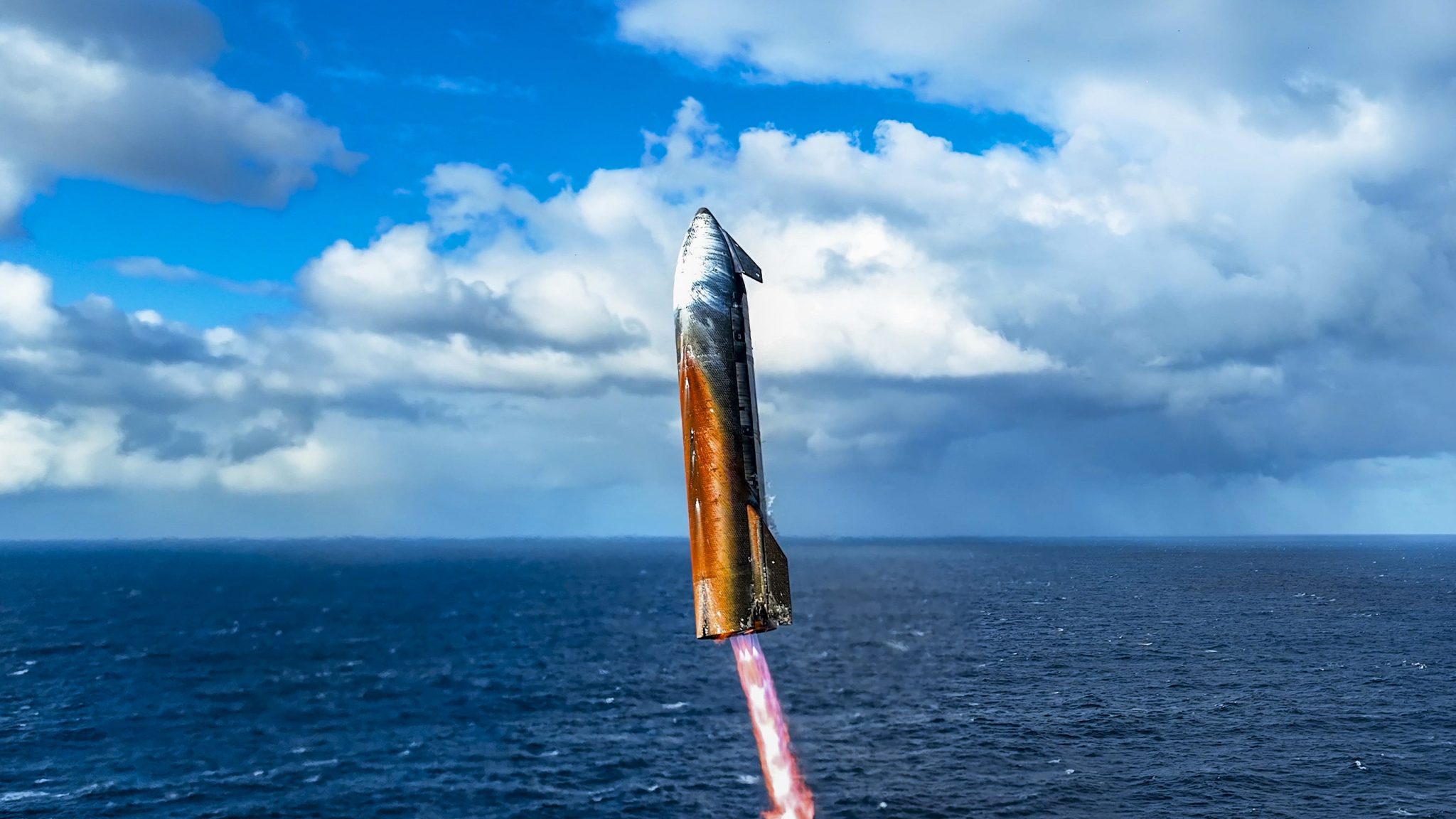
During 2025, the company also carried out five Starship launches. The situation with the classification of these launches is a little more complicated. Formally, all ships flew along a suborbital trajectory, and their speed was slightly below the first cosmic velocity. This was done with the expectation that in the event of an accident, the ship would fall into a selected area of the Indian Ocean and cause no damage. At the same time, SpaceX had every opportunity to launch the ships into full orbit around the Earth. So, depending on your preference, their flights can be classified as either orbital or suborbital.
In any case, of the five Starship flights that took place in 2025, two ended in explosions during takeoff, one spacecraft was lost during reentry, and two others managed to complete their flight programs and splash down.
As for all other American companies and launch operators, they collectively recorded 28 orbital missions. Of these, 18 were carried out by Rocket Lab, 6 by ULA, 2 by Blue Origin, 1 by Northrop Grumman, and 1 by Firefly Aerospace.
China and other countries
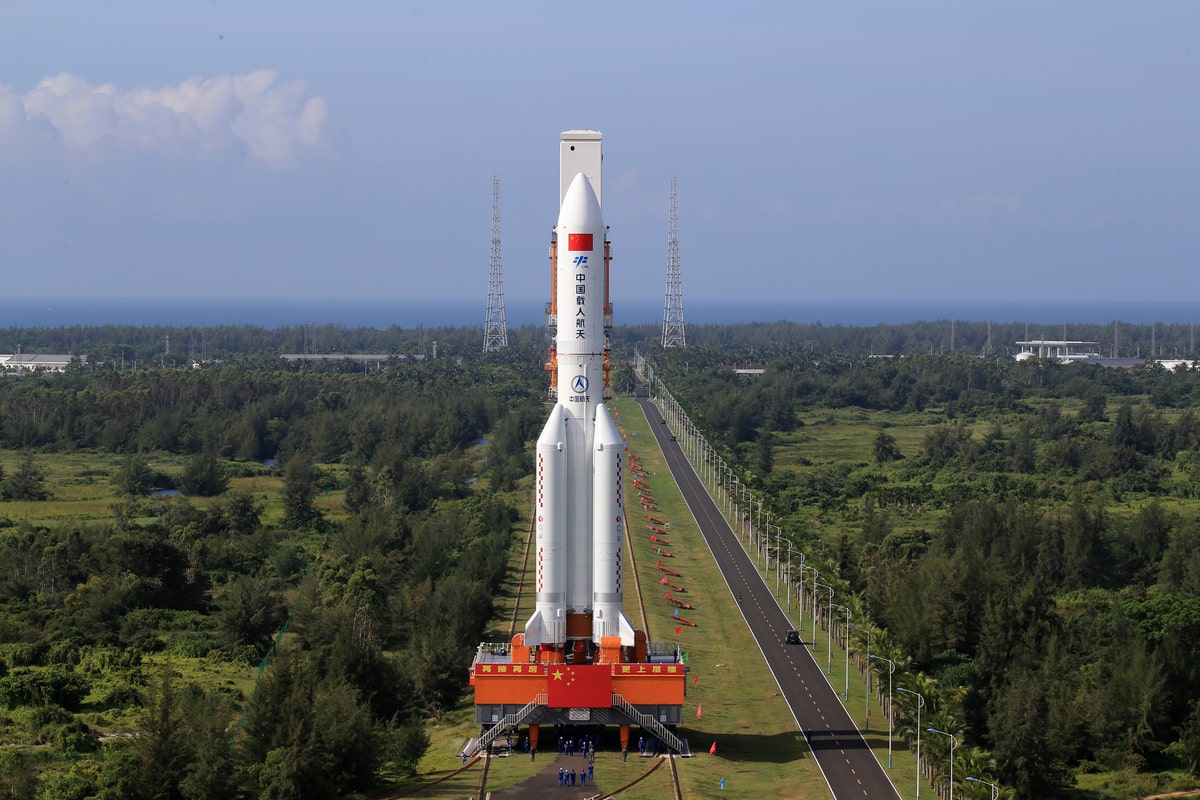
In 2025, China also continued the trend of breaking its national space records. While last year the PRC carried out 68 launches, in 2025 it carried out 93. About three-quarters of the missions were carried out using various rockets from the Long March (rocket family), which are operated by the state launch operator CASC. At the same time, it should be noted that the contribution of private Chinese companies to national space statistics is becoming more and more noticeable every year.
As for other countries, Russia carried out 17 orbital launches, India – 5, Japan – 4, Iran, Israel, South Korea, and Australia – 1 each. As for Europe, seven launches were carried out under the auspices of launch operator Arianespace, and another mission was private and carried out by German startup Isar Aerospace.
Space accidents in 2025
The increase in launch activity has naturally led to an increase in the number of accidents. Excluding three unsuccessful Starship tests of an experimental nature, nine rockets failed to reach orbit. Most of these failures were attributed to private companies.
The maiden launch of the Spectrum rocket, created by Isar Aerospace, which we mentioned earlier, failed. The Australian startup Gilmour Space also suffered a setback. The first flight of its Eris rocket also ended prematurely. A similar situation arose during the maiden launch of the South Korean HANBIT-NANO rocket, built by Innospace.
The launches of the American Electron rocket (Firefly Aerospace) and the Chinese Kuaizhou (ExPace), Zhuque (Landspace), and Ceres (Galactic Energy) rockets also failed. As for “state” launches, the launches of the Indian PSLV and Japanese H3 rockets were unsuccessful.
Long-term trends
Overall, 2025 once again confirmed that the increase in launch activity is a long-term trend. SpaceX is the undisputed leader here, followed by China. Rocket Lab’s successes are also worth mentioning. Yes, the company launches an order of magnitude fewer rockets than SpaceX. But that’s still more than any other country in the world except China.
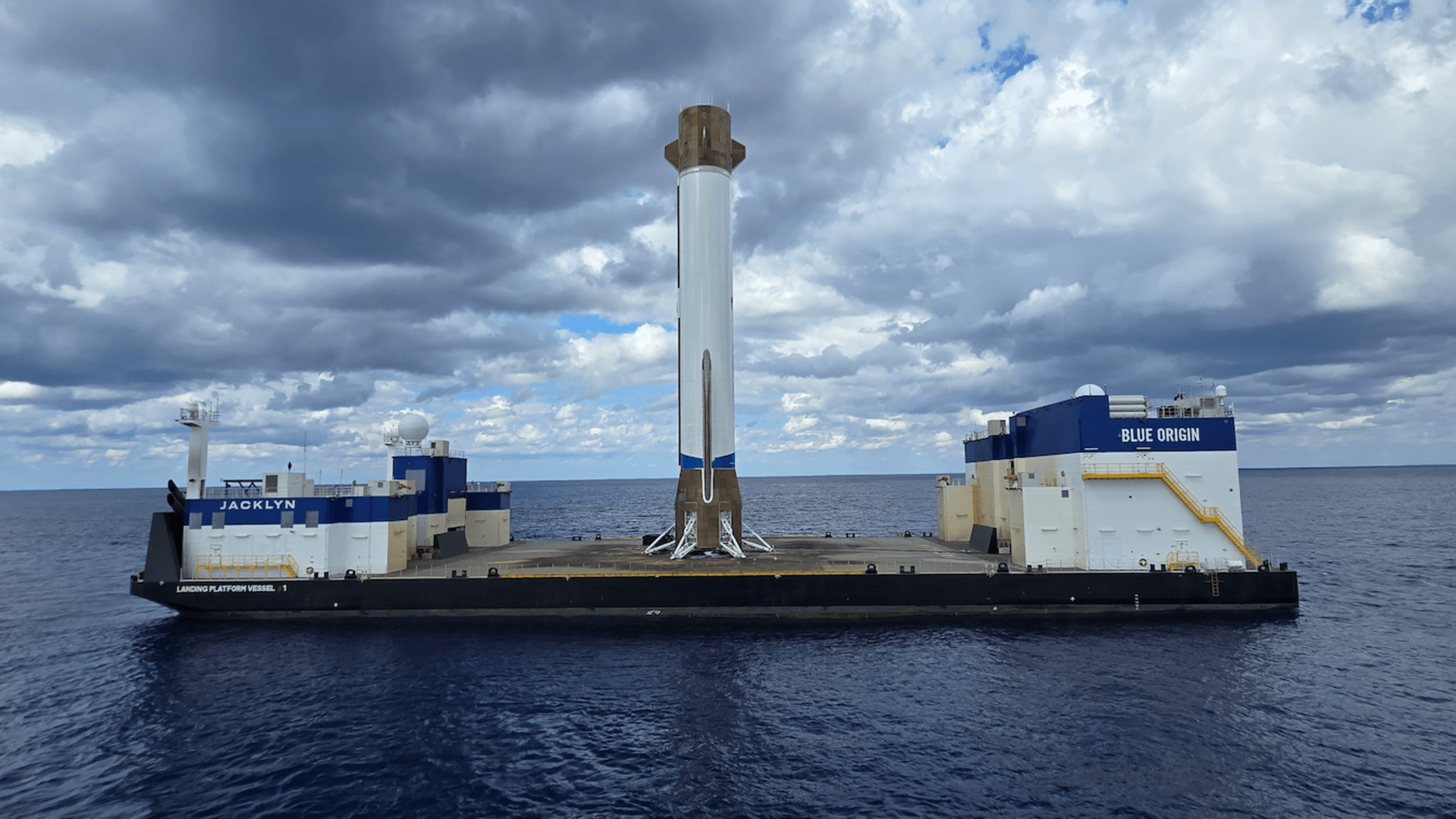
Another trend is reusability. In 2025, we finally saw other countries attempt to replicate SpaceX’s decade-old achievement. Blue Origin achieved the greatest success here, landing New Glenn on its second attempt. However, the Chinese company Landspace failed to recover the stage of its Zhuque-3 rocket. Similarly, the effort to land the Long March 12A stage also failed. However, few expected it to succeed on the first try.
In 2026, these two trends are expected to continue. We will see both an overall increase in the number of launches and more and more attempts by various companies to put reusable rockets into service.
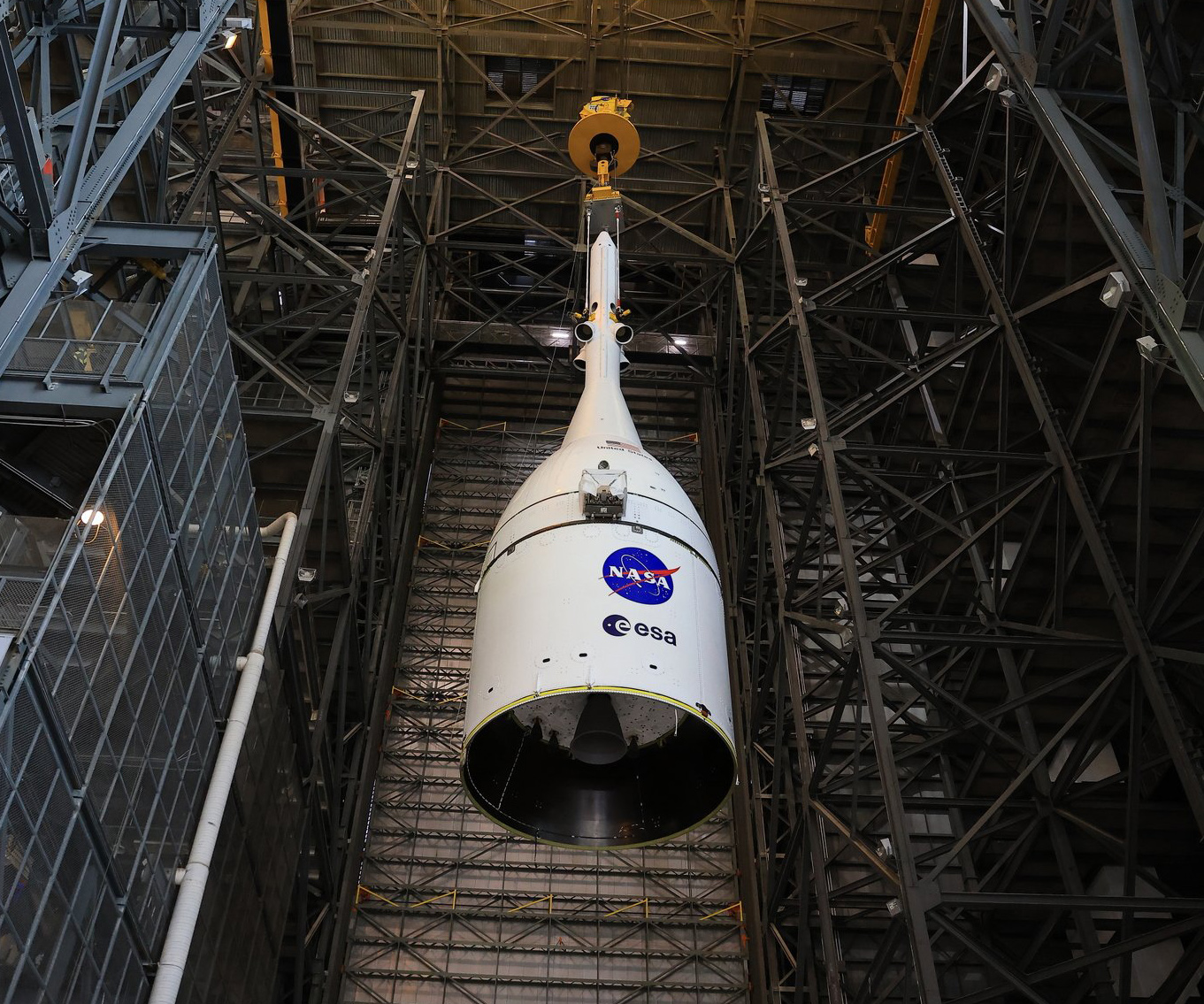
Special attention will be focused on the Moon. As part of the Artemis II mission, NASA plans to send the Orion spacecraft with four astronauts to our planet’s satellite. They will fly around the Moon and then return to Earth. The mission could take place as early as February 2026.
As for SpaceX, the company will begin testing a new modification of Starship. With it, it hopes to try orbital refueling and landing on land for the first time – key elements necessary for landing people on the Moon. Thus, 2026 promises to be an exciting year in the space sector, and we will be following developments closely.

