

Next year, we will witness a landmark space event, the likes of which we have not seen in over 50 years. We are discussing the Artemis II mission, in which four astronauts aboard the Orion spacecraft will depart Earth’s vicinity and orbit the Moon.
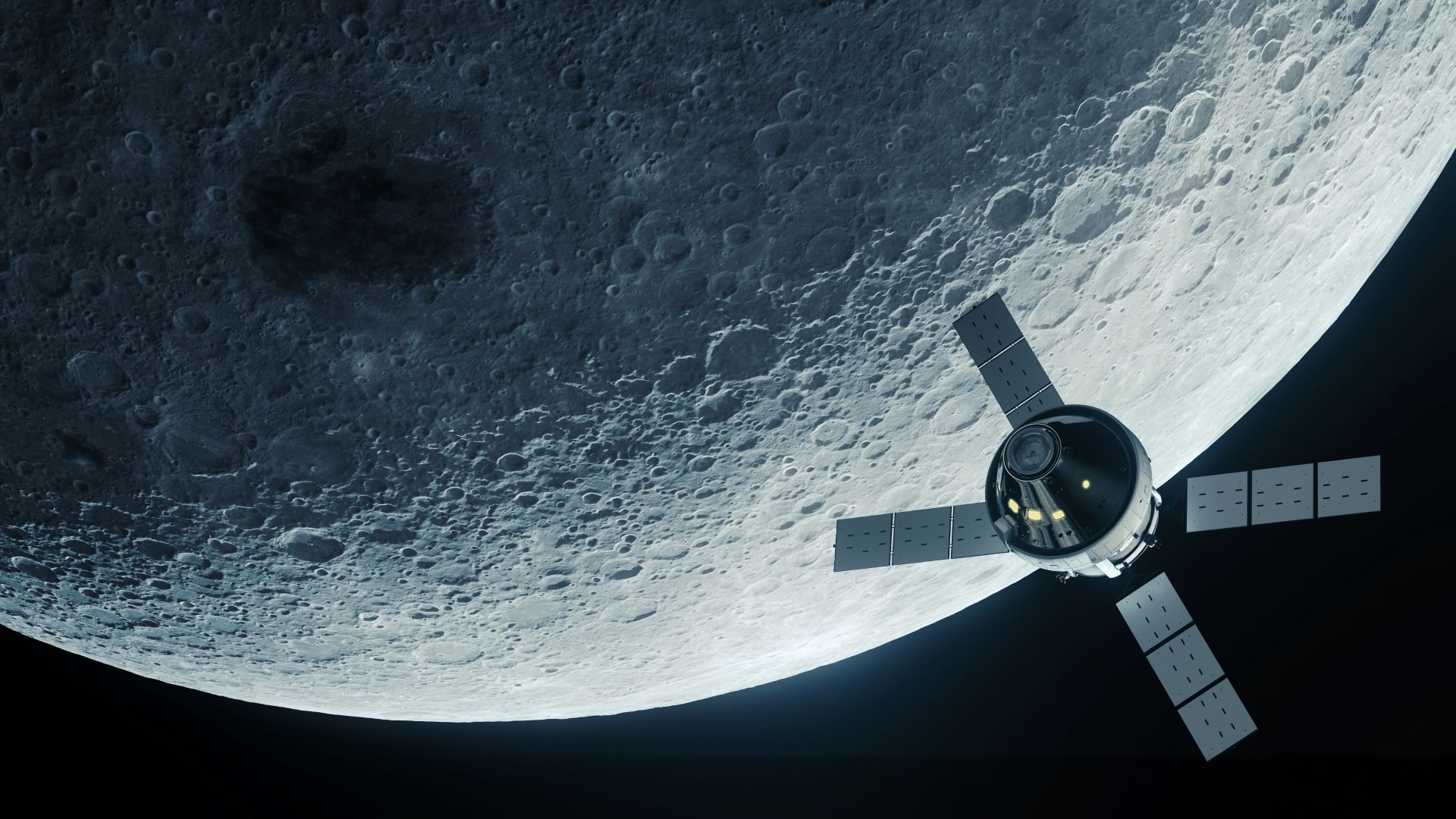
We tell you everything that is known about this mission: the crew, the flight plan, the equipment used, and whether the shutdown will affect its launch date.
Artemis II crew
Let’s start with the Artemis II crew. It consists of four astronauts, three of whom represent NASA. They are Gregory Weisman (commander), Victor Glover (pilot), and Christina Koch (flight specialist). Each of them has completed one flight to the ISS.

The fourth crew member is astronaut Jeremy Hansen (flight specialist), representing the Canadian Space Agency. Artemis II will be his first flight into space. Hansen was assigned to the crew thanks to Canada’s contribution to the Canadarm3 robotic arm, which is planned to be installed on the Gateway lunar orbital station.
All crew members have already undergone a series of training sessions in spacesuits inside the Orion spacecraft. They practiced the actions they would perform while in space and simulated several possible scenarios that could arise during the flight.
Artemis II technology
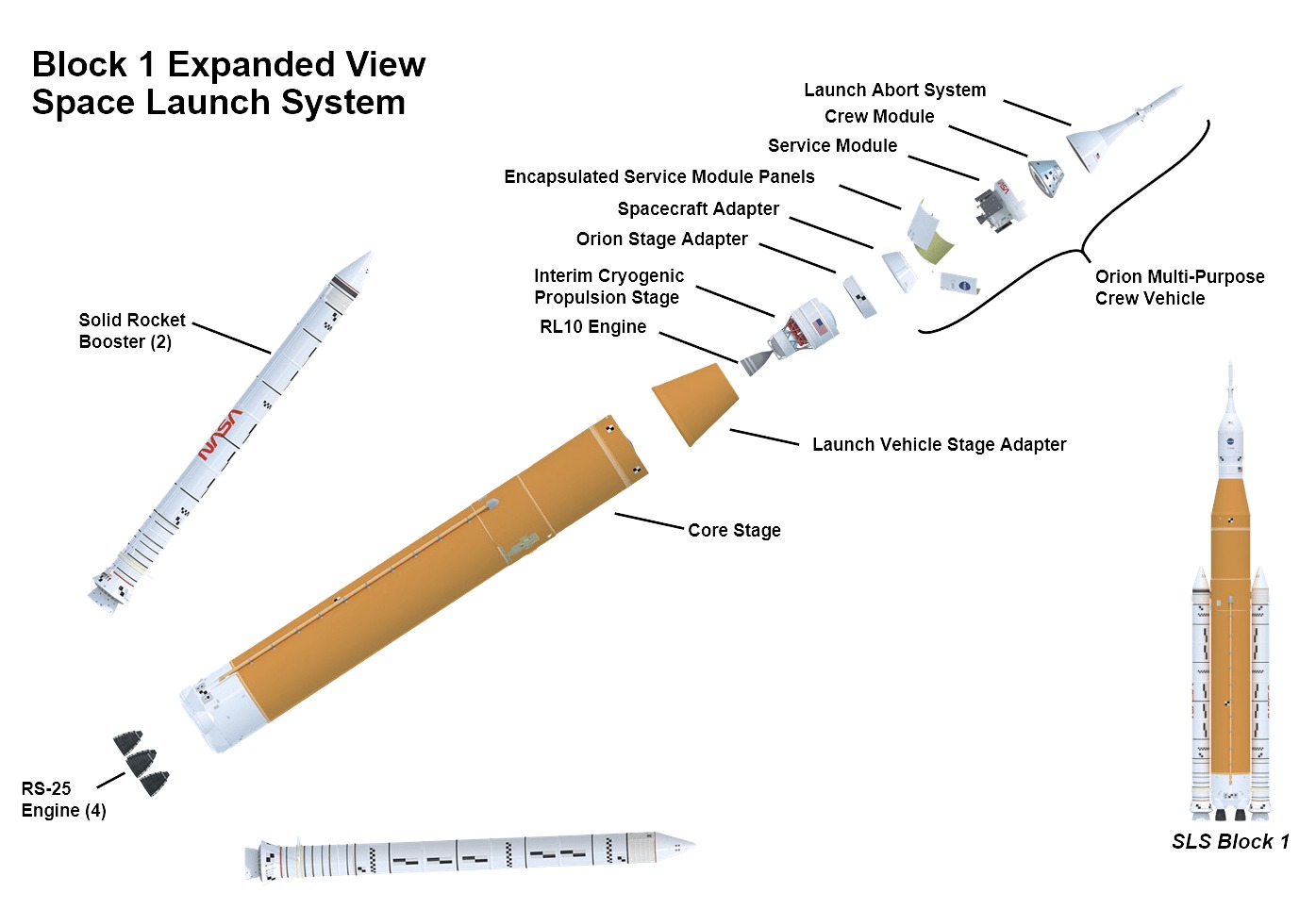
What will the astronauts use to travel to the Moon? The launch will be carried out using the SLS, NASA’s largest rocket since the Apollo program. It is 98 meters tall. The launch vehicle consists of two solid-fuel side boosters and two stages.
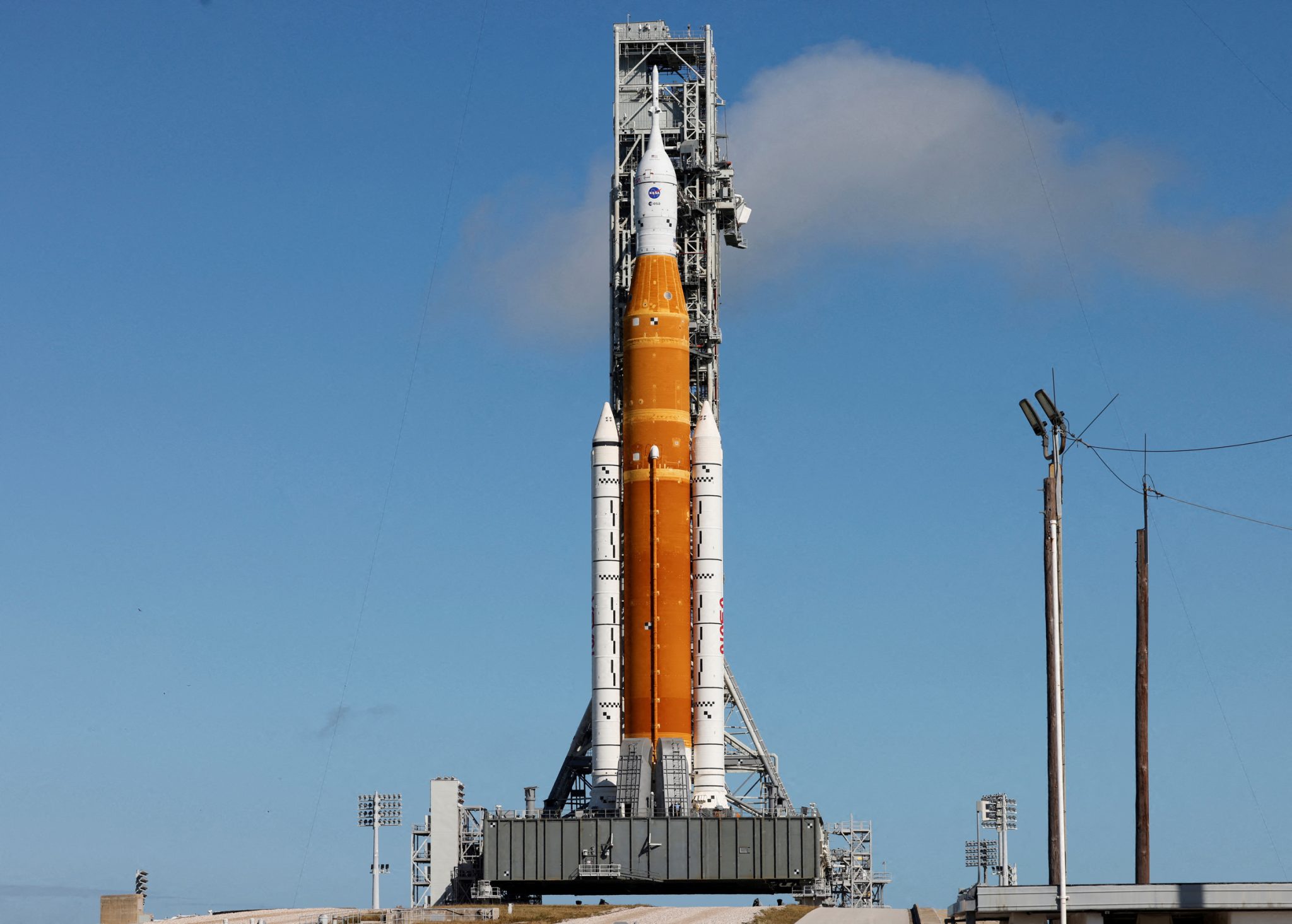
The SLS side boosters were built by Northrop Grumman and are a modified version of the units that were once installed on the shuttles. They differ from them in that they have an additional segment.
The first (central) stage of the SLS was developed by Boeing. It is equipped with four modified RS-25 engines running on a fuel mixture of liquid hydrogen and liquid oxygen. These power units were also used on the space shuttles. The second (upper) stage of the SLS is the DCSS (Delta Cryogenic Second Stage) cryogenic unit, which was previously used on Delta family rockets.
In total, the SLS rocket can deliver 95 tons of cargo to low Earth orbit (LEO) and up to 27 tons of cargo to a flight path to the Moon.
As for Orion, it was “inherited” by Artemis from the Constellation program, which was shut down in the 2000s. The spacecraft consists of a living module built by Lockheed Martin and a service compartment built by Airbus Defence and Space.
The Orion living module weighs 10.4 tons. It is designed for a crew of four astronauts. The Orion service module is based on the unmanned ATV spacecraft, which once supplied the ISS. It carries all the necessary air and water supplies for the crew, as well as batteries and four photovoltaic panels designed to generate electricity. It is 4 meters long, 4.1 meters in diameter (19 meters including the solar panels), and weighs about 15 tons when fueled, of which about 9 tons is fuel for the onboard engines.
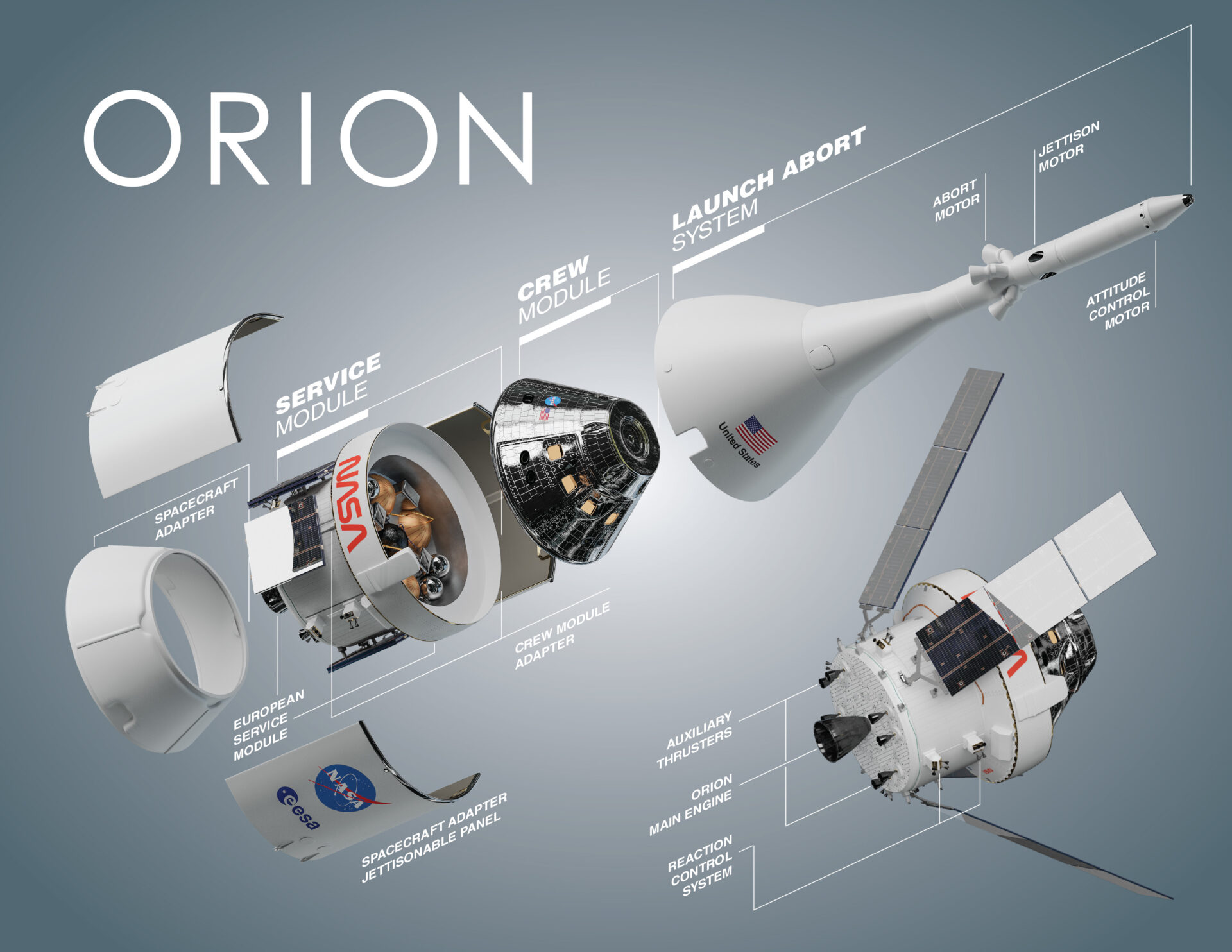
The power plant of the service module is based on the AJ10-190 engine, previously used in the shuttle’s orbital maneuvering system. It can provide Δv up to 1800 m/s. It will also be equipped with eight Aerojet R-4D-11 auxiliary engines and 24 small orientation system engines.
Orion is equipped with an emergency rescue system in the form of a solid-fuel rocket installed in its nose section. In the event of an accident, it must “pull out” the spacecraft and take it away from the dying carrier.
Artemis II Flight Plan
The Artemis II flight plan is as follows. The SLS will launch Orion into an elongated orbit around Earth. The spacecraft will remain in this orbit for about a day, giving the astronauts an opportunity to check all systems. After that, Orion will perform a maneuver that will send it toward the Moon.
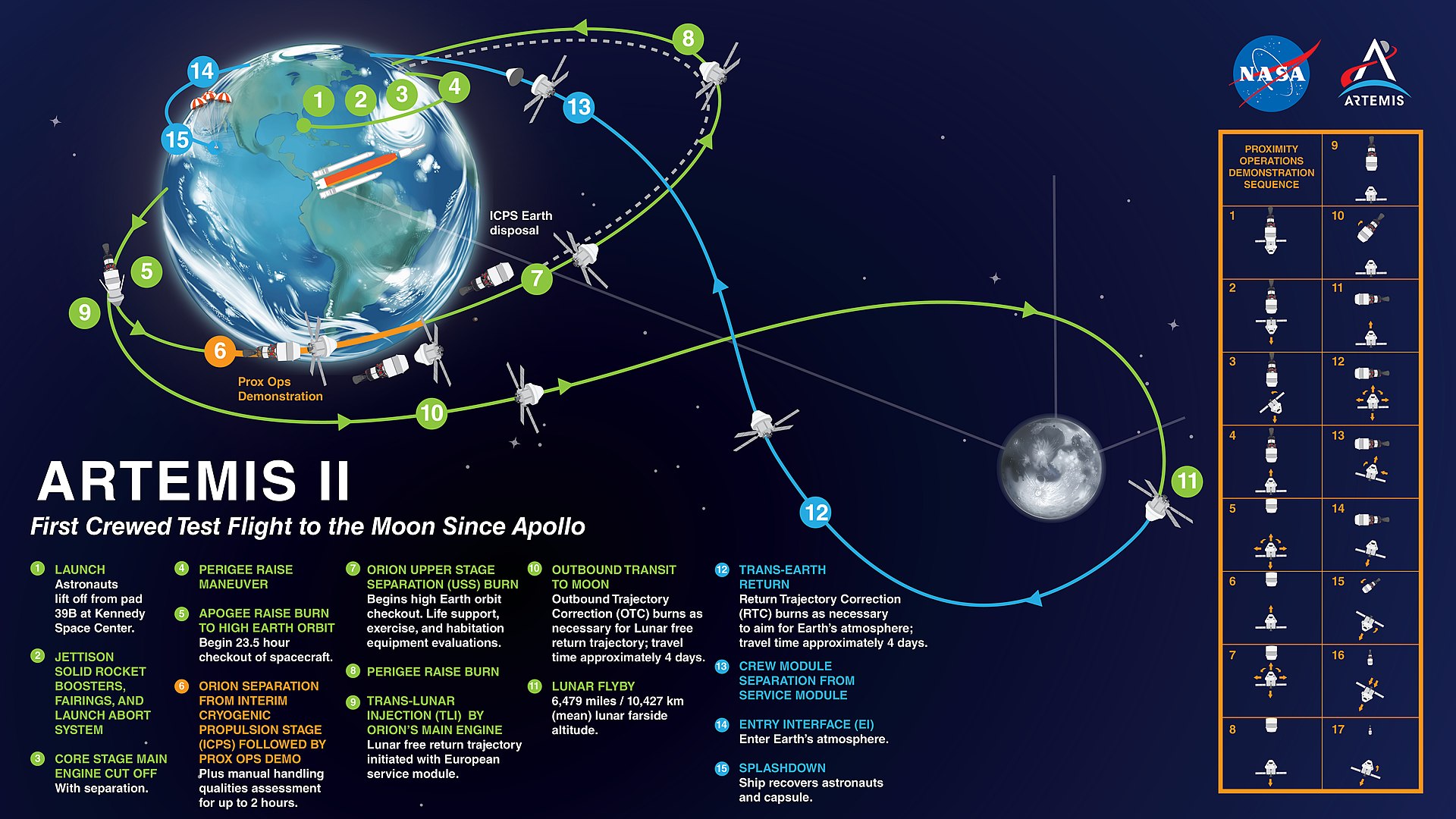
In a few days, Orion will reach the Moon. The spacecraft will fly around it (the minimum approach distance will be 7,400 km) and use the Moon’s gravity to set course back to Earth. This is done for safety reasons: even if Orion’s engine fails, the Moon’s gravity will do everything necessary to bring the astronauts home.
Ten days after launch, Orion will reach Earth. If all goes well, the capsule will enter the atmosphere and splash down in the Pacific Ocean.
Orion heat shield problem
The Artemis II flight was preceded by a series of tests of various components of the program. For example, back in 2014, NASA conducted an orbital test of the Orion habitation module, during which it completed two orbits around our planet and then made a successful landing. And in 2019, a test of the spacecraft’s emergency rescue system took place.
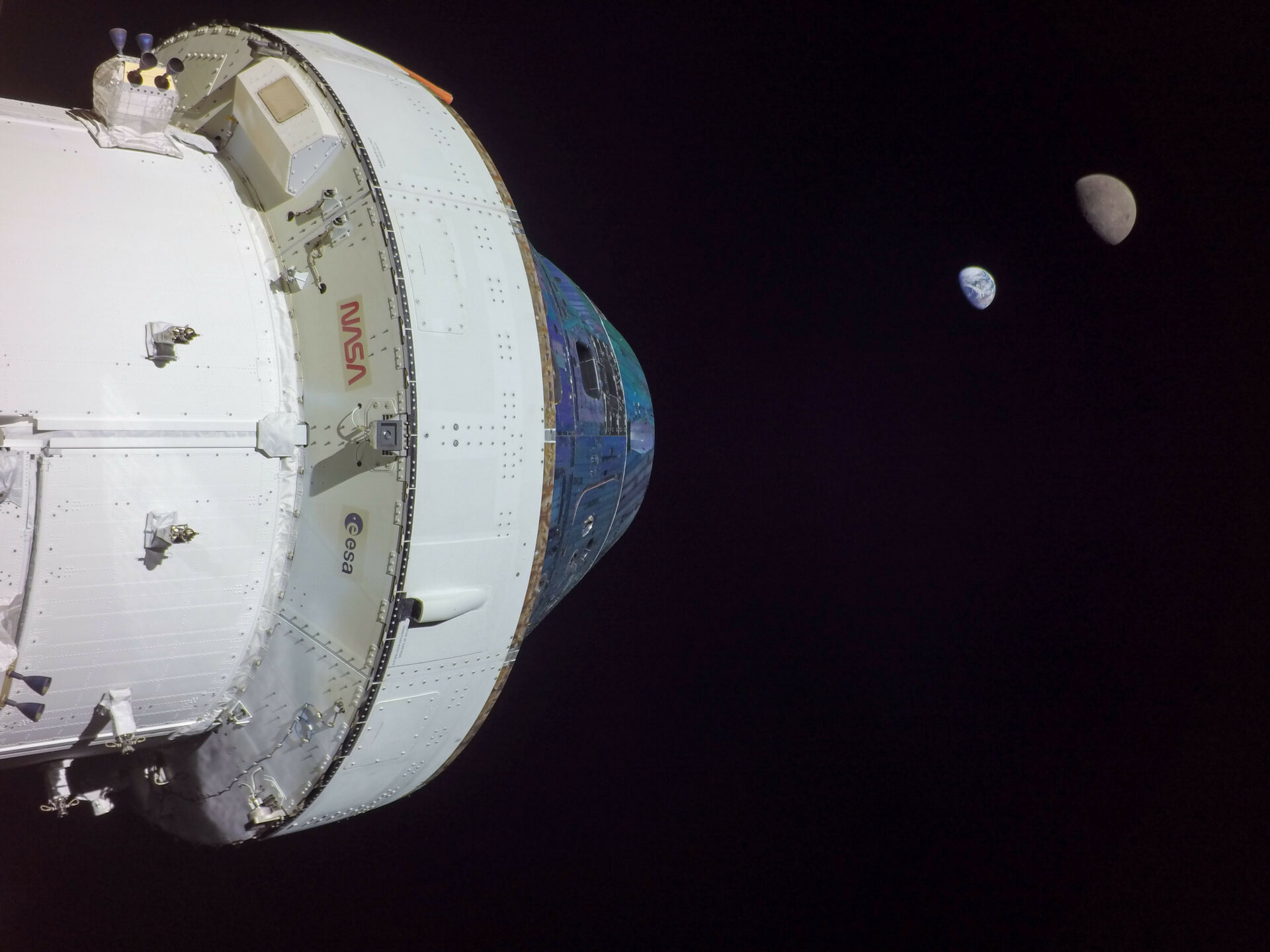
However, the main test was the Artemis I mission, launched in November 2022. During this mission, the unmanned Orion spacecraft was sent into a distant retrograde orbit around the Moon, spent several weeks there, and then returned to Earth. In total, the flight lasted 25 days.
Although the Orion capsule made a successful splashdown, inspection revealed that its heat shield had lost more material than expected. Engineers found cracks and cavities in it. A subsequent investigation determined that during re-entry, the gases formed inside the ablation layer of the heat shield’s outer material were unable to escape and dissipate as expected. This caused pressure to build up inside the shield, resulting in cracks and the charred material peeling off in several places.
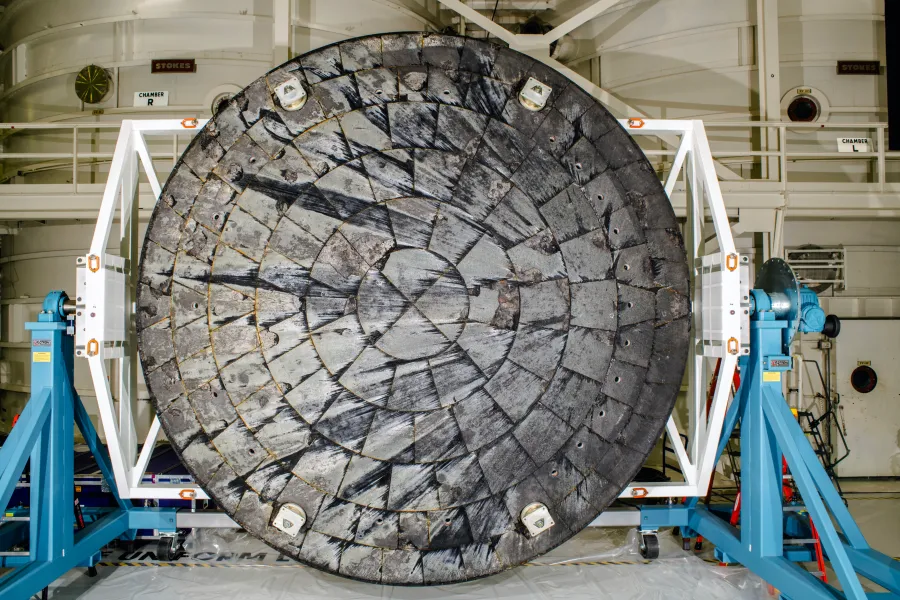
Following the investigation, NASA decided not to change the design of the Artemis II heat shield and instead slightly adjusted the profile of the spacecraft’s entry into the atmosphere to reduce the load on it. This has led to conflicting assessments from experts, but NASA insists that the shield is completely safe and poses no threat to the astronauts.
The consequences of the shutdown and the launch date of Artemis II
The launch date for Artemis II has been postponed several times. In December 2024, it was postponed once again, this time to April 2026. However, NASA’s new leadership subsequently decided to accelerate preparations for the mission, with a view to launching it in February 2026.
Source: NASA
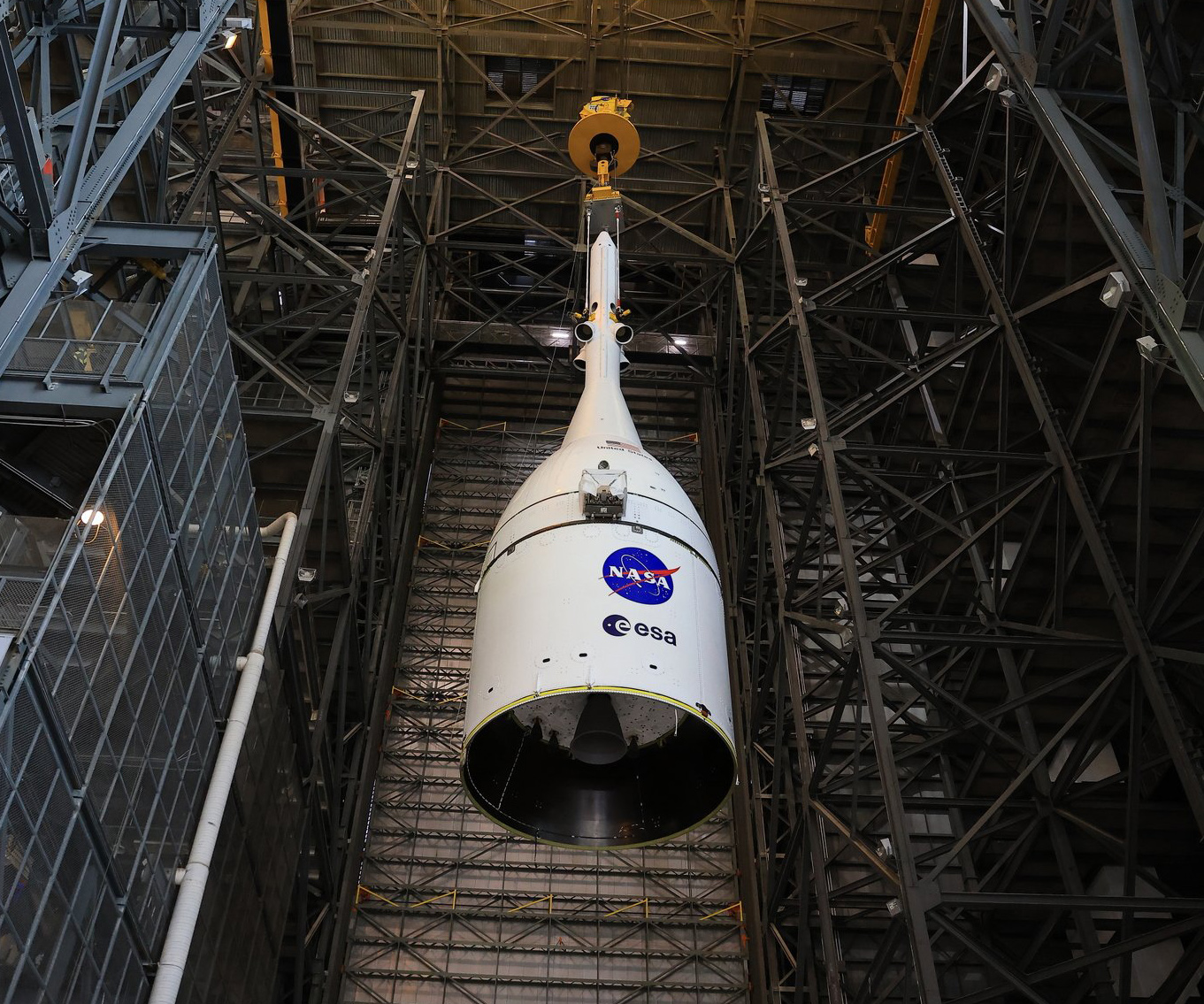
At the moment, the SLS rocket that will launch Artemis II to the Moon has already been assembled, and the Orion spacecraft has been installed on it. But not everything is going smoothly. The shutdown that began on October 1 led to the suspension of the US government, of which NASA is a part. Of course, it cannot be said that NASA has completely ceased its activities – specialists continue to work on the most important projects, including Artemis II. Nevertheless, it is obvious that financial and political instability has had a serious impact on NASA and the aerospace industry, which could not help but affect the preparation of the mission. The extent of this impact will only become clear after the crisis is over.
It should also be noted that even without a shutdown, such large and important launches are very rarely organized within the established time frame. For example, the aforementioned Artemis I mission was originally scheduled to launch in August 2022. The SLS rocket with the spacecraft was installed on the launch pad, but during refueling, a problem arose with the engine, causing the launch to be postponed. During the next refueling attempt, a hydrogen leak was detected, and the launch was postponed again. And after the engineers finally managed to repair the rocket, a powerful hurricane formed in the Atlantic Ocean, so it had to be hastily evacuated from the launch pad.
Something similar could well happen with Artemis II. Especially since the SLS rocket still has to undergo a final launch rehearsal in the form of refueling and firing the first-stage engines. And since this is a manned flight, any malfunctions or deviations from the norm will be subject to increased scrutiny. So if the launch date for Artemis II changes again, it is unlikely to surprise anyone.
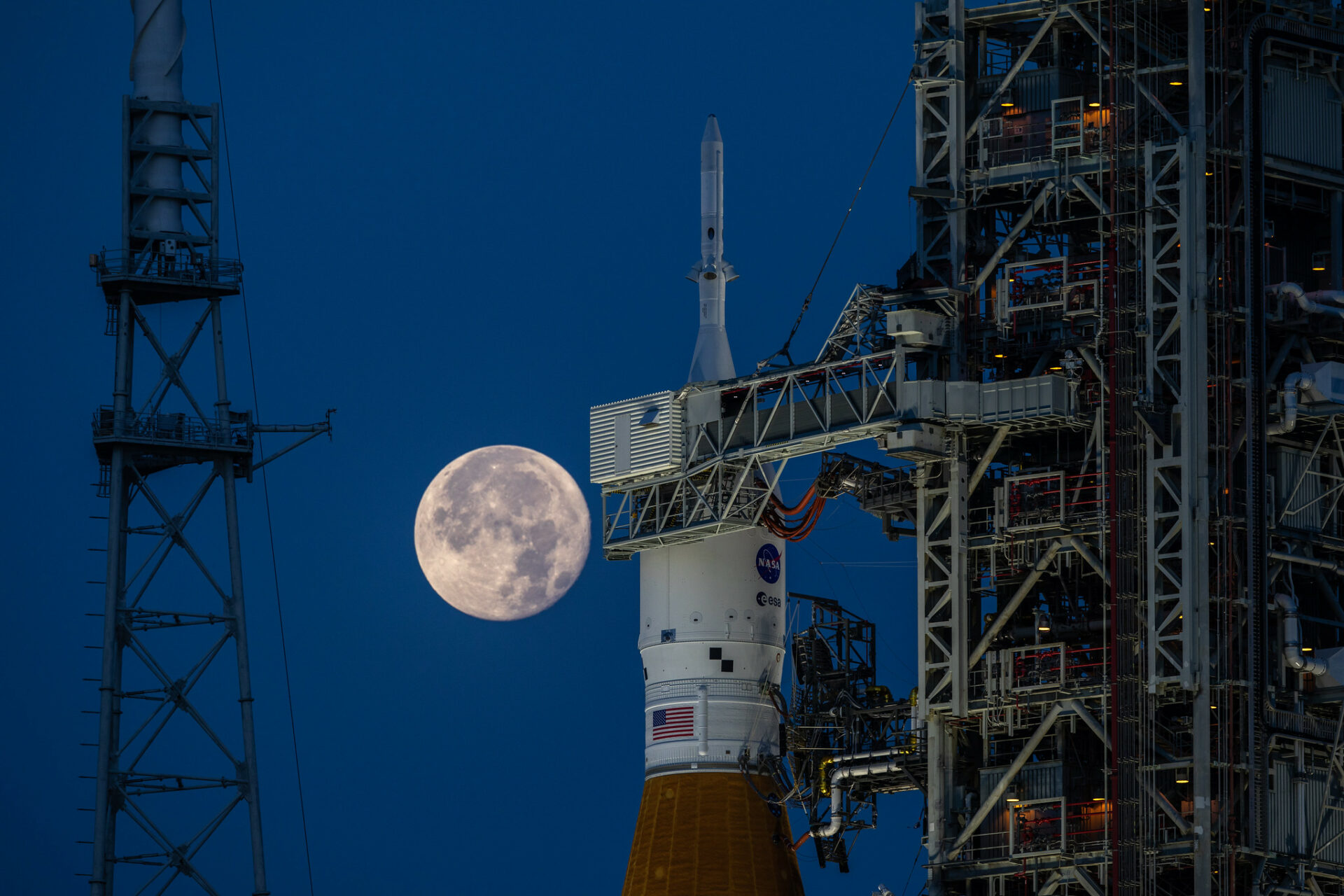
At the same time, unless something completely unexpected happens, we are literally months away from the first human flight to the moon in 53 years. It’s worth waiting a little longer for that.

