

The Chornobyl catastrophe, which occurred exactly 40 years ago, was the most catastrophic nuclear power plant accident in world history. It caused many people to reflect on what the future of this industry should look like.
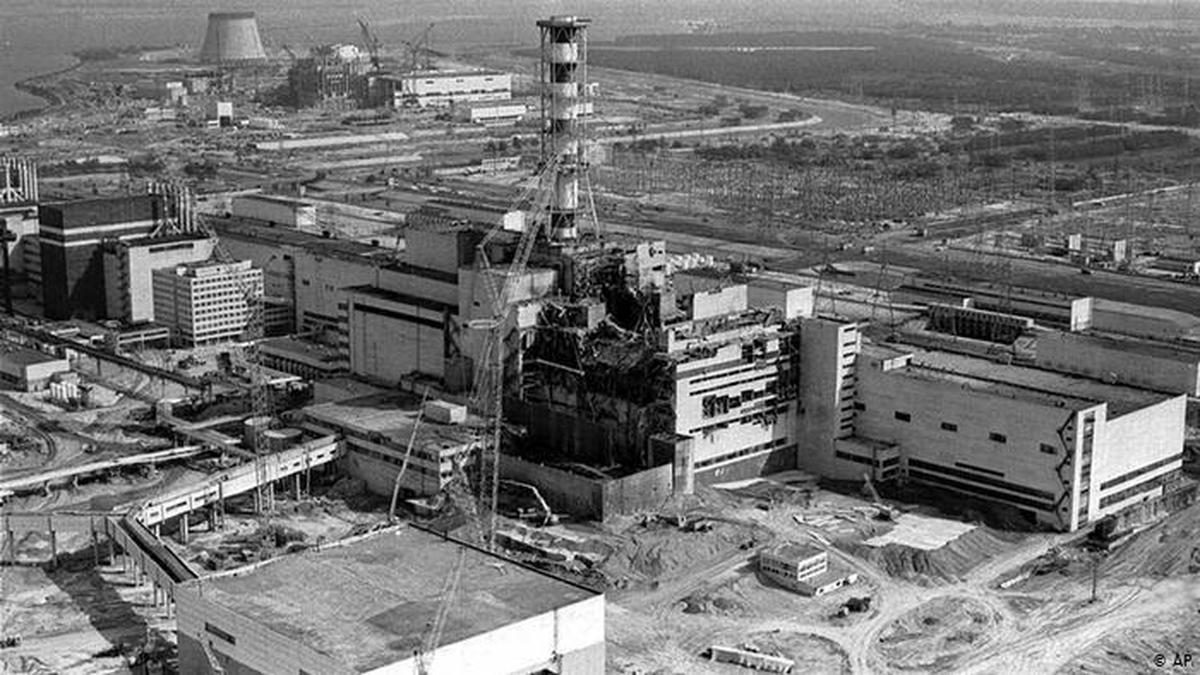
The Chornobyl nuclear disaster
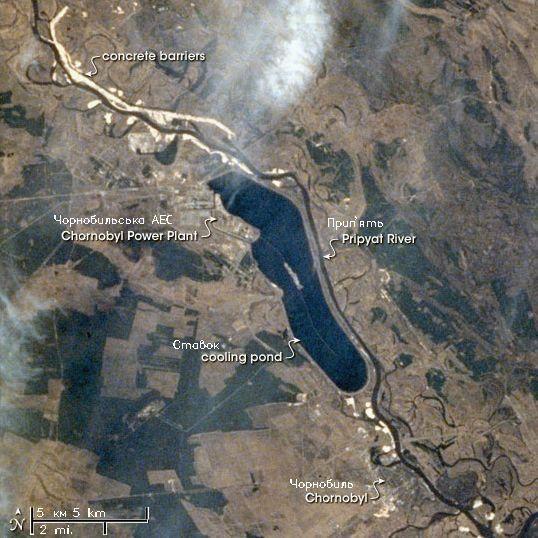
On the night of April 25-26, 1986, staff at the Chornobyl Nuclear Power Plant were preparing for the scheduled shutdown of the fourth reactor unit. Although the shutdown itself was routine, this time it was to be accompanied by an experiment. The staff was to investigate whether a positive steam reactivity coefficient could be used to generate additional power for the plant.
Simply put, they wanted to find out whether it was possible to extract additional kilowatts of electricity from a reactor that was already shutting down. At 1:23:04, the experiment began, but by 1:23:39, it became clear that the pressure and temperature were continuing to rise, and the operator pressed the reactor emergency shutdown button. The graphite rods, which had previously been withdrawn, began to fall into the core.
In theory, this was supposed to stop the flow of neutrons, which were the main source of heat. In practice, however, just 8 seconds later – between 1:23:47 and 1:23:50 – two powerful explosions occurred. They destroyed not only the core itself but also the roof of the building housing Reactor No. 4.
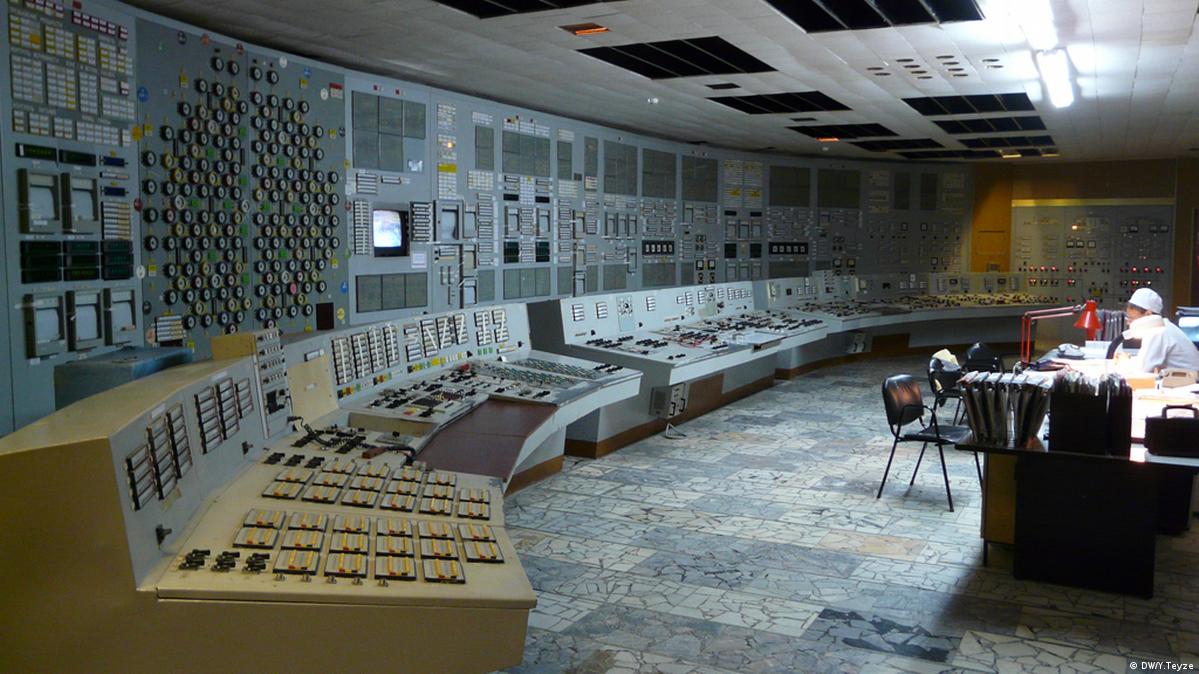
Valery Khodemchuk, a plant operator, was dead on the spot. Several other people suffered severe burns from superheated steam. However, events were only just beginning to unfold, as the greatest danger to people was not the explosions themselves, but the reactor’s radioactive materials, some of which had melted, while others were scattered across the surrounding area or had even been released into the atmosphere.
Remediation
The story that followed has been recounted many times in books, articles, documentaries, and feature films. All the radiation monitors near the plant immediately went off the scale, so for a long time, no one could grasp just how bad the situation really was.
Firefighters, who responded promptly to the situation, received massive, lethal doses of radiation while extinguishing the fire, and mostly died in hospitals. The Soviet authorities were too late in evacuating the population of Prypiat, which was located right next to the Chornobyl Nuclear Power Plant. In Kyiv, located several dozen kilometers away, no evacuation was announced at all. As a result, hundreds of thousands of people were exposed to radiation.
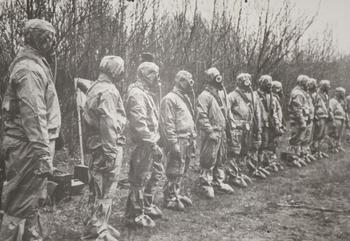
Next came tens of thousands of cleanup workers who, at the cost of their own health, prevented radioactive materials from entering the groundwater and built a reinforced concrete sarcophagus around the destroyed reactor.
Everyone was evacuated from the 30-kilometer zone around the plant, not only the population of the Soviet Union, which was then in its final years, but also people around the world were exposed to significant doses of radiation and developed a lasting fear of radiation.
Causes of the disaster
The main cause of radiophobia, both then and now, was largely ignorance. People saw radiation everywhere and viewed anything nuclear as a terrifying danger that had to be eliminated immediately. It is worth starting by looking at what happened back then.
Many people still believe that a nuclear explosion occurred at the Chornobyl Nuclear Power Plant on the night of April 26. This is not the case, as the reactor itself had little in common with a nuclear bomb. In the latter, enormous thermal energy from high-energy particles is released instantaneously when an implosive explosion compresses uranium or plutonium to critical mass.

In a nuclear power plant, things work differently. The reactor lacks the elements needed to combine and form a critical mass. The enriched uranium fuel rods themselves emit a significant number of particles that could potentially heat the entire space they occupy (known as the core). There are enough of them to melt everything around them, but not enough to create a fireball capable of burning entire cities.
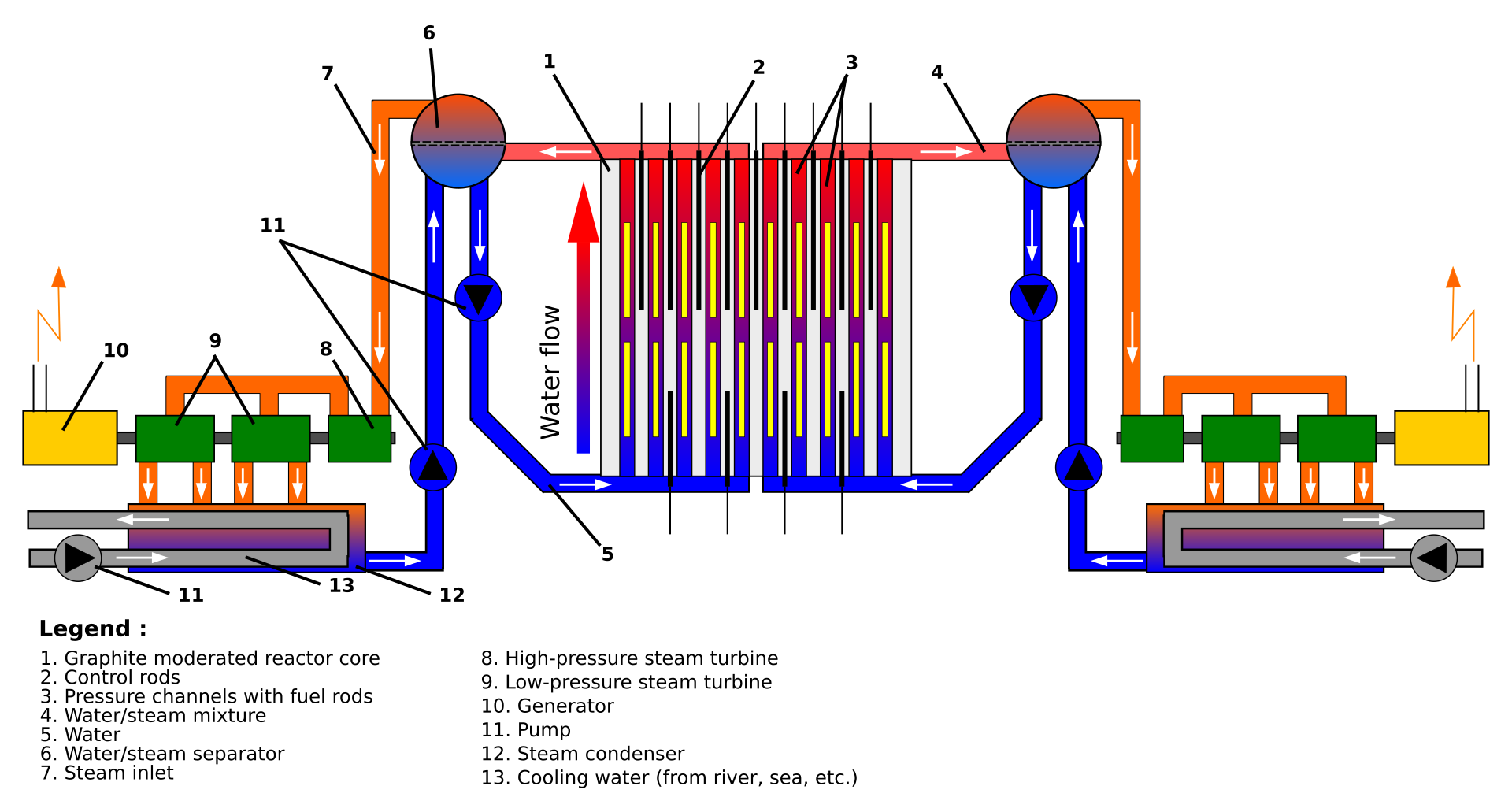
In fact, the melting of the core was what engineers feared most before the Chornobyl disaster. However, there are also other elements present that prevent overheating. First and foremost, the rods – which are filled with water – are designed to absorb heat. The water turns into steam, exits the core through a main pipe, and heats other water-filled pipes.
The water in the lower sections drives the turbines and generates a large amount of electricity. Essentially, only one thing in this system can explode: the steam pipes. When the steam is heated, it expands with the force of a TNT charge. This is exactly what happened at the Chornobyl Nuclear Power Plant, although such an event does not normally occur.
The fact is that, in addition to the water-filled tubes, the core contains graphite rods. This material effectively absorbs neutrons, preventing the core from overheating, while the water carries away excess heat. Operators constantly monitor the situation, alternately lowering the graphite rods into the core and removing them, maintaining a balance. It is not difficult to guess that dropping all the rods at once during an emergency shutdown would have stopped the heating.
So why did the explosion happen after all? There are two distinct theories on this. According to the first, the operators are to blame, as they operated the reactor incorrectly for quite some time, and as a result, the final action intended to correct all the errors caused the explosion.
According to the second theory, which is now the prevailing view, the cause lay in several flaws in the RBMK-1000 reactor. The first of these was the very positive steam coefficient that the researchers intended to use in the experiment. Under certain conditions, this caused major problems with shutting down the “nuclear kettle” in an emergency. The second flaw was the flawed design of the graphite rods, some sections of which, when activated in an emergency, could locally intensify the heating rather than stop it.
The RBMK-1000 had other problems as well, which its operators had been reporting for many years before the Chornobyl disaster. However, the staff at the plant near Prypiat were unaware of this experience. And now experts have generally reached a consensus that the explosion was caused by the fact that, due to their lack of knowledge, the operators did exactly what should not have been done with a reactor that was problematic from the start.
Radiophobia
The Chornobyl disaster caused significant contamination across Eastern Europe. The incidence of cancer and hereditary diseases has risen sharply. It will be a long time before the 30-kilometer exclusion zone becomes fully habitable again.
In reality, however, the main consequence of the accident was the wave of anti-nuclear sentiment that swept across most developed countries. Incidents at nuclear power plants had occurred before, but they were not initially given much attention. For several decades, nuclear energy had been an extremely popular topic; it was seen as a symbol of progress. By the mid-1980s, more and more questions were being raised about it; it was no longer technical progress that was in vogue, but environmental concerns.
The Chornobyl disaster occurred at a time when people were already inclined to reject anything nuclear. It is no surprise that, over the next few decades, people tried to stay as far away as possible from anything based on the fission of uranium. In Europe and North America, no new reactors were built until 2002.
But is nuclear power really so harmful to people that we should abandon it even at the cost of reducing our energy capacity? In fact, when a nuclear power plant is operating normally, it emits virtually no radiation to the outside environment. This is especially true if the reactor, unlike the RBMK-1000, has a containment structure.
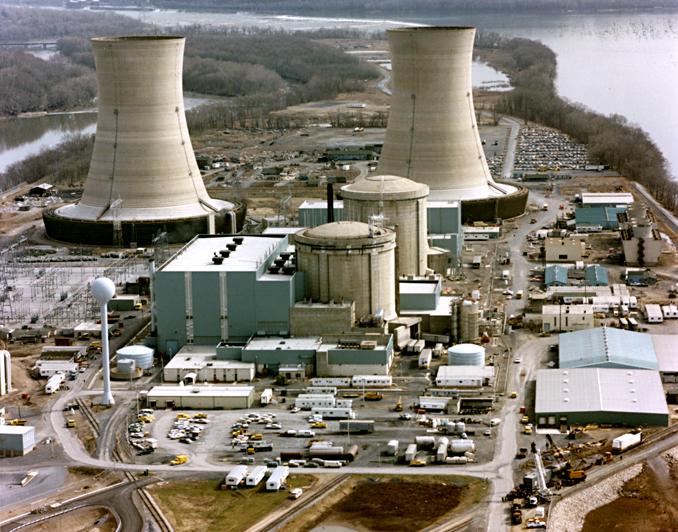
Less significant problems arise when nuclear fuel has already “burned out” and needs to be disposed of. A comprehensive set of measures has been developed for its reprocessing and disposal. Radioactive substances ultimately retain a tiny chance of escaping into the environment and harming people. But compared to other types of pollution generated by our civilization, we dispose of nuclear waste as effectively as possible.
The bigger problem is the consequences of accidents, should they occur. And here it is important to understand that the Chornobyl disaster was by no means a typical situation. Even for a defective RBMK reactor, it took a rare combination of circumstances for it to explode with such force.
It is still far more likely that the core will melt due to overheating. If the lava it turns into reaches the groundwater, this could indeed become a real problem. However, the presence of the containment vessel greatly reduces this risk.
In other words, the risks of nuclear energy are real, but not absolute. And so there is really no question of abandoning it at any cost. We need to weigh the pros and cons, because the current energy capacity of developed countries relies heavily on the nuclear power plants built between 1950 and 1990. And in some countries, these plants generate up to 80% of the electricity.
Second in terms of energy production are thermal power plants, which by no means can be called environmentally friendly, because even those that run on natural gas are still among the largest sources of greenhouse gases. And they do this constantly, as long as they are in operation. Not to mention those that burn coal, peat, oil, or waste. These plants constantly emit particulate matter, which, in large volumes, poses a far greater health risk than radioactive waste.
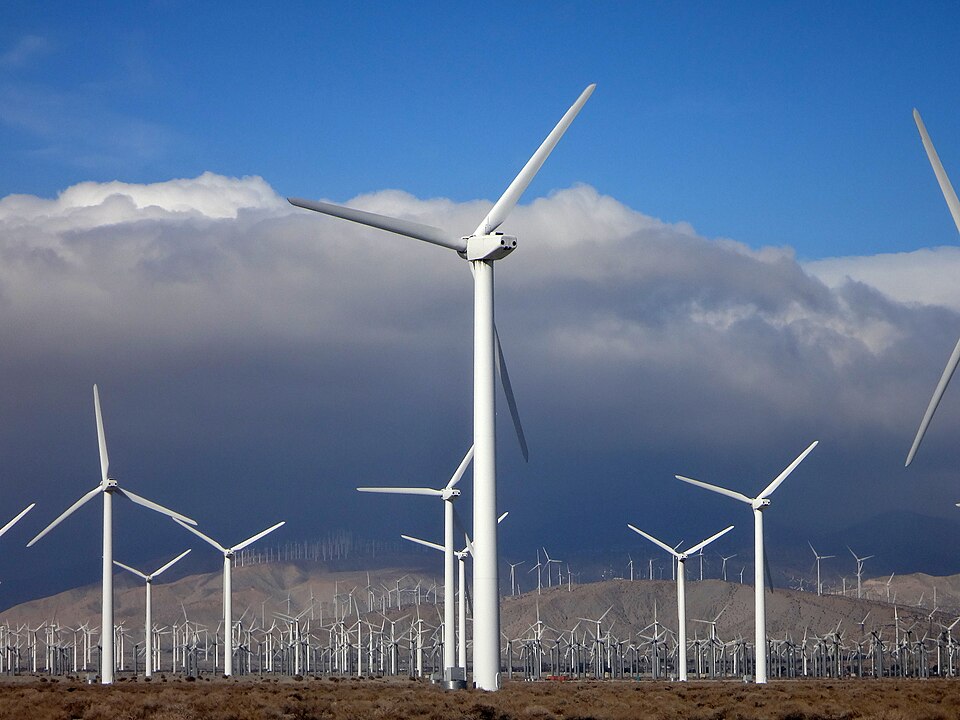
And renewable energy sources are not as clean as they are made out to be. Dams and reservoirs associated with hydroelectric power plants cause flooding. Wind turbines cause noise pollution. And in terms of electricity generation capacity, these sources cannot fully replace nuclear power plants.
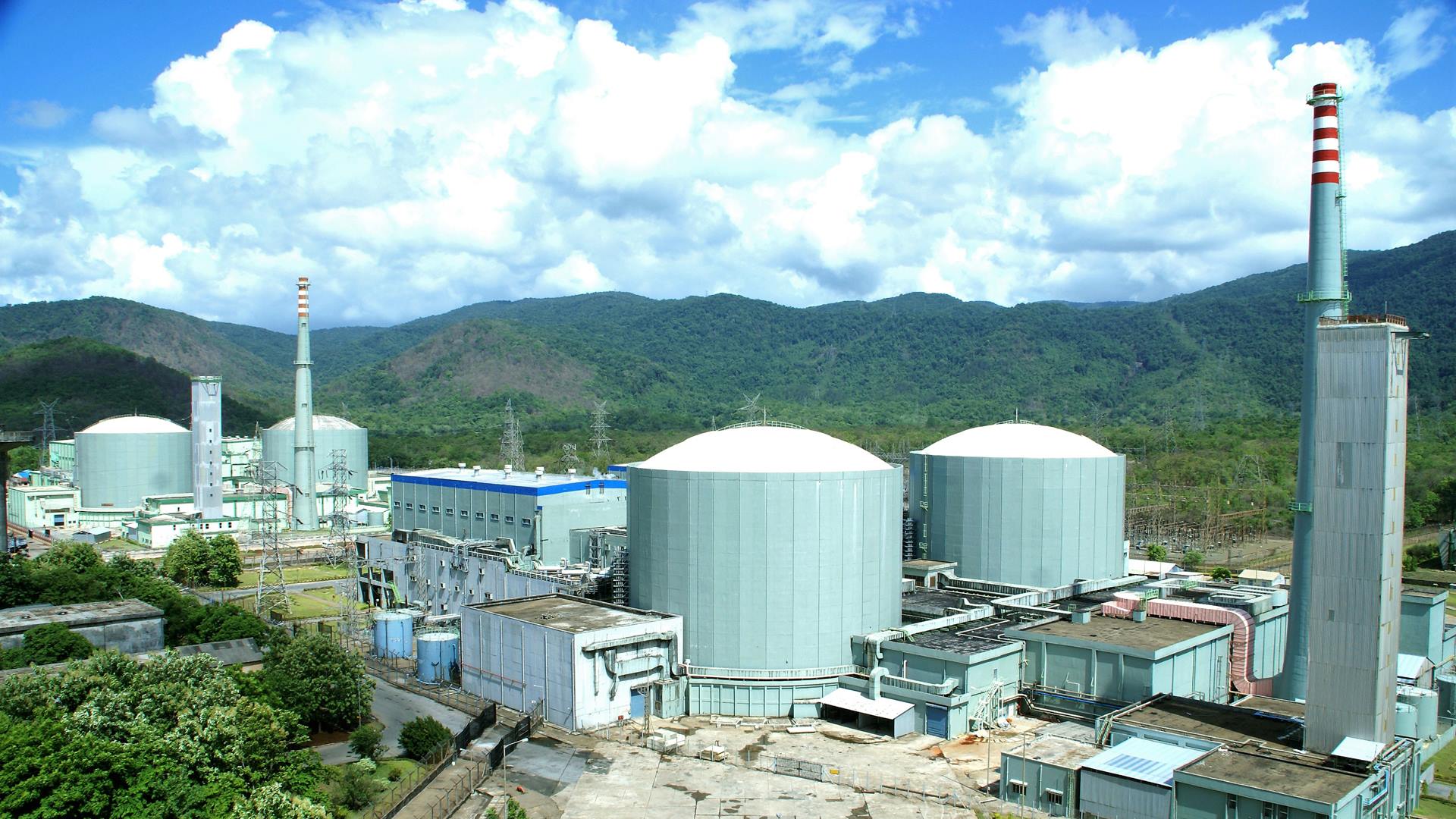
No one is calling for a return to the mass construction of nuclear power plants. But we should not completely abandon them either, since the electricity demand is only growing. Incidentally, China, India, and other countries that were once considered to be catching up to Europe have, on the contrary, been actively building new reactors in recent decades.
So, nuclear technology will not only continue but will keep advancing. Humanity will simply build new, safer reactors – and not just nuclear ones. Because, in reality, the current situation – where thermal power plants are on the verge of running out of fossil fuels, nuclear power plants are viewed with fear, and renewable energy sources cannot replace either the former or the latter – has largely arisen because humanity has been unable to master thermonuclear fusion as a source of electricity for several decades now.
The only way to “ignite” hydrogen and lithium isotopes is through a nuclear explosion. The theory of how to do this consistently has existed for several decades, but not a single fusion reactor has been built to date. Theoretically, this is also nuclear energy, as it produces some radiation. However, compared to everything else humans have, it is clean, powerful, and has nearly endless fuel reserves. So, in reality, we should not be afraid of it, but rather develop it.
Nuclear Energy and Space
The issue of nuclear energy in the context of plans to explore the Solar System is particularly interesting. After all, there are few alternatives for it there. There is no fossil fuel at all, and it would be impossible to transport it from Earth.
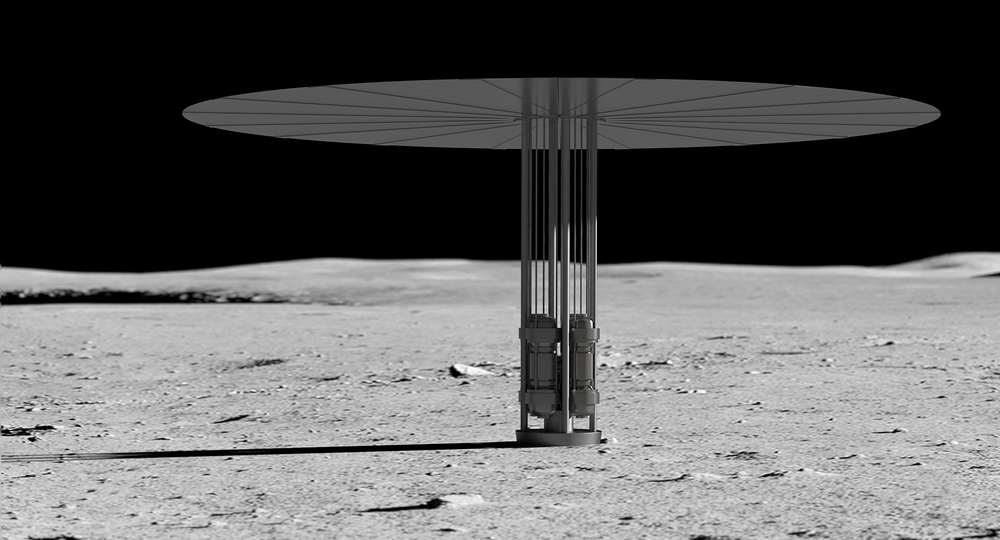
The only renewable energy sources on Mars, Titan, and Venus are wind and sunlight. However, sunlight provides very little energy even on the Red Planet, and further away from the Sun, where most of the sites suitable for station construction are located, there is practically no sunlight at all.
No biosphere could be threatened by radioactive waste. So the main argument against it simply ceases to hold water. Admittedly, there are not many natural uranium reserves beyond Earth. But up to a certain limit, it can be transported from Earth. However, this is not a permanent solution. Therefore, fusion energy will have to be developed one way or another.

