
Few people were able to predict humanity’s desire to reach for the stars as accurately as the 19th-century French classic Jules Verne. His novels From the Earth to the Moon (De la Terre à la Lune) and Around the Moon (Autour de la Lune) proved prophetic for modern space exploration. However, Verne’s words had never been heard in deep space—until recently, when Canadian astronaut Jeremy Hansen spoke four iconic words during NASA’s Artemis II mission.
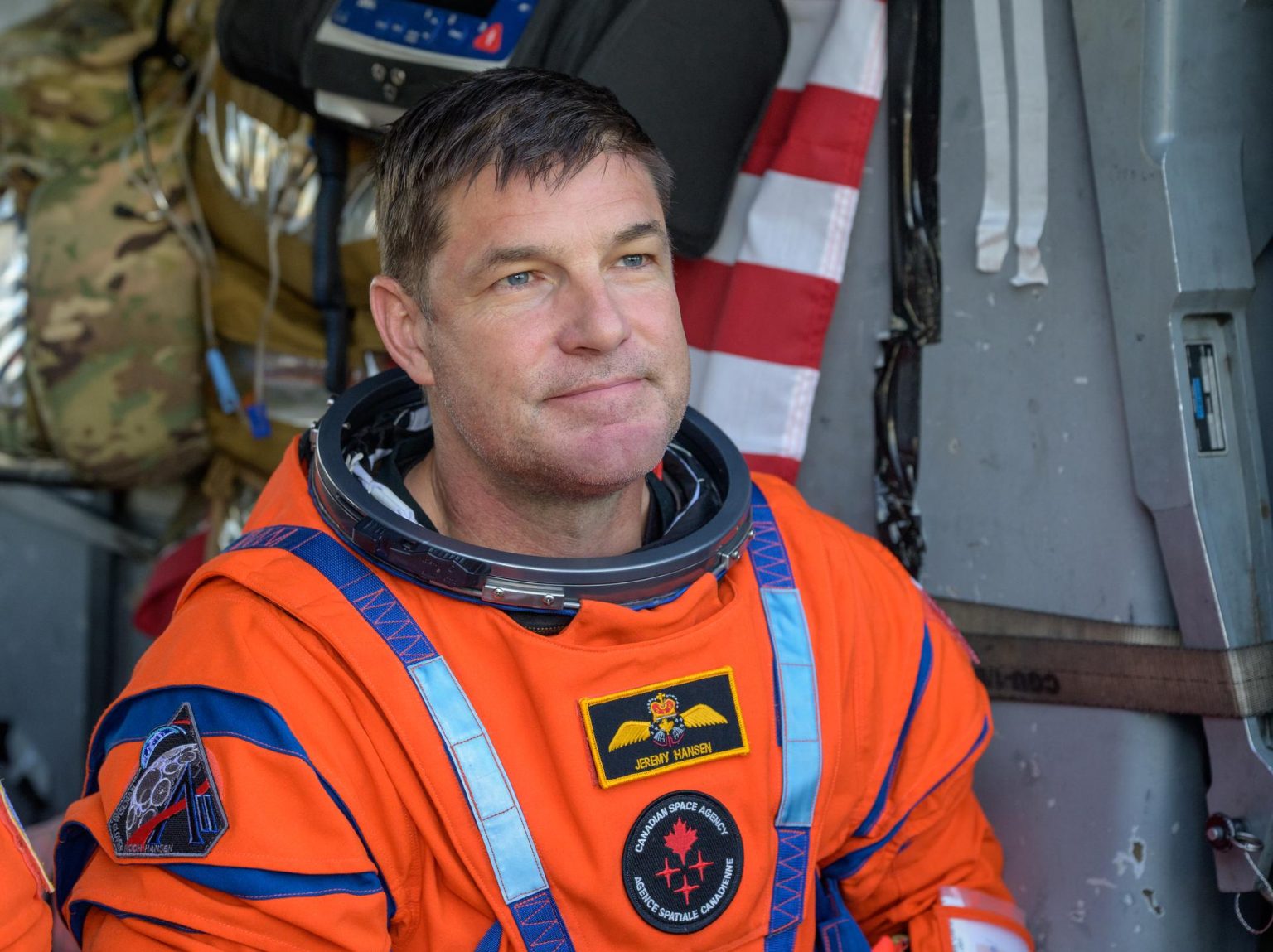
On the third day of the flight, as the Orion spacecraft—nicknamed Integrity—approached Earth at tremendous speed, Hansen suddenly turned to the webcam. “Bonjour tout le monde,” he said from a distance of nearly 200,000 kilometers from Earth. This simple greeting, which literally means “Hello, world,” instantly took on historical and political significance. For the first time in history, the French language was heard on the journey to the Moon, becoming a symbol of inclusivity and respect.
Linguistic resonance
Hansen’s decision to use French was not a random gesture. It came amid a major scandal in Canada involving the national airline, Air Canada. The company’s CEO, Michael Russo, was forced to resign following a wave of outrage: he rarely spoke French in public appearances, which was perceived as a snub to Quebec’s French-speaking population.
In contrast, Jeremy Hansen’s efforts have drawn genuine admiration. Although he is not a native speaker and speaks with a noticeable English accent, his commitment to representing Canada in all its diversity has been exemplary. As experts point out, astronauts are not expected to be linguistically perfect—they are expected to respect the culture of their own people.
Symbolism of indigenous peoples
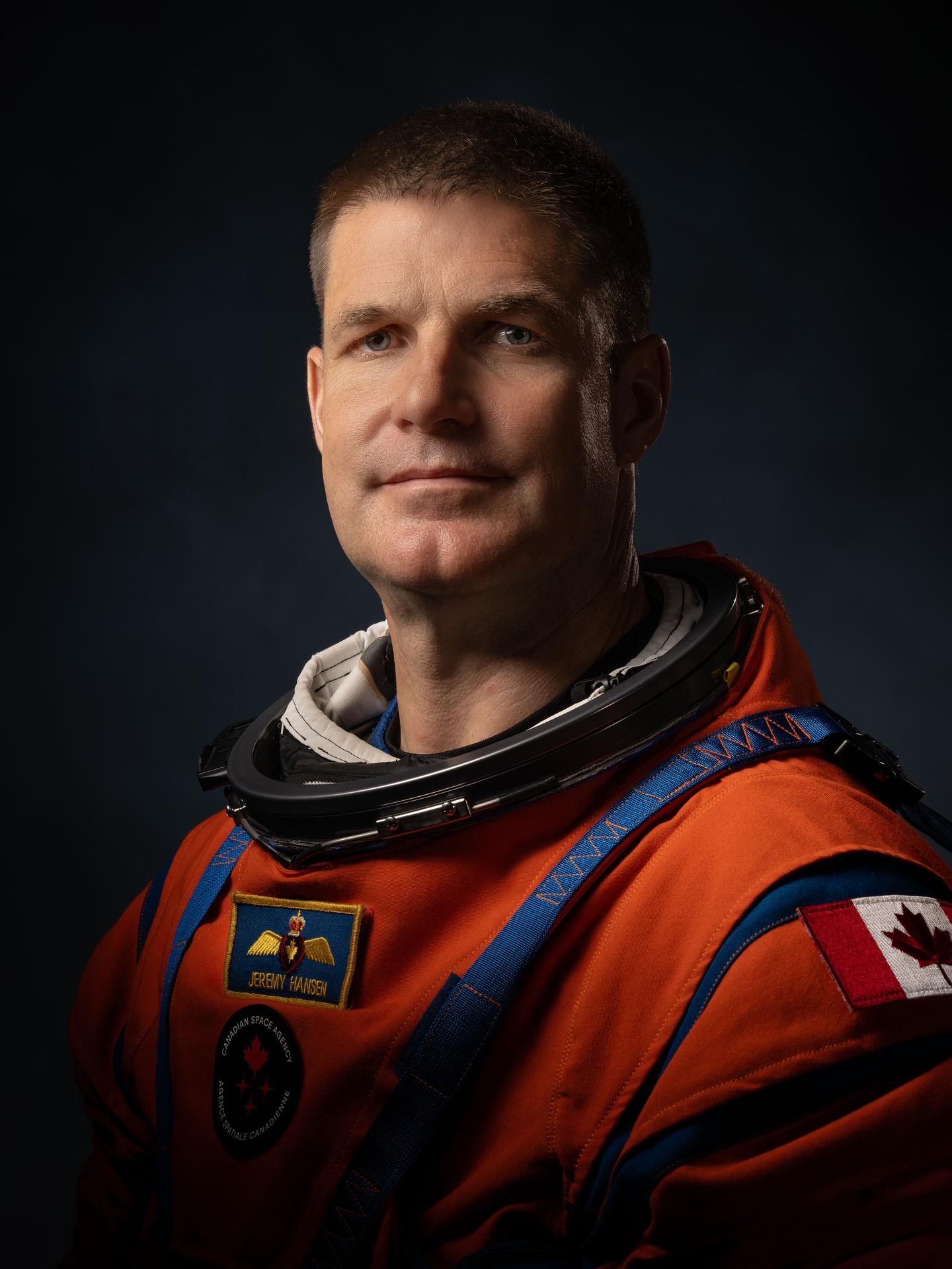
Hansen went even further in his efforts to represent all of Canada. While preparing for the mission, he built close ties with Indigenous elders (Anishinaabe, Cree, and Haudenosaunee). His goal was to study the cultural significance of the 13-month calendar, which aligns human life with the cycles of nature.
The launch of the Artemis II mission coincided symbolically with the period known as Ziisbaakdoke Giizis (“Sugar Marking Moon” in the Anishinaabe language)—a time of renewal and spring sap. Hansen’s spacesuit sleeve featured a special patch designed by artist Henry Gimmond. It depicts the goddess Artemis firing an arrow, sending the crew around the “Moon,” which symbolizes the endless cycle of life.
“Sit down with your elders and ask questions,” Hansen urged from aboard the Orion, emphasizing that every such experience enriches our understanding of the world.
A new lens through which to view the Universe

In an era of rapid advancements in artificial intelligence and instant translation tools, some people consider learning languages unnecessary. However, the actions of a Canadian astronaut prove otherwise. Language is not merely a tool for conveying information; it is a unique lens through which we view the world.
Upon returning to Earth, the crew appeared deeply emotional. Hansen summed up his experience by saying that, in the face of the vastness of space, humans seem small and powerless, but by uniting their cultures, languages, and knowledge, they become an unstoppable force.
According to The Guardian

