

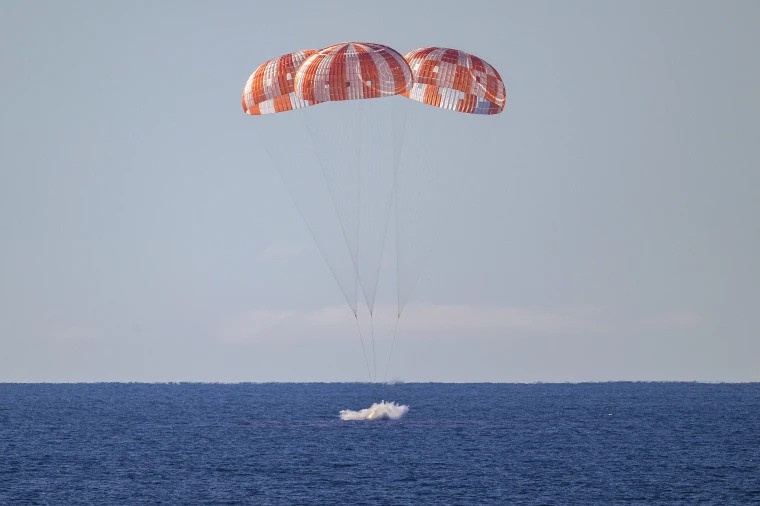
Saturday morning at Ellington Field, located near NASA’s Johnson Space Center and Mission Control in Houston, was filled not only with the roar of jet engines but also with the triumphant energy of hundreds of NASA specialists. This is where the Artemis II mission crew arrived – four astronauts who had just returned from a lunar flyby, the first such mission in over half a century. After a successful splashdown off the coast of San Diego, Commander Reid Wiseman, Pilot Victor Glover, Mission Specialist Christina Koch, and Canadian astronaut Jeremy Hansen finally set foot on home soil, where they were greeted not only by officials but also by their families, who shared in this moment of relief and pride.
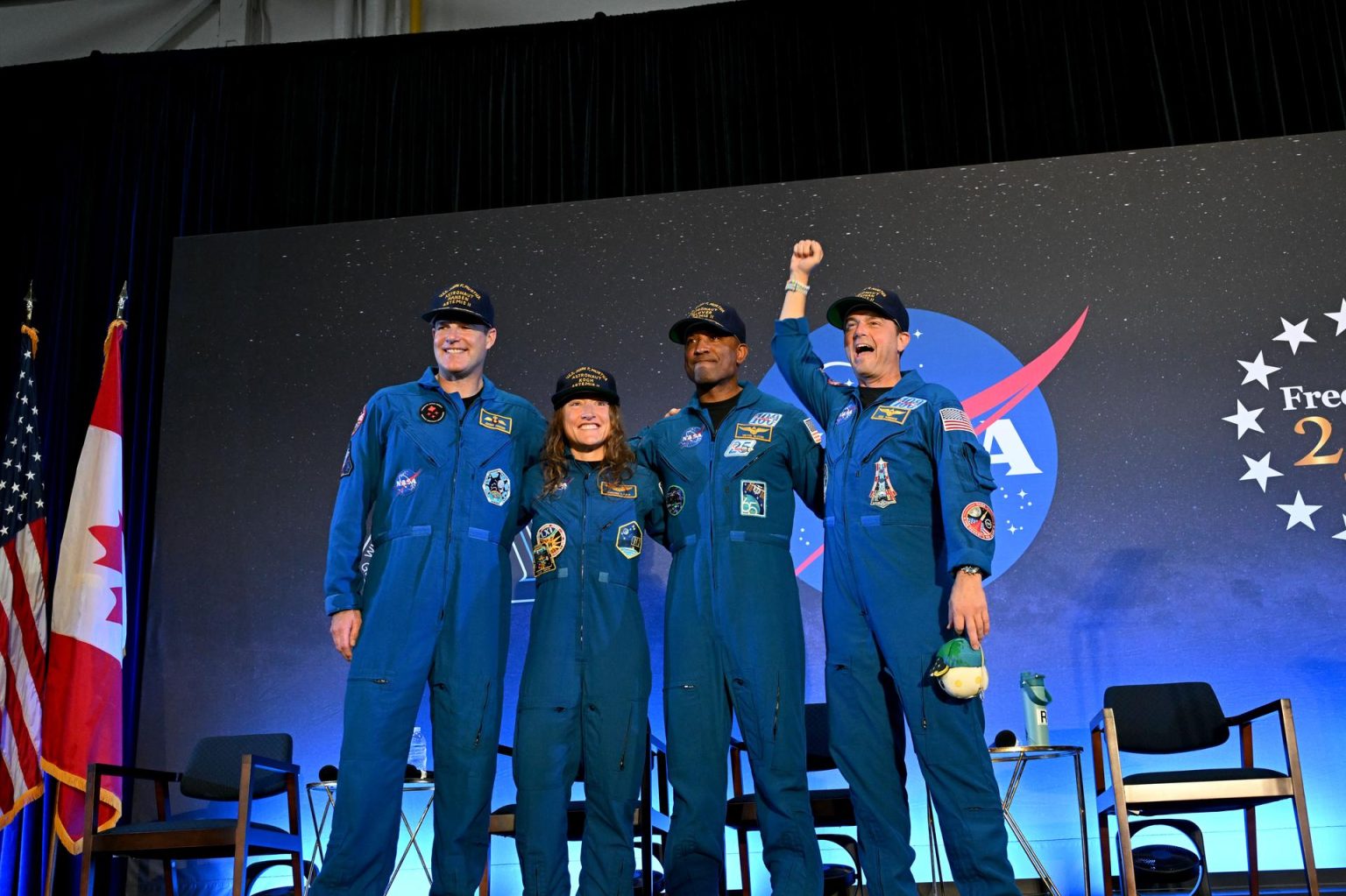
Speaking from the stage in an aircraft hangar, the astronauts did not hide their excitement. Despite the mission’s technical complexity and their status as “space heroes,” their words were imbued with a profound human awareness of the importance of our planet. Reid Wiseman noted that although a flight to the Moon seems like the greatest dream on Earth, once you are in space, the only thing you want is to return to the people.
Deep space records and the magic of Earthset
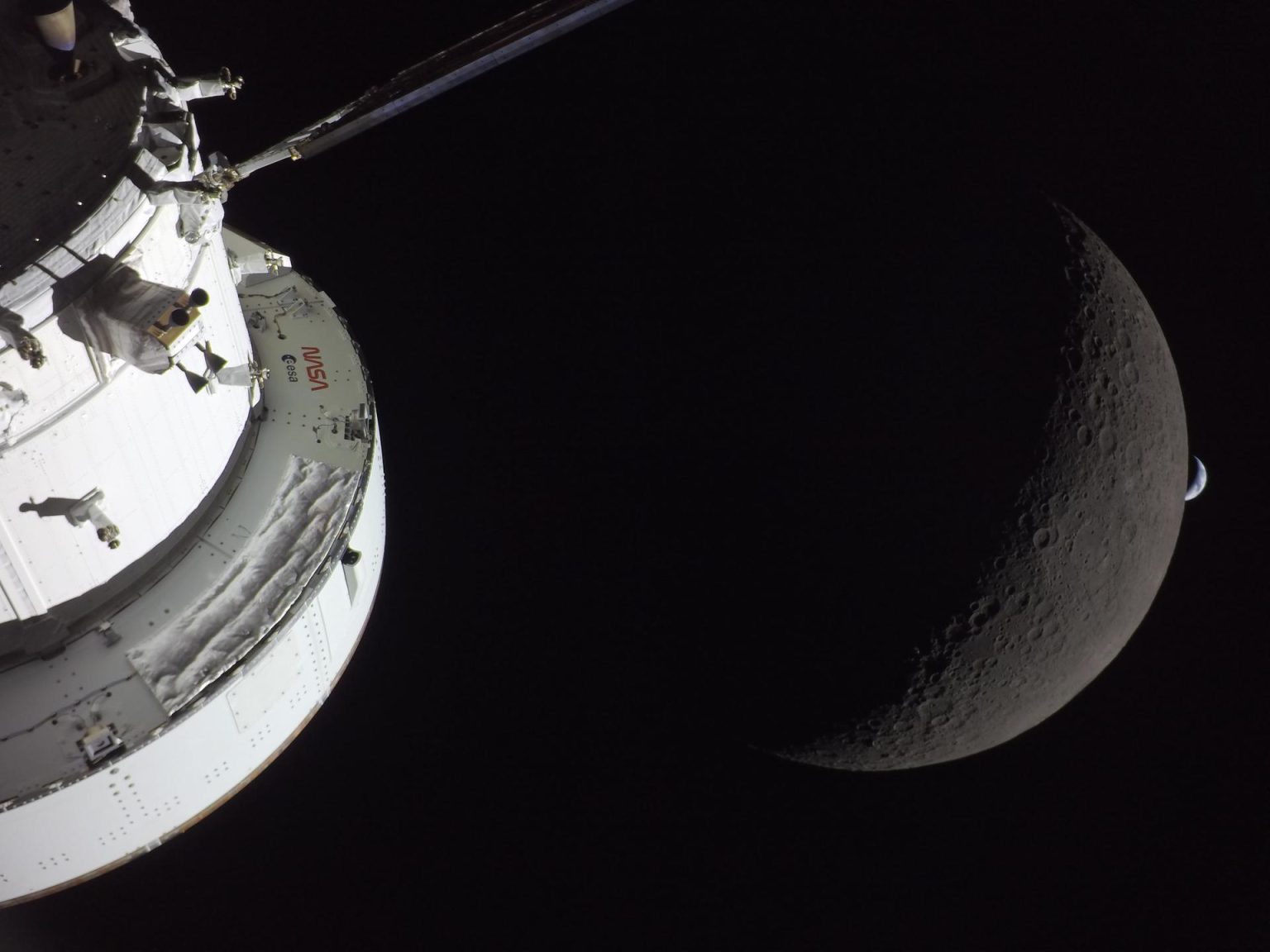
The Artemis II mission did not simply retrace the path of its predecessors; it set a new distance record. The astronauts reached a record distance of 406,771 km from Earth. This allowed them to surpass the achievements of the legendary Apollo 13 crew. By performing a gravity assist maneuver on the far side of the Moon, Orion gave humanity a unique opportunity to see the Moon in a way that no human eye has seen it in the last 50 years.
One of the mission’s most valuable scientific and cultural achievements is a photograph titled “Earthset.” In this image, the blue globe of Earth slowly sinks below the cratered, gray horizon of the Moon. This image is already being compared to the famous “Earthrise” from 1968, taken during the Apollo 8 mission.
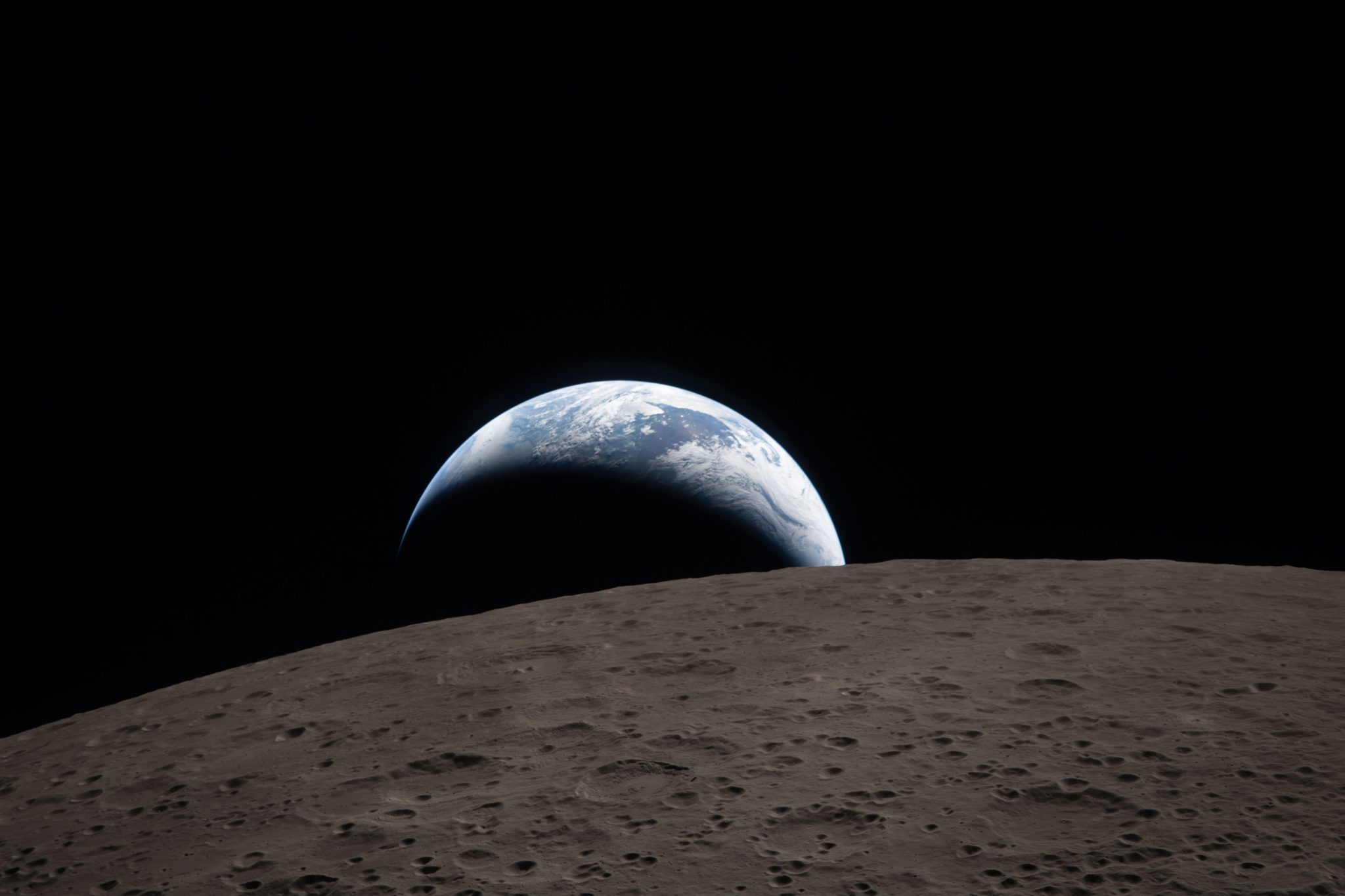
Christina Koch, sharing her impressions, noted that what struck her most was not Earth itself, but the absolute darkness surrounding it. “Earth was simply a lifeboat floating peacefully in the universe,” she added, reminding us all of our planet’s fragility.
The shadows of the past and the challenges of the present

The astronauts’ return coincided with a symbolic date – the 56th anniversary of the Apollo 13 launch. What once nearly ended in disaster has now been transformed into a resounding triumph of modern technology. During the ceremony, a message from Jim Lovell, commander of Apollo 13, recorded shortly before his death last summer, was played. It served as a bridge between two generations of explorers who had traversed those same miles of emptiness.
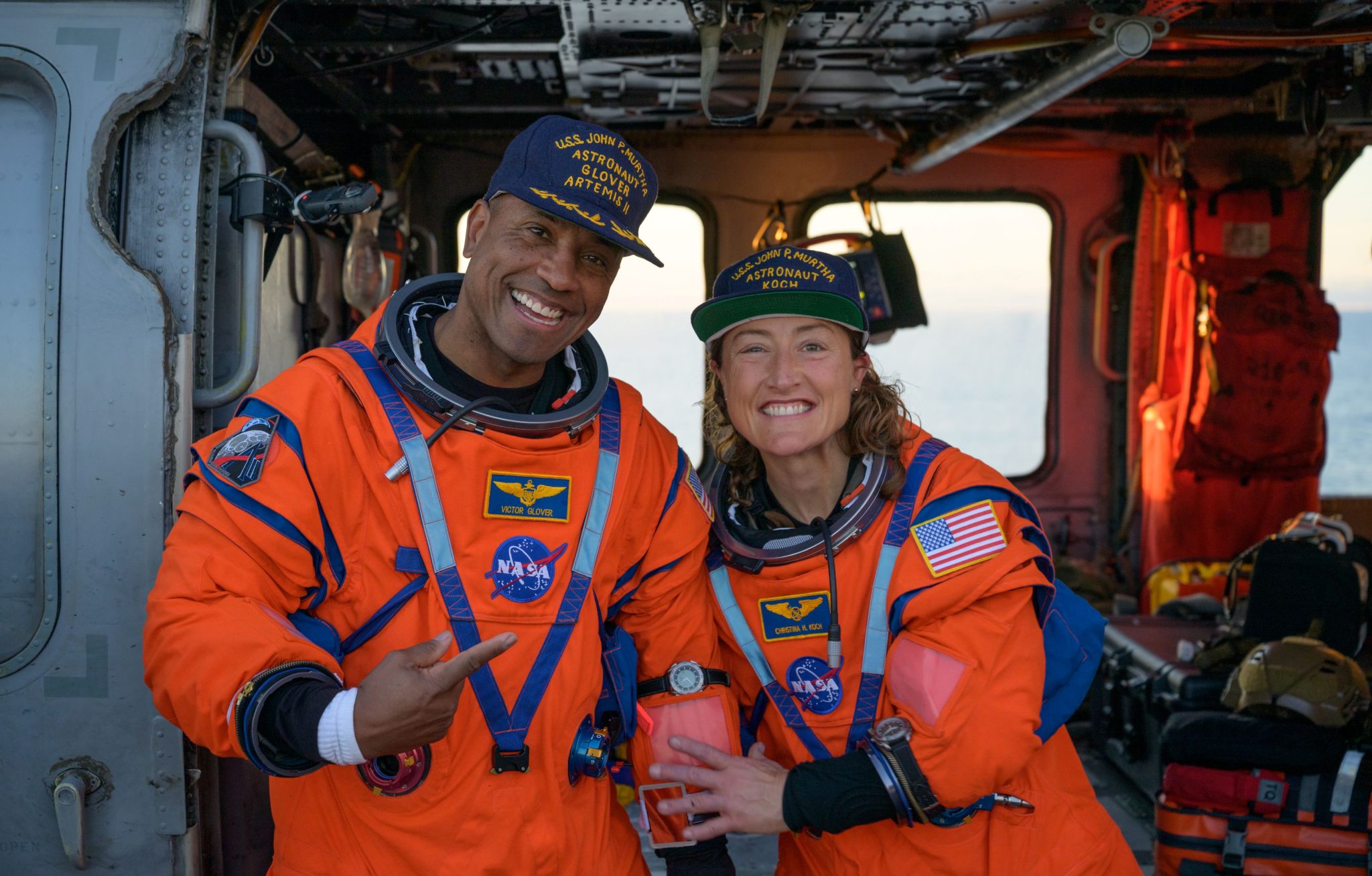
Photo: NASA
However, even a technologically advanced mission like Artemis II was not without its earthly problems. One of the challenges the crew faced was a malfunctioning space toilet. While this may sound mundane, in the confined space of the Orion spacecraft during a 10-day journey, it posed a serious challenge to the astronauts’ daily lives. NASA has already officially stated that the life support system will be improved before future, longer missions. This incident proved once again that there are no minor details in space, and the crew’s comfort directly impacts the success of the scientific program.
Roadmap to the Lunar Pole
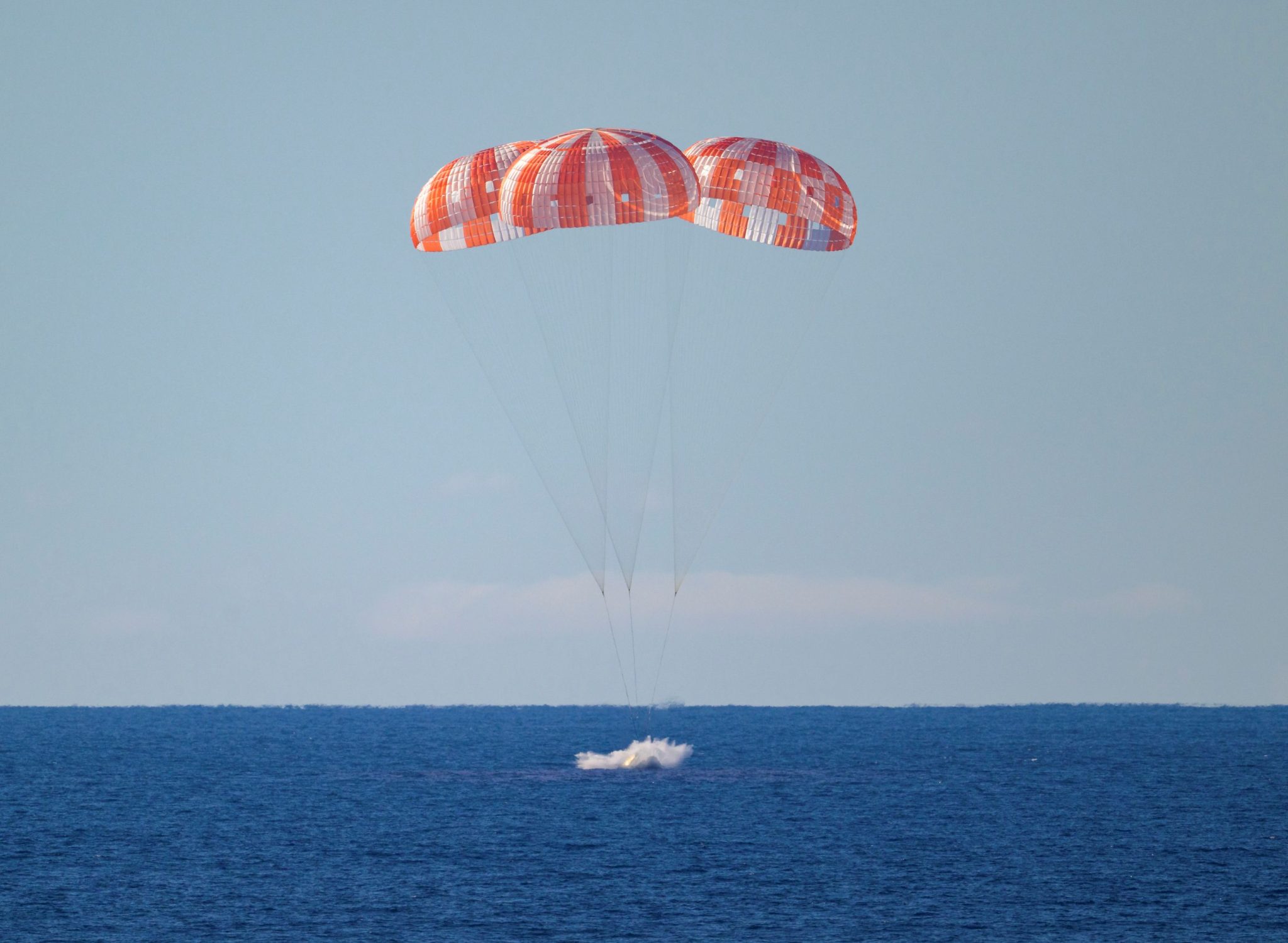
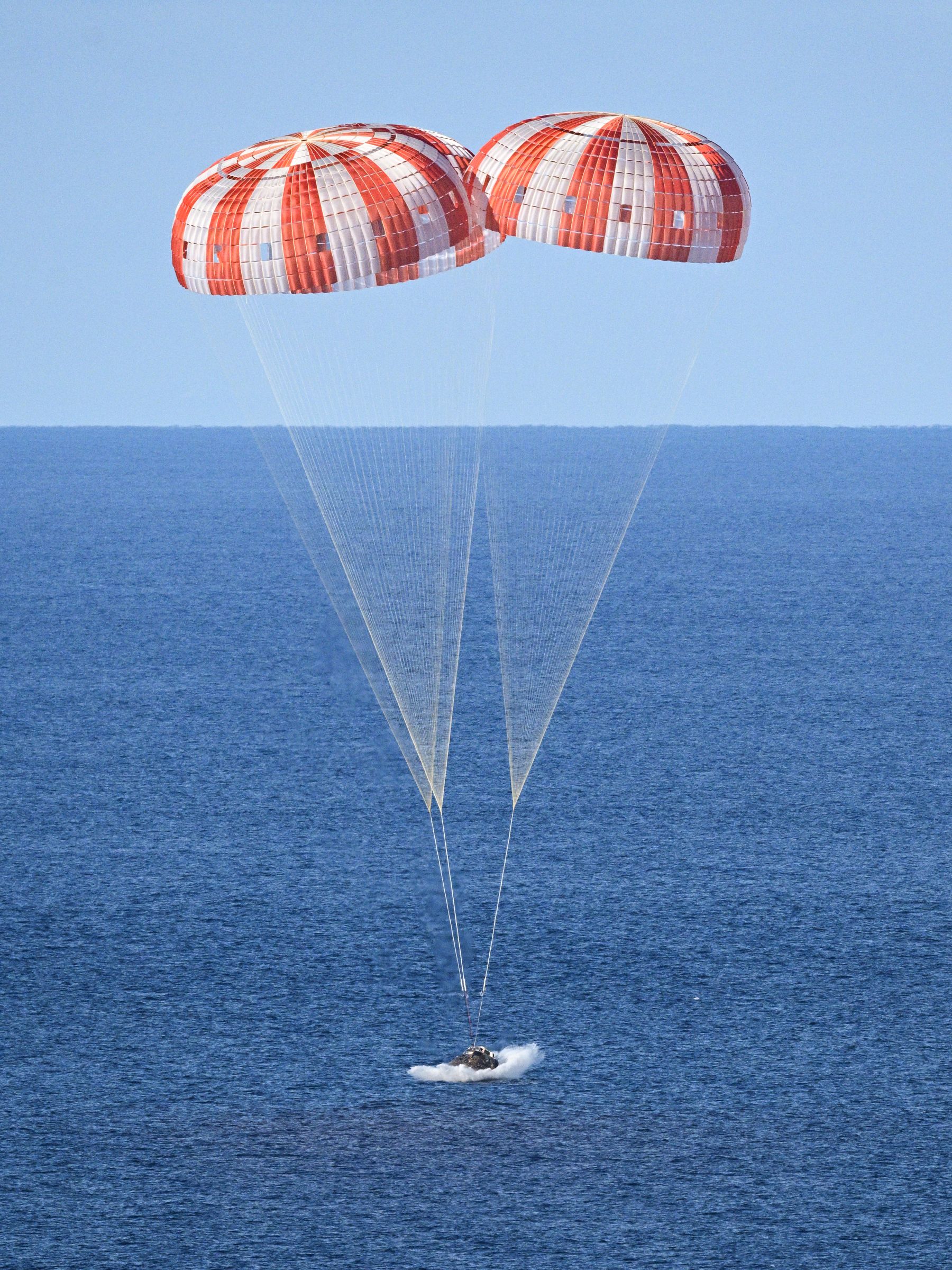
The success of Artemis II served as a “green light” for the continued implementation of the lunar program. NASA Administrator Jared Isaacman, who personally greeted the crew aboard the recovery vessel, emphasized the importance of this phase. The next step is the Artemis III mission, scheduled for next year. It involves complex maneuvers and testing the docking of the Orion capsule with the lunar lander directly in Earth orbit.
This is a critical test ahead of the decade’s major event – the Artemis IV mission in 2028. That is when NASA plans to land two astronauts near the Moon’s south pole – an area that remains a mystery to scientists due to the presence of water ice deposits in shadowed craters.
Earlier, the news was reported that Orion did not burn up in the atmosphere.
Provided by theguardian.com

