

The Artemis II mission has officially gone down in history as humanity’s farthest journey from Earth. The Orion spacecraft did not simply repeat the journey of the legendary Apollo missions; it pushed the boundaries of what is possible by flying to the far side of the Moon, more than 406,000 km from Earth. However, behind the spacecraft’s gleaming hull and majestic landscapes lies a story that is surprisingly “down-to-earth”—from the astronauts’ ordinary government salaries to a jar of peanut butter in zero gravity.
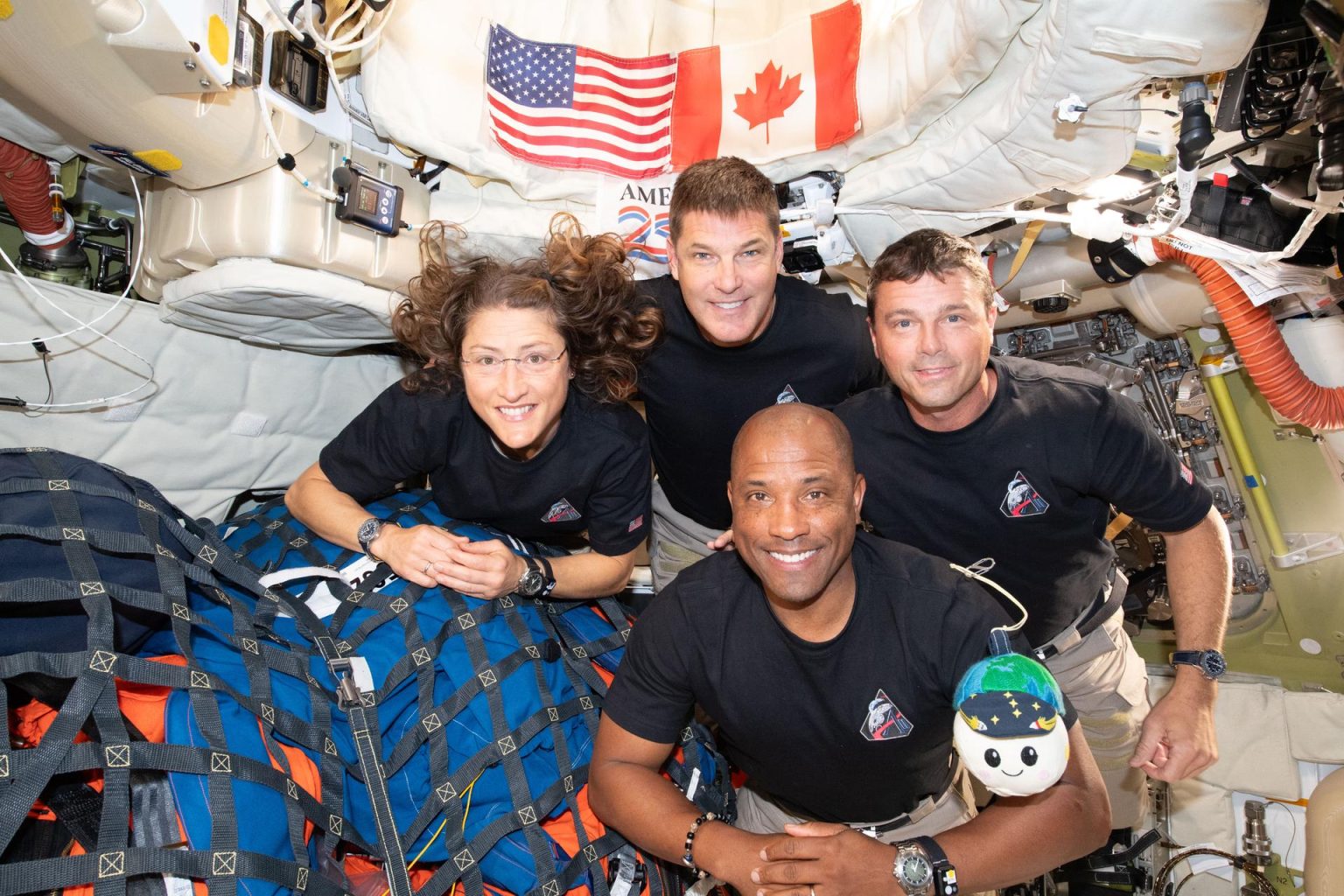
During their seven-hour flyby of the Moon, the crew—comprising Americans Reid Wiseman, Victor Glover, and Christina Koch, along with Canadian Jeremy Hansen—broke the record set by the legendary Apollo 13 mission back in 1970. The astronauts saw something that had previously been visible only to unmanned spacecraft: the far side of the moon, which is 21% illuminated. The scientific program was extremely intensive. Working in two shifts, the crew took about 10,000 high-resolution photographs.
Life in orbit
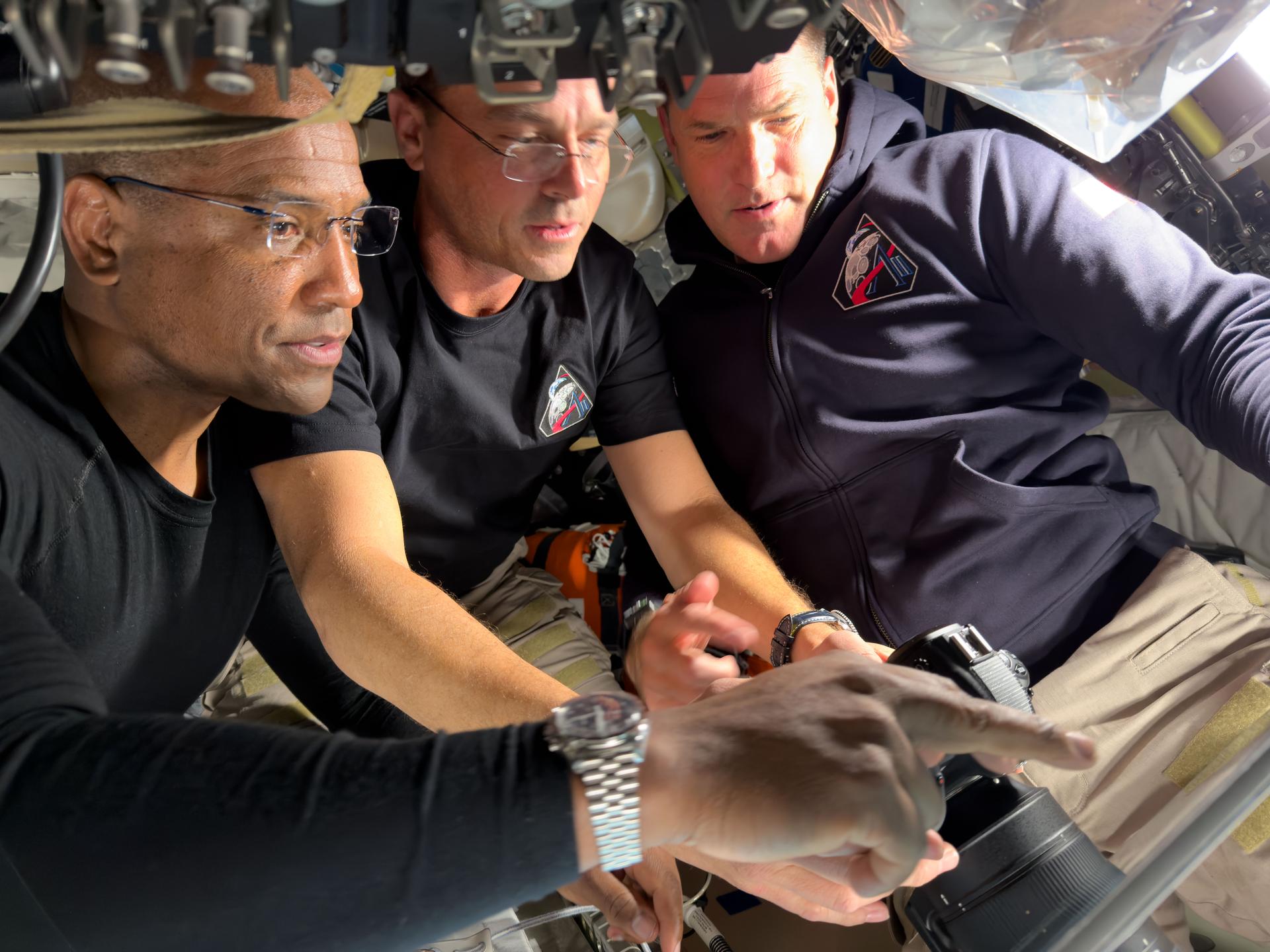
Despite their heroic status, the financial side of an astronaut’s work turned out to be surprisingly mundane. When the crew returns to Earth, they will receive their standard government salary—about $152,000 a year, or $12,600 a month. NASA does not pay hazard pay or overtime for work in space. What’s more, like any federal employee on a business trip, they receive only a small “pocket money” allowance—about $5 a day—for incidental expenses.
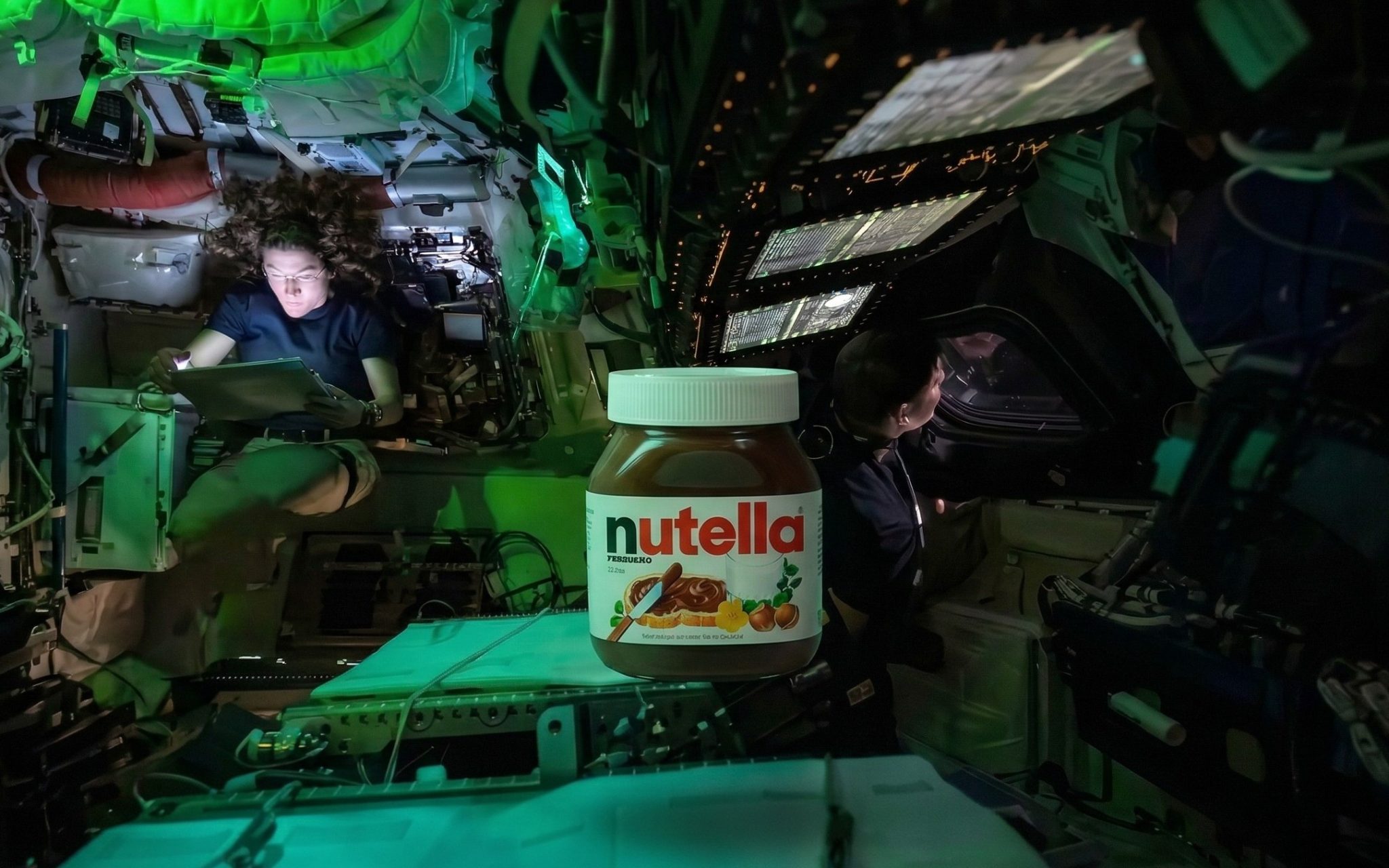
However, the crew didn’t deny themselves a few small pleasures. Images of a jar of Nutella floating around the cockpit just minutes before the record was set went viral around the world. Although NASA denies any commercial “product placement,” this jar has become a social media sensation. The astronauts ate it with tortillas, drinking lots of coffee and hot sauce, which helps preserve the taste of the food in low-pressure conditions.
Path to Artemis IV
Hi! I’m Rise!
— NASA Artemis (@NASAArtemis) April 8, 2026
About a week ago, I launched aboard the Artemis II mission with four of my besties. Since then, I have been serving a very important purpose aboard the Orion spacecraft… I float. (And I look cute.)
Today, I am taking over the Artemis social media accounts! -Rise pic.twitter.com/hdTMeq82PC
Even more challenging tests lie ahead for NASA. The Artemis III mission is set to test lunar landers, while Artemis IV plans to mark the official return of humans to the Moon’s surface.
We previously reported on how astronauts nearly lost their pay.
According to fortune.com

