

The US Space Force has decided that dry indices as names for its own satellites are “boring.” Therefore, their newest weaponized spacecraft will be given names inspired by myths, constellations, and legendary creatures. This was announced by General Chance Saltzman, Chief of Space Operations, at the Spacepower conference in Florida.
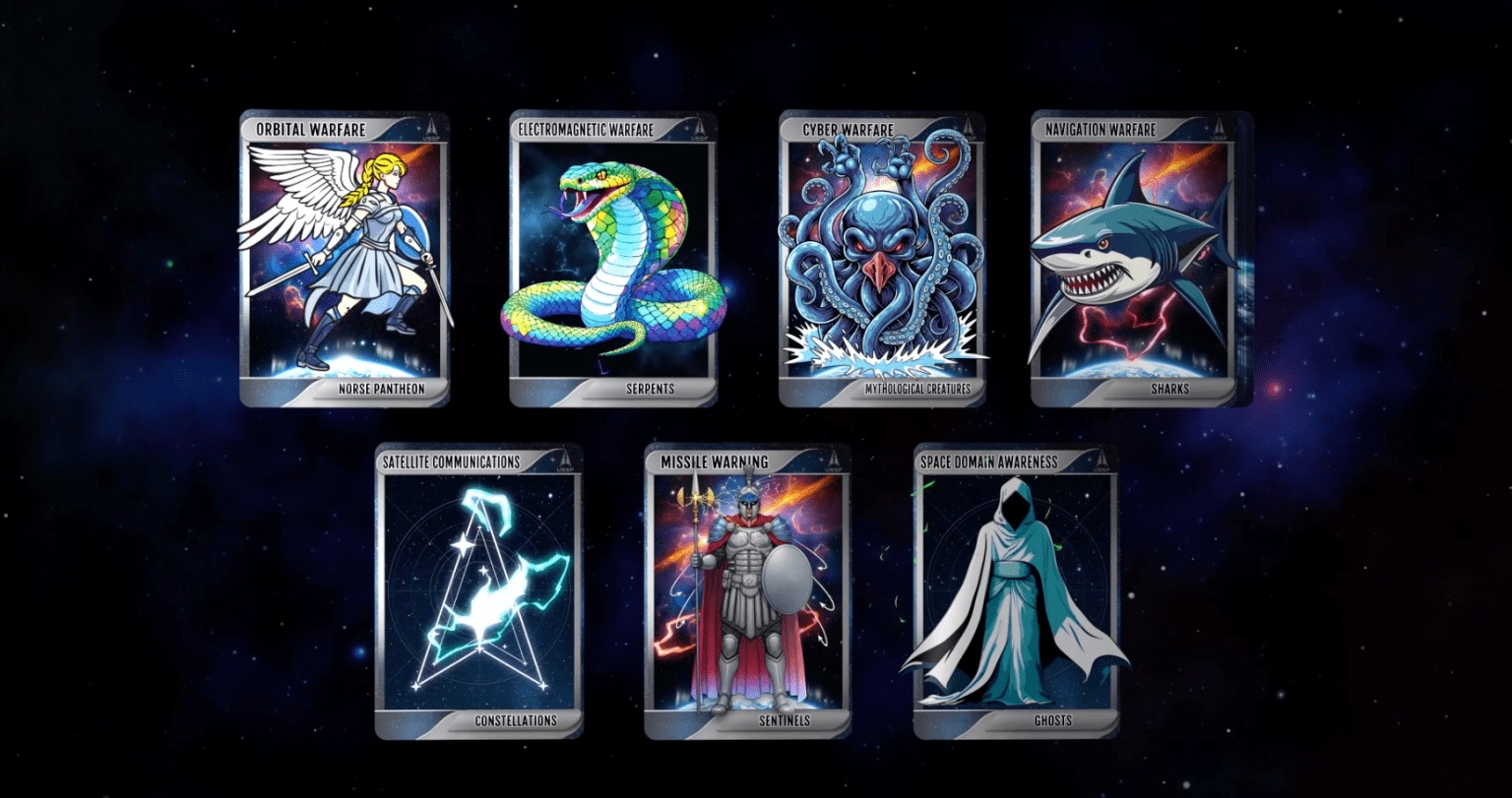
The goal is to create a vivid and recognizable identity, similar to the iconic names of military aircraft such as the F-22 Raptor. However, more mysterious sources of inspiration were chosen for space missions.
Seven categories of space weapons
Seven thematic categories were presented for different types of missions:
- Orbital warfare systems: Norse pantheon.
- Electromagnetic warfare systems: Snakes.
- Cyber warfare tools: Mythological creatures.
- Navigation warfare tools: Sharks.
- Satellite communications: Constellations.
- Missile warning: Sentinels.
- Space domain awareness systems: Ghosts.
Majorand Bridge in Asgard
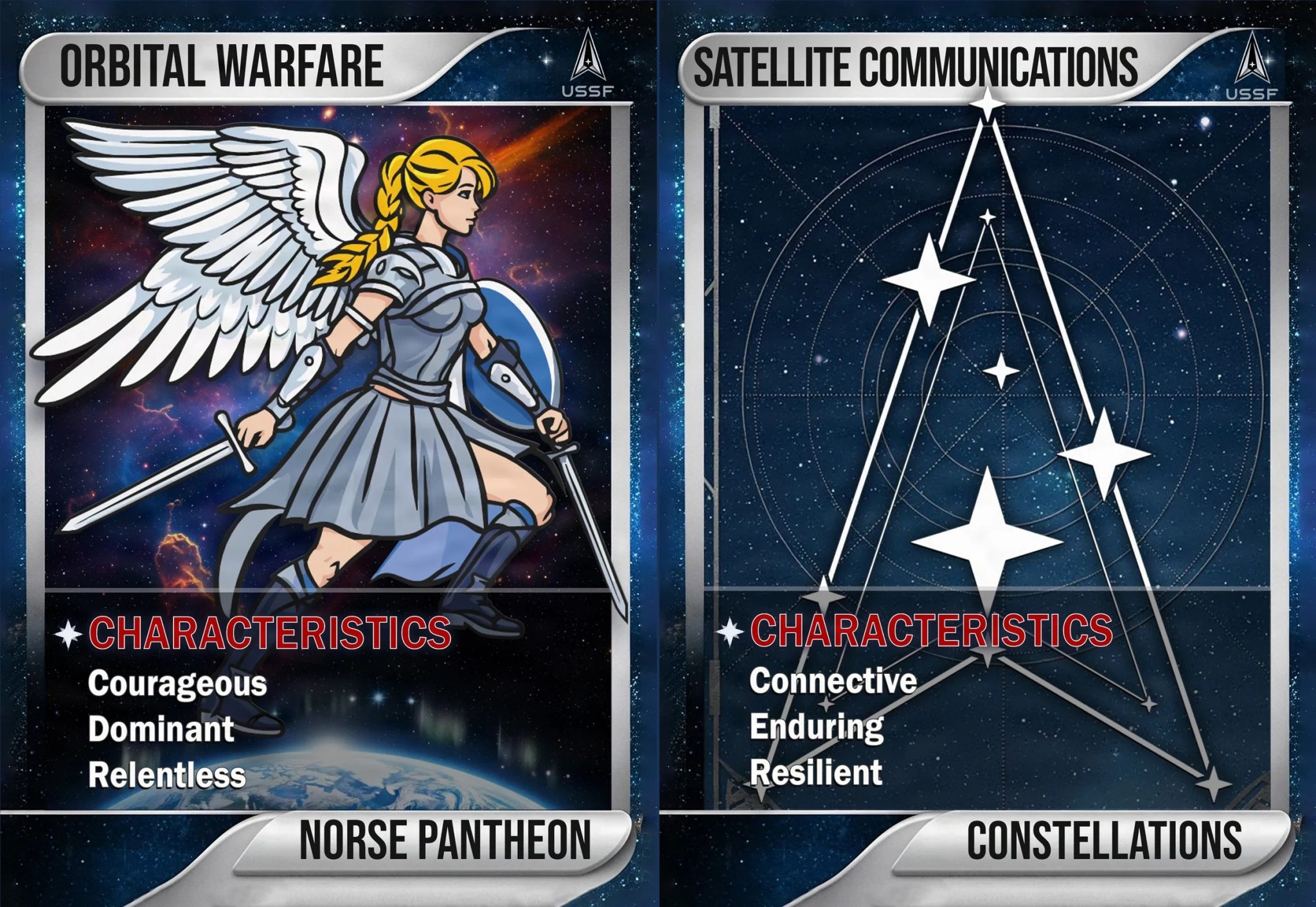
General Saltzman immediately gave two examples. The geostationary communications satellite will now be called Ursa Major – a symbol that always helps to find the North Star.
Another satellite tracking system was named Bifrost, after the mythical bridge connecting the mortal world of Midgard with the world of the gods, Asgard, in Norse mythology. This name symbolizes the connection between different orbital systems.
Why is this necessary?
The new naming system has several objectives. First, it helps build the corporate identity of the US Space Force. Second, due to the high level of secrecy surrounding many space assets, the public and the military rarely see them “face to face.” Catchy names become a kind of “face” for missions, making them more understandable and transparent, even if the actual technology remains shrouded in secrecy.
Earlier, we reported on how a US Space Force general did not understand the purpose of a strange Pentagon unit.
According to spacenews.com

