

We have already told you about a number of high-profile space accidents. Each of them resulted in human casualties and had very serious consequences for the development of space exploration.
But we must not forget that not every extraordinary event in space leads to tragedy. There have been many dangerous incidents in the history of space exploration that ended well. In some situations, emergency systems saved the space explorers. In others, it was the coordinated work of the Mission Control Center. And sometimes they just got lucky. Today, we will tell you about five of the most famous cases of happy endings in space.
NASA’s spectacular failure
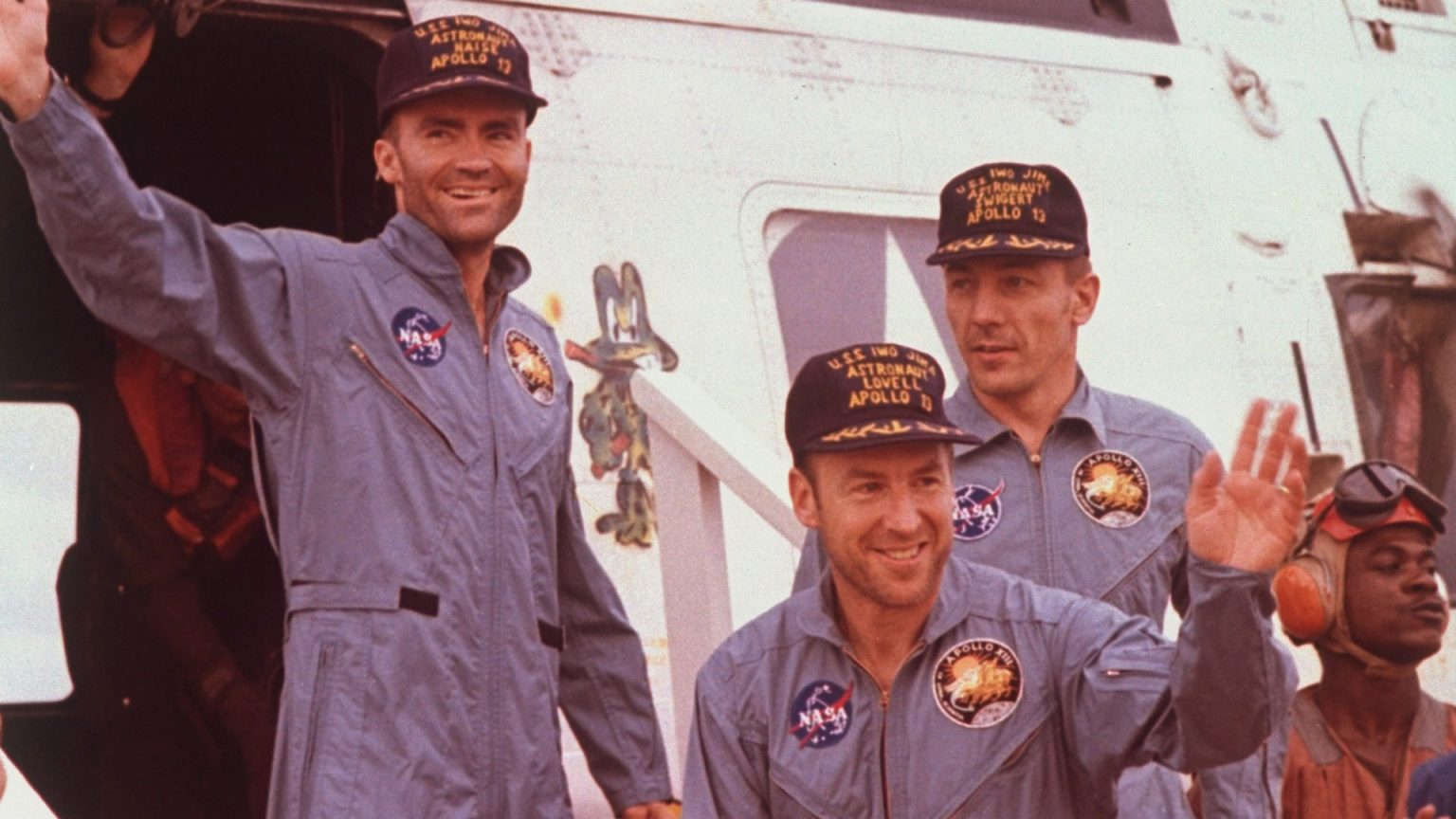
The Apollo 13 mission is often referred to as NASA’s brilliant failure. And this is quite natural. Despite the extremely difficult situation in which the three American astronauts found themselves, they managed to bring the damaged spacecraft back to Earth and return home safely.
It all began on March 13, 1971, when Apollo 13 was 330,000 km away from our planet. During a routine procedure to mix fluids in the ship’s tanks, an explosion occurred. Subsequent events unfolded rapidly. The ship began to lose oxygen rapidly, which led to a rapid loss of energy in the command module (it was produced by fuel cells as a result of a chemical reaction using oxygen and hydrogen).
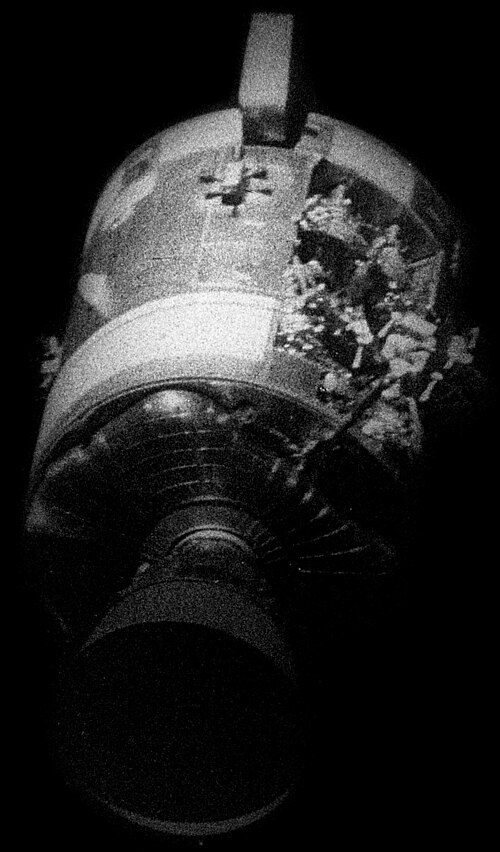
In this situation, Mission Control quickly made the only correct decision to use the Apollo lunar module, which had its own life support system, as a lifeboat for the crew. However, this was only the beginning of the struggle to save the astronauts’ lives. NASA had to solve a multitude of problems, each of which could have resulted in the death of the crew. How could they perform the maneuvers necessary to return to Earth when the command module’s engine was clearly damaged? How to get rid of the increasing concentration of carbon dioxide in the lunar module, since its life support system was designed for only two astronauts, while there were now three people in it? And how to provide the command module’s system with the electricity necessary for its landing?
Over the next four days, NASA specialists and astronauts demonstrated their ingenuity. The necessary maneuvers were performed using the lunar module’s engines. The carbon dioxide problem was solved with the help of a sophisticated air purification system developed by engineers and assembled from materials available on board Apollo 13. The lunar module’s batteries were used to recharge the command module. It is also worth mentioning that due to the energy shortage, the temperature in the spacecraft dropped significantly. In addition, the astronauts had to carefully conserve water, which was needed for the spacecraft’s cooling systems.
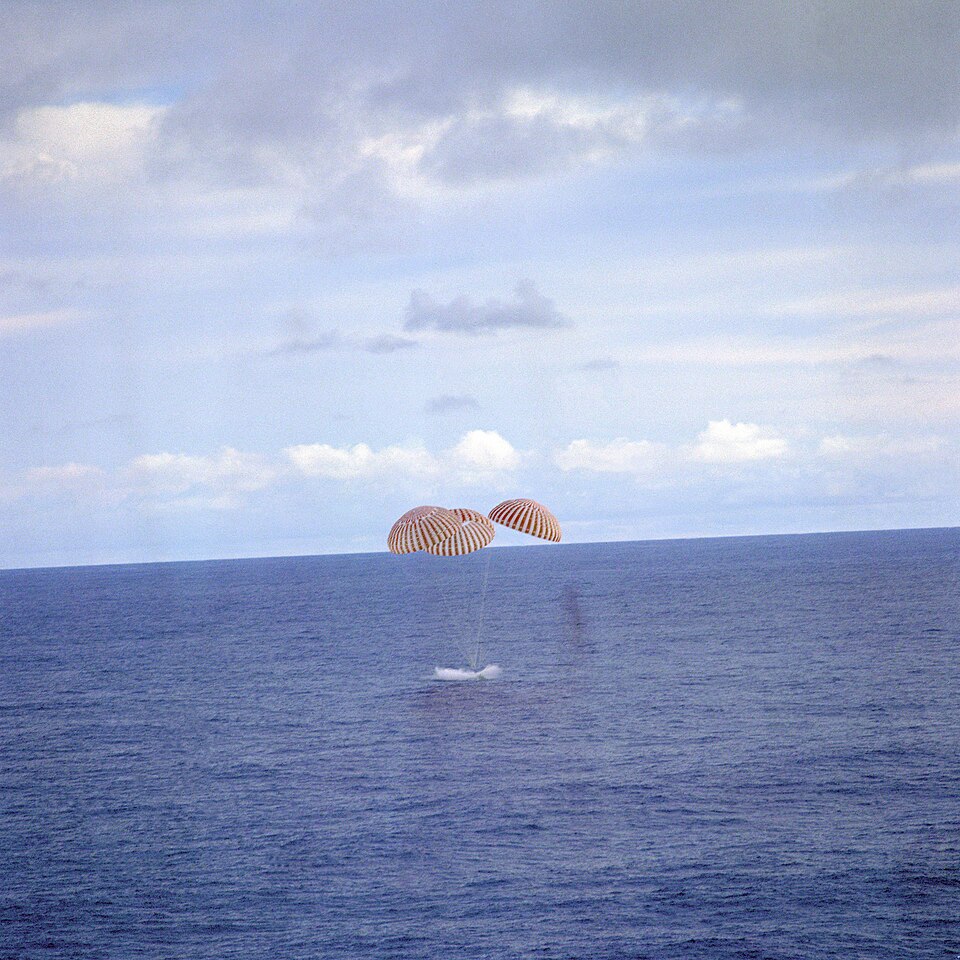
Finally, on April 17, 1971, the capsule with three astronauts returned to Earth. Despite the formal fiasco, the Apollo 13 mission is still remembered today as one of the most remarkable pages in NASA’s history and an example of how the brilliant work of ground services and the courage of the crew helped them get out of a seemingly hopeless situation.
Hard landing in the mountains
On April 5, 1975, a Soyuz rocket carrying the Soyuz-18 spacecraft was launched from the Baikonur Cosmodrome. It was supposed to deliver cosmonauts Vasily Lazarev and Andrey Makarov to the Salyut-4 orbital station.
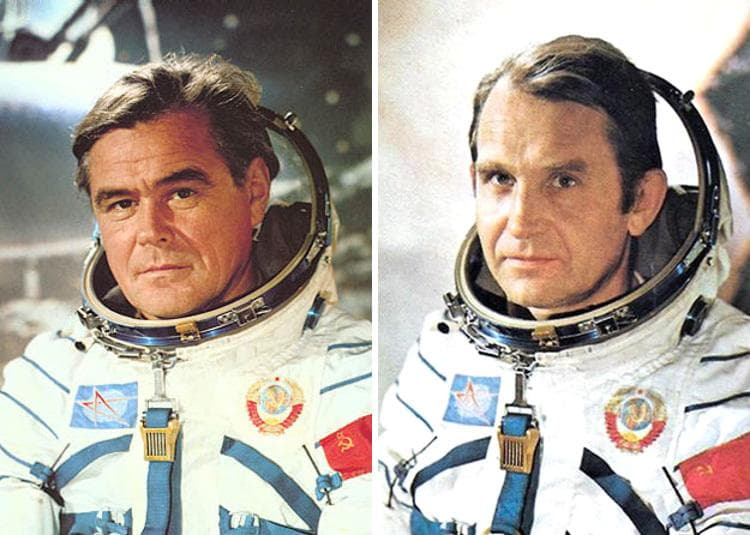
They never reached orbit. At first, the flight proceeded normally. But at the stage of separation between the second and third stages, this separation did not occur. As a result, after the third stage, engines were activated, and they effectively “knocked out” the second stage, causing the rocket to spin and deviate from its intended trajectory. This activated the launch escape system (LES), which separated the descent module with the cosmonauts from the rocket.
However, that is not the end of the story. The automation incorrectly determined the “top” and “bottom” of the ship. Instead of turning the Soyuz upright to create lift, it turned it upside down. As a result, the cosmonauts experienced much higher g-forces than they should have. Different sources cite different figures – from 20 to 26 g.
Eventually, the capsule with the cosmonauts landed on the slope of Mount Teremok-3, southwest of the city of Gorno-Altaysk. According to the instructions, after landing, the crew had to shoot the parachute. But the cosmonauts realized that they were in the mountains, so they did not do so, which saved their lives. The capsule began to roll down the slope, but the parachute caught on a broken pine tree 150 meters from the cliff.
The cosmonauts, who miraculously survived, were not sure where they were – in the USSR or China – so they burned the secret documents. Rescuers were only able to reach them the day after landing. One of the groups was buried by an avalanche, but fortunately, there were no casualties.
The enormous stress endured by the crew took a toll on their health. While Andrei Makarov flew twice more on a Soyuz spacecraft, Vasily Lazarev was unable to fully recover and never returned to space. It is also worth noting that since the USSR did not assign names to unsuccessful launches, Lazarev and Makarov’s suborbital flight has no official designation. Various sources now refer to it as either Soyuz 18-1 or Soyuz 18-A.
A miraculous rescue seconds before death
The incident that occurred at the Baikonur Cosmodrome on September 26, 1983, is still considered one of the most incredible rescues in the history of cosmonautics. On that day, the Soyuz T-10 spacecraft was scheduled to launch with cosmonauts Vladimir Titov and Gennady Strekalov on board. They were headed for the Salyut-7 orbital station.
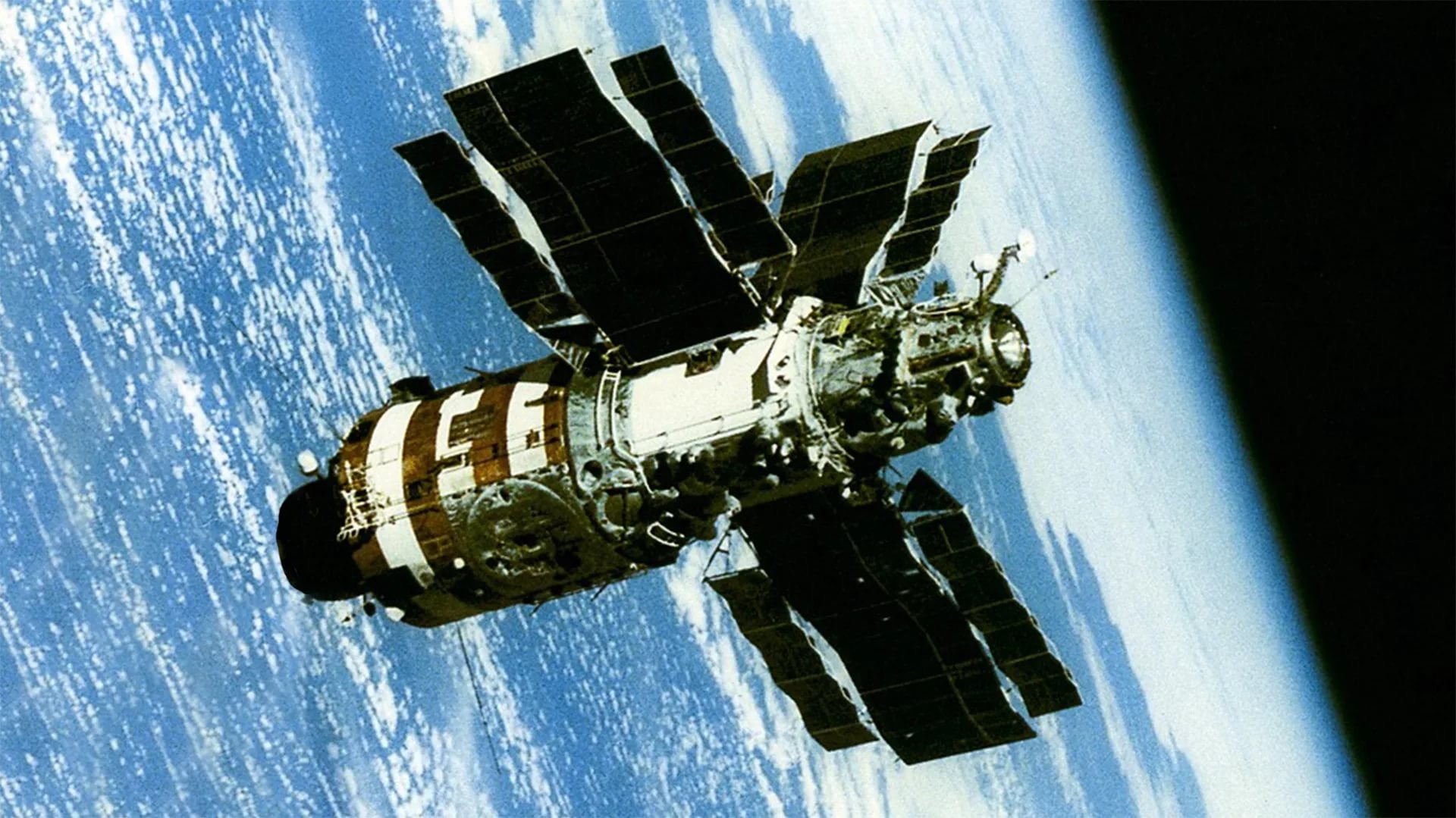
Interestingly, this was the second flight of this particular pair of cosmonauts to Salyut 7. They first set off for the station aboard the Soyuz T-8 spacecraft in April 1983, but due to technical problems, they were unable to dock with it and returned to Earth ahead of schedule.
This time, the cosmonauts were also not destined to board Salyut-7. Just 48 seconds before launch, the carrier rocket caught fire. The fire burned some of the cables that transmitted information about the rocket’s status, so observers at Baikonur noticed the fire only twenty seconds before launch. Another ten seconds were spent figuring out what was happening and giving the command to activate the LES. Two seconds after the main unit separated from the rocket, it collapsed and fell into the launch pad pit. In other words, the fate of the two cosmonauts was decided in a matter of seconds.
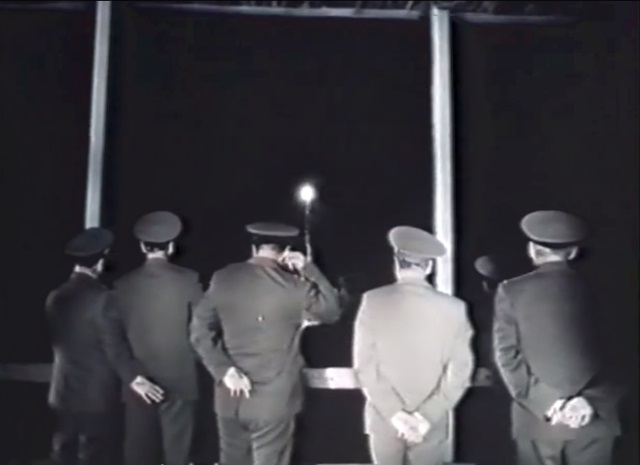
Unlike Soyuz 18-1, this time the emergency rescue system worked without any glitches. Solid-fuel accelerators moved the descending spacecraft away from the rocket, after which it deployed its parachutes and landed four kilometers from the launch pad. During the activation of the LES, the cosmonauts experienced overloads of 14 to 18 g. They were not injured and subsequently made several more flights into space.
Collision of the Progress spacecraft with the Mir space station
1997 was an extremely difficult year for the Mir orbital station. In February, an oxygen panel used to restore the atmosphere caught fire. The station quickly filled with smoke. At that moment, there were six people on Mir, and the flames cut off the path to one of the ships. This meant that if the fire could not be extinguished, half of the crew would not be able to evacuate to Earth.
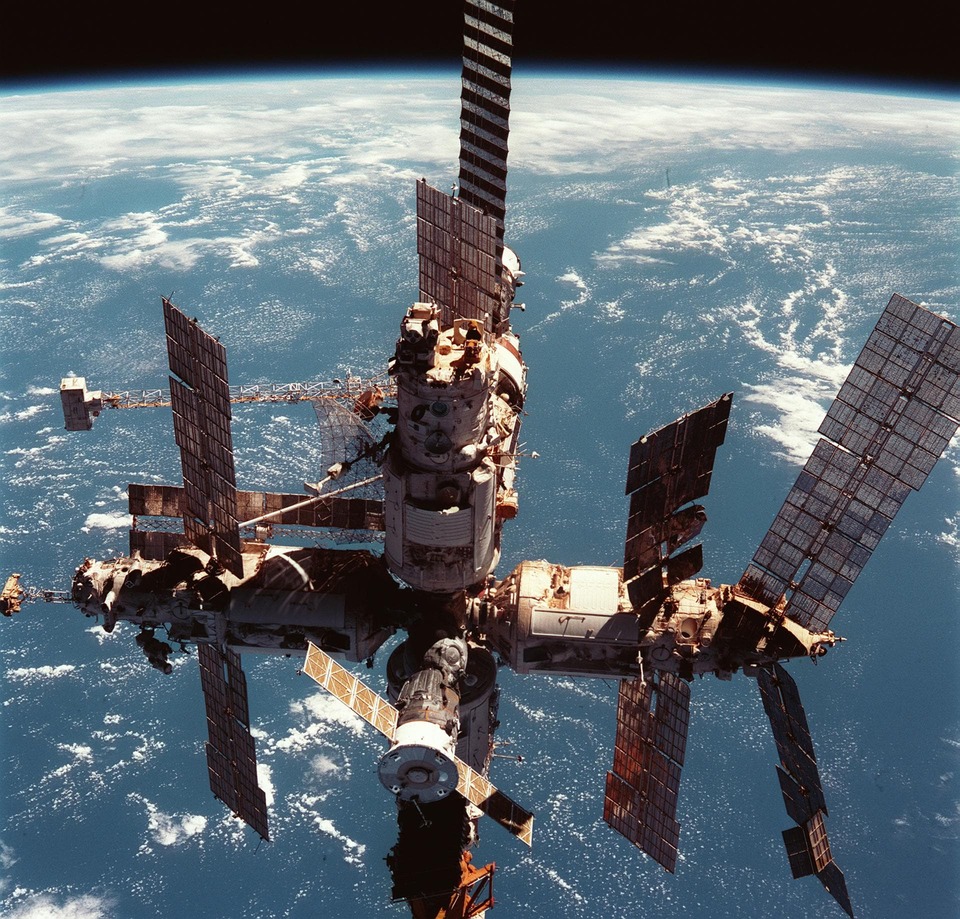
Fortunately, the cosmonauts managed to extinguish the fire. But that wasn’t the end of their troubles. In March, the oxygen regeneration unit broke down on Mir, followed by the air conditioning system. As a result, the temperature inside Mir rose to 50 °C, and due to an ethylene glycol leak, the crew had to breathe toxic fumes for some time. After the arrival of Progress with the necessary spare parts, the crew managed to repair the faulty systems and normalize the situation. And then they were literally hit. On June 25, the Progress-M34 supply ship crashed into Mir.
The accident that nearly killed cosmonauts Vasily Tsibliev and Alexander Lazutkin, as well as astronaut Michael Foul, occurred due to a trivial desire to save money. The fact is that the Kurs automatic docking system used on Russian spacecraft was manufactured in Ukraine. And then some “bright” mind came up with the idea of conducting a visual experiment with manual docking in space in order to use its results to abandon the Kurs system in the future and stop paying our country. To do this, they decided to use the Progress-M34 spacecraft, which was then planned to be sunk in the Pacific Ocean.
However, the authors of the experiment did not take into account that at that moment, Progress was heavily loaded with debris and had a large mass. Because of this, its approach speed significantly exceeded the calculated speed. At the same time, the ship was controlled using a remote control system that did not provide the highest quality image. This led to a predictable result. The cosmonauts noticed too late that Progress was moving at too high a speed. By that point, they were no longer able to slow it down or turn it aside.
Ultimately, Progress struck the newest module, Spectrum, causing a hole to form in it. Experts later calculated that the hole was approximately 3 cm2 in size. With a hole of this size, the pressure inside the station would have dropped to critical levels in just half an hour.
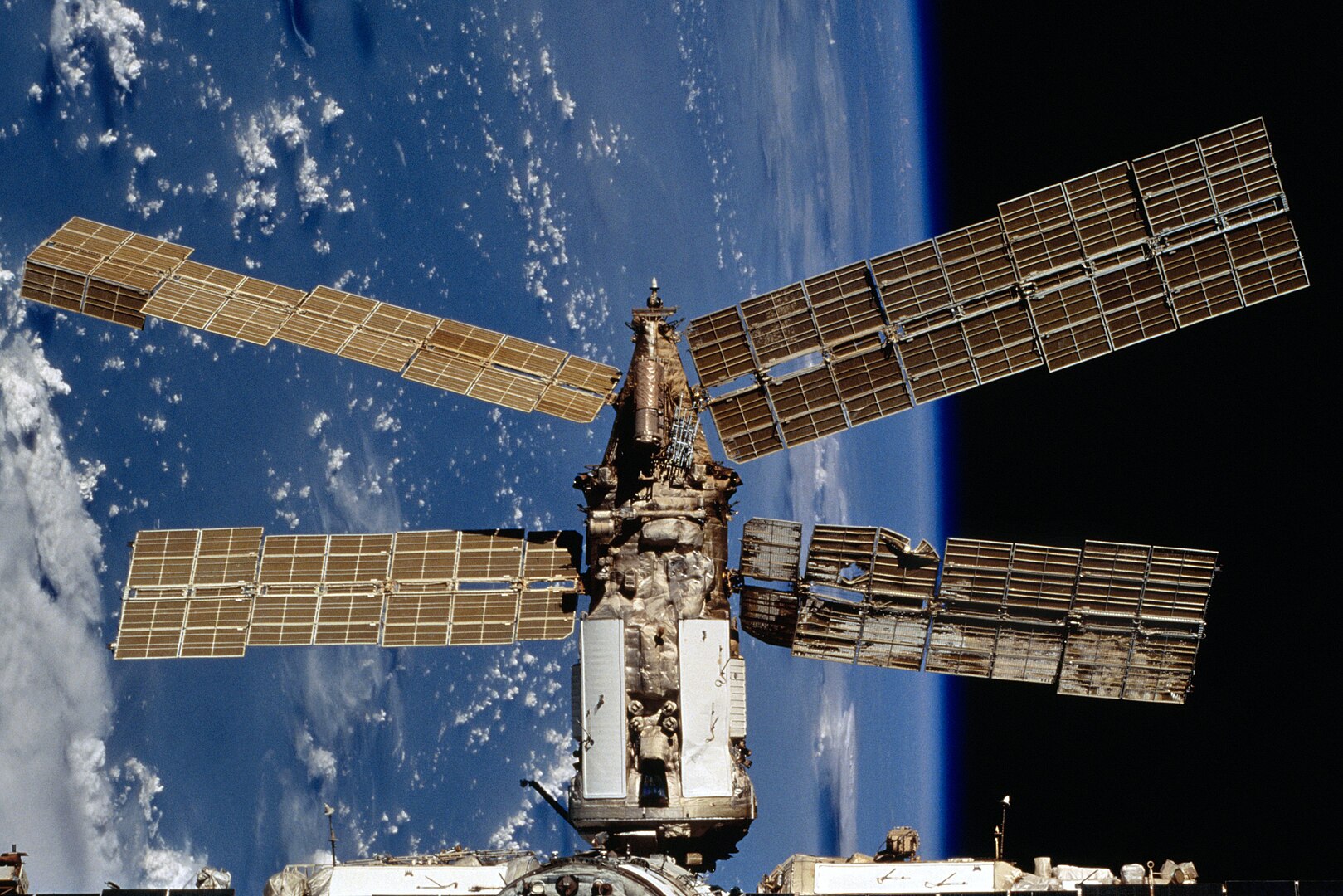
However, the crew acted quickly and stopped the air leak. They managed to isolate the damaged module very quickly and save Mir. The cost of this was the loss of about 40% of energy, because at the time of the accident, Spectrum was the main source of power for the station. Subsequently, the power supply was restored. There were also attempts to patch the hole in Spektr, but they were unsuccessful.
Although Mir survived all these accidents, they clearly demonstrated that the complex had become too dangerous to operate. As a result, the station took on its last crew in 2000 and was sunk in the Pacific Ocean in early 2001.
Rescue in front of the NASA chief
On October 11, 2018, a Soyuz-FG rocket was launched from the Baikonur Cosmodrome. The mission’s goal was to put the Soyuz MS-10 spacecraft into orbit with two ISS crew members – cosmonaut Alexei Ovchinin and astronaut Tyler Hague. At that time, Soyuz rockets had been the only means of transporting people into orbit for seven years. Roscosmos actively flaunted this fact, regularly raising the price per seat for American astronauts and mocking NASA’s plans to create private spacecraft.
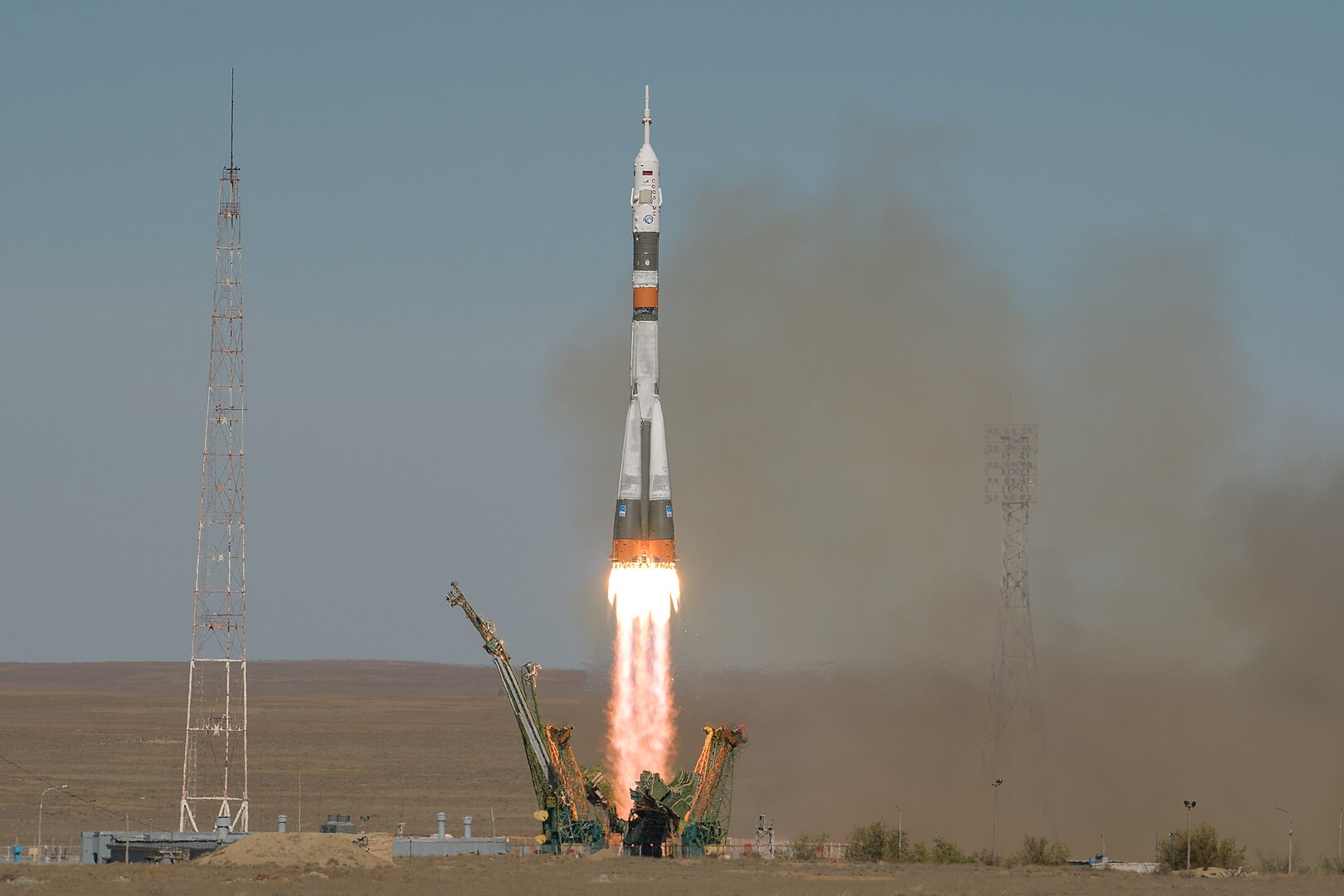
As part of the policy of establishing relations between the two space agencies, the then-head of NASA, Jim Bridenstine, arrived for the launch of Soyuz MS-10. Together with everyone else, he watched as the rocket took off from the launch pad and headed skyward. Then something unusual happened – the traditional “Korolev cross,” which forms when the four side boosters separate, did not appear in the sky. Instead, the rocket spun.
Later, it became clear what had happened. After separation, one of the side boosters struck the rocket, causing it to depressurize and lose control. Then the LES kicked in, steering the descending Soyuz spacecraft away from the dead carrier. It made a ballistic descent and landed 25 km east of the city of Jezkazgan. As for the crew, they got away with just some extra stress and a bad mood. In March 2019, Ovchinnikov and Hague finally went to the ISS aboard the Soyuz MS-12 spacecraft. This time, everything went well.
From today’s perspective, it is clear that the Soyuz MS-10 disaster was a prelude to a series of accidents and dangerous incidents that Russian cosmonautics faced. First, there was the story of the Nauka module, which barely made it to the ISS and then accidentally activated its engines, forcing NASA to declare an emergency on the orbital complex for the first time in history. Then there was the irresponsible testing of Russian anti-satellite weapons, which now forces the ISS to regularly dodge the resulting debris. And in December 2022, the Soyuz MS-22 spacecraft suffered a coolant leak, which made it unsafe to use and left Russian cosmonauts without a lifeboat for several months. It is quite likely that this is far from the last such incident.
This article was published in issue No. 1 (189) of 2023 in Universe Space Tech magazine. You can purchase this issue in electronic format from our store.

