

Scientists have discovered a new source of the greenhouse gas methane in Earth’s oceans that was previously unknown. They are now concerned that it could contribute to warming our planet in a way that has never been accounted for in any climate model.
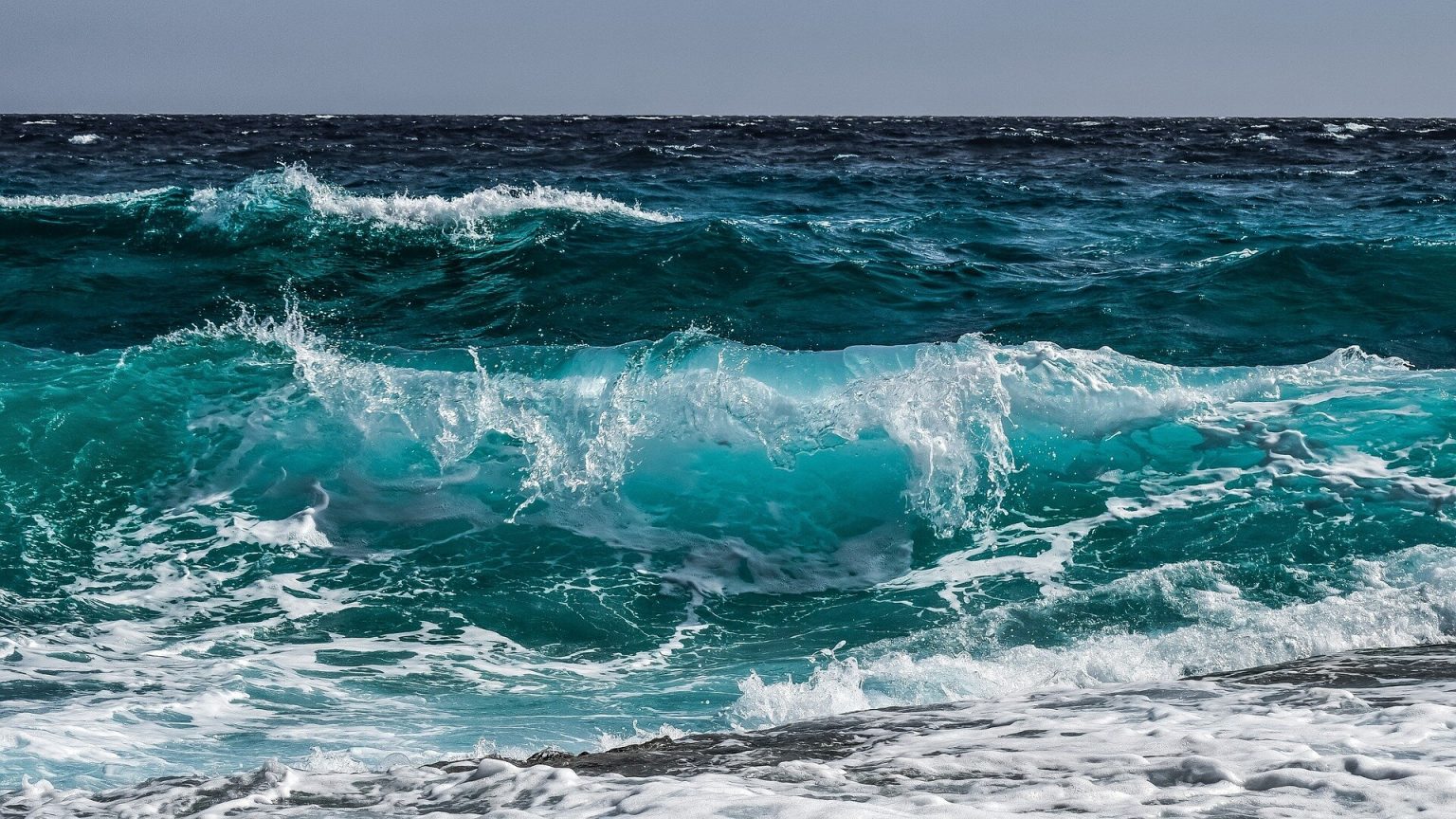
A new source of methane in the oceans
The world’s oceans may be quietly intensifying climate change in ways that scientists are only beginning to understand. In a new study published in the journal Proceedings of the National Academy of Sciences, researchers from the University of Rochester — including Thomas Weber, an associate professor in the Department of Earth and Environmental Sciences, and his colleagues — have identified a key mechanism for methane formation in the open ocean. Their research suggests that this mechanism could intensify as the planet warms, creating a concerning feedback loop for global warming.
Methane is a potent greenhouse gas, and for decades scientists have been puzzling over a paradox: the ocean’s surface waters constantly release methane into the atmosphere, even though these waters are rich in oxygen. Traditionally, methane formation has been associated with oxygen-free environments, such as wetlands or deep sediments.
Unraveling the mystery of oceanic methane
Weber’s team began to unravel this mystery using a global dataset and computer modeling. Their findings point to a specific microbial process responsible for methane formation in the ocean: certain bacteria produce methane as a byproduct when breaking down organic compounds, but only under conditions of phosphate — a key nutrient — limitation.
This means that phosphate deficiency is the primary factor regulating methane production and emissions in the open ocean.
These findings are changing scientists’ understanding of methane formation in the ocean. Methane formation in oxygen-rich environments may be a common occurrence in regions where phosphate is limited, rather than a rare or unusual process.
Detection of a harmful feedback loop in the ocean warming process
However, this study does not stop at explaining the current formation of marine methane—it also paints a troubling picture of the future. “Climate change is warming the ocean from the top down, increasing the density difference between surface and deep waters,” Weber says. “This is expected to slow the vertical mixing that carries nutrients like phosphate up from depth.”
According to the research team’s model, if vertical mixing decreases, surface waters may suffer increasingly from a lack of nutrients, creating ideal conditions for the proliferation of methane-producing microorganisms.
Weber warns that this will result in increased methane emissions from the ocean into the atmosphere. Because methane is a very potent greenhouse gas, this creates the risk of a harmful feedback loop: warming oceans lead to increased methane emissions, which in turn contribute to further warming.
These results highlight that even processes occurring at the microscopic level in the ocean can have global consequences.
Importantly, this feedback is not yet included in major climate prediction models. As researchers continue to refine these models, accounting for such feedback may be essential for accurately forecasting the pace and scale of future climate change.
According to phys.org

