

Gemini was an American program in the 1960s, during which 12 launches of spacecraft of the same name were carried out. Its main goal was to teach people and technology to rendezvous and dock in space. In the future, this allowed the next important step to be taken – sending Apollo spacecraft to the Moon.
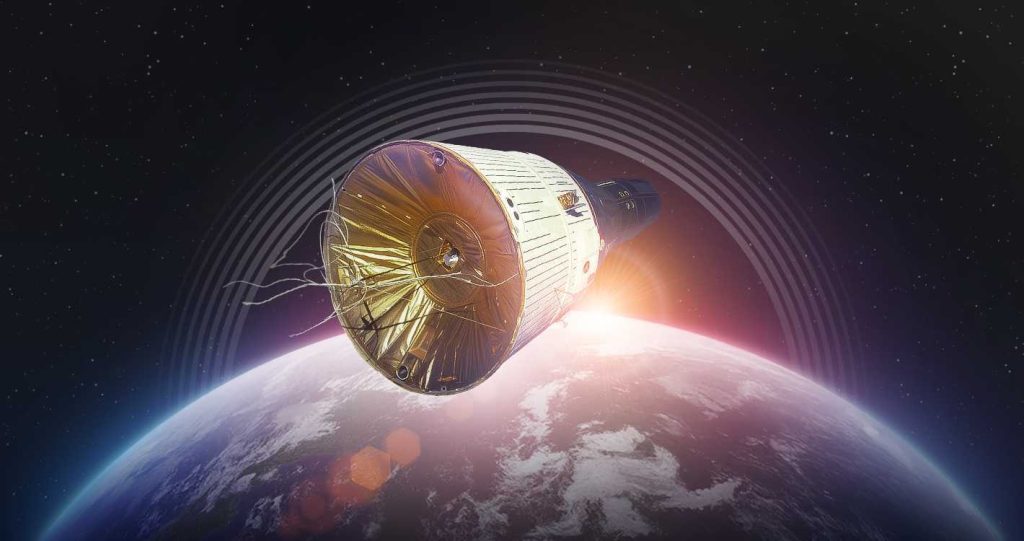
Why was the Gemini program created?
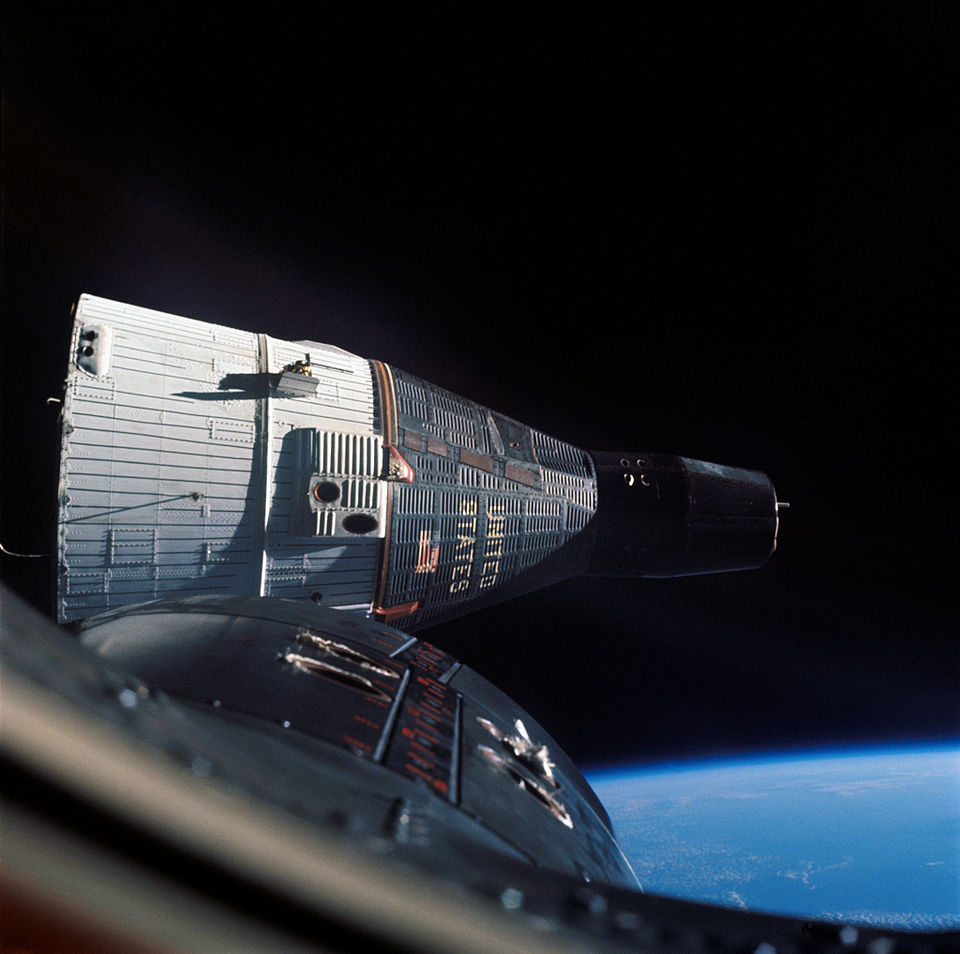
Exactly 60 years ago, on December 15, 1965, four astronauts were in Earth’s orbit at the same time for the first time. This happened during the flight of the Gemini-6 and Gemini-7 spacecraft. At one point, the ships were less than 2 meters apart, and the astronauts could clearly see each other through the portholes.
They did all this for a reason, but to understand the purpose and significance of that meeting in orbit, we need to go back to the first half of the 1960s. The space race is in full swing. The USSR won the first stage – the launch of the first satellite and the first man into orbit – but the US is hot on its heels. The Americans need to achieve something that their opponents can only dream of.
The next goal, the achievement of which will provide a reliable advantage, has already been defined – a flight to the Moon. A general flight plan for the Apollo program has already been approved, but it involves several things that NASA has not done before: maneuvers in orbit, rendezvous and docking of spacecraft in orbit, and extravehicular activities.
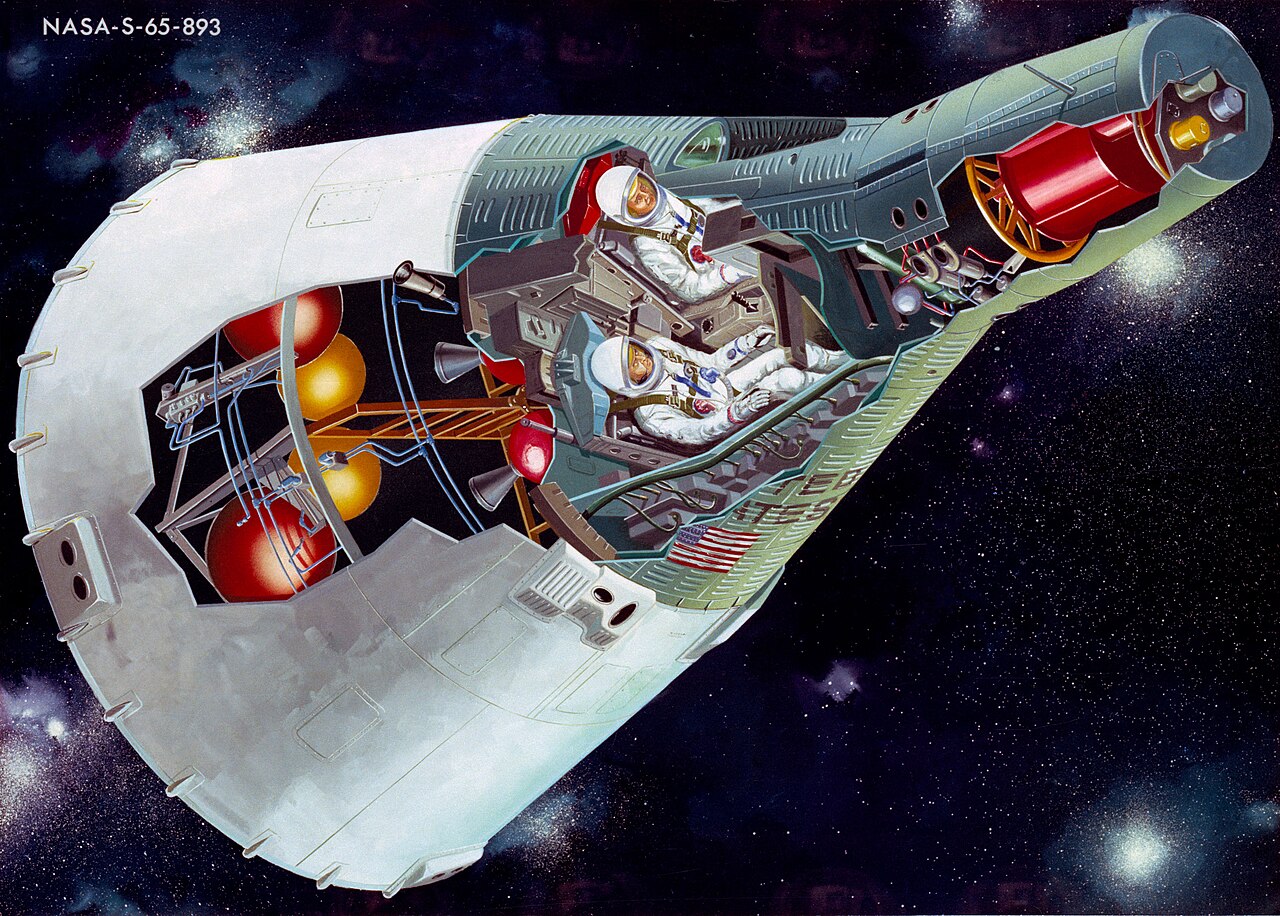
And all this had to be worked out in safer conditions. So, in parallel with the construction of Apollo spacecraft, landing modules, and giant Saturn 5 rockets, it was decided to implement a much simpler and less ambitious program called Gemini.
It was based on the ship of the same name, which was an enlarged version of the previous Mercury manned orbital vehicle. It differed from it in that it was a two-seater, had a docking hatch, and improved capabilities for orbital maneuvers. A modified Titan II ballistic missile was used for launches, which made it possible to minimize preparation time for the program’s implementation.
First flights
A separate selection of astronauts was conducted for the Gemini program in 1962. Initially, there were 508 pilots, whose number was gradually reduced until there were only seven left, who began to be trained for flights with the future goal that these same people might then fly to the Moon.
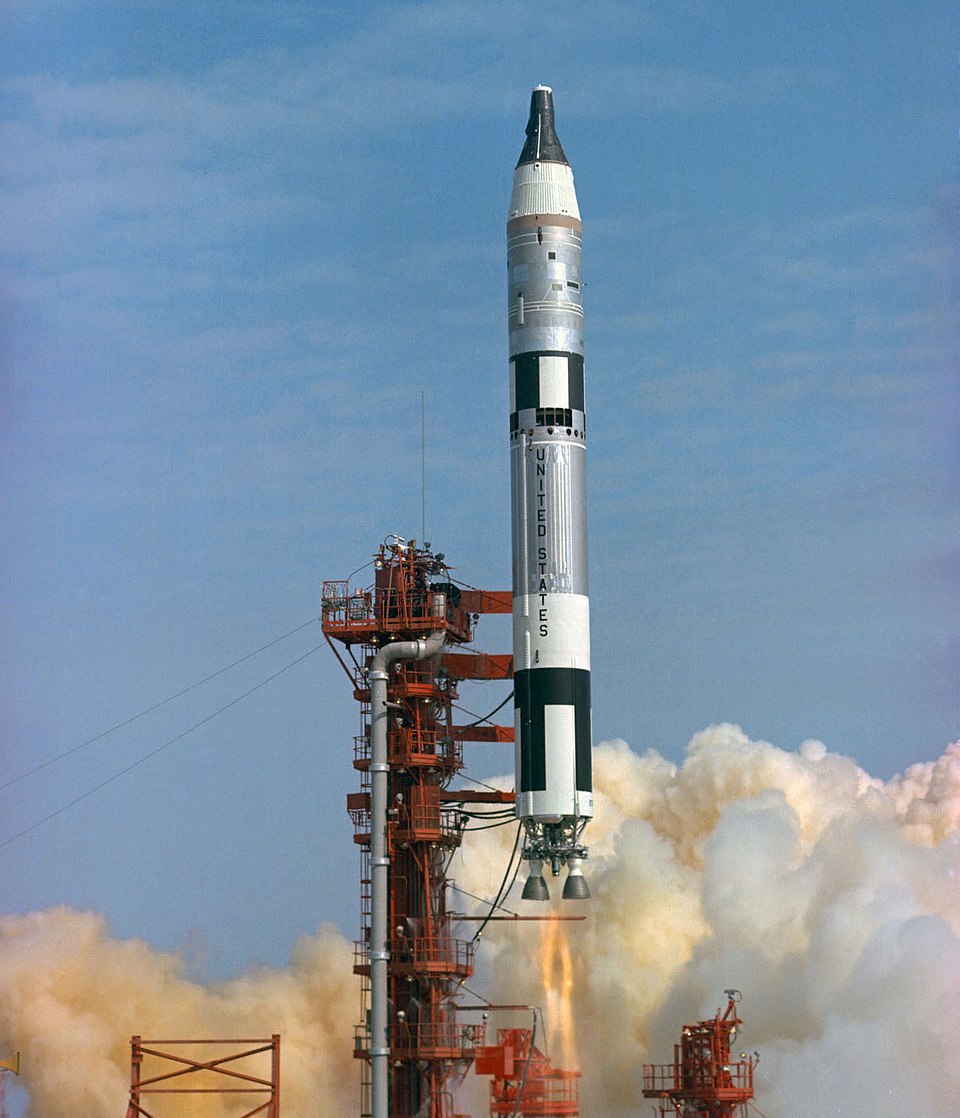
However, it all started with unmanned missions. The first one took place on April 8, 1964. The main goal was to check how the spacecraft would enter orbit and activate all its systems. This task was completed in 4 hours and 50 minutes, but the spacecraft remained in orbit for another four hours before burning up in the atmosphere. It simply did not have a heat shield.
It was tested along with the entire Earth return system during the subsequent Gemini-2 mission. It took place on January 19, 1965, and lasted only 18 minutes and 16 seconds. In fact, it was just a suborbital flight, during which the rocket left the atmosphere, the spacecraft separated, and landed.
Both flights were deemed successful, and two astronauts, Virgil Grissom and John Young, were sent into orbit on the next Gemini-3 mission. The latter died during ground tests for Apollo-1. The second flew to the Moon and on the shuttle, and left NASA in the 21st century. But back in March 1965, their mission was simple: to orbit our planet several times and land safely in a designated area. At that time, even that was not easy, but they did everything right.
Next was the Gemini-4 mission, which took place from June 3 to 7. The main event during this mission was the first American spacewalk. It was performed by Edward White while his colleague James McDivitt remained in the cabin. Soviet cosmonauts had made their first spacewalk just three months earlier, on March 18. The gap in the space race had narrowed to a minimum.

Record-breaking flights
The Americans managed to pull ahead during the next flight, which was carried out by the Gemini-5 spacecraft. Gordon Cooper and Charles Conrad managed to break the flight duration record set in 1963 by Valery Bykovsky on Voskhod-5. The Americans spent 7 days, 22 hours, and 55 minutes in orbit. Also during this flight, fuel cells for providing electrical power were tested for the first time.
At the same time, astronauts attempted to perform a rendezvous maneuver with another spacecraft for the first time. For this purpose, an Agena rocket was launched from the ground – essentially just an empty upper stage of a launch vehicle. However, this task was not successful.
Then December 1965 arrived. Initially, two manned launches were planned, during the first of which (Gemini-6) Walter Schirra and Thomas Stafford would again attempt to rendezvous with another Agena, but the launch of the latter, which was supposed to take place before their launch, was unsuccessful.
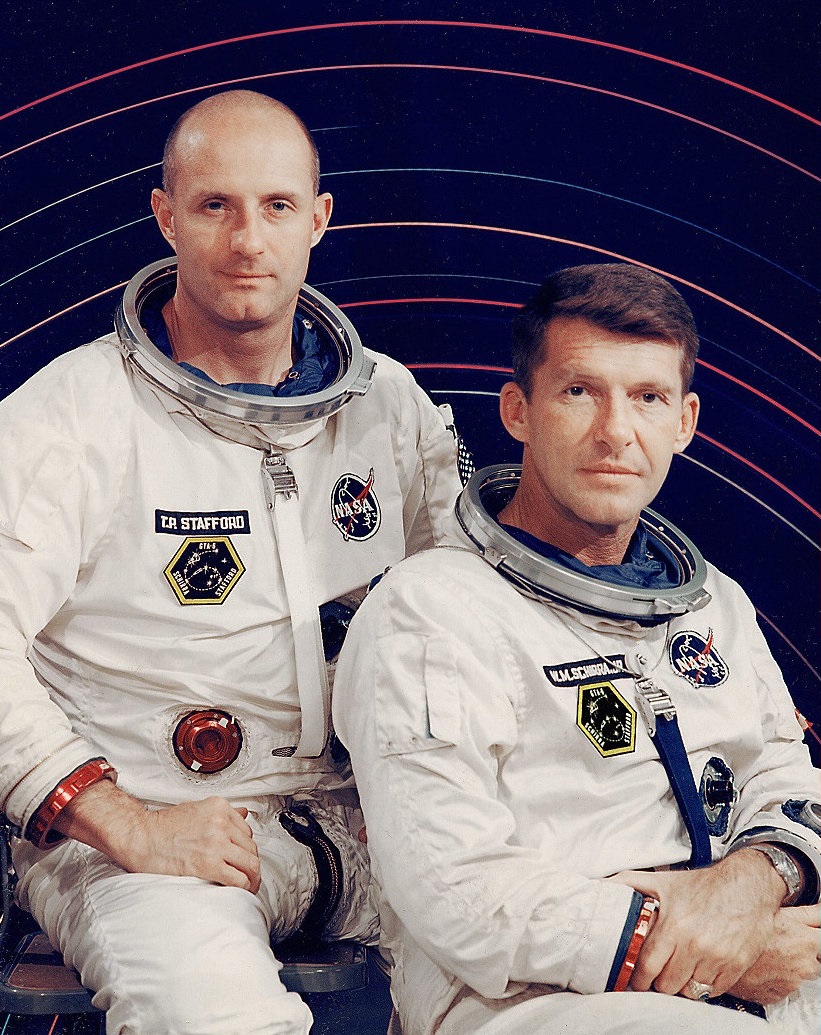
Therefore, plans had to be revised. Initially, on December 4, Gemini-7 was launched into space with Frank Borman and James Lovell on board. They had their own mission – to set a new record for flight duration and stay in space for 14 days. They accomplished it.
However, at the same time, it was decided that Gemini-6 would be launched into space on December 15, and shortly thereafter, the ships would attempt to rendezvous. They succeeded, demonstrating that NASA could handle one of the most difficult tasks during a flight to the Moon – the rendezvous of modules in space.
But getting close does not mean docking. That was the next big task, and it was accomplished by Neil Armstrong and David Scott aboard Gemini-8. The flight took place in March 1966, and this time, Agena successfully entered orbit, was successfully “caught”, and docked. The Apollo program was getting closer and closer.
Completion of the Gemini program
After that, there were four more flights under the Gemini-9 program. The flight was originally supposed to involve Elliot See and Charles Bassett, and was scheduled to take place in May 1966. However, on February 28, both pilots were killed in a T-38 training aircraft accident. Their places were taken by substitutes Thomas Stafford and Eugene Cernan.
But that was not the end of the trouble. Agena, whose docking was one of the main objectives of the mission, again failed to reach orbit, so they had to wait for a replacement. The launch was postponed, and this time the astronauts managed not only to approach it, but also to make two spacewalks.
Gemini-10, with John Young and Michael Collins on board, launched on July 18, 1966. This time, the astronauts managed to rendezvous with two target rockets. In addition, they performed two spacewalks.
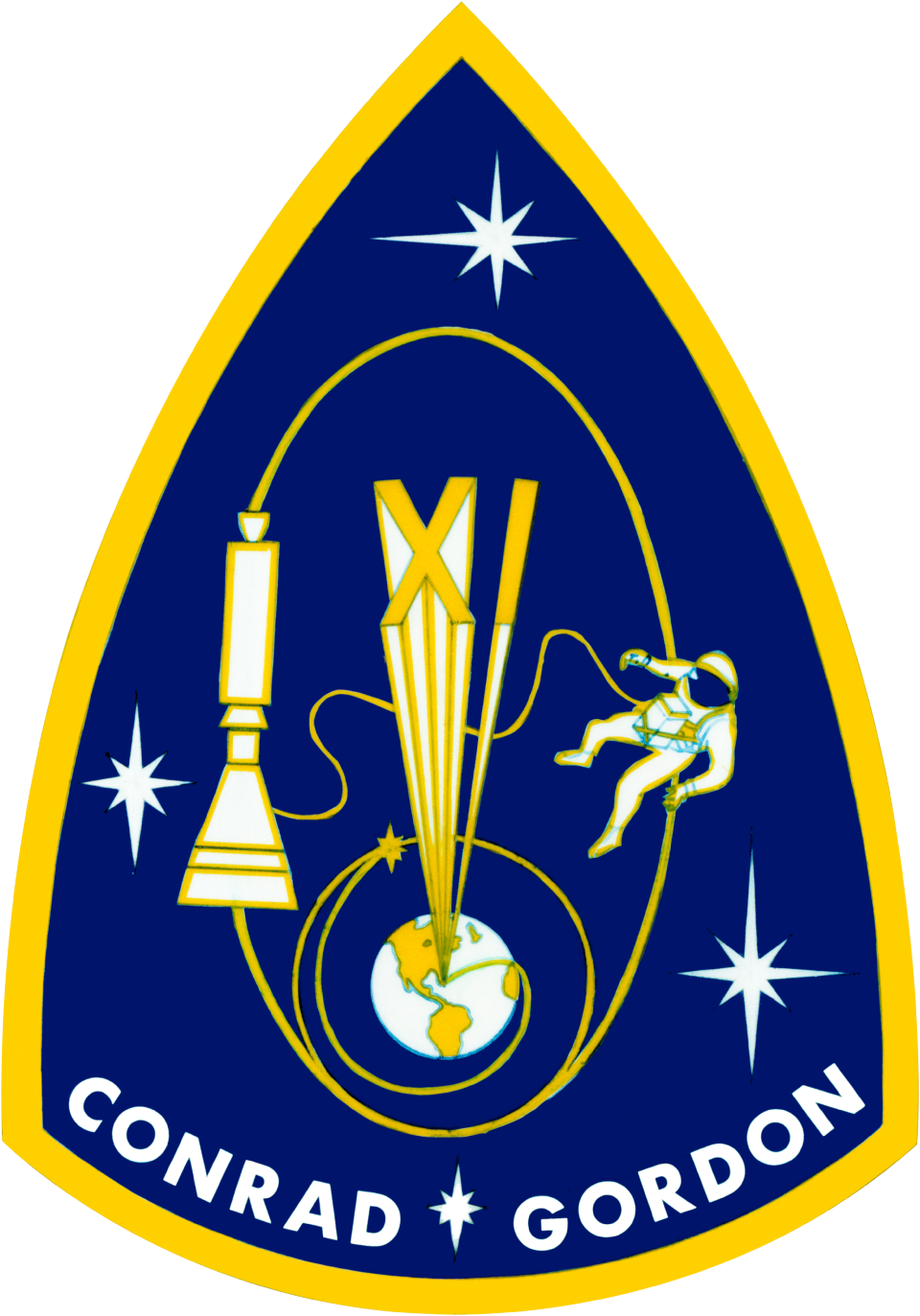
Gemini-11, with Charles Conrad and Richard Gordon, launched in September of the same year, 1966. This time, the goal of the flight was to set a new record. The spacecraft traveled 1,374 km from Earth. In addition, the astronauts performed a spacewalk and conducted a series of experiments.
It was clear that everything that could be worked out on Gemini had already been worked out, and it was time to move on to Apollo. However, NASA management decided to work out the rendezvous, docking, and spacewalk procedures one more time. This is what the Gemini-12 crew did in November 1966.
The Gemini program ended, but not because it failed. On the contrary, it proved to be very successful, as American astronauts and engineers gained the most important thing – practical experience not only of flying in space, but also of purposeful work in it. This experience later came in handy not only during trips to the Moon, but also for the entire exploration of outer space.
Interestingly, when the Soviet Union learned about the Gemini and Apollo programs, it immediately perceived them as a threat to its leadership in space.
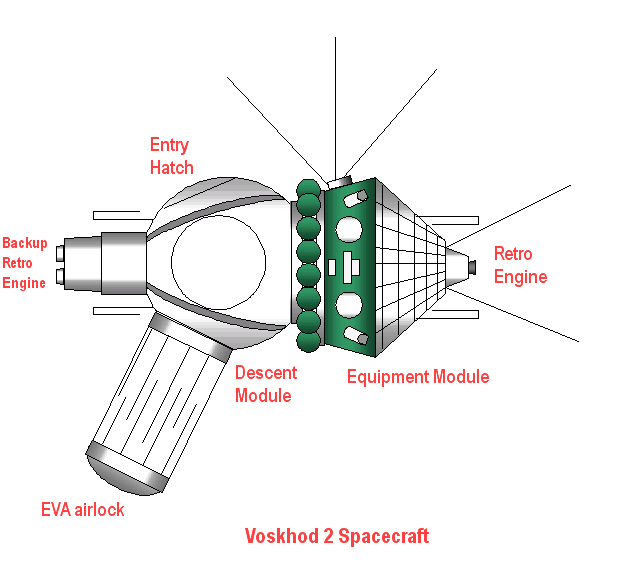
Soviet engineers attempted to implement a program very similar to Gemini, called Voskhod. And it even had some success. It was by stepping out of one of these spacecraft into open space that Alexei Leonov became the first person to do so. However, even in the Soviet Union, they understood that removing the ejection seat from the small Vostok to convert it from a single-seat spacecraft into a two- or even three-seat spacecraft was a very bad decision.
And most importantly, it is unclear why such risks were taken, since Gemini was valuable primarily as the first step toward Apollo, and by 1966-67, it was clear that the Soviet space program was not keeping up with it. In the end, Soviet cosmonauts did gain the same experience that allows them to feel at home in space. There, they reoriented their space program toward the exploration of Earth’s orbit.
But it is interesting in the Gemini program. These “basic orbital maneuvering exercises,” without which neither the station could be built, nor other planets could be reached, were completed by the USSR and the US back in the 1960s. But since then, despite the fact that many countries have declared themselves spacefaring nations, only one of them has been able to repeat this feat. We are talking about China, which in the 21st century was able to implement the Shenzhou and Tiangong programs. It seems that the Gemini “training” program is not so simple after all.

