

Modern scientific instruments allow astronomers to detect specific molecules in the atmospheres of exoplanets, in nebulae hundreds of light-years away, and even in the most distant corners of the Milky Way. Over nearly a century of research, beginning with the first discovery in 1937, the catalog of space chemistry has grown to include more than 350 extraterrestrial molecules. Every year, this list grows by dozens of new entries. A significant portion of these discoveries are precursors to biomolecules—the building blocks, so to speak—that may shed light on the origins of life in space.
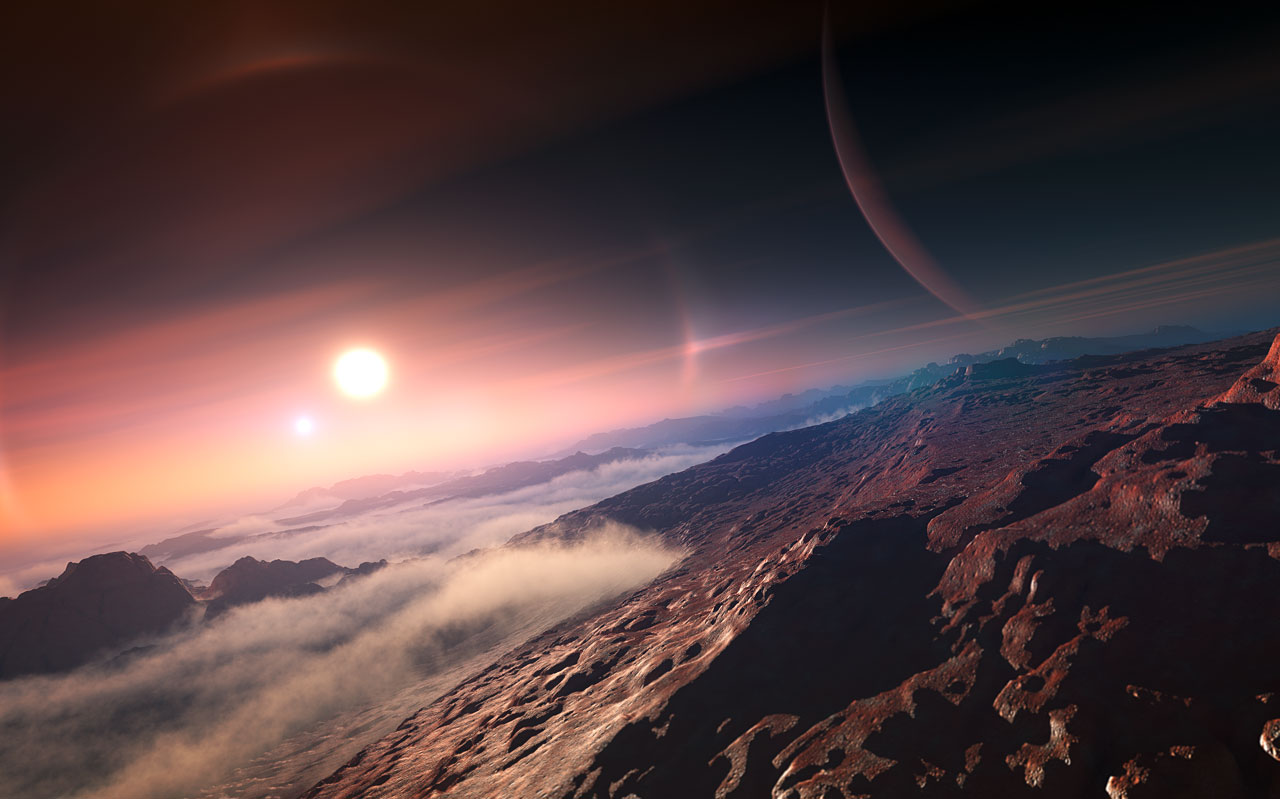
However, searching for chemical compounds in places that humanity is unlikely to ever physically reach is a complex process involving the collection and constant verification of data.
How telescopes “see” the invisible
Since it is impossible to physically visit star-forming regions, researchers rely on electromagnetic radiation. The main tool in this search is radio telescopes.
When gas molecules rotate freely in space, they release energy in the form of photons. Different types of rotation generate different energy levels, and each photon carries this unique signal to the radio telescope. When the instrument detects the full set of expected signals, it generates a kind of chemical “fingerprint”—a spectrum. Scientists use this spectrum to identify the molecule.
Optical and infrared observatories, such as the James Webb and Hubble Space Telescopes, are also used in astrochemistry. However, working with their data is somewhat more complicated, as the chemical signals they detect are often difficult to distinguish from one another.
Creating standards in terrestrial laboratories
Behind every new discovery of a space-borne molecule lie months of meticulous modeling and testing. To understand exactly what to look for, scientists create reference spectra on Earth.
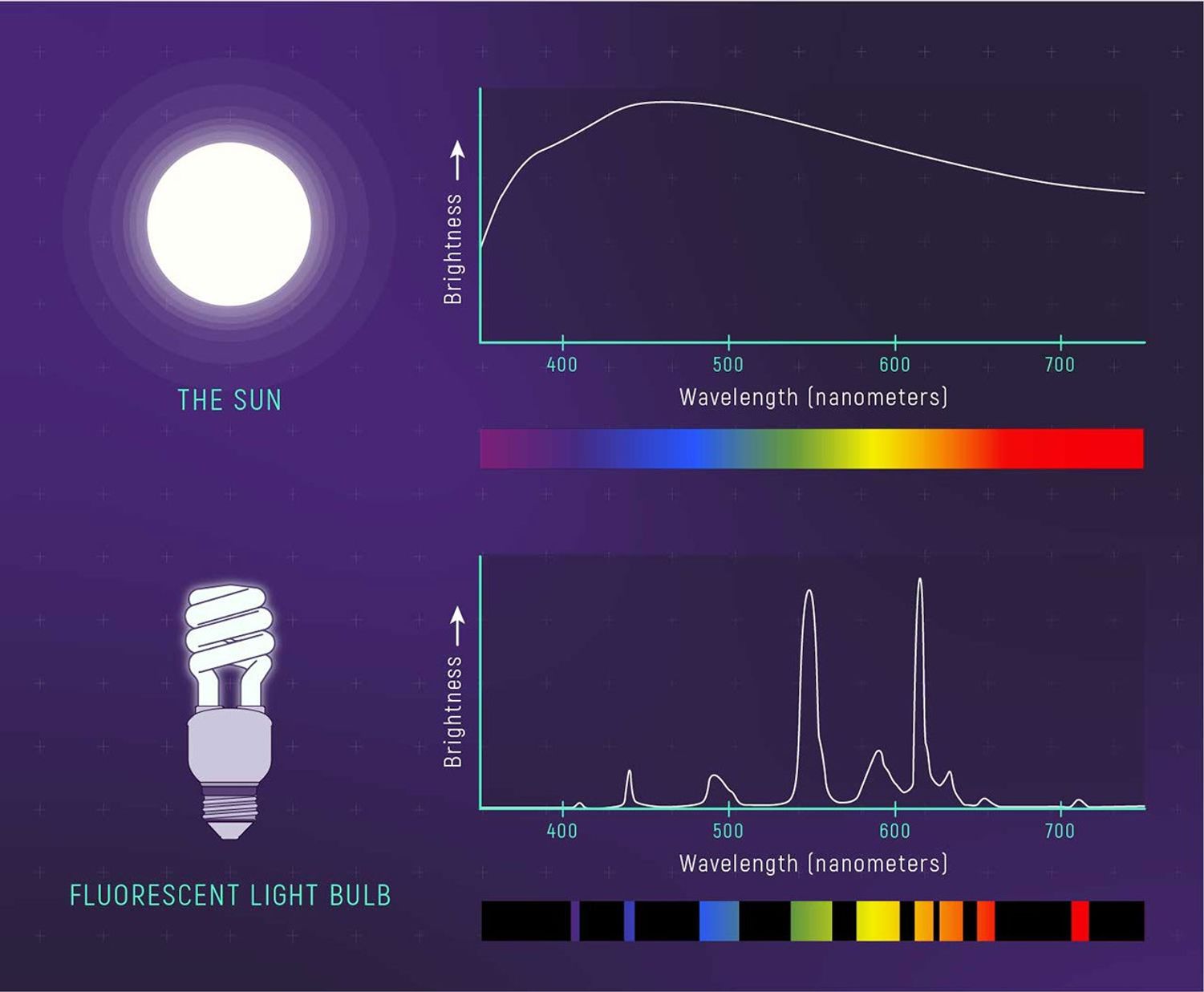
In specialized laboratories, chemical substances are placed in vacuum tubes to simulate the conditions of outer space. Using sensitive sensors, researchers are recording what the signal from this molecule would look like to a radio telescope. At the same time, complex computer models are being developed. Scientists continuously calibrate the input parameters until the simulation results match the actual laboratory test results. Only when the model becomes completely reliable, astronomers can use it to search for actual signals in space.
Problem of false news
Even with powerful equipment, the detection process is not always perfect. Sometimes signals from space are too weak, or the spectra of different molecules overlap, creating “noise.”
When scientists find evidence of biological molecules, there is a strong temptation to be the first to announce a breakthrough. However, rushing to conclusions often leads to erroneous findings. A classic example is the much-publicized “discovery” of glycine (the simplest amino acid) in interstellar space more than 20 years ago. It seemed that this would change our understanding of astrobiology. However, further analysis revealed that key signatures were missing from the original data. Today, astrochemists acknowledge that glycine is absent in star-forming nebulae.
“Life” on Venus
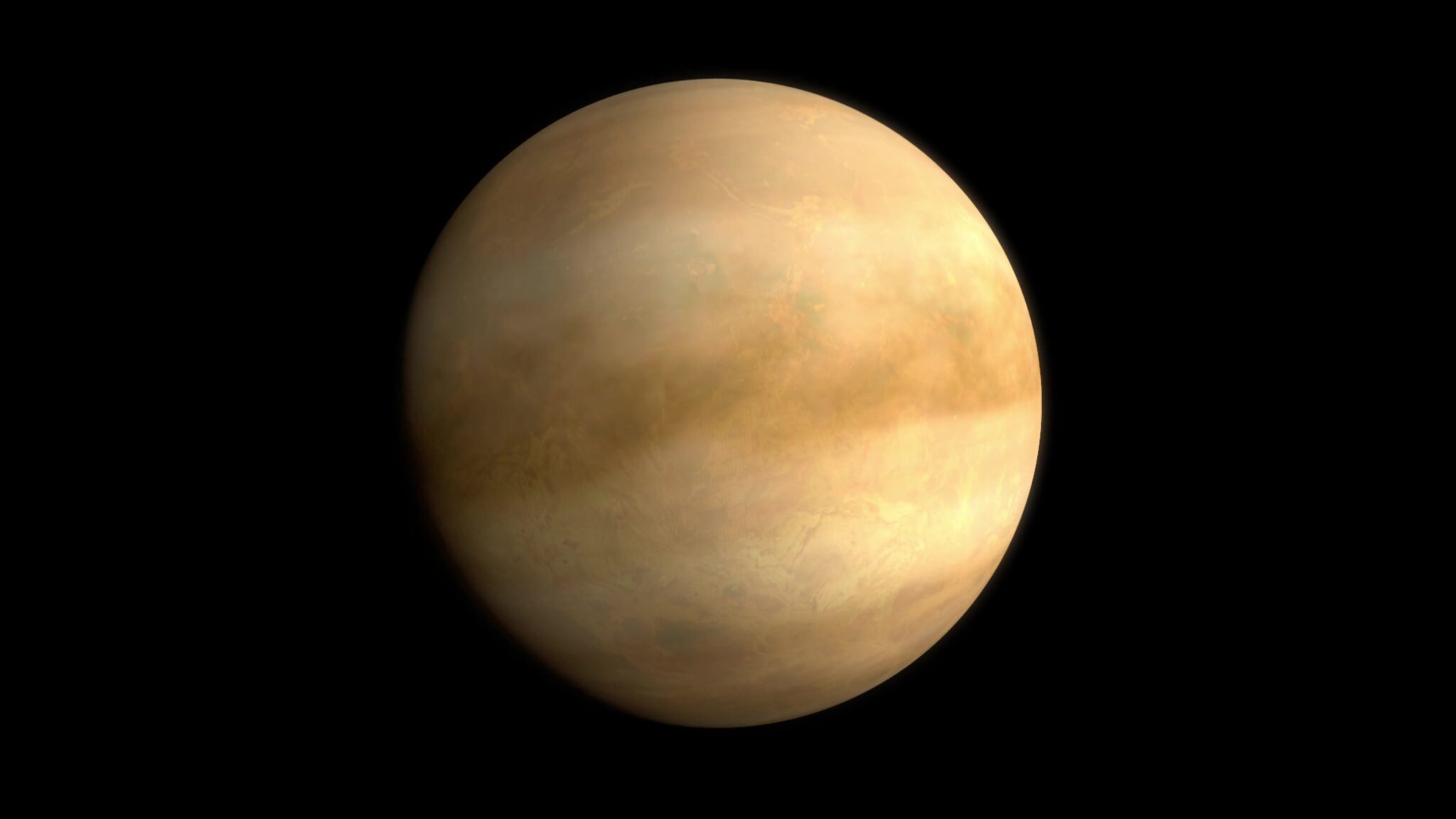
A similar situation is currently unfolding regarding the potential detection of phosphine in Venus’s atmosphere. On Earth, this gas is often associated with biological processes. The first reports of phosphine sparked heated debate about possible signs of life on our neighboring planet.
However, science requires that results be reproducible. Subsequent studies conducted by other teams were unable to unequivocally confirm the initial findings. For about five years now, the scientific community has been gathering information to definitively confirm or refute this hypothesis.
There’s no need to rush
The validity of identifying potential biosignatures based on only one or two recorded signals is questionable. Reliable confirmation requires a match of at least five markers.
True science does not tolerate haste. We have to give other researchers time to conduct their own tests, replicate the results, and reach a final conclusion: have we truly discovered something unique, or was it merely an illusion?
Earlier, we discussed whether life is possible on planets orbiting dwarf stars and supergiants.
According to The Conversation

