

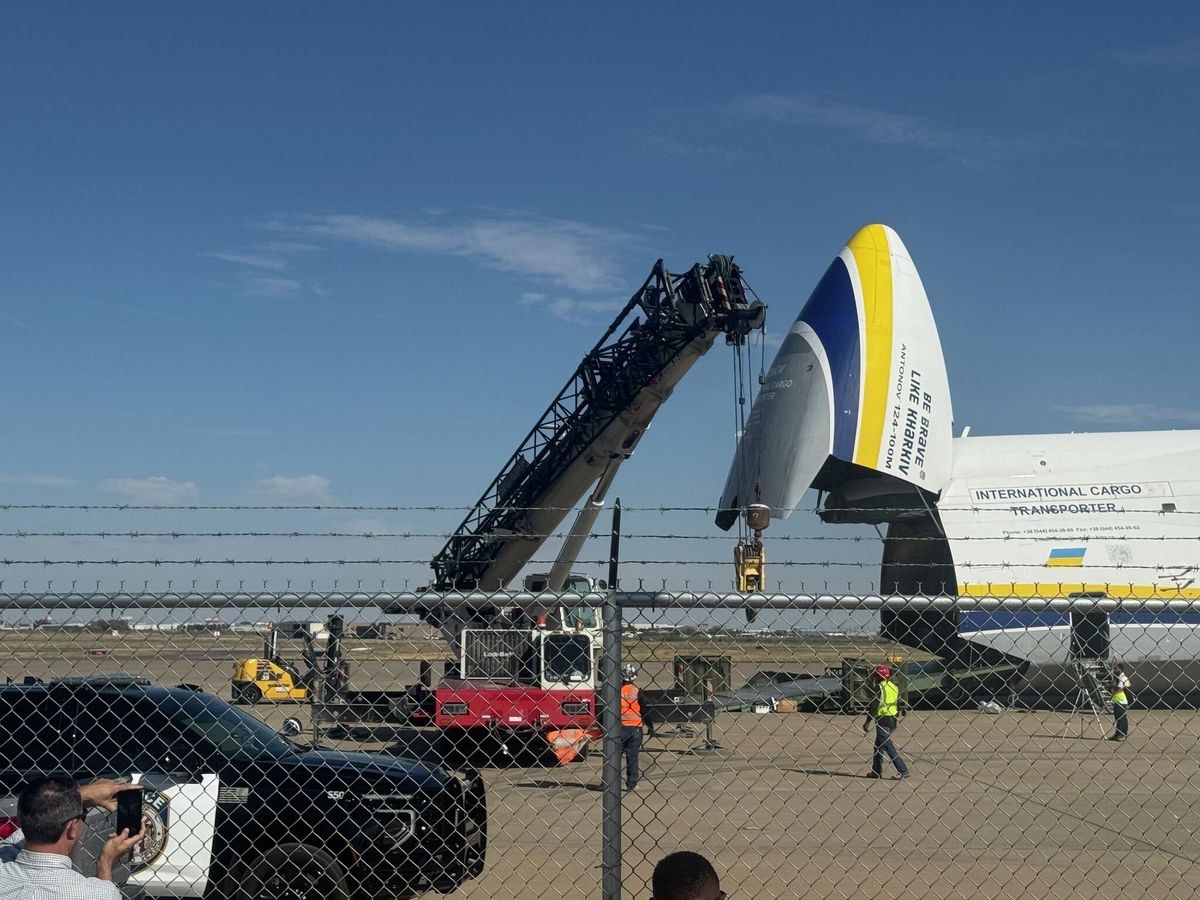
On October 11, an An-124 Ruslan cargo plane, one of the largest aircraft in the world, arrived in Midland, Texas, USA. Its mission was special: to deliver two of AST SpaceMobile’s most advanced communication satellites, AST BlueBird 6 and 7, to the launch site. This event attracted the attention of dozens of local residents and engineers, who gathered to witness the unique transport operation.
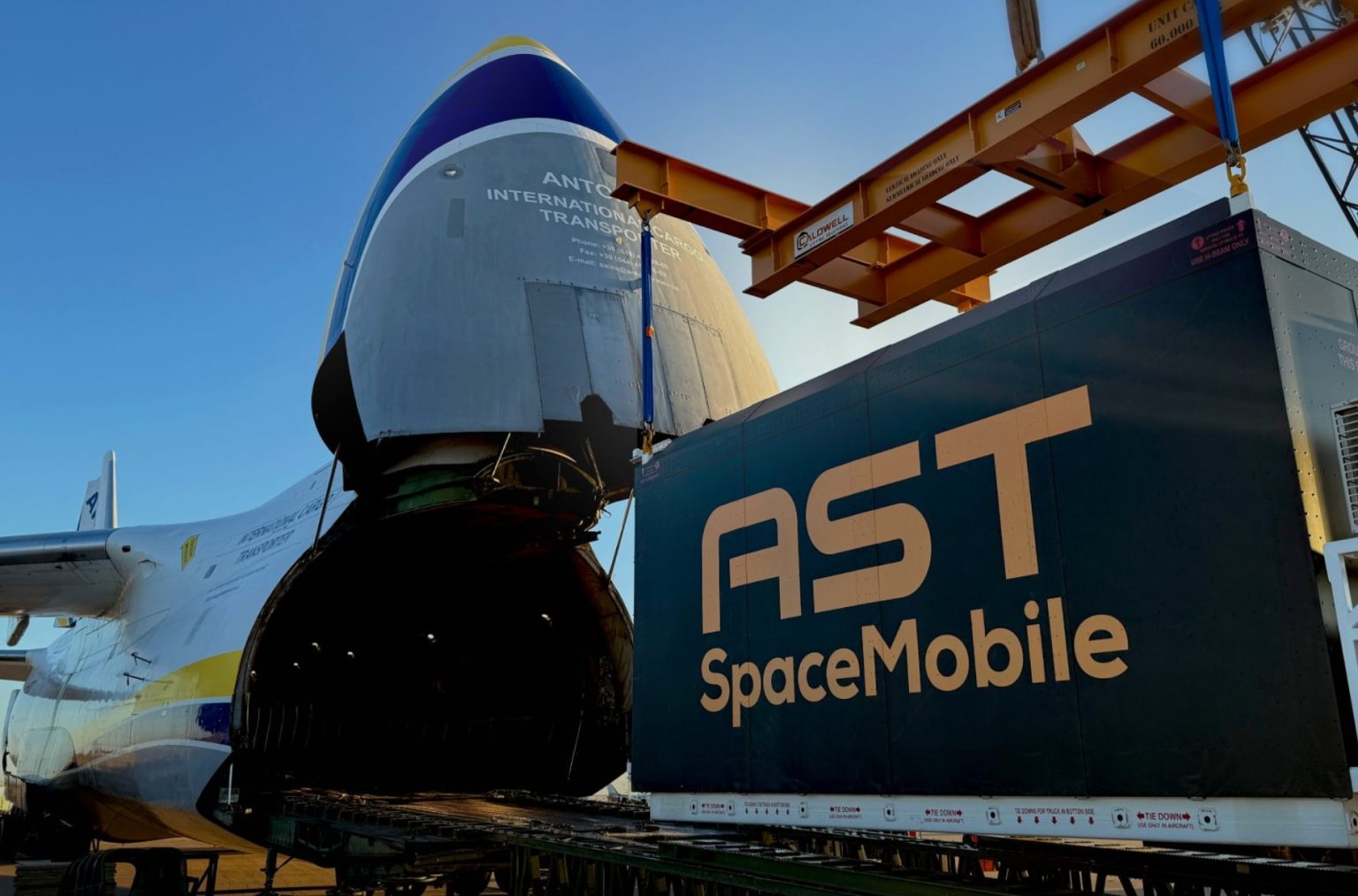
The powerful An-124 transport aircraft was designed back in the 1980s by the Ukrainian Antonov Design Bureau. Today, this veteran, the younger brother of the largest aircraft, the An-225 Mriia, destroyed by the Russians, continues to perform complex tasks in the global space industry.
The BlueBird 6 and 7 satellites delivered are key elements of the future global space communications network. They are designed to provide high-speed broadband Internet access for ordinary smartphones anywhere in the world, without the need for special equipment.
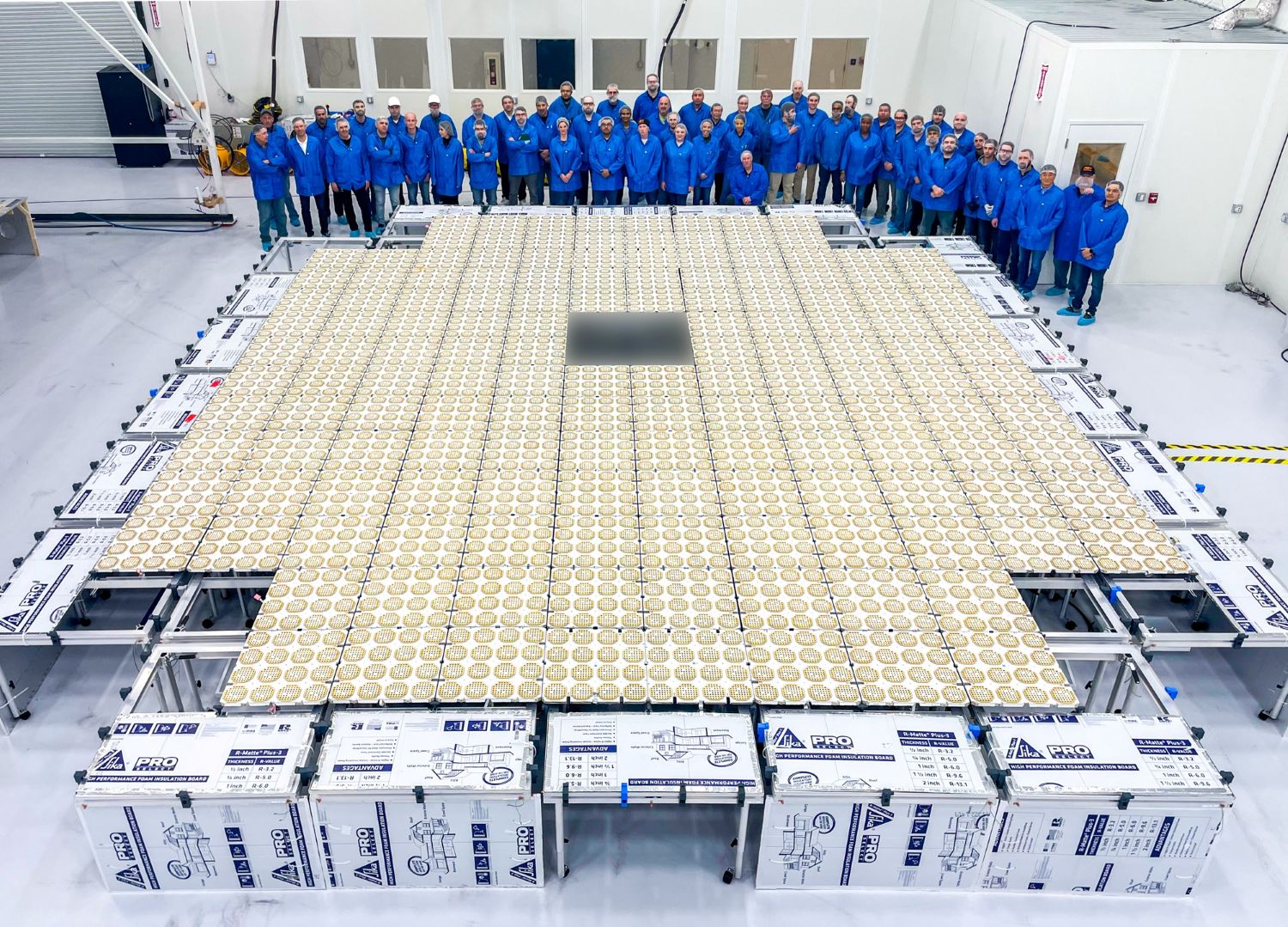
These satellites are true giants. Their antennas cover an area of 223 m², making them the largest commercial antenna systems ever launched into low Earth orbit. They are far more powerful than previous models. Each such device is capable of simultaneously processing more than 2,000 telephone calls and providing data transfer speeds of up to 120 Mbit/s. That is why the Ukrainian air giant An-124 was needed to transport them.

Ambitious plans
The delivery of BlueBird 6 and 7 is just the beginning of a large-scale campaign. AST SpaceMobile is actively working to expand its orbital fleet. The BlueBird 8-16 satellites are already in production. Launches of new vehicles are planned with impressive regularity—every 1–2 months throughout 2025 and 2026.
High capacity. Highly flexible. One step closer to launch! ?️?
ViaSat-3 F2 has completed its flight from @flyLAXairport to @NASAKennedy on board an Antonov! Discover what’s next as we prepare for launch late Oct 2025 with @ULALaunch. https://t.co/Yqp3bjmbpV#VS3F2 #AtlasV pic.twitter.com/90zB3ibU91
— Viasat (@viasat) September 30, 2025
The overall goal is to create a powerful network of 45–60 satellites by the end of 2026. Such a network has the potential to transform the concept of global connectivity by providing stable internet access to millions of people in remote regions of the world. Investors have already assessed these prospects: AST shares rose 16% immediately after the announcement of the satellite delivery, which indicates great confidence in the project.
Earlier, we reported on when satellite communications would become available on smartphones and how much it would cost.
According to MRT

