

People have been flying into space for 65 years now. And throughout all these years, these journeys have sparked some very difficult and, at the same time, contradictory questions. Why waste energy and money on this pointless endeavor? Why is progress so slow? In reality, these questions are interconnected, and the answer is not as simple as it might seem.
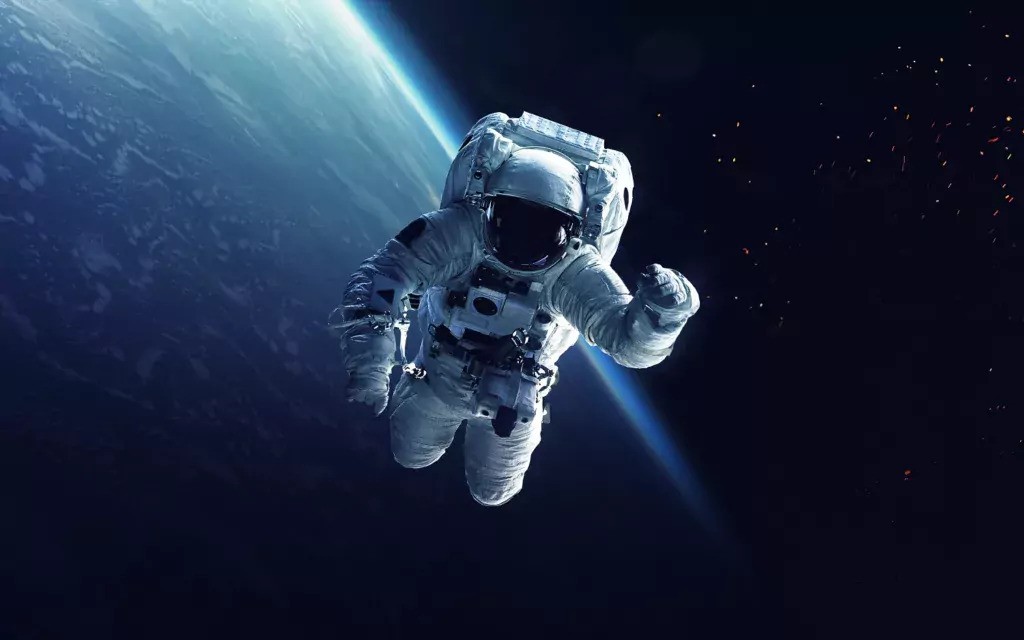
April 12
April 12 is celebrated worldwide as International Human Space Flight Day. This name was established by the United Nations in 2011. At the same time, different countries may celebrate other events on this day that are similar in meaning. For example, in Ukraine, it is Rocket and Space Industry Workers’ Day. In russia, it is called Aviation and Cosmonautics Day, although it is celebrated in this format primarily in the aggressor country itself and in a few neighboring states.
Despite this, absolutely everyone understands that what is being referred to is the fact that on April 12, 1961, Yuri Gagarin made the first spaceflight in history. This event has many controversial aspects. One might mention the significance of this event for the ideology of Soviet imperialism, as well as the fact that it happened thanks to the Ukrainian Serhii Korolov, who had previously been a victim of that very same Soviet system.
One could come up with many political interpretations of the events leading up to April 12, 1961. What remains certain is that it is from this date that we mark the beginning of the era of manned spaceflight. And this fact carries far more weight than any individual political regime, nation, or ideology. Because in space, there are only spacecraft and the people inside them.
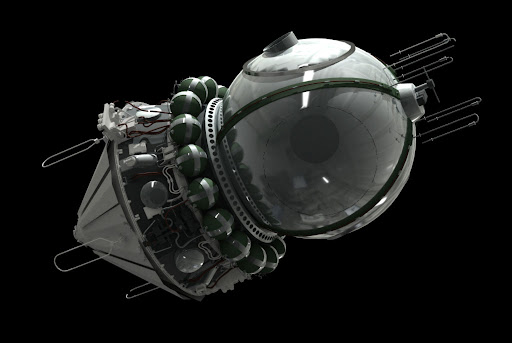
And in fact, there are issues far more important than which country should take pride in those first 106 minutes of the Vostok flight. And on the 65th anniversary of this event, these issues are more relevant than ever.
Why fly into space?
The first question people started asking almost as soon as the first flight took place was: Why go to space? What is there that is not on Earth? Because all the great journeys, at least in recent years, have been undertaken in search of something quite tangible that might interest many people.
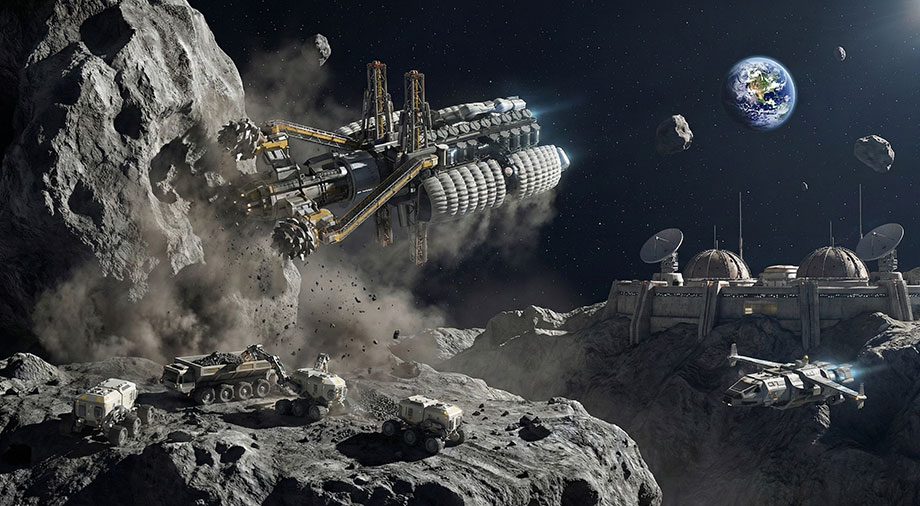
Maybe the Moon is made of gold? Or perhaps plants are growing on Mars whose sap can be used to create an elixir of immortality? Science cannot answer these questions in the affirmative. There are certainly valuable resources on other planets in the Solar System, but extracting and processing them into something useful is not a venture likely to yield quick profits.
At the same time, we must not forget that space is an environment that is extremely hostile to the human body. The absence of an atmosphere requires a device that supports the astronaut’s breathing and prevents moisture and other volatile substances from evaporating from the skin. The absence of an atmosphere also means that any object heats up significantly in the sun and freezes in the shade.
Add to all this the deadly radiation, and we have a situation where the slightest mistake can cost a life. So is it worth risking a human life, especially since every launch is an extremely expensive undertaking? Sending a person into orbit can cost tens of millions of dollars, not to mention trips to other planets.
Ultimately, it is humanity’s own journey into space. Decades of operating satellites in orbit have shown that to make near-Earth space useful for people on Earth, all it takes is a few hundred kilograms of metal and electronics to transmit signals, monitor the surface, warn of enemy activity, and determine a person’s position in space.
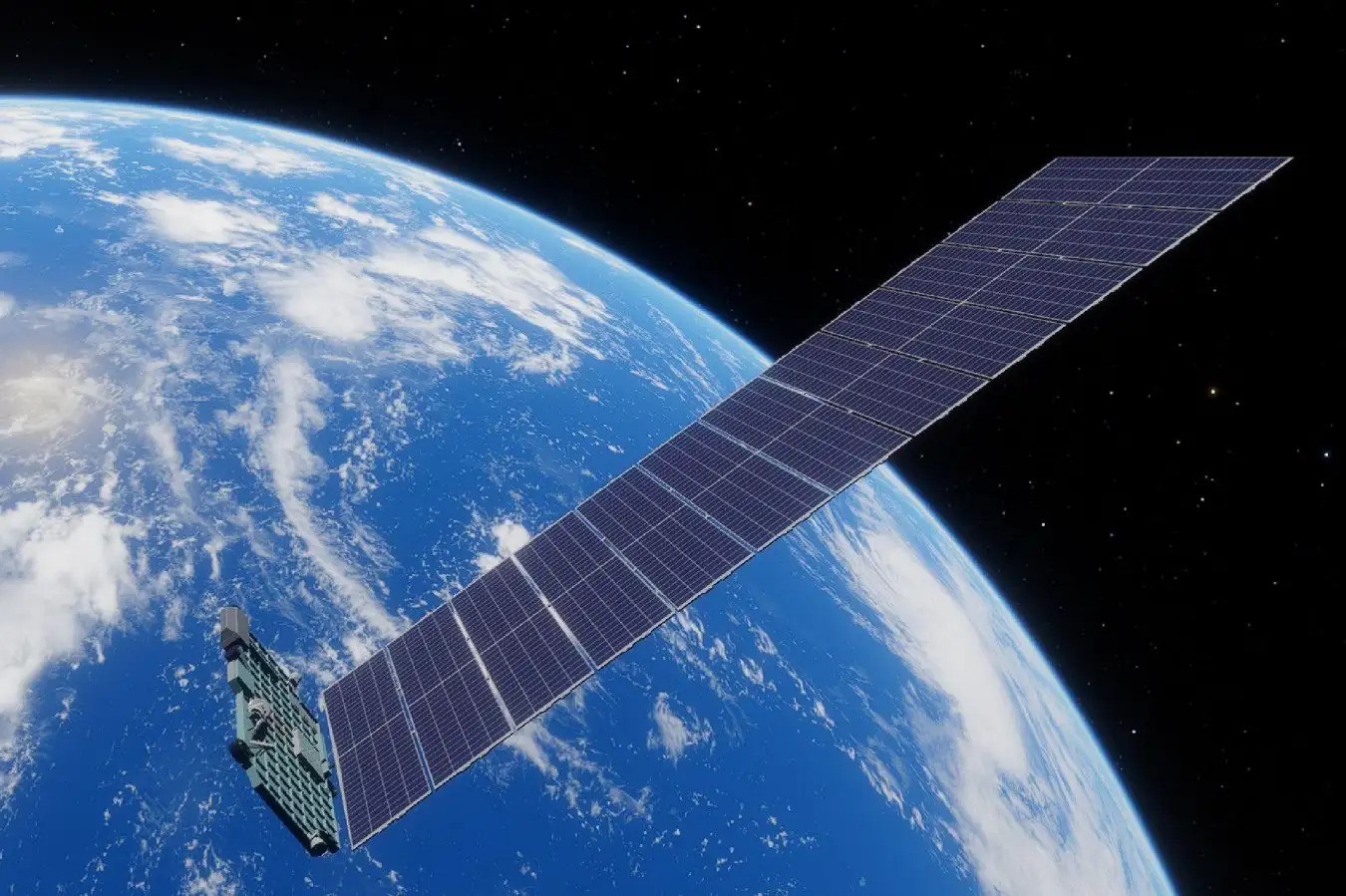
Moreover, the past 65 years of planetary exploration have been marked by the successful use of unmanned spacecraft. Today, scientists can study every square meter of the surface of Mars and the Moon just as easily as they can study the Earth’s surface, thanks to spacecraft in orbit around those bodies.
And over the past few decades, we have learned more about the other planets than we did in the several thousand years before that. Again, without having to send a person there. So why fly into space?
Why are we still not on Mars?
The second important question regarding human spaceflight arose about a decade after the first such flight, when it became clear that the number of people who had been there was growing very slowly. So why are we not all flying into space?
This seems extremely strange to us in an age of mobility, when access to any point on the globe is determined, in most cases, by the availability of money. We can ride a bus or drive a car; we can travel by train. We can even fly in an airplane or helicopter, even though the former was invented a little over a century ago, and the latter just a couple of decades before Gagarin’s flight.
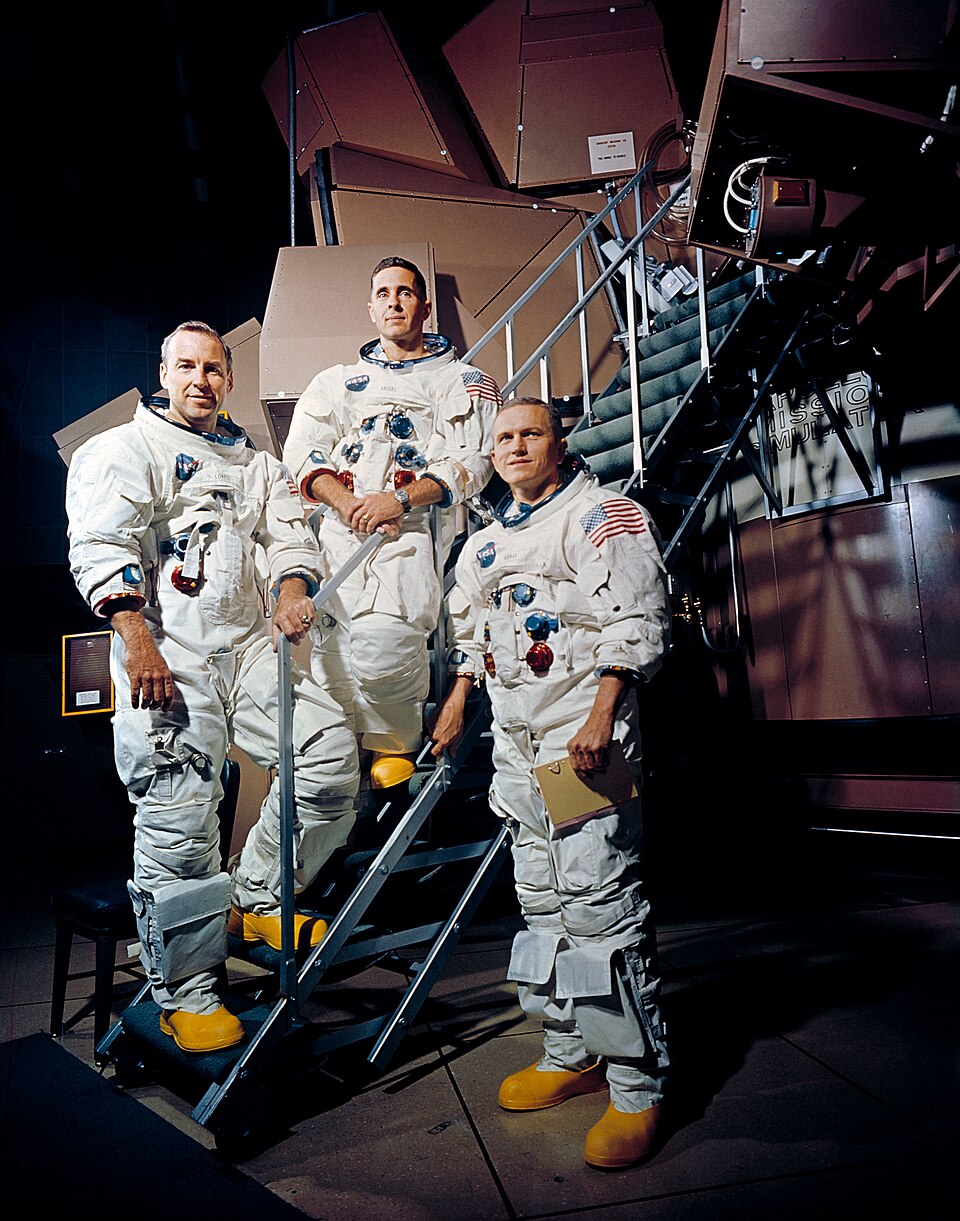
So why do people fly into space so rarely? This is a very timely question, given that the crew of the Artemis II mission, who flew around the Moon, have just returned to Earth. The problem is that the Apollo 8 crew was the first to do so, just seven years after the first spaceflight – more than half a century ago.
So why do people today consider a miracle what was once already achieved? Why is progress so slow? As mentioned above, space travel is expensive, complex, and dangerous. It is precisely this combination of factors that is holding back its development. In theory, if developed countries had invested all their available resources into space exploration, humans would have been living permanently on both the Moon and Mars long ago. In reality, however, even a tenth of that amount remains a dream for space explorers.
Space travel is extremely unprofitable from a purely financial standpoint. And no promises of extracting helium-3, precious metals, or rare earth elements can convince governments to allocate more funds to this sector.
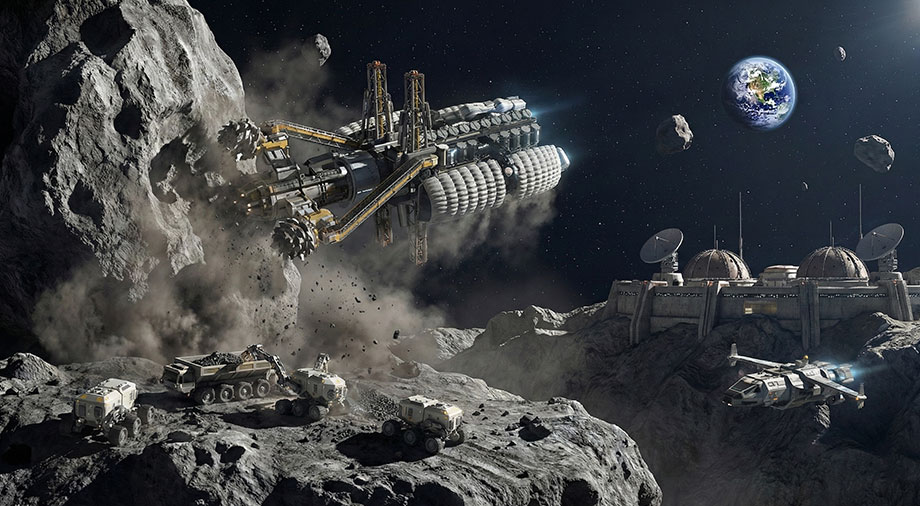
In reality, things are not as bad as they might seem. For example, we have now practically gotten used to the fact that more than ten people can be in space at the same time, living on space stations and spacecraft. And that’s quite a lot. The situation where at least one person is in space at any given moment only emerged in the 1990s. So what is this, if not a sign of progress?
Moreover, the exploration of the Solar System by unmanned spacecraft should not be viewed merely as an argument against the need for human presence in space. On the contrary, the data they collect helps us understand what awaits astronauts on site, thereby gradually paving the way for crewed missions.
The biggest reason to fly into space
A paradoxical situation has arisen: civilization is increasingly suffering from the fact that everything around us is accessible yet already familiar, and because of this, we feel as if we are trapped in a cage – yet it invests almost nothing in tapping into the greatest source of new experiences and impressions. I am referring specifically to space.
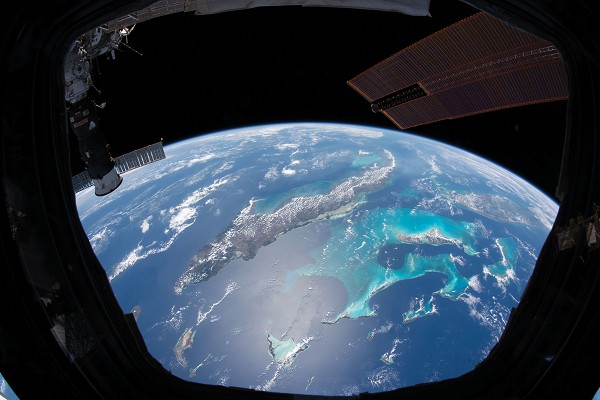
Source: phys.org
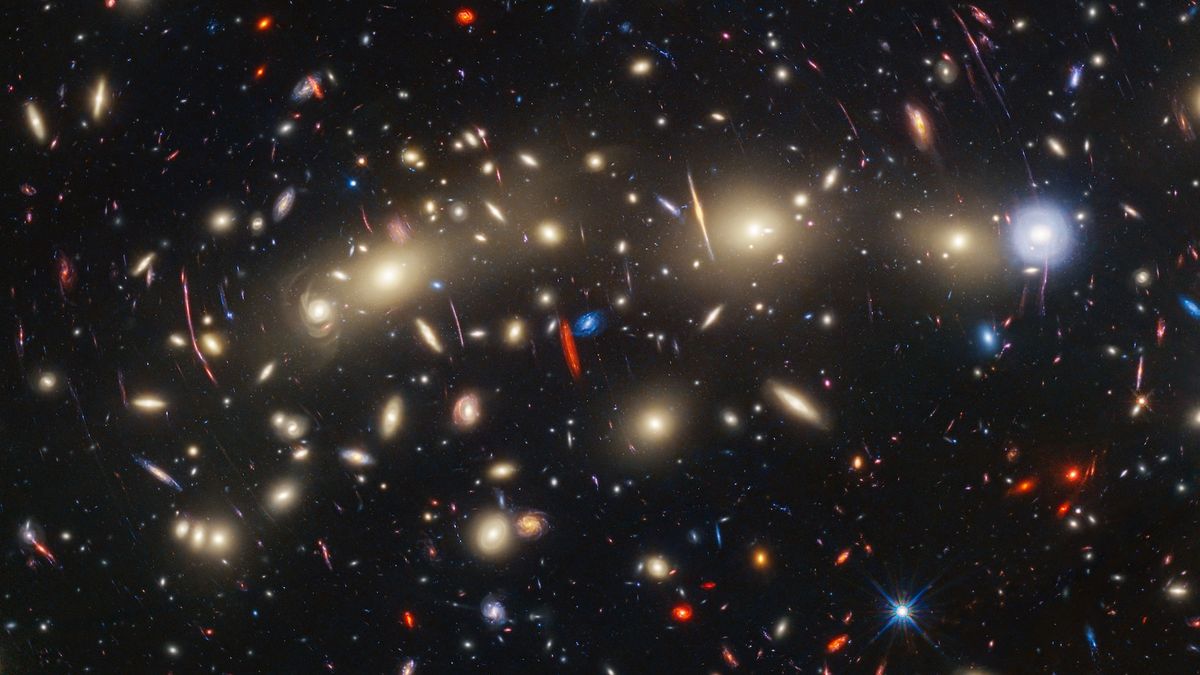
Because space is truly vast and completely unlike the planet where humanity originated. Even within the Solar System, there are hundreds of celestial bodies whose surface areas are comparable to those of fairly large countries on Earth. And beyond its boundaries lies a world of incomparably greater scale. In the Milky Way alone, there are over 400 billion stars, a significant portion of which may have their own planetary systems. Even if you were to travel between them at the speed of light, a lifetime would not be enough to tire of them.
And beyond the Milky Way lie hundreds of billions more galaxies. People often say that space frightens them with its vastness. And at the same time, they say that all life on Earth, with its material problems and achievements, seems too insignificant. They long to touch something truly magnificent.
And the main reason to go into space is to gain new experiences that are unavailable on Earth. All this talk about extracting resources from other planets is merely an attempt to justify the desire to acquire them. Because the greatest benefit from extracting all of this will go to those who live in space. And, unfortunately, the impact on the life of the average person will be minimal.
Technology
Another point worth mentioning in connection with space exploration is technology. In a number of industries, spaceflight has become a driver of rapid development. Some of the technologies that were originally developed for astronauts in orbit have now become an integral part of our lives.
However, technology itself is one of the biggest obstacles to space exploration. After all, the high cost of space research, as mentioned earlier, is largely driven by the expenses associated with developing technologies for which the demand is not yet clear. Testing new engines can take decades, and they must be funded throughout that entire period.
Space exploration requires new engines, which are needed above all to drastically reduce the cost of sending a kilogram of cargo into orbit. However, no one has been able to build them. And this is holding back the rest of the development efforts.
Space exploration involves several interconnected challenges. They are so complex that in other fields, they would undoubtedly have led to the conclusion that certain endeavors were futile. Yet human spaceflight has been going on for 65 years now, and those who make it happen have no intention of stopping. After all, they know there is no greater achievement than being where no one but you has ever been.

