

Soon we will witness a truly spectacular event. For the first time since 1972, a rocket carrying four astronauts will embark on a journey to the Moon. We will explain when the Artemis II flight is scheduled to take place and how it will proceed.
Launch windows for the flight to the Moon
NASA cannot launch a mission to the Moon at any given time. The launch date is determined by orbital mechanics and the relative positions of celestial bodies, which allows the Moon’s gravity to be used to return the spacecraft with astronauts to Earth without using its main engine (this reduces the risks for the expedition).
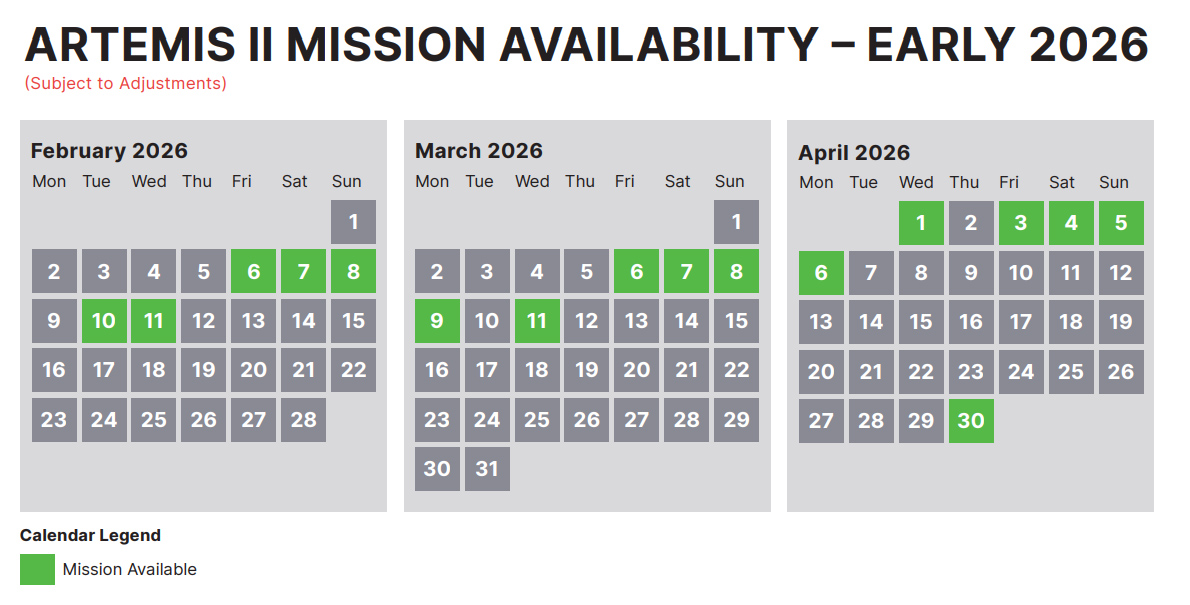
The closest launch windows for the Artemis II flight to the Moon will be open from February 6 to 8 and February 10 to 11. If the SLS rocket cannot be launched within these time frames, the next launch windows will be open on the following dates:
March – 6th, 7th, 8th, 9th, and 11th.
April – 1st, 3rd, 4th, 5th, 6th, and 30th.
It is interesting to note that almost all of the upcoming ballistic windows suggest that Artemis II will only be launched at night. Theoretically, the mission could be launched at dawn at the end of the ballistic window on April 1. The window on April 30 provides an opportunity to launch shortly before sunset.
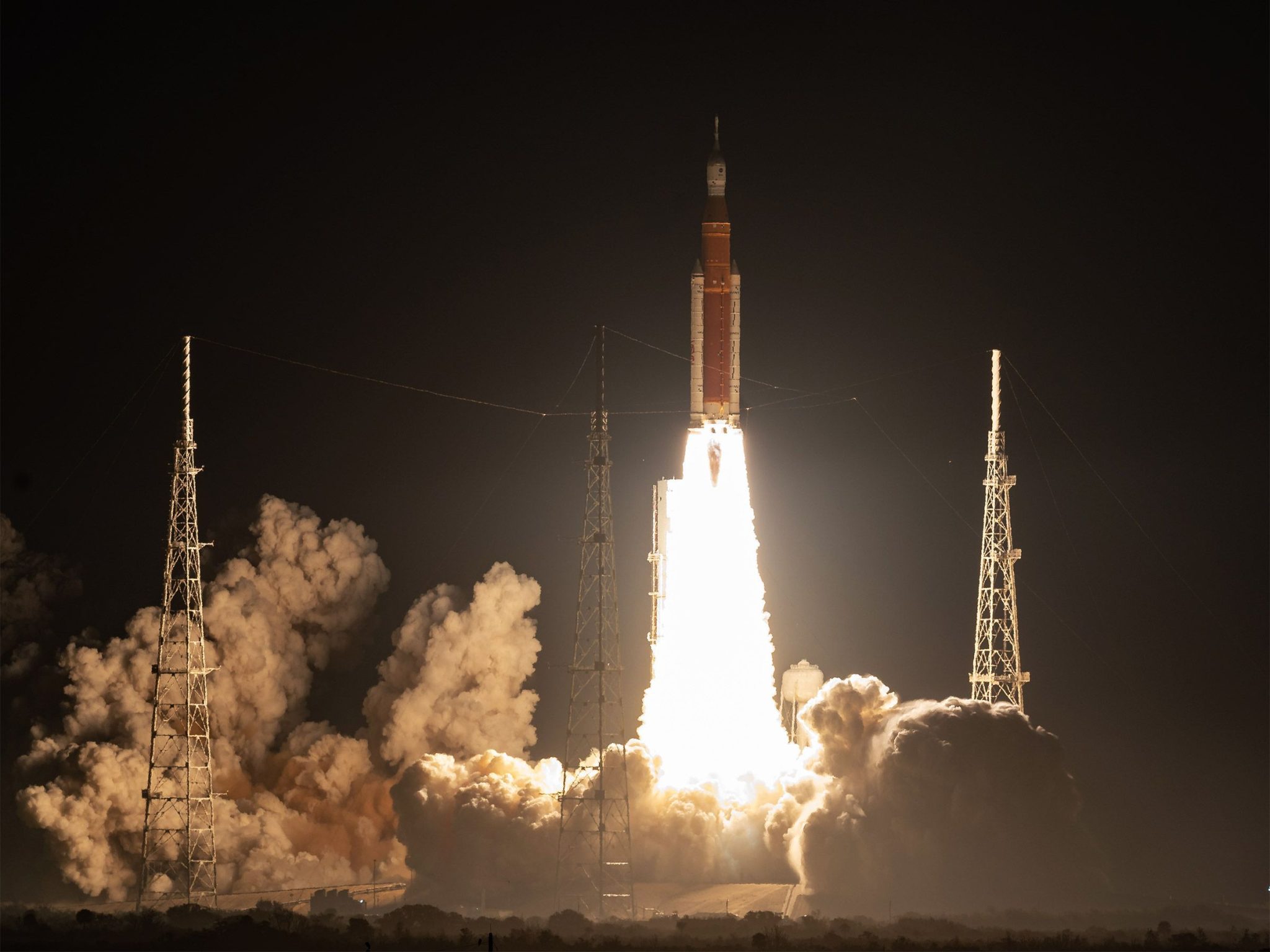
The exact launch date will depend not only on the technical readiness of the SLS rocket and Orion spacecraft, but also on several external factors, such as weather conditions, wind speed, and cloud cover. Solar activity will also be taken into account. The Artemis II flight will take place outside the Earth’s magnetic field. If, during the launch period, the Sun produces powerful flares or there is a high probability of them occurring, NASA will almost certainly postpone the flight.
Artemis II launch
Now let’s talk in more detail about how the Artemis II flight itself will proceed. Approximately 3.5 hours before launch, the four astronauts will board the Orion spacecraft, after which technicians will close the spacecraft hatch. The first stage engines of the SLS rocket will be activated 6 seconds before launch – at this stage, the launch can still be canceled. Once the side solid rocket boosters ignite, this will no longer be possible.
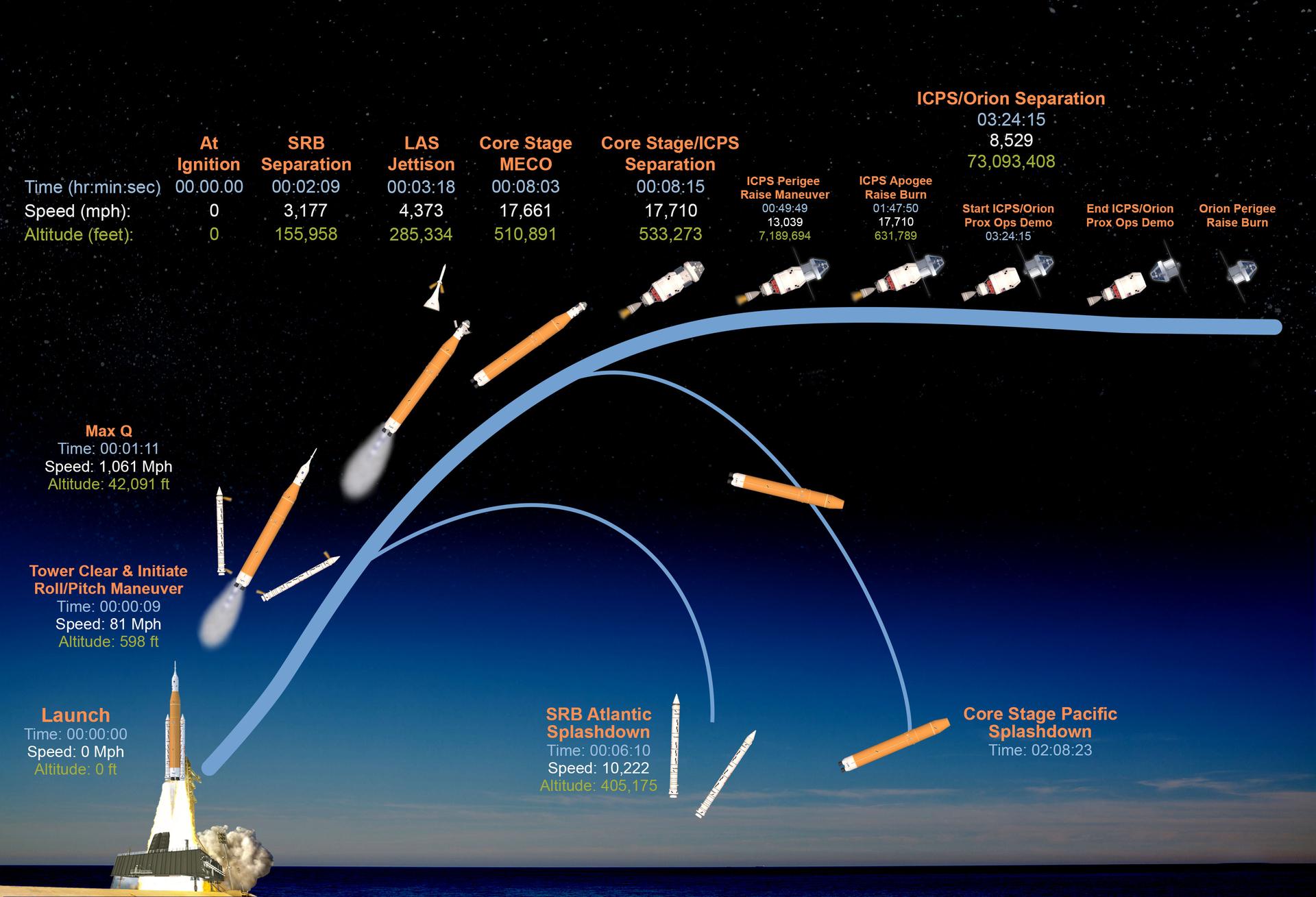
The separation of the SLS solid rocket boosters will occur at 129 seconds into the flight, when the rocket will be at an altitude of 47.5 km. Approximately one minute after that, the “tower” – a solid rocket motor installed at the top of the nose cone – will be jettisoned. It is used as an emergency rescue system: in the event of an emergency, the rocket must “pull out” the capsule with the astronauts and take it away from the SLS. The separation will occur at an altitude of 87 km, which is slightly below the Kármán line, accepted as the boundary of outer space.
At 495 seconds into the flight, the first stage will separate. At this point, Orion will still be on a suborbital trajectory. When the spacecraft reaches apogee, the upper stage of the SLS will be activated. An hour later, another altitude increase maneuver will be performed. They will bring Orion into an elongated near-Earth orbit with a perigee altitude of 185 km and an apogee altitude of 70,000 km. For comparison, the ISS is in a circular orbit at an altitude of approximately 415 km.
In orbit around Earth
Upon completion of the maneuvers, Orion will separate from the upper stage, after which the next stage of the flight will begin, lasting 23 hours. Initially, the astronauts will switch the spacecraft to manual control and perform a series of approaches to the upper stage of the SLS. These operations will provide a unique experience that cannot be gained on Earth and will yield valuable data that will be useful in planning future missions involving docking and undocking in lunar orbit.
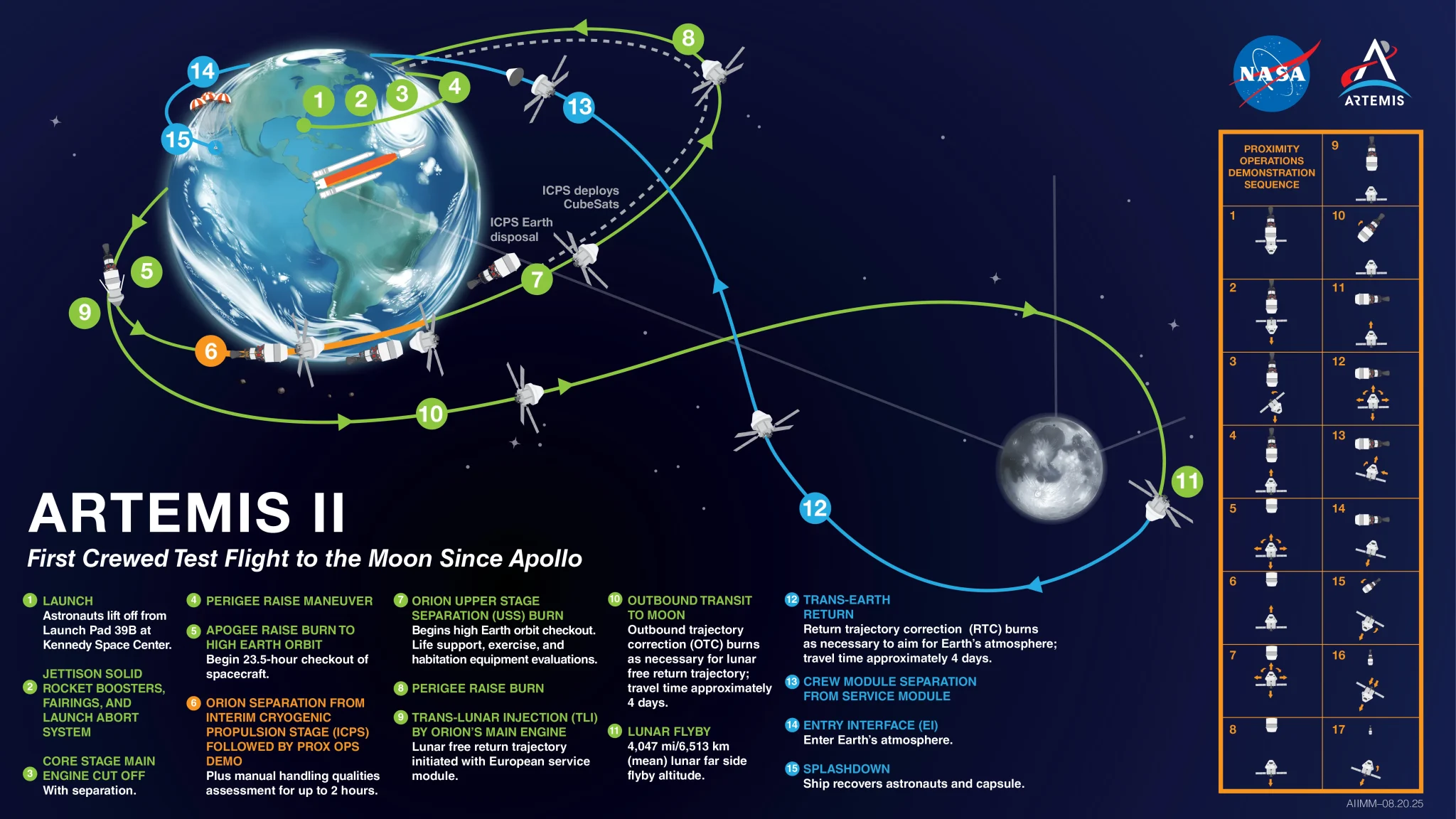
After completing the rendezvous, the crew will return control of Orion to mission controllers and spend the remaining time checking the functionality of all spacecraft components. Key attention will be paid to the life support system. The astronauts will also test communications and navigation. Orion will briefly leave the coverage area of GPS and TDRS satellites, which will allow NASA to test the technical capabilities of its Deep Space Network.
At this stage, a payload will also be deployed – several CubeSats provided by countries that are parties to the Artemis Accords.
If the checks do not reveal any significant problems, NASA will give the green light to the next stage of the mission – the flight to the Moon. On the second day, Orion will activate its main engine and perform a maneuver that will send it towards our planet’s satellite. The spacecraft will follow a trajectory resembling a giant figure eight. As for the upper stage of the SLS, NASA will also activate its engine and direct it into the atmosphere above an uninhabited area of the Pacific Ocean to prevent it from becoming space debris.
Flight to the Moon and back
During the flight to the Moon, the spacecraft will perform three minor course corrections. Before the crew goes to sleep on the fifth day of the flight, Orion will enter the Moon’s sphere of influence, where its gravitational pull will become stronger than Earth’s gravitational pull.
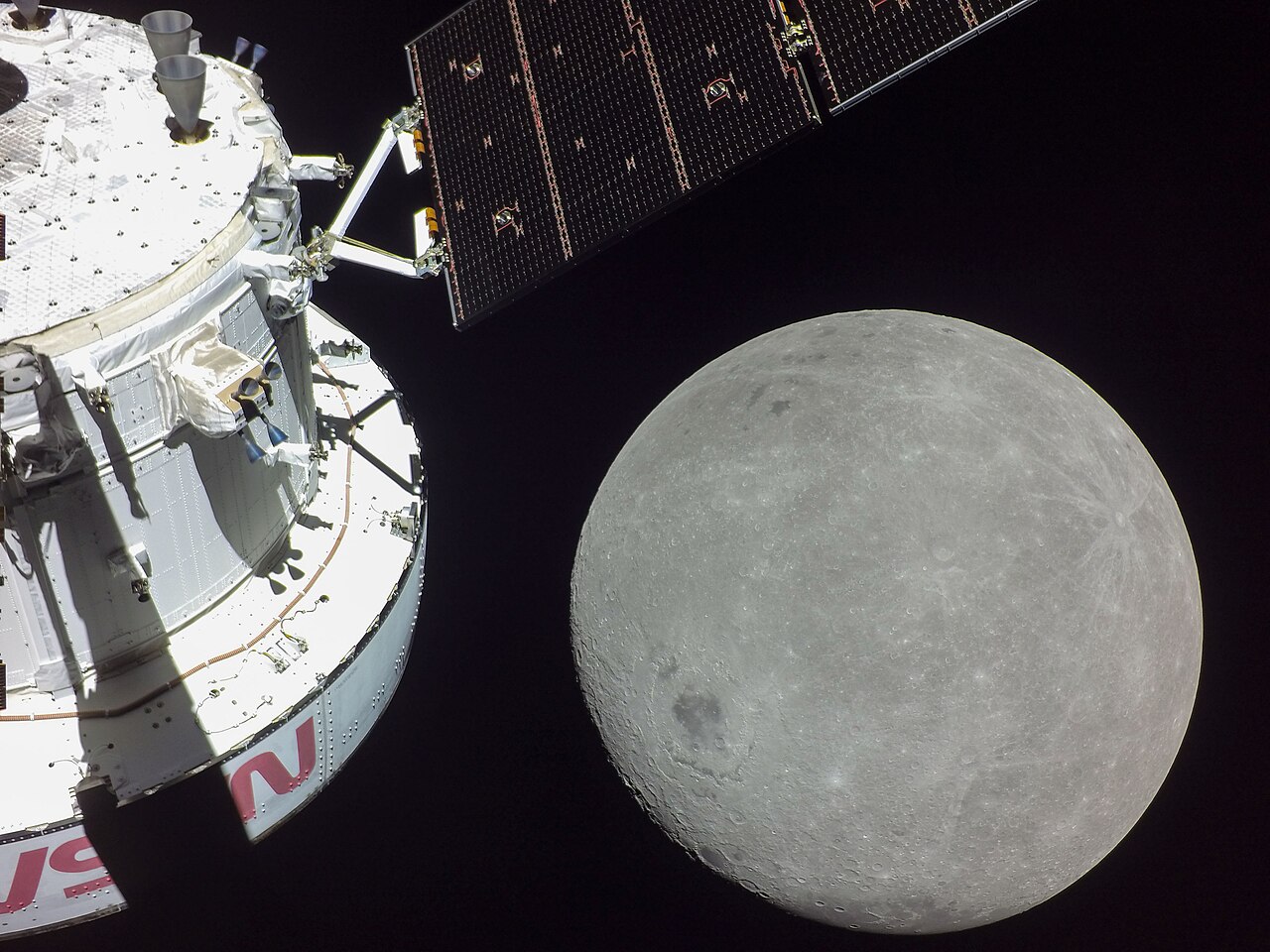
The exact distance at which the Artemis II crew will fly past the Moon will depend on the launch date. In each of the possible ballistic windows, the Moon will be in a different location, and the flyby distance will vary accordingly: it can range from 6,500 to 13,000 km. This is hundreds of thousands of kilometers closer than any human has come to our planet’s satellite since 1972. At this distance, the Moon will appear to the crew to be the size of a basketball held at arm’s length.
The closest approach will occur when Orion flies over the far side of the Moon. At that moment, depending on the launch time, the crew will lose contact with Earth for 30 to 50 minutes. During this interval, the astronauts will take photographs and videos of the far side of the Moon, as well as conduct observations. At approximately this time, the Artemis II crew is expected to break the record for distance from Earth, set by Apollo 13.
The Artemis II flight path is designed so that the crew will not need to perform any maneuvers using the main engine, eliminating the risk of an accident and the possibility of them getting “stuck” near the Moon. When the spacecraft rounds the Moon and leaves its sphere of influence, Earth’s gravity will “catch” it and direct it toward our planet. As during the flight to the Moon, the crew will perform three small course corrections during this leg for more accurate guidance. The last maneuver will be performed on the 10th day of the flight, five hours before landing.
Shortly before entering the atmosphere, the astronauts will separate the Orion service module. This will expose the heat shield of the crew capsule. At its peak, it will be exposed to temperatures of up to 2,800 °C. This is about a thousand degrees higher than missions returning from the ISS. This difference is because Orion will enter the Earth’s atmosphere at a much higher second cosmic velocity. As the heated plasma completely envelops the spacecraft, NASA will lose all contact with it for several minutes.
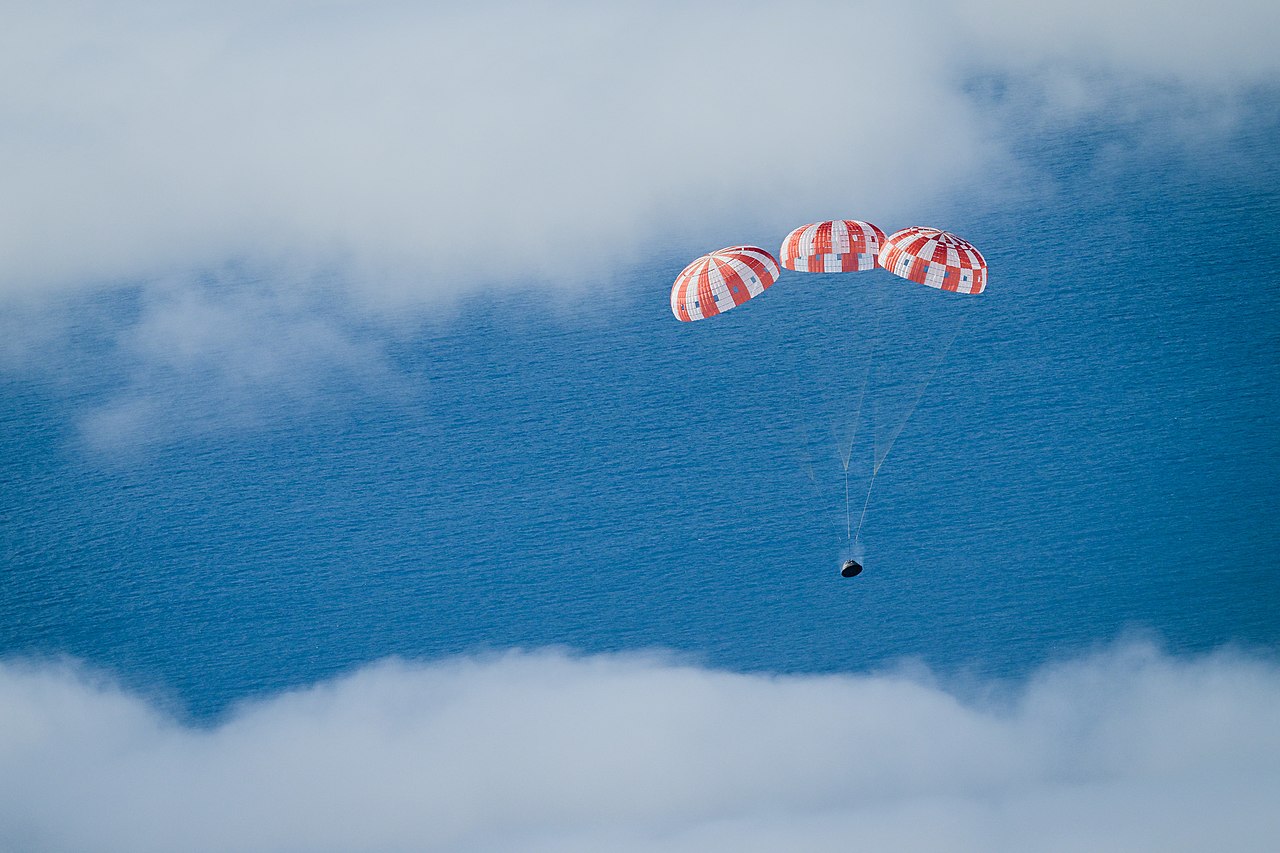
If everything goes well, Orion will first deploy two brake parachutes, followed by three main parachutes. The capsule with four astronauts will splash down in the Pacific Ocean, after which it will be picked up by ships.
After returning
The Artemis II mission is largely a test mission. It is intended to demonstrate the reliability of Orion and its ability to support interplanetary missions. The flight will also have enormous symbolic significance. For the first time in more than half a century, humans will leave the vicinity of our planet. The Artemis II mission could help to increase the popularity of space exploration.
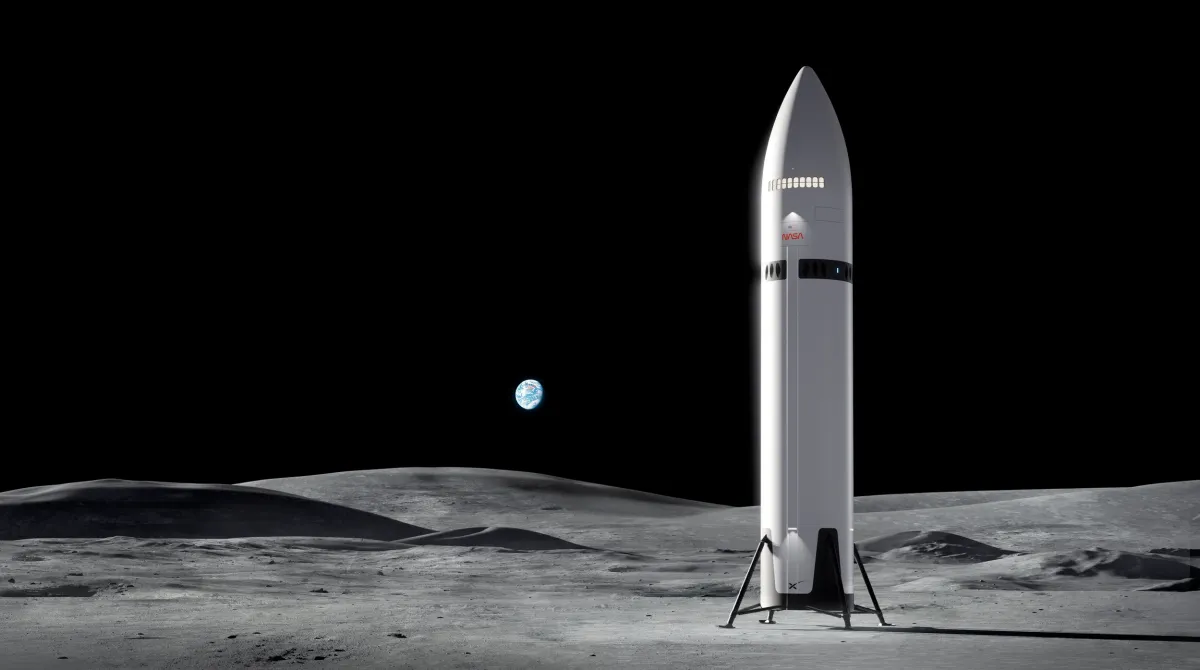
Artemis II will pave the way for the next mission, Artemis III, which plans to land two astronauts on the south pole of the Moon. It is currently scheduled for 2027. However, in reality, the date will almost certainly change, as many elements of the expedition are not yet ready – from the Starship HLS spacecraft to the lunar spacesuits. However, the success of Artemis II may serve as a significant stimulus to accelerate its preparation.

