

On the night of January 19-20, residents of many regions of the Earth were able to see auroras. They were accompanied by the most powerful radiation storm of the 21st century.
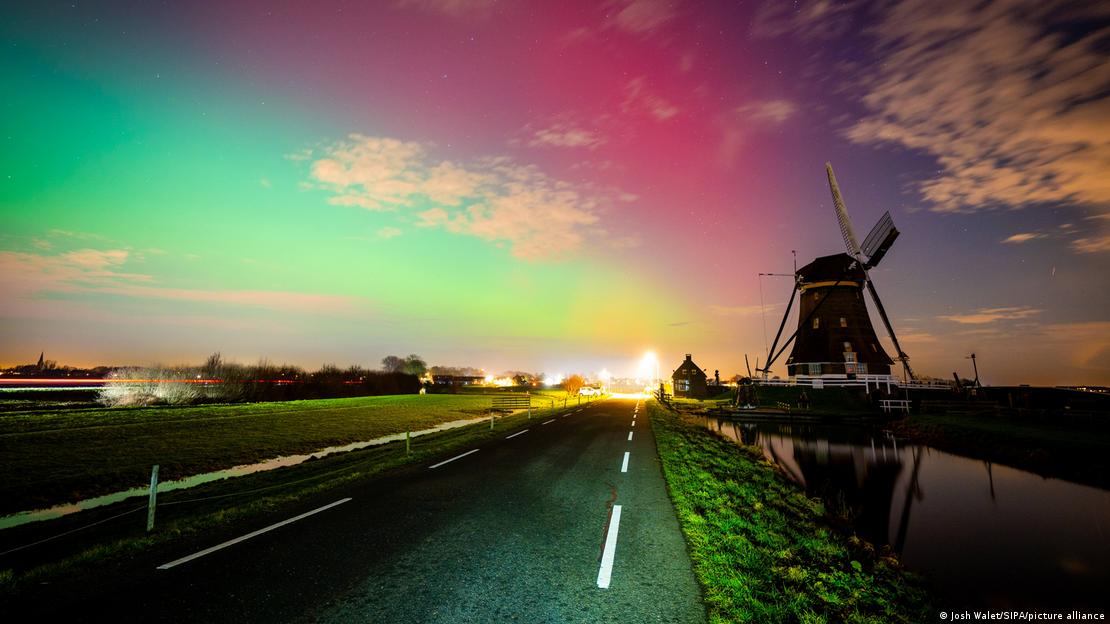
On January 18, the Sun produced a powerful X1.9 class flare. It was accompanied by a coronal mass ejection — a cloud of plasma that was directed toward Earth. Experts predicted that it would reach our planet on January 20. In reality, the emission came much faster — already on the evening of January 19. The reason was that the speed of the solar wind turned out to be much higher than predicted.
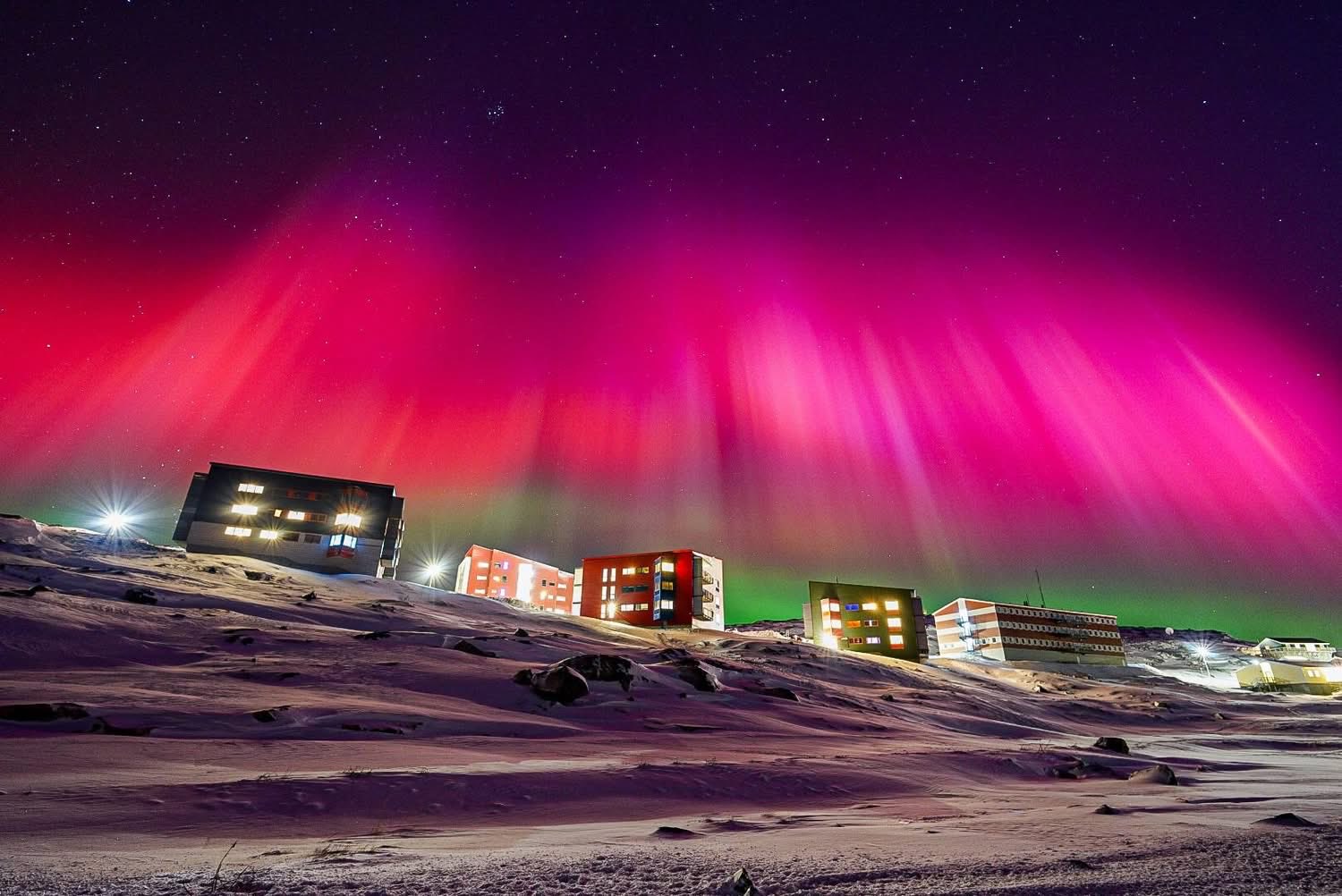
After interacting with the Earth’s magnetosphere, the eruption resulted in a powerful G4-class geomagnetic storm. The resulting auroras were observed much further south than usual, including in Ukraine. Some photographs of this remarkable celestial spectacle were taken at around 30 degrees north latitude.
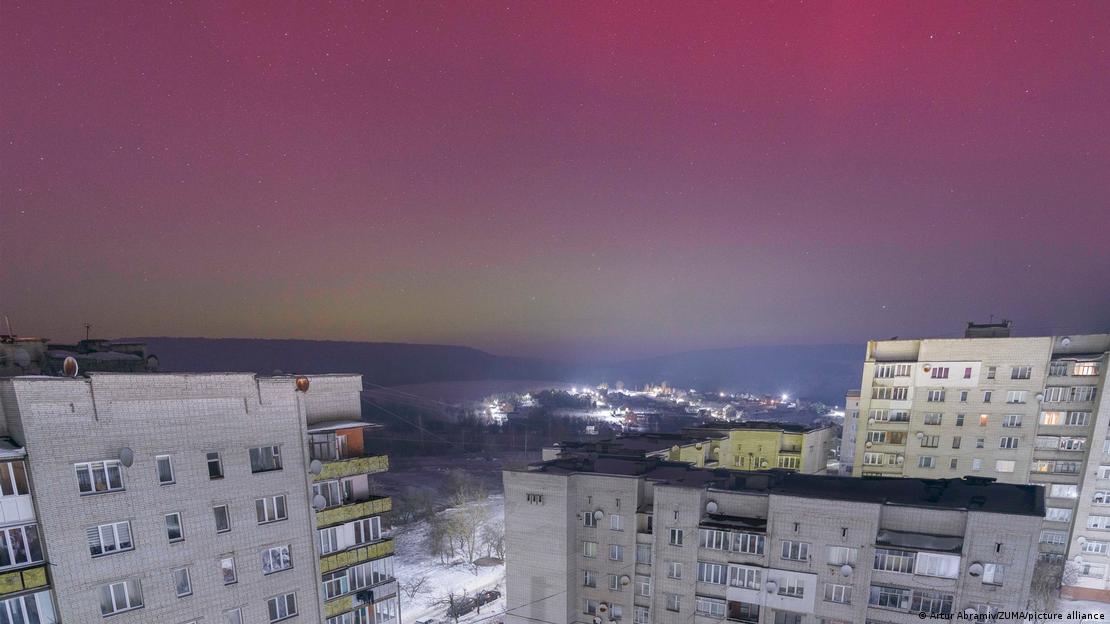
In theory, auroras could have been observed further south, but this was prevented by a change in the BZ index, which took on a positive value. This stopped their “advance”. Nevertheless, the storm that passed became one of the most powerful in the current cycle of solar activity.
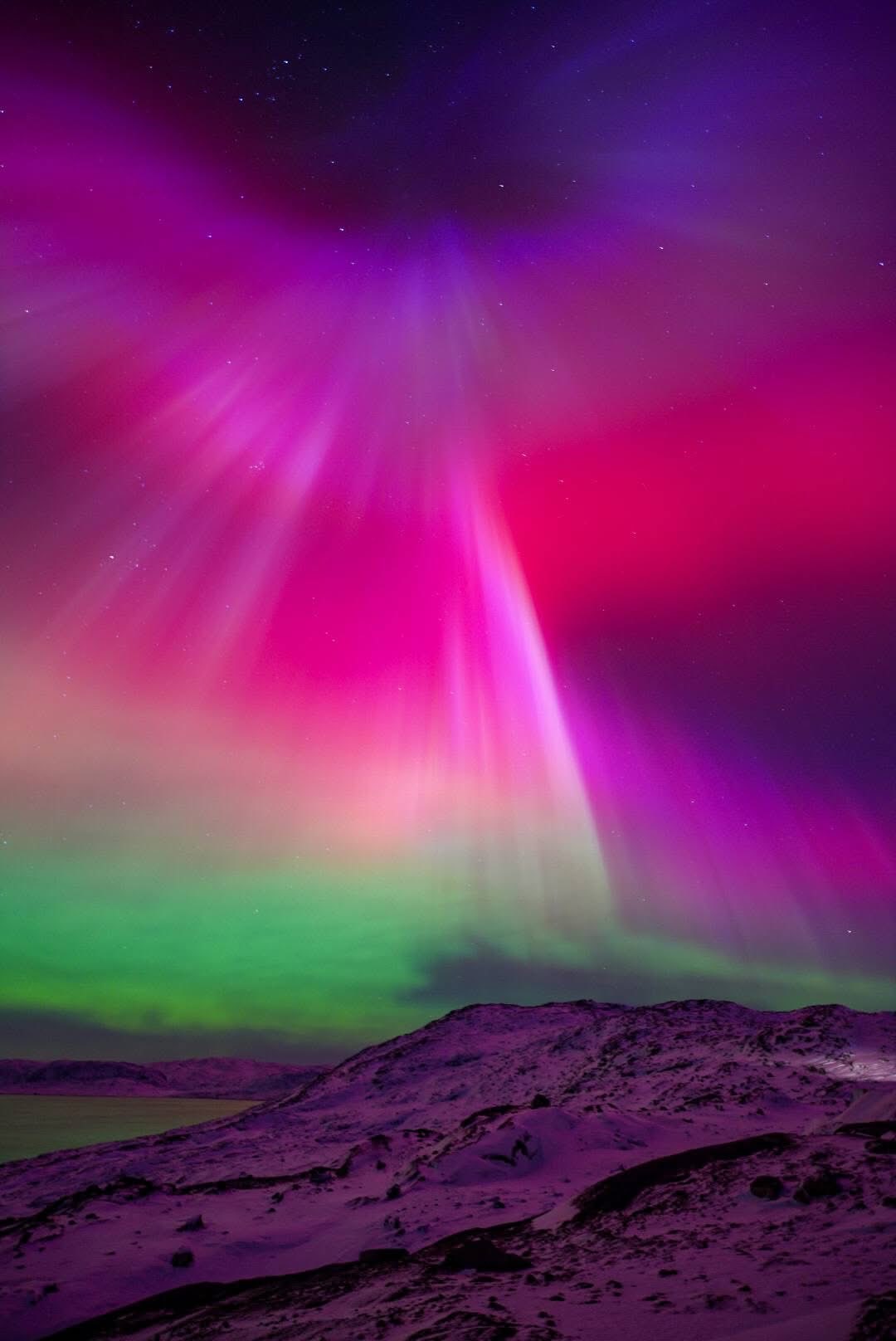
The events of January 19–20 are also interesting as they were accompanied by a powerful radiation storm caused by an increase in the concentration of solar protons to record levels in the 21st century. Such events do not pose a threat to Earth, as charged particles are unable to reach the Earth’s surface. However, they can interfere with the operation of satellites, cause navigation errors, and disrupt radio communications. In addition, there is an increased radiation hazard for astronauts during spacewalks, as well as for passengers on transpolar flights.
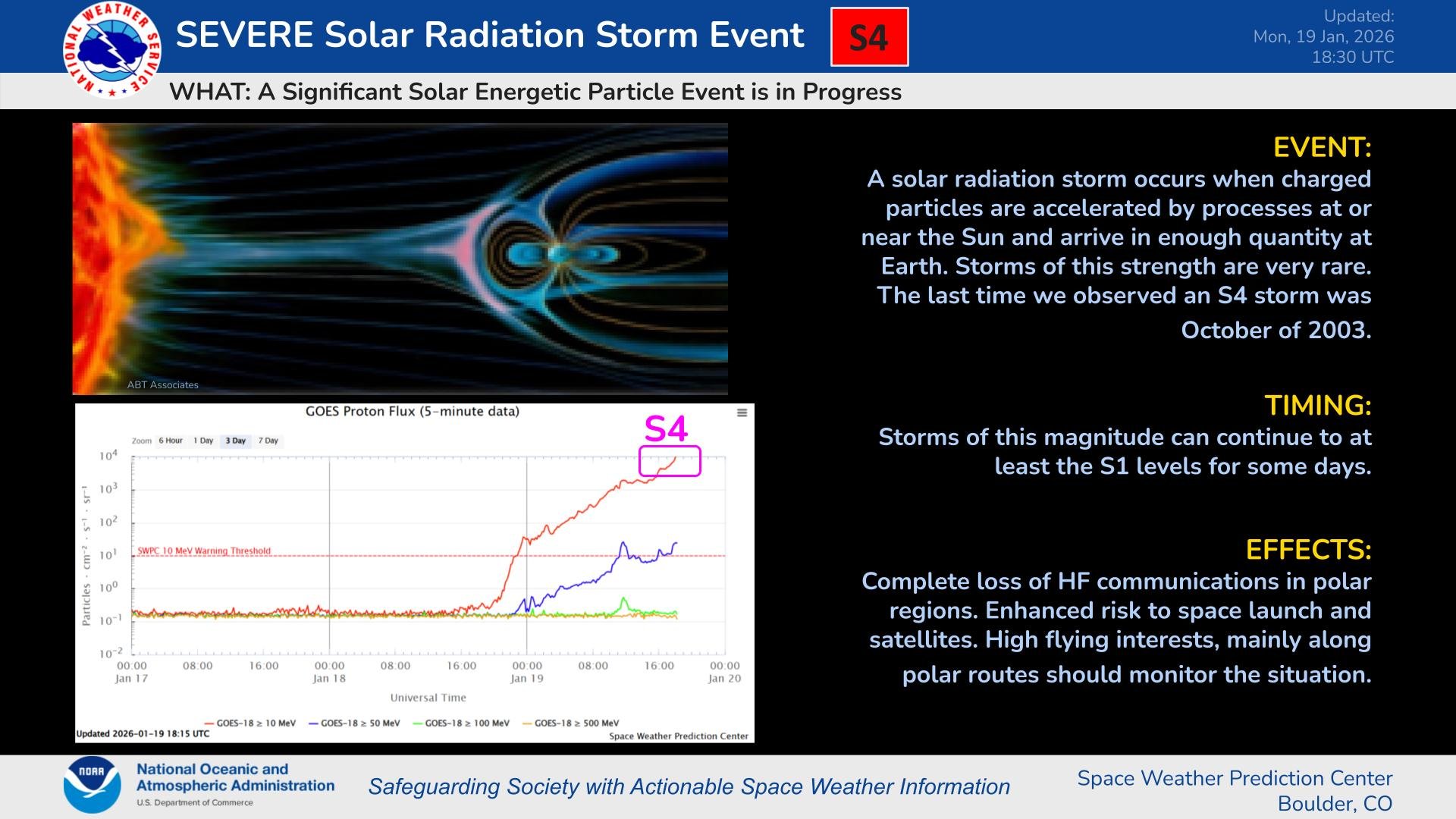
The recent radiation storm was classified as S4 by the US National Oceanic and Atmospheric Administration (NOAA). Although a higher level of S5 is theoretically possible, it has never been recorded in the history of observations. So S4 is the actual maximum. The last time the S4-class radiation storm was observed was in 2003. However, the recent storm exceeded it in strength.
For more details on how auroras occur and where and when they can be observed, read our article.

