

After numerous postponements, the first manned flight to the Moon since 1972 may take place in just 20 weeks. This was announced by NASA representatives at a briefing on September 23.
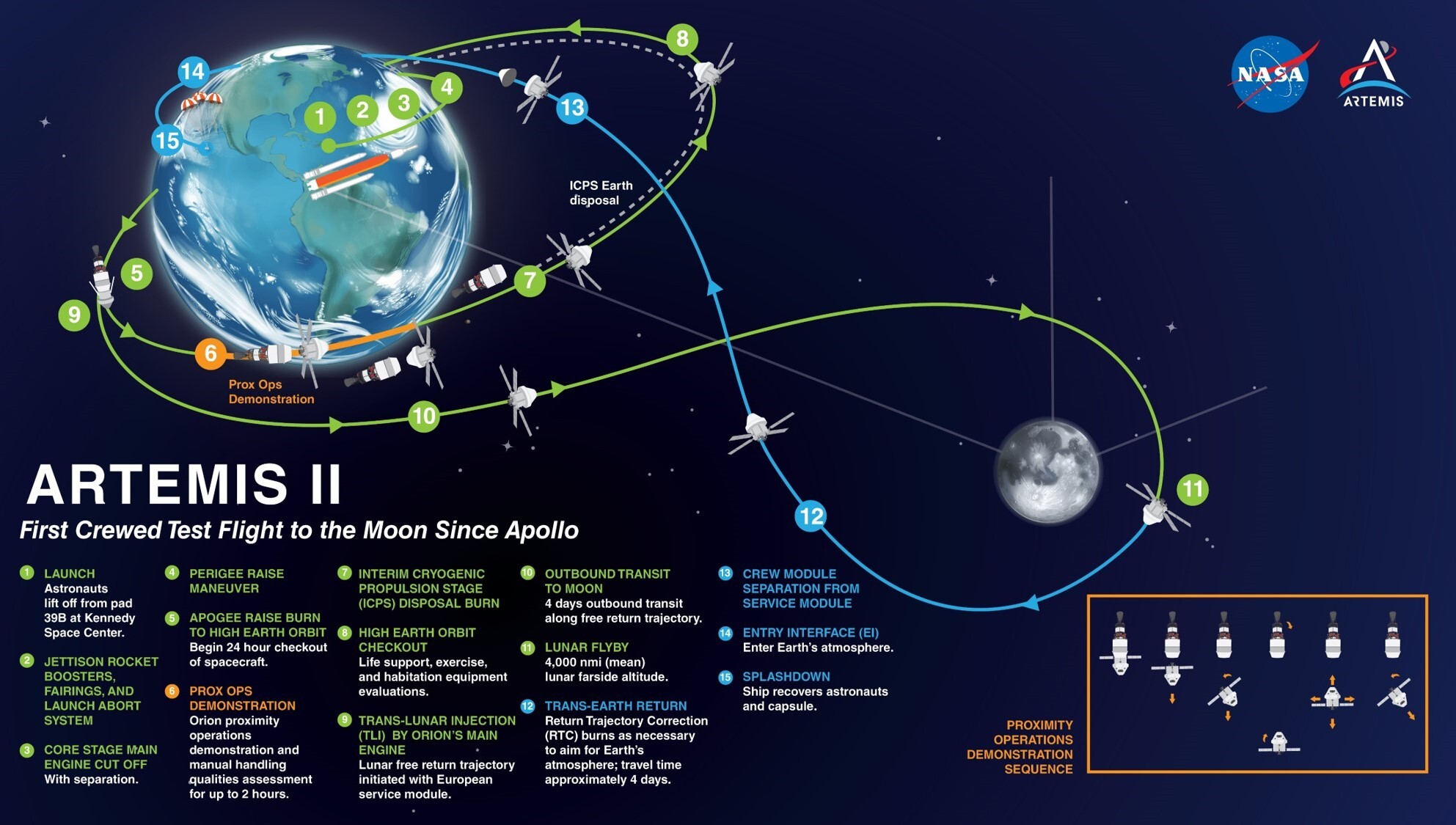
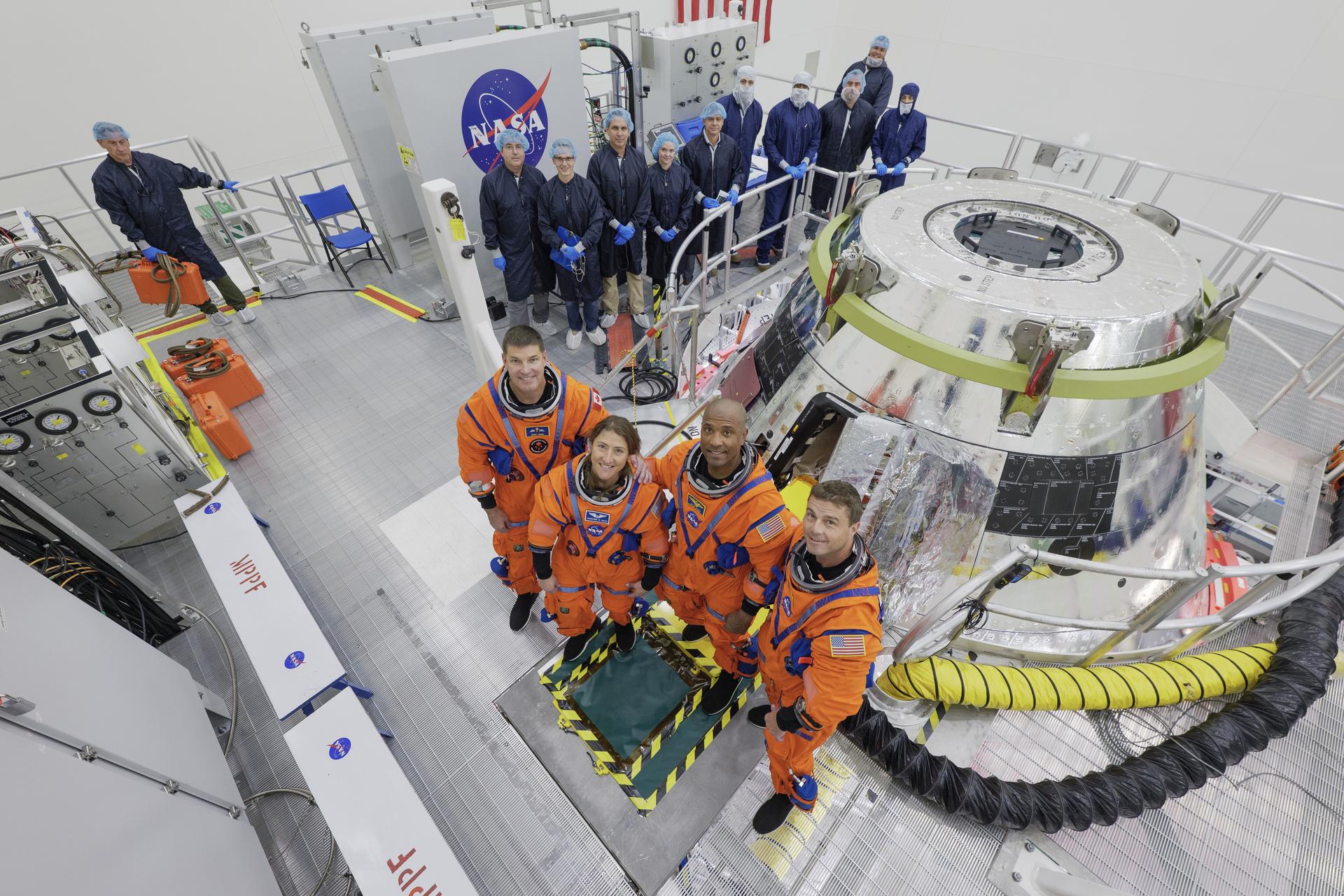
We are talking about the Artemis II mission. As part of this mission, the Orion spacecraft will fly around the Moon on a free return trajectory and then return to Earth. The mission crew will consist of four people: NASA astronauts Reid Wiseman, Victor Glover and Christina Koch , as well as Canadian Space Agency astronaut Jeremy Hansen. The total duration of the flight will be 10 days.
The launch of Artemis II was originally planned for 2024. However, it was subsequently postponed several times and ultimately rescheduled for spring 2026. However, according to NASA representatives who provided updated information about the mission from the Johnson Space Center, all the pieces of the puzzle are now in place, and the launch could take place as early as February 5.
One of the main issues related to Artemis II is the safety of the heat shield. During the previous Artemis I mission, it sustained more damage than the models predicted. Based on the results of an investigation conducted by NASA and Lockheed Martin, the manufacturer of the shield, it was decided to leave its design unchanged and adjust the spacecraft’s return trajectory.
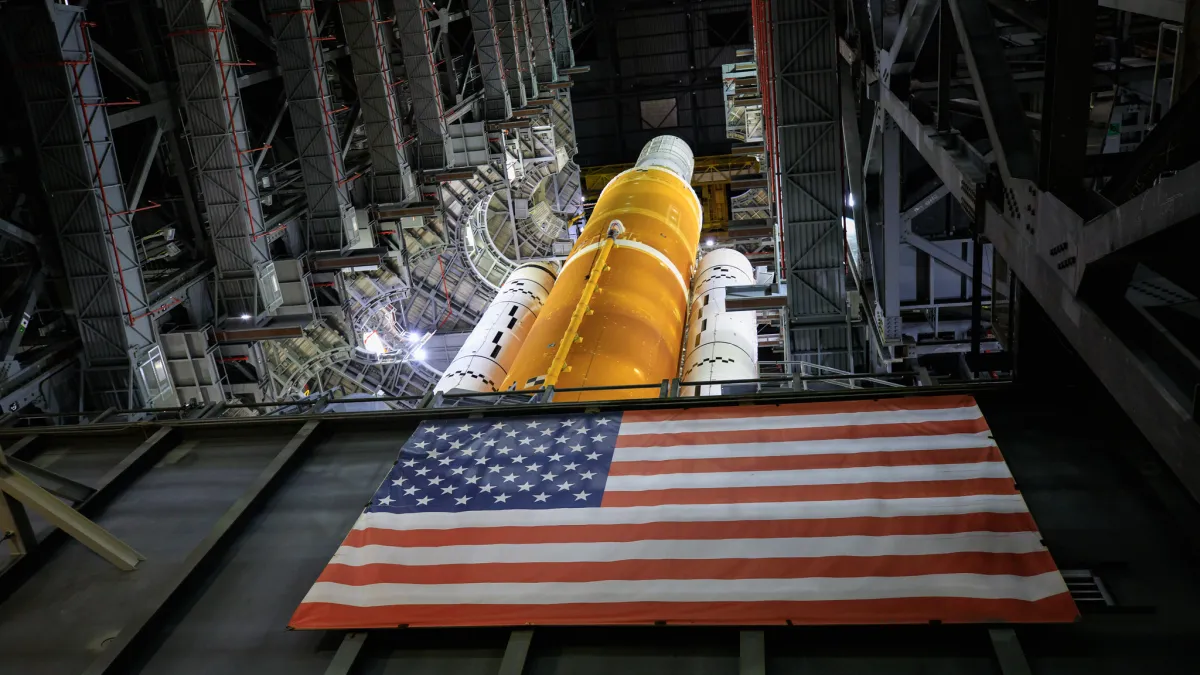
In order for Artemis II to reach the Moon, NASA also needs to prepare the super-heavy SLS rocket. Its assembly is expected to be completed in October. Next, the launch vehicle will be transported to the launch pad and fully fueled, after which a pre-launch countdown rehearsal will be conducted. The Artemis II crew will also have to conduct training at the launch site and practice the procedure for evacuating the spacecraft.
If all these operations and training sessions go as planned, Artemis II will be able to launch into space as early as February 2026. Monthly ballistic windows, which take into account the required distance between the Earth and the Moon, will last from four to eight days. Most launch attempts in February will be conducted in the evening.
Artemis II will be followed by Artemis III, during which American astronauts will land on the South Pole of the Moon. It is currently scheduled for 2027. However, despite recent optimistic statements from NASA, most experts doubt the feasibility of this date due to the unpreparedness of a significant portion of the mission’s components — from the Starship HLS lander to lunar spacesuits. All this gives China an excellent chance to overtake the US and win the second lunar race. It is known that China plans to land humans on the Moon by 2030 and is working hard to achieve this goal.
According to Phys.org

