

The Gemini North Observatory has released new images of the interstellar comet 3I/ATLAS. They were obtained during Shadow the Scientists, a unique educational initiative that allows students from around the world to join researchers observing the Universe with the most advanced telescopes.
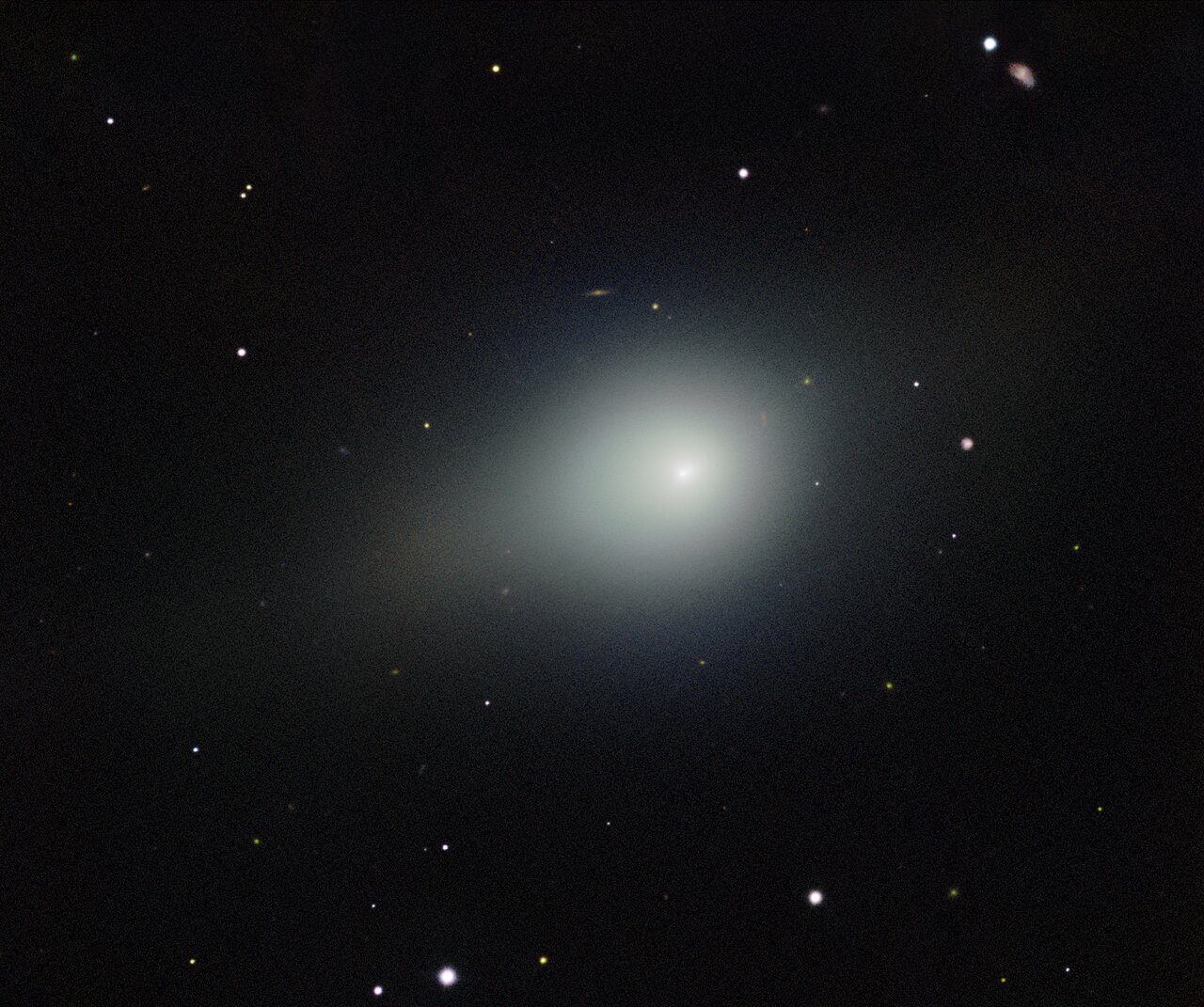
On November 26, 2025, scientists used the Gemini Multi-Object Spectrograph (GMOS) installed at the Gemini North Observatory on Mauna Kea in Hawaii to obtain images of the third interstellar object ever discovered—comet 3I/ATLAS. The images show how the comet has changed since its close approach to the Sun.
The images were obtained by combining exposures taken through four filters—blue, green, orange, and red. During the exposure, the comet remained stationary in the center of the telescope’s field of view. However, the position of the stars in the background changed relative to 3I/ATLAS, resulting in them appearing as colored streaks in the final image.
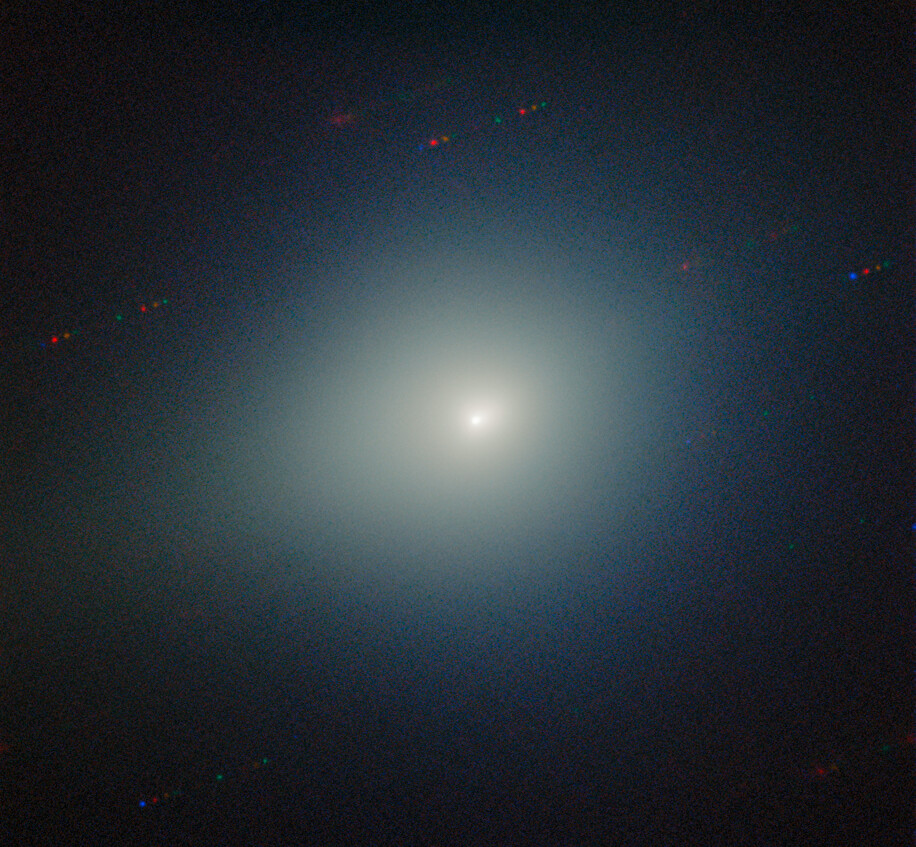
In earlier images of the comet taken during the Shadow the Scientists session at the Gemini South Observatory in Chile, the comet appeared reddish. However, in the new image from Gemini North, the interstellar traveler has a faint greenish glow. This is due to light emitted by gases in the comet’s coma that evaporate as they heat up, including diatomic carbon (C2): a highly reactive molecule that emits light with a green wavelength.
It remains unknown how 3I/ATLAS will behave when it leaves the vicinity of the Sun and cools down. Many comets respond to solar radiation with a delay due to the time it takes for heat to pass through the interior of the comet. The delay can activate the evaporation of new chemicals or cause the release of cometary material. The Gemini Observatory will continue to observe the comet as it moves away from the Solar System and look for changes in its composition and behavior.
Earlier, we reported on how the Hubble Telescope photographed the interstellar comet 3I/ATLAS.
According to NOIRLab

