

A South Korean rocket startup has just raised $24 million. The company has previously launched its own rocket from South Korean territory. The total amount of investment in the startup now stands at $44 million. The funds will be used to prepare for the next launch.
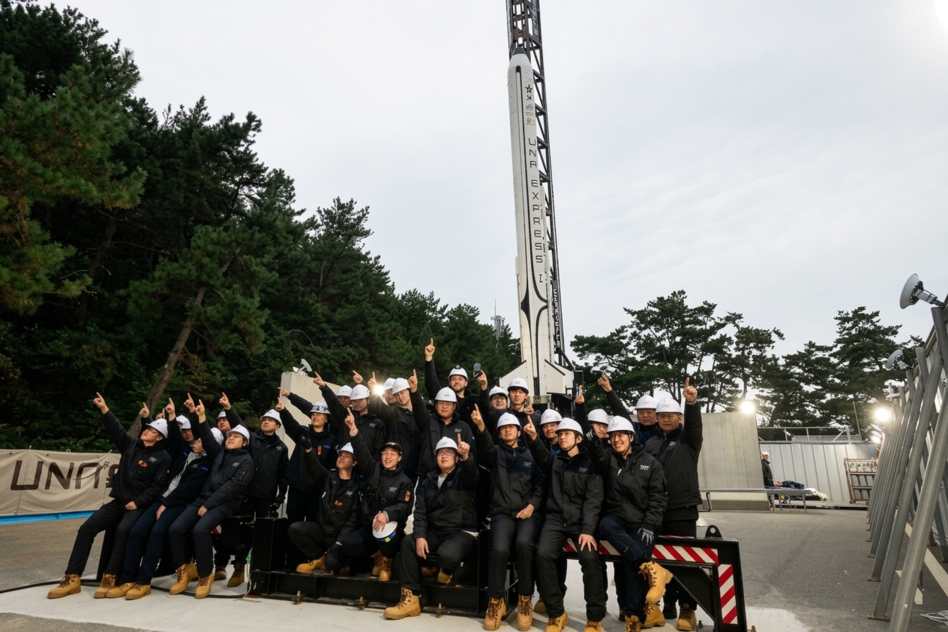
A team of 22 people
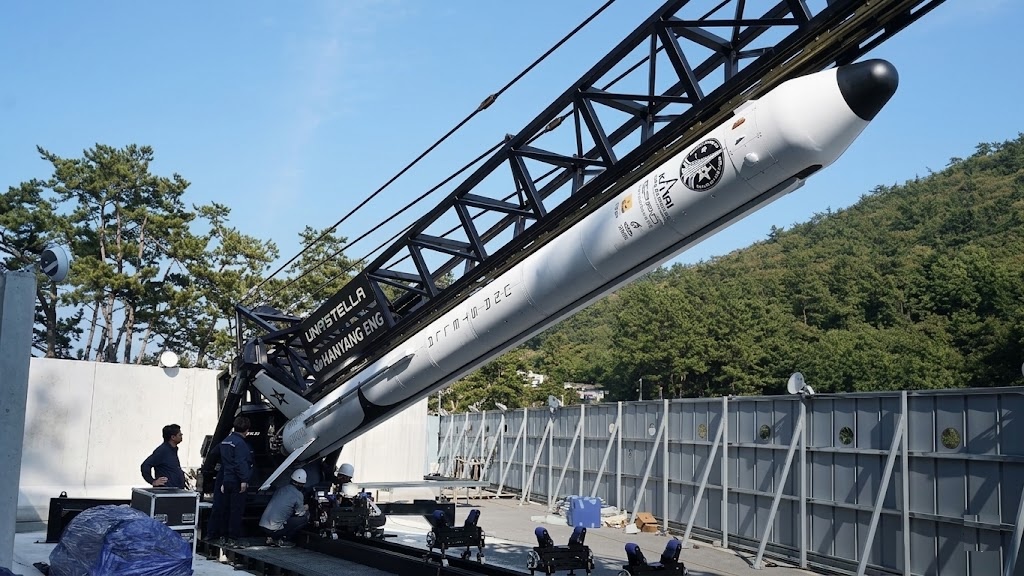
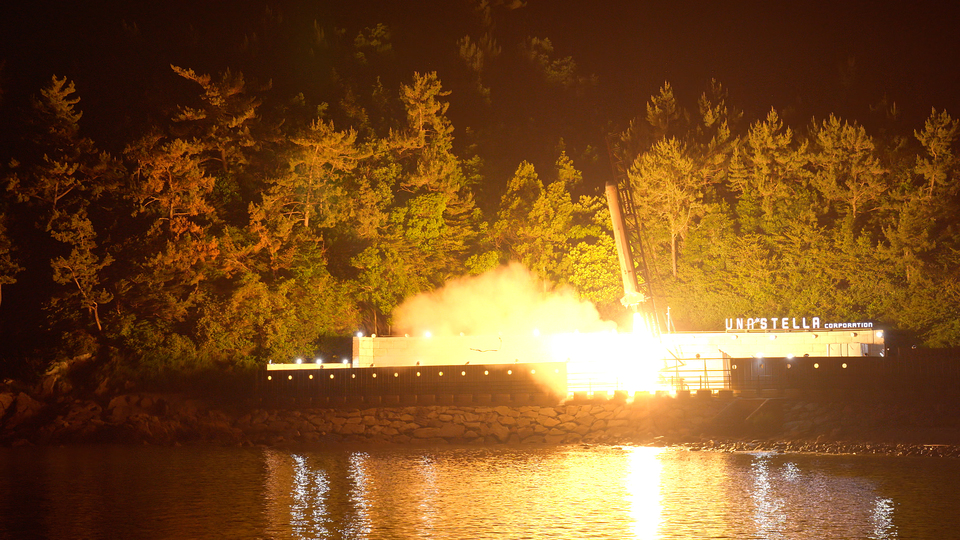
Unastella was founded four years ago and is based in Seoul. In May 2025, it conducted the first launch of the UNA EXPRESS-I rocket. This was a comprehensive test of the entire system, from design to flight data. The startup has only 22 employees, but it develops and manufactures everything in-house, including engines, ground operations, and telemetry processing.
Founder and CEO Jae Park previously worked on engines for the Korean Nuri rocket at the Korea Aerospace Research Institute, then at the German Aerospace Center in Berlin, and later returned to Korea and decided to start his own company. According to him, the goal is not to build the most impressive rocket, but to enter the commercial market as quickly as possible.
Technical selection
Unastella rockets run on refined kerosene and liquid oxygen. This is one of the most proven propellant combinations in the rocket industry, used notably by SpaceX’s Falcon series.
Instead of a traditional turbopump, the company uses an electric pump, as it is a simpler and cheaper solution that has already been proven in flight by Rocket Lab. It is heavier than its turbine counterpart, which means less space for satellites. But Jae Park describes this as a deliberate choice in favor of rapid time-to-market rather than maximum technical performance.
Next rocket
The company’s key milestone is the UNA EXPRESS-II rocket, scheduled for launch next year. Reaching an altitude of 100 kilometers—considered the boundary of space—is expected to open the door to partnerships with major Korean aerospace and defense companies.
The latest round of venture capital funding was led by Altos Ventures, with participation from the Korea Development Bank, Strong Ventures, and Hana Ventures. The startup has not yet generated any revenue, but investors are funding its roadmap.
Market and Competitors
The global space launch market was valued at approximately $15 billion in 2023, and according to forecasts by the research firm Grand View Research, it could nearly triple by 2030, reaching $41 billion.
The commercial launch sector in Korea is still in its infancy. Last year, Hanwha Aerospace acquired full rights to the Nuri rocket technology, but none of the local players have reached orbit yet. China leads the way in Asia, where private companies have already carried out several launches.
According to techcrunch.com

