

The ambitious Mars Sample Return (MSR) mission to deliver Martian samples to Earth is on the verge of being canceled due to its insane complexity and cost. NASA has acknowledged that it is unable to accomplish this extremely complex task on its own. But an unexpected offer from Lockheed Martin brings hope for the project’s salvation.
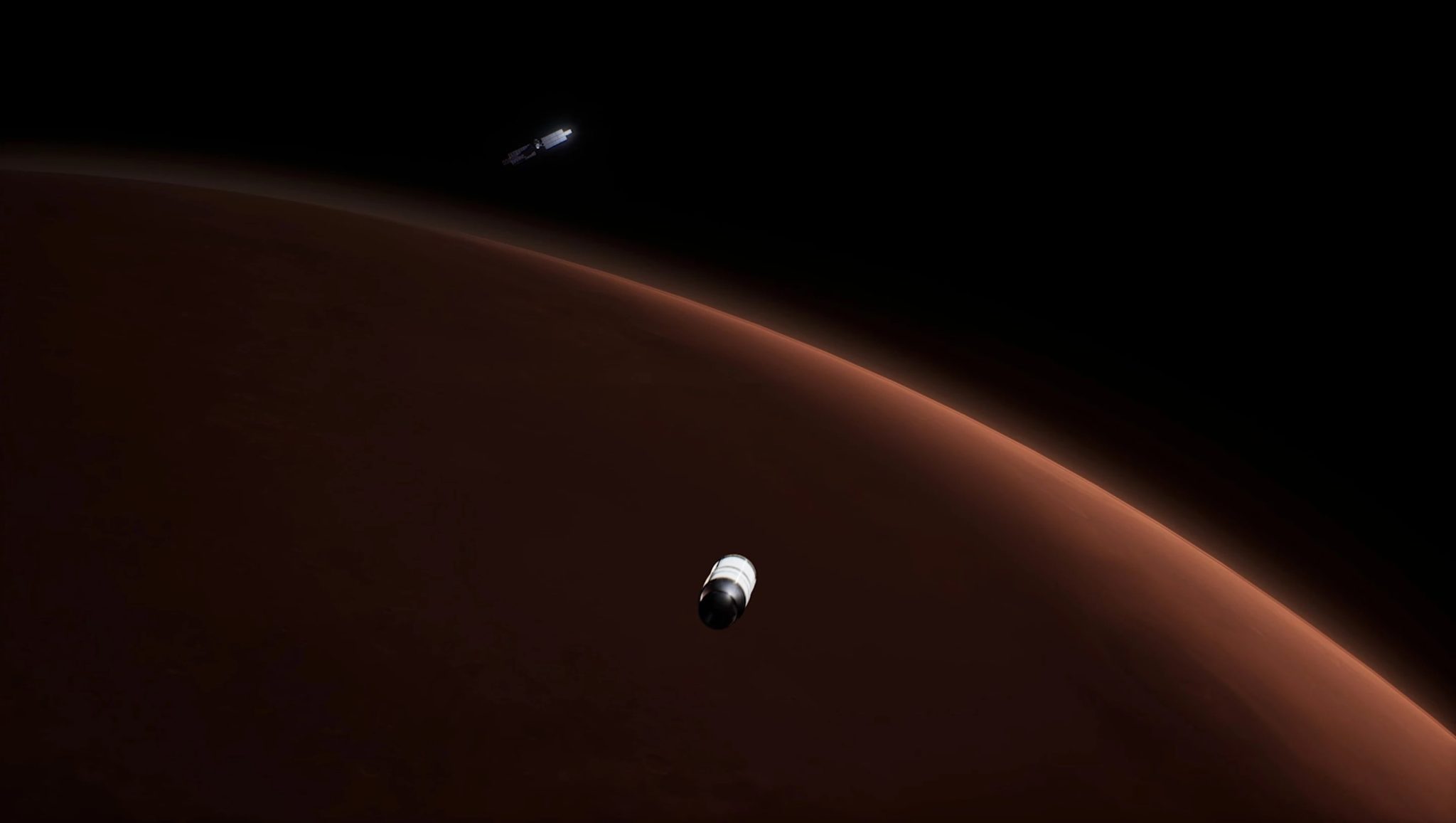
The idea behind Mars Sample Return is ingenious in its simplicity: collect samples of Martian soil and rocks automatically and deliver them to Earth for more detailed study. This will enable scientists to search for traces of past life and obtain invaluable data for future missions to colonize the Red Planet — to identify safe locations for bases and resources. However, the mission requires incredible coordination of an entire fleet of spacecraft: a sample collector, a rocket to lift it off the surface of Mars, an orbital vehicle, and a capsule to return it to Earth.
Samples await on the surface of Mars
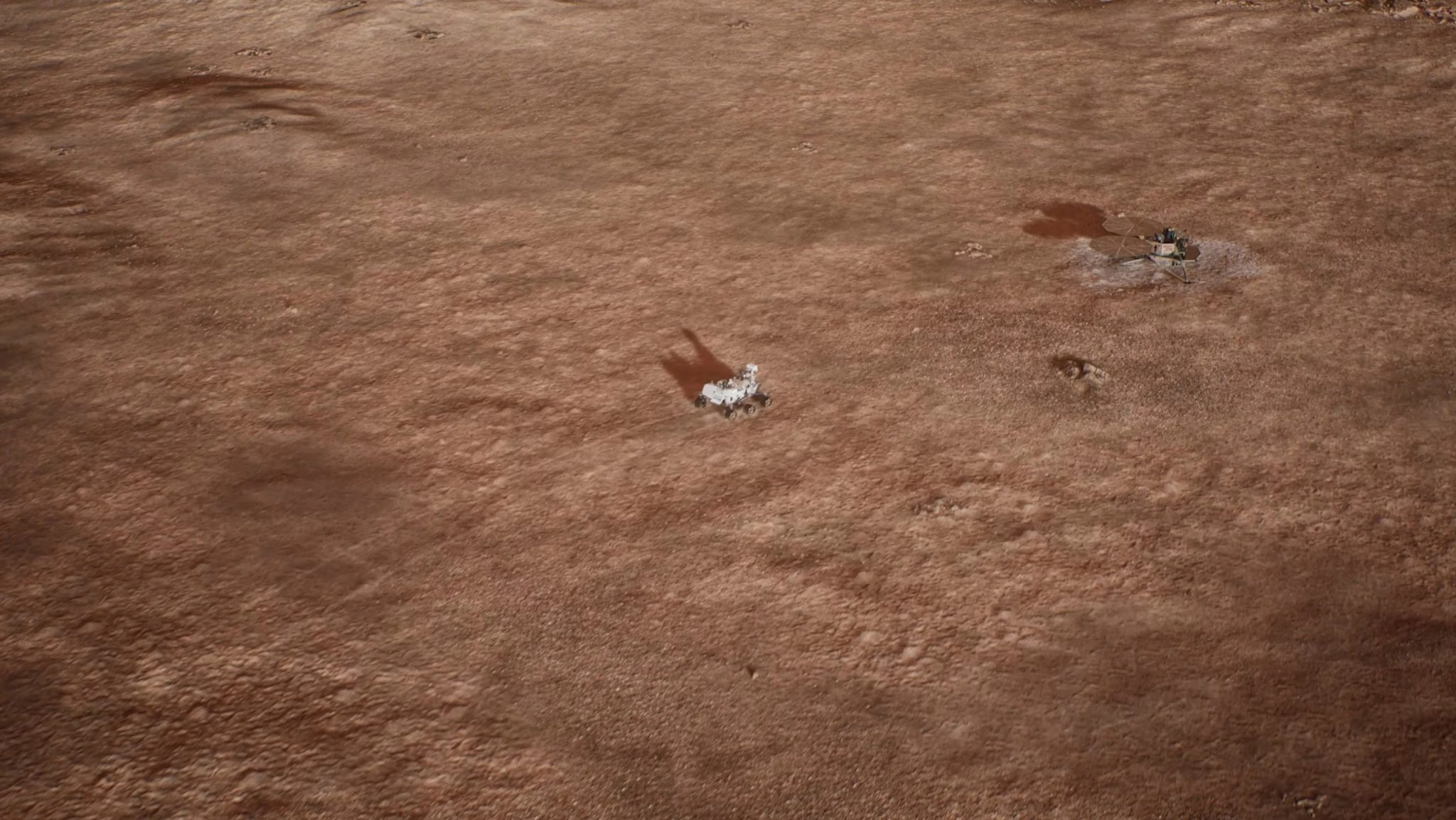
The Perseverance rover has already collected and placed 30 titanium tubes containing samples on the surface — this is the only operation that has been performed. The remaining critical components of Mars Sample Return exist only on paper. The project estimate turned out to be super expensive — its cost ranges from 7 to 11 billion dollars. Therefore, NASA has postponed the project until the 2040s, when the technology will be cheaper, more advanced, and more reliable.
An unexpected lifeline
In order to save the mission, the space agency even offered private companies the opportunity to find a more rational and economical solution. But nothing has changed except for the discussions.
And at the end of June, Lockheed Martin, a key NASA partner, accepted the challenge. The company offered to carry out Mars Sample Return for less than $3 billion. Their secret is radical simplification in everything. The plan includes a smaller landing module, based on the experience gained from the InSight mission, a more compact lift from Mars, and a lighter capsule for returning to Earth. To fully implement the project, the company suggests taking fewer samples to reduce weight.
Expert advantage
Lockheed Martin’s experience is impressive: they have built 11 spacecraft for NASA to Mars and participated in all three of the agency’s sample return missions, including OSIRIS-REx. This expertise makes their proposal extremely compelling to NASA, which is seeking to reduce costs and risks, especially after the budget cuts for 2026. The partnership with the European Space Agency (ESA), which is responsible for the orbital vehicle, remains key.
While NASA evaluates Lockheed Martin’s bold proposal, the Mars Sample Return mission has been given a real chance of revival. If the plan is approved, it will not only save Martian samples from oblivion on the Red Planet, but will also be a historic breakthrough in automated research work. The entire scientific community awaits NASA’s decision with bated breath.
We previously reported on how quartz crystals may contain evidence of life on Mars.
According to lockheedmartin.com

