

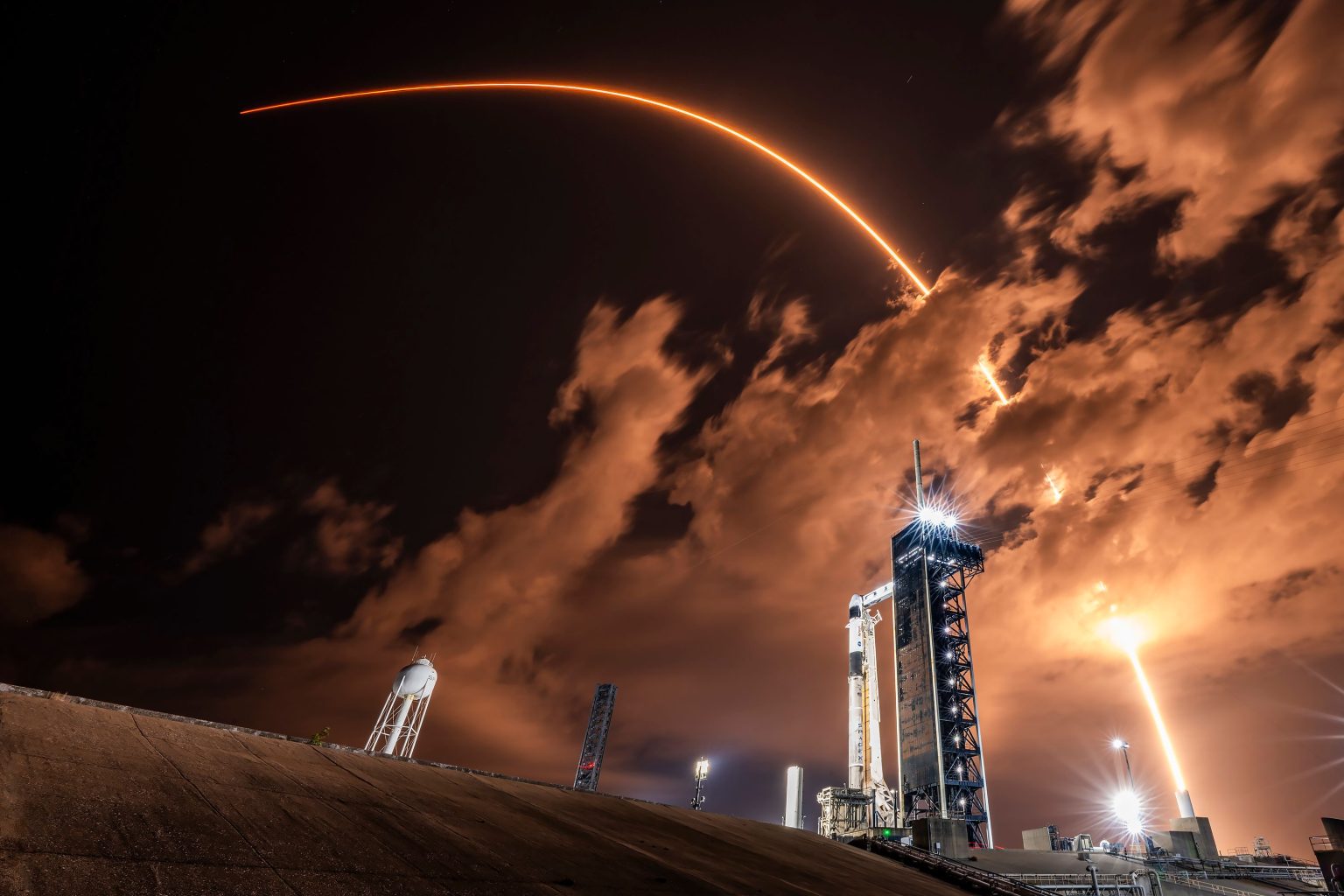
On Sunday, May 3, a SpaceX Falcon 9 rocket lifted off into the night sky from Vandenberg Space Force Base in California. On board, it carried an entire “space fleet”—45 satellites. The star of this mission was the South Korean research spacecraft CAS500-2, which had been waiting for its chance to go into orbit for several years.
The CAS500-2 satellite is a key component of South Korea’s ambitious CAS500 (Compact Advanced Satellite 500) program. This project, developed by the Korea Aerospace Research Institute, involves the deployment of a constellation of five satellites in low Earth orbit. Their main goal is to observe our planet. They will collect critical data that will aid in monitoring natural disasters, managing agriculture, and accurately estimating crop yields.
Geopolitics and Space: Why the launch had to be postponed
The story of the CAS500-2 is a striking example of how earthly conflicts can disrupt scientific plans. As the name suggests, it was intended to be the second spacecraft in the series. Its predecessor, the CAS500-1, was successfully launched on a Russian Soyuz rocket back in March 2021. The launch of the second satellite was also scheduled for 2022 on the same rocket.
However, Russia’s full-scale invasion of Ukraine shattered international partnerships. The agreement was terminated, and the CAS500-2 had to be shelved. Meanwhile, the program continued to evolve. In November 2025, South Korea successfully launched the CAS500-3 into orbit using its own Nuri launch vehicle. And now, thanks to SpaceX, the second mission has finally made up for lost time.
44 travel companions
Modern space missions often resemble group trips, and this launch was no exception. Along with the South Korean flagship, 44 additional satellites from a wide range of commercial operators around the world were launched into orbit. Among the payloads on this flight are spacecraft from Argotec S.r.l., Exolaunch, Impulso.Space, Loft-EarthDaily, Lynk Global, True Anomaly, and Planet Labs.
CAS500-2 was the first to separate from the Falcon 9 upper stage approximately 60 minutes after launch. The remaining spacecraft gradually and safely separated from the carrier over the next hour and a half.
SpaceX’s reusable records
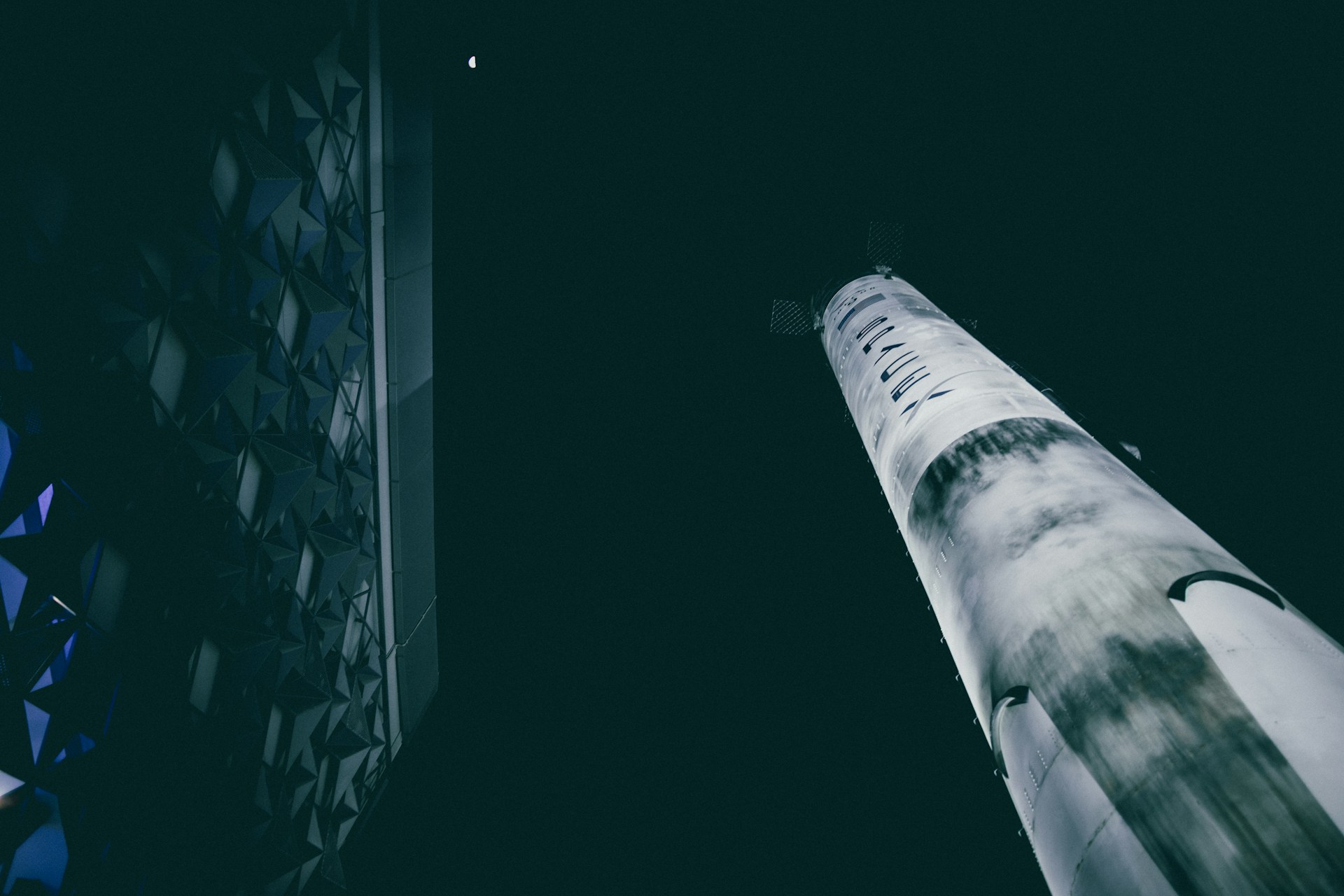
This mission marked yet another triumph of engineering. The first stage of the Falcon 9 rocket (serial number B1071) made a flawless landing back at the Vandenberg launch site just 7.5 minutes after liftoff. For this particular booster, it was already its 33rd successful flight into space. It is just one flight away from the company’s all-time record for reusability, which another Falcon 9 booster set in late March during the launch of Starlink internet satellites.
Overall, Sunday’s launch marked SpaceX’s 54th space launch since the beginning of 2026. The company continues to maintain a breakneck pace, relying primarily on its reliable workhorse, the Falcon 9.
We previously discussed how the Falcon 9 rocket permanently changed the field of space exploration.
According to Space

