

In May 1971, a significant space race to Mars transpired between the United States and the Soviet Union. During that month, a total of four spacecraft were launched towards the Red Planet. The final launch in this sequence was Mariner 9. Nonetheless, it was Mariner 9 that ultimately distinguished itself as the successful mission.
The 1971 starting gate
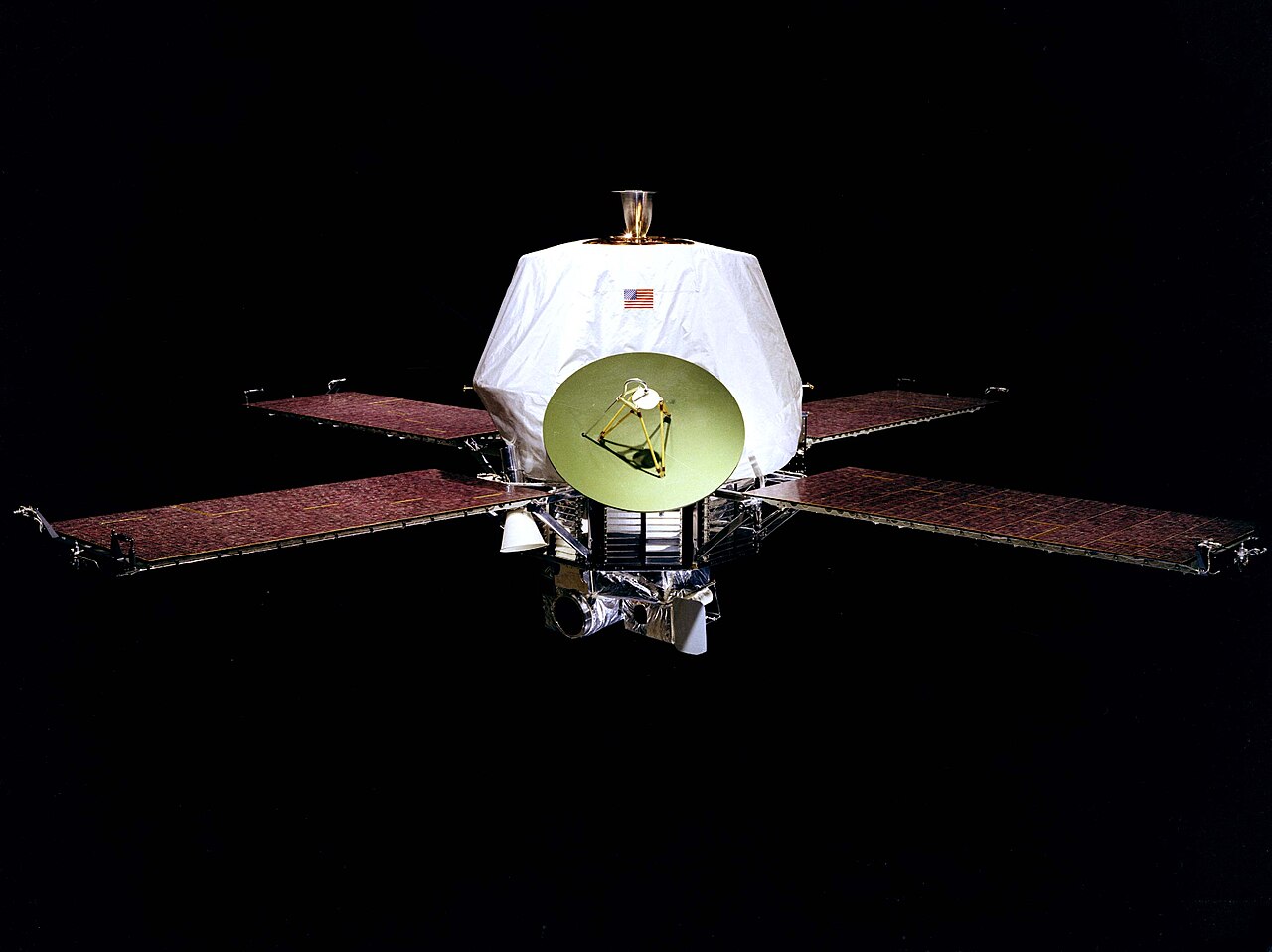
Exactly 55 years ago, on May 30, 1971, an Atlas D rocket was launched from Cape Canaveral. This event initiated the journey of the Mariner 9 space probe towards Mars. Six months subsequent to its launch, it would achieve the distinction of being the first artificial satellite of another planet. Nevertheless, the associated drama had commenced well before this milestone.
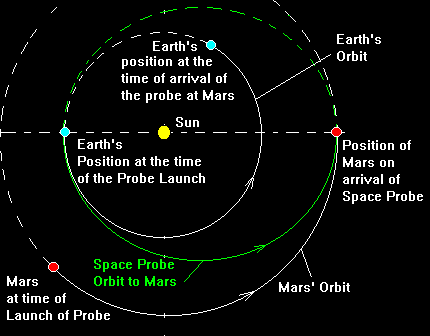
Mars exploration missions are governed by a fundamental guideline. The launch window — permitting a transit between Earth and Mars within a few months — occurs approximately once every 26 months. During alternative periods, such a voyage necessitates considerably greater time and fuel consumption.
Launch windows are predetermined, allowing missions to be planned accordingly from the earliest stages of design. Notably, NASA scientists commenced evaluations of the opportunities afforded by the 1971 launch window as early as 1968. While the space race was poised to reach its most vigorous phase, scientists demonstrated forward-thinking by engaging in early strategic considerations.
The launch window in March 1969 had already been reserved for the Mariner 6 and Mariner 7 spacecraft, which were scheduled to fly past Mars at close range; thereafter, it would be the turn of a mission designated to study the planet from orbit over an extended duration and to map its surface.
More specifically, in 1971, following the somewhat mixed success of the Mariner 6 and Mariner 7 missions, two spacecraft were assigned to conduct a comprehensive study of Mars. Mariner 8 was tasked with studying the variable features of Mars’ surface and atmosphere — primarily weather and seasonal changes — while Mariner 9 was to focus on the unchanging features, namely the terrain.
Simultaneously, the design and scientific payloads of both spacecraft were identical. They were equipped with the same infrared and ultraviolet spectrometers as well as a pair of visible-light cameras. The sole distinction lay in the orbits designated for each spacecraft’s operation. Mariner 9 was positioned in a 12-hour orbit, enabling it to examine nearly the entire surface of the planet, albeit at a relatively slow pace.
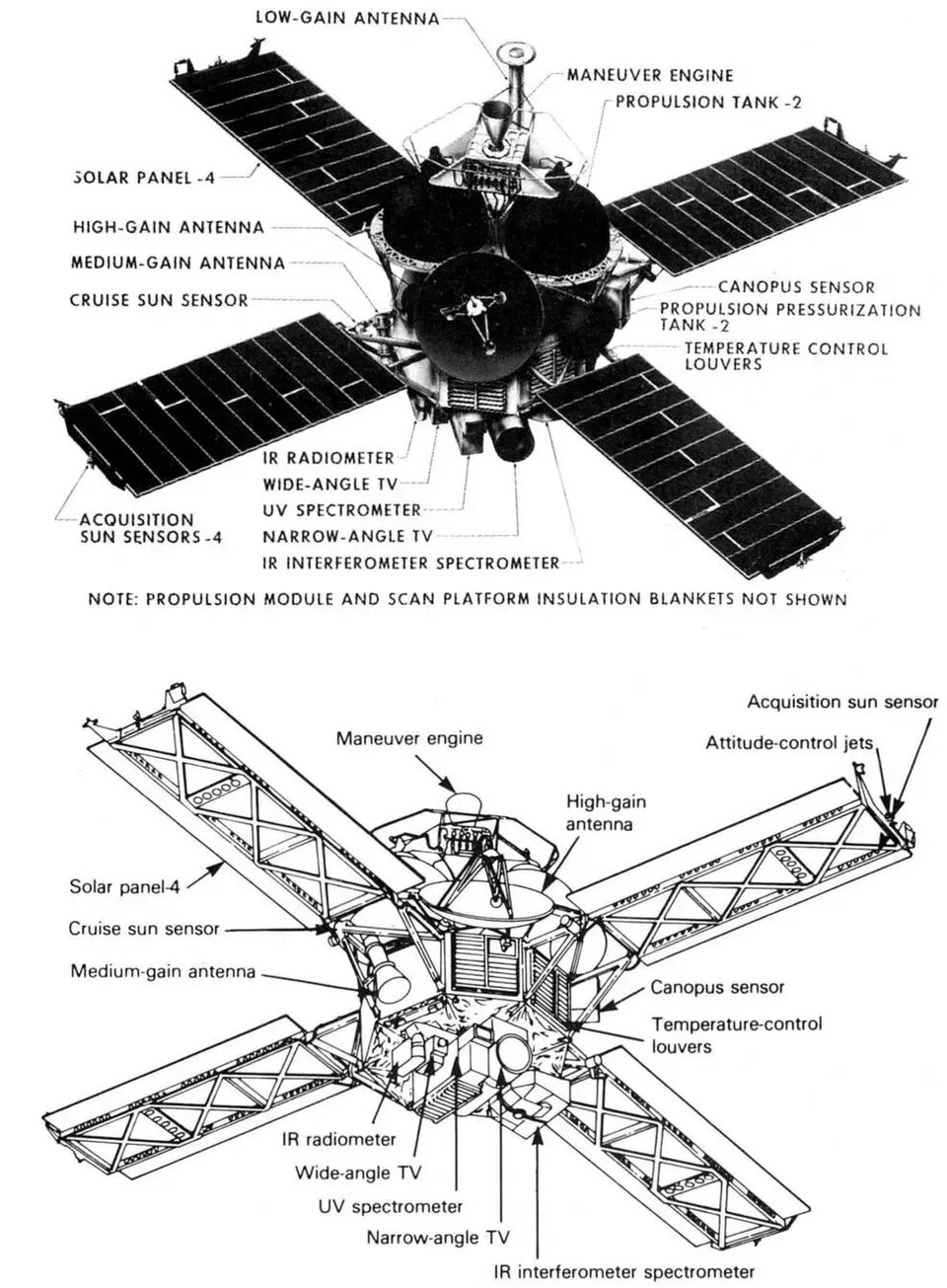
The spacecraft was propelled by four expansive solar panels. When unladen, they had a mass of 560 kilograms. An extra 438 kilograms was attributed to fuel, which facilitated the spacecraft’s journey to the Red Planet.
The USSR enters the fray
The launch of Mariner 8 and 9 represented a considerable logistical challenge in its own right; however, it subsequently became evident that the Soviet Union was also monitoring the May 1971 launch window meticulously. By that juncture, they had recognized that the race to the Moon was indeed lost and had elected to redirect their efforts toward a new domain.
In contrast to the United States, which, by the late 1960s, possessed several Mariner spacecraft that had successfully traversed the vicinity of the Red Planet, the Soviet Union had only “Mars-1,” which did not reach the planet in 1962.
However, the desire to surpass their competitors was more compelling than the fear of lagging behind. Consequently, it was determined to initiate the launch of a pair of nearly identical spacecraft. Each of these was significantly larger than the American counterpart, with a weight of 4,625 kg. The rationale behind this was that each spacecraft comprised not only an orbital platform responsible for capturing images of the planet’s surface, measuring the magnetic field, and assessing various other parameters, but also included a lander.
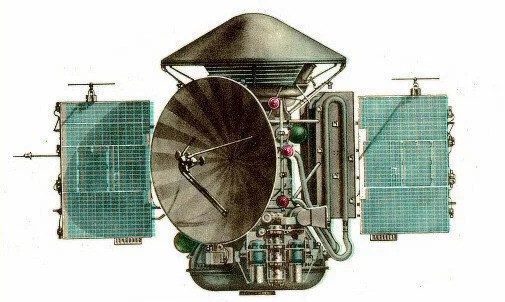
It was this mission that the Soviet Union was relying on the most. Mars 2 and Mars 3 possessed the potential to become not only the first spacecraft to orbit the Red Planet but also the first to land on its surface.
May 1971
All of this initiated a competitive race between the two superpowers. Mariner 8 was the first to be launched into space on May 9, 1971, and, according to the scheduled flight plan, it was highly likely to succeed. However, 265 seconds into the flight, following the ignition of the booster engine, the entire upper stage began to sway, lost control, and the spacecraft fell back to Earth. Instead of reaching Mars, it ultimately landed at the bottom of the ocean near Puerto Rico.
Ten days later, on May 19, the Soviet Union launched Mars 2, and this time there were no mishaps. This alone would have been sufficient to cause concern among American engineers, but on May 28, Mars 3 also successfully dispatched itself towards the Red Planet.
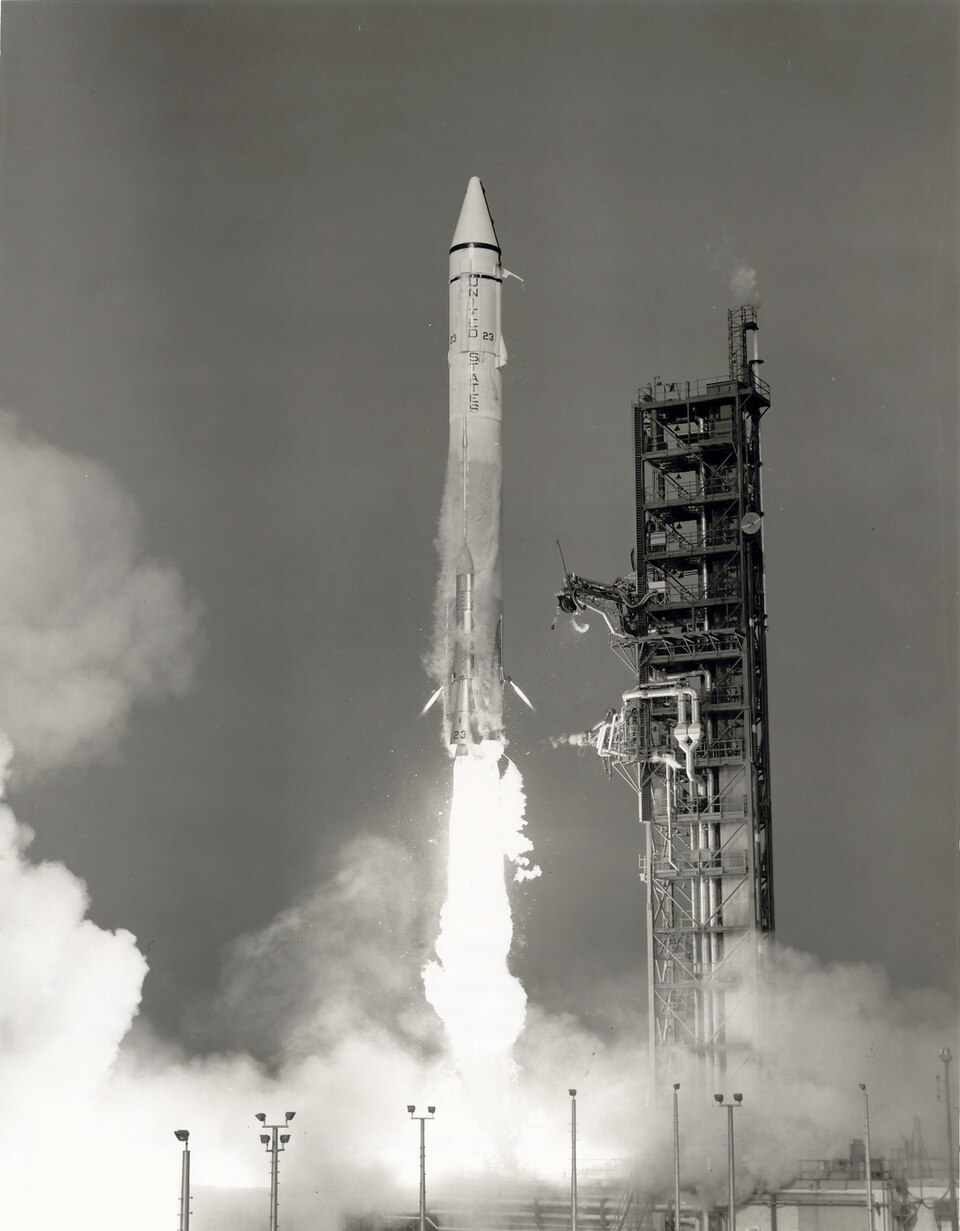
At this juncture, there was genuine cause for concern, as the Soviet Union already had two probes en route to Mars, whereas the United States had none. However, this situation persisted for only approximately two days, as Mariner 9 was launched on May 30, and this attempt was successful. Furthermore, the American spacecraft, which was lighter than the Soviet counterparts, achieved a higher velocity, and consequently, it was anticipated to enter the orbit of the Red Planet prior to the others.
Mars Mission
Following the launch, it was revealed that Mariner 9 was ultimately designated to capture the initial photograph of the Martian surface from orbit. Subsequently, the USSR had an opportunity to compensate by accomplishing the first soft landing in history. However, natural circumstances intervened in the competition.
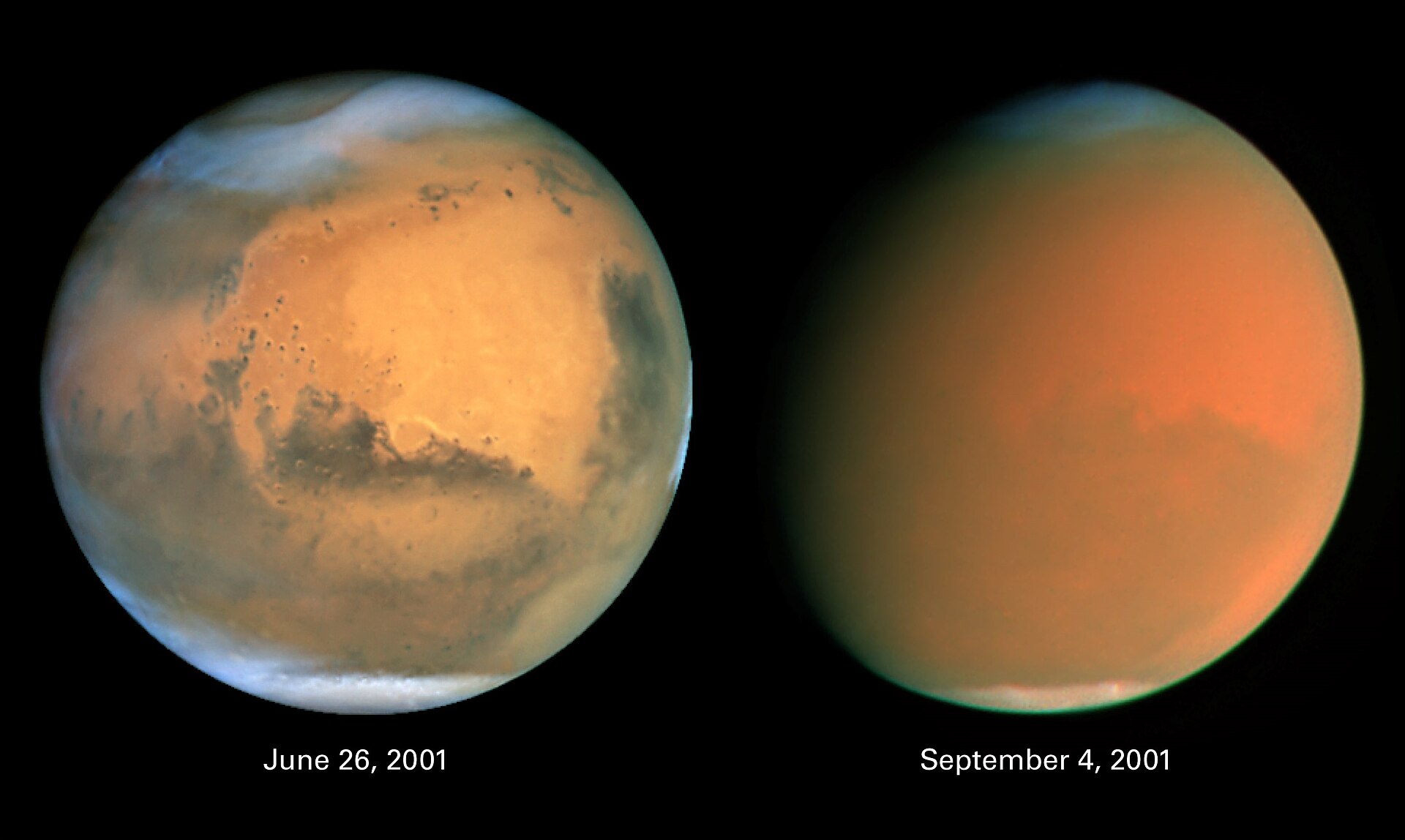
In August 1971, a dust storm commenced on Mars. When such a phenomenon occurs on Mars, it rapidly envelops the entire planet with considerable severity. Consequently, on November 14 of that year, when Mariner 9 ultimately became the first spacecraft to enter orbit, it represented merely a partial achievement, as it was unable to initiate mapping of Mars — the Red Planet appeared as a murky sphere.
However, NASA engineers maintained their composure; consequently, Mariner 9 commenced photographing Phobos and Deimos — Mars’s moons, which were the subject of various hypotheses at the time, including the speculation that they might be of artificial origin. The moons were ultimately identified as asteroids; nonetheless, this did not lessen the significance of their observation by the American spacecraft.
On November 27, Mars 2 arrived at Mars. It promptly deployed the lander into the atmosphere, while the spacecraft itself entered orbit. There was limited scope for photography, and it was not intended to be the focal point of the mission.
However, the Mars-2 lander was described by Soviet propaganda as “the first man-made object on the planet’s surface.” In simple terms, it entered the atmosphere at an incorrect angle, was unable to decelerate adequately, and its parachute system proved ineffective; consequently, it impacted the surface of Mars at full velocity.
Five days later, on December 2, Mars 3 joined the initial two spacecraft in orbit around Mars. Although detailed surface observation remained unfeasible, the spacecraft promptly deployed its lander, which, on this occasion, was successful. The lander consequently became the first artificial object to achieve a soft landing on another celestial body.
However, the Soviet scientists’ joy was brief. According to the program, the lander allocated 1.5 hours to deploying its scientific equipment, and everything appeared to proceed smoothly; however, when the camera was activated, it transmitted only 67 lines of the image before ceasing to function permanently. Once again, the anticipated landmark photograph was not obtained. They had to rely on data from the photometers, which for the first time enabled an assessment of the brightness level on Mars.
The initial cartographic representation of Mars
Meanwhile, the dust storm persisted until January 10 of the subsequent year, 1972. Upon the skies clearing, all three spacecraft in orbit commenced capturing photographs. However, it was soon revealed that the Soviet engineers, who had calibrated the cameras’ automatic settings using a stationary model of Mars, had committed a mistake, resulting in the images being blurry and overexposed.
Mariner 9, however, had already concluded its mission by February 11. Nevertheless, it continued to orbit the Red Planet until October 27, 1972, when it exhausted the compressed gas in its orientation system and was subsequently shut down. Nonetheless, it maintained its orbit around Mars at least until 2020.
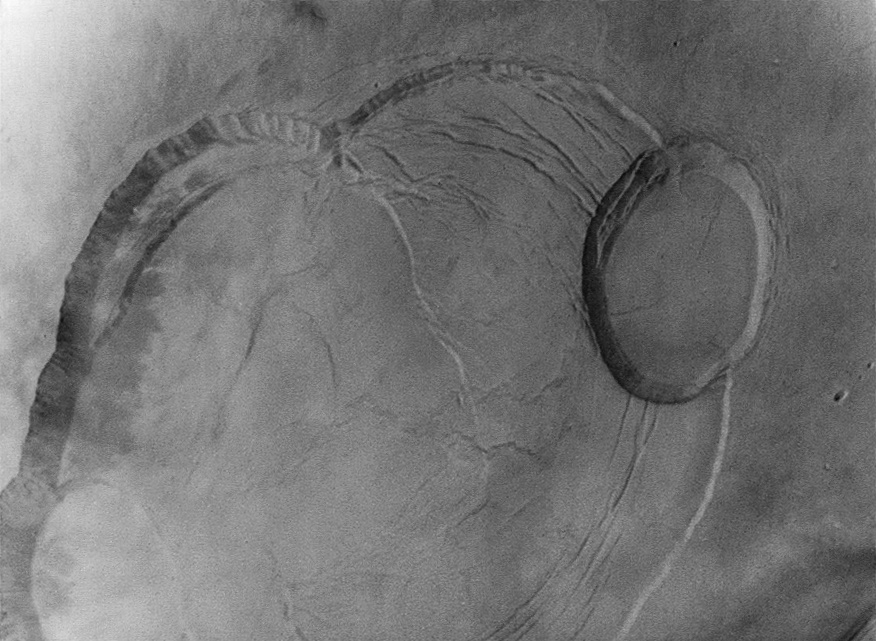
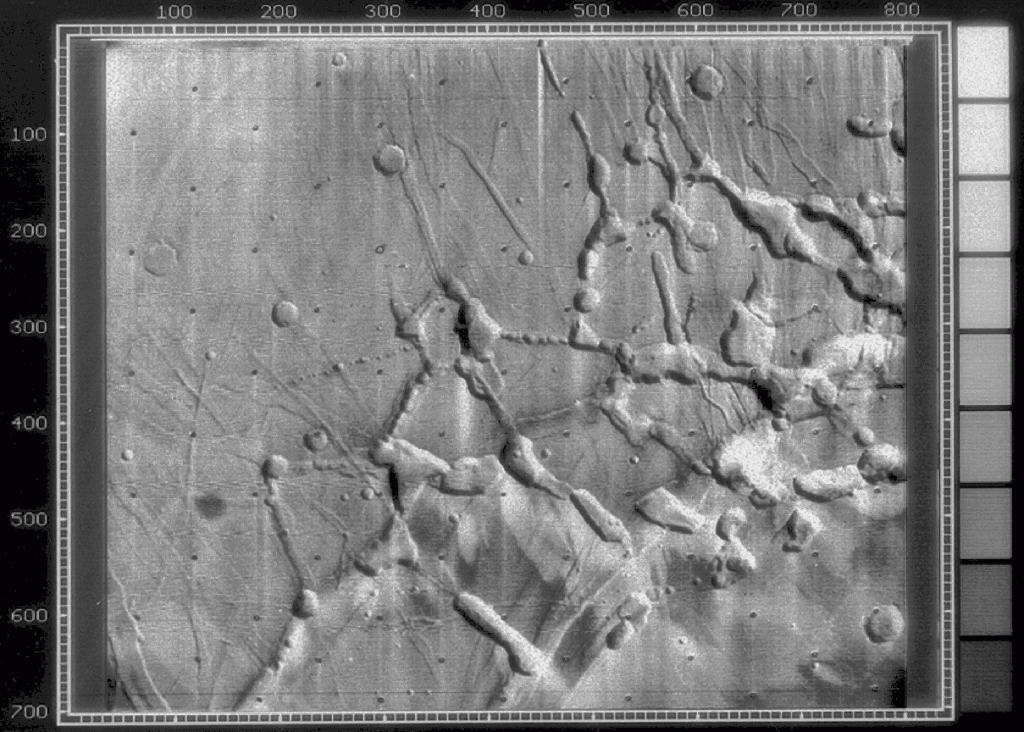
The principal accomplishment of the Mariner 9 mission was the creation of the first comprehensive map of the Red Planet, derived from images captured via orbital imagery. Specifically, approximately 85% of Mars’ surface was mapped at a resolution of 1 km, with an additional 2% mapped at a resolution between 100 and 300 meters.
It was Mariner 9 that discovered one of the most remarkable features of the Red Planet — the largest canyon in the Solar System, which was named after the spacecraft series itself: the Valles Marineris. It also managed to get a good look at Olympus Mons and other volcanoes in the Tharsis region. In addition, it photographed numerous craters.
Mariner 9 is also associated with the renewed pursuit of extraterrestrial life on the Red Planet. Historically, preceding spacecraft in the series demonstrated to scientists that Mars was a barren desert, with an atmosphere too tenuous to sustain liquid water.
Nevertheless, the images obtained by Mariner 9 disclosed ancient riverbeds, indicating that water previously flowed in that location. Moreover, atmospheric pressure measurements implied that water could still be present in certain regions at present. This provides optimism regarding the potential existence of life on this planet.

