

The red and barren desert of Mars was once a world of water. New research conducted by European scientists has provided compelling evidence of the existence of a vast ocean that once stretched across the planet’s Northern Hemisphere. Based on satellite data, it was possible to determine its approximate sea level and dimensions.
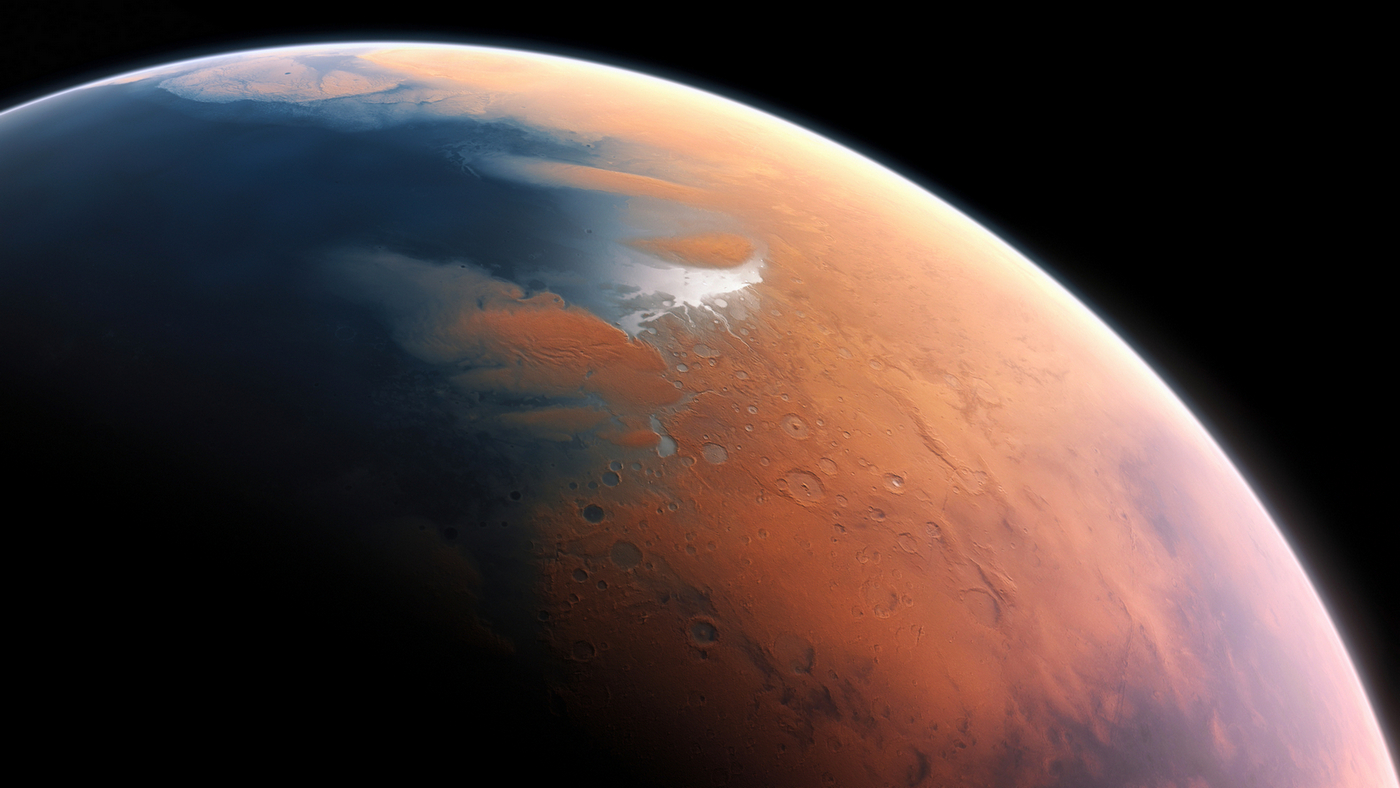
A group of geologists from the University of Bern (Switzerland) and their Italian colleagues carefully studied images of the Martian canyon Coprates Chasma, part of the giant Valles Marineris system. On the slopes, they discovered characteristic fan-shaped structures — deltas identical to those formed on Earth where rivers flow into the standing waters of oceans or seas.
“The structures we have identified are clearly the mouth of a river before it flows into the ocean,” explains geomorphologist Fritz Schlunegger. These ancient deltas are at the same elevation — about 3,700 meters below the average surface level of Mars. This imaginary coastline outlines the contours of an ancient water basin comparable in size to Earth’s Arctic Ocean.
New chronology and hopes for life
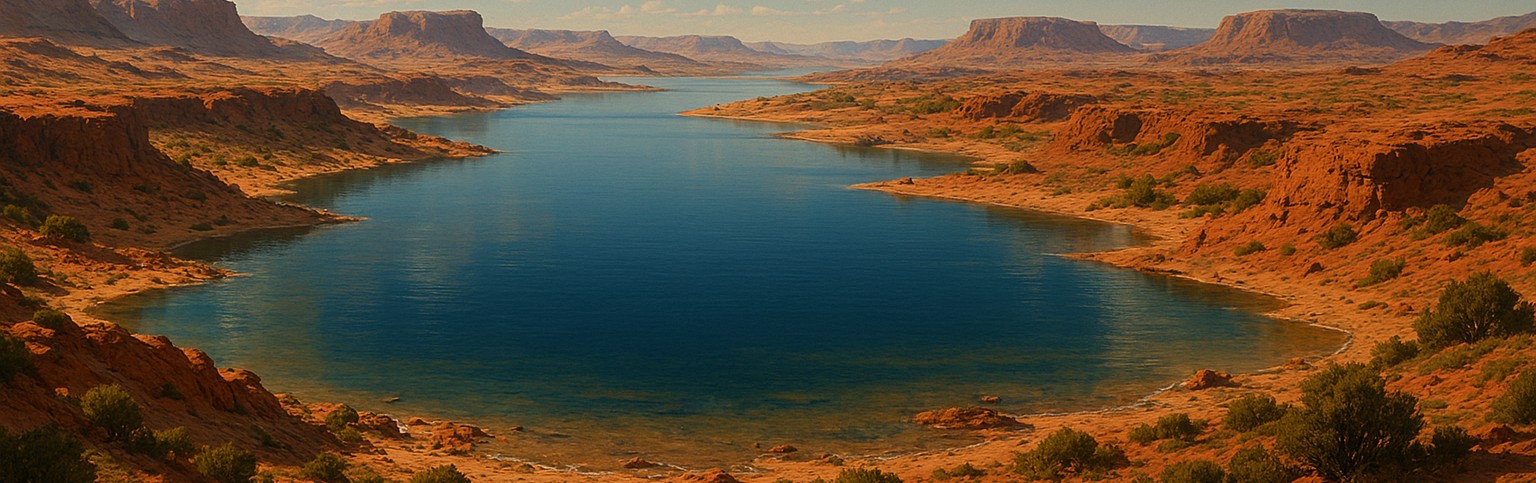
According to a study published in the journal npj Space Exploration, these deltas formed about 3 billion years ago. This is several hundred million years later than previously thought. Thus, the “wet era” of Mars’ geological time should be slightly shifted.
Water makes the planet potentially habitable in the past. Since life on Earth arose very early, there is a possibility that the Martian ocean could also have been a refuge for ancient microorganisms. That is why scientists consider the newly identified coastlines, where river sediments settled, to be among the most promising places to search for traces of past life in future missions. Mars may still hold its greatest secret, buried on the shores of a vanished sea.
Earlier, we reported on how a huge moon created tides in lakes on Mars.
According to Science Alert

