

The Mongolian MARS-V project is preparing an ambitious project – a Martian camp in the Gobi Desert. A lunar survival challenge for tourists in the most realistic conditions of the Red Planet. Participants will live in modular capsules, wear analog spacesuits, eat freeze-dried food, and train to work in isolation, sandstorms, and temperatures as low as −30 °C. The public launch of the location is currently scheduled for 2029. According to media reports, the expected cost of participation is about $6,000 per month, which makes the “alien” experience much more affordable than suborbital flights.
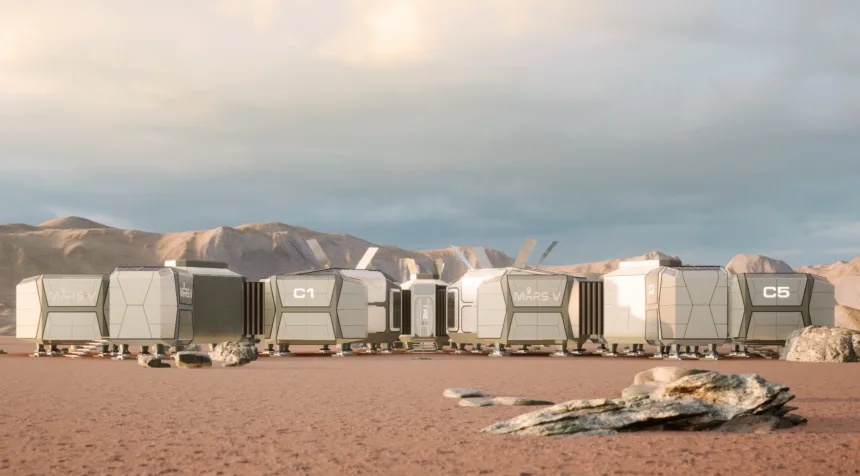
The initiative is led by the Mongolian non-governmental organization MARS-V with the support of MARSA (Mongolian Aerospace Research and Science Association). The project is positioned as a Martian analog test site in the Dundgovi and Umnugovi regions with an educational academy, research zone, and scientific tourism center. The Mars Society is a partner; the initiative is integrated into the Vision 2050 national priorities and has a government working group providing support.
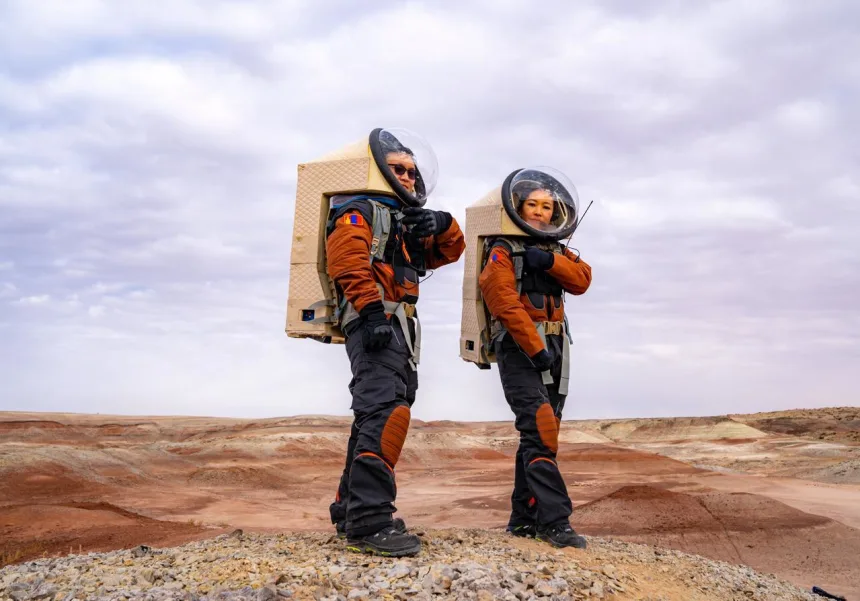
It works like a “game with rules” rather than an attraction. You are placed in a module in the middle of the desert and immediately subjected to restrictions that will be the norm on Mars: limited water and electricity, working outside only in a “space suit,” delayed communication with “Center,” rationed food, duty shifts, and emergency training. You and your team perform real-life domestic and technical tasks—collecting soil samples, repairing solar panels, maintaining pressure and heat in your “home.” All sensors are logged, and instructors act as mission dispatchers. The secret to success is simple: it’s not the scenery, but the realistic limitations and environment of the Gobi (cold/heat, dust, wind) that force you to think like a real crew and teach you to conserve resources, work with equipment, and cooperate with each other. There is a safety net behind the scenes, but participants hardly notice it, which makes the experience feel real.
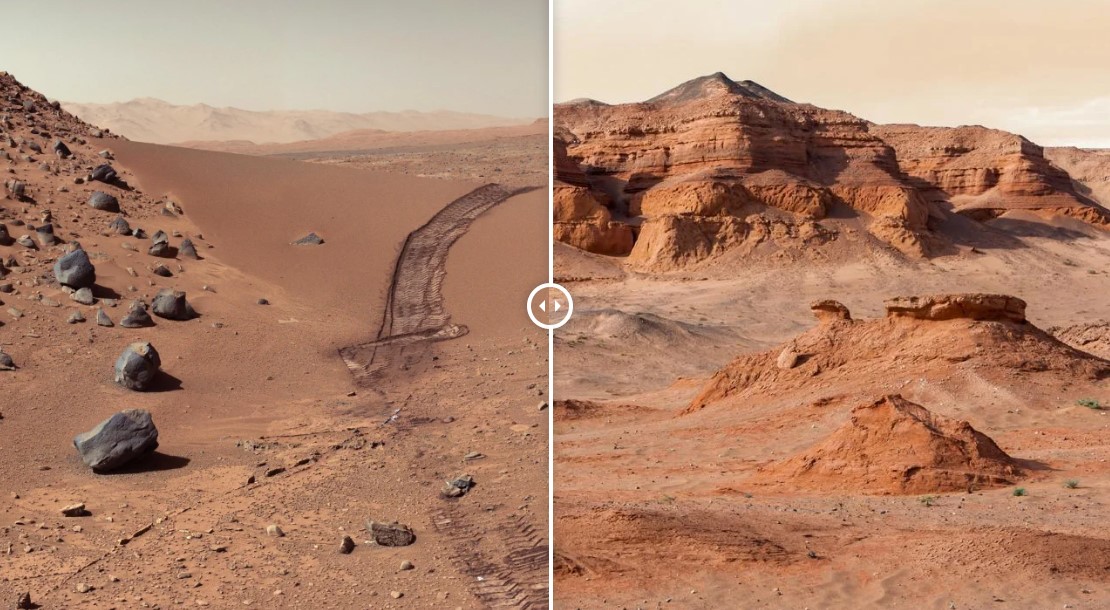
Why is this valuable? Such analog missions provide an affordable testing ground for practicing living modules, EVA procedures, food supply, and psychological isolation protocols—things that are subsequently incorporated directly into the technical specifications for lunar and Martian missions. Gobi provides the extreme temperature fluctuations, wind, and dust necessary for testing materials, energy systems, and mobile platforms in real field conditions. The participation of tourists reasonably scales the amount of data on the human factor and equipment reliability, while cooperation with the Mars Society ensures the exchange of best practices between the MDRS/FMARS analog stations and the Mongolian test site.
Now imagine a planet with a mild climate of +24 °C all year round, gentle winds, safe sun, and Earth-like gravity. Fantasy? Astronomers already have an idea of what such a world should be like: a stable orbit, a reliable magnetosphere, the “right” star, and an atmosphere that offers beaches instead of storms. Who are the real candidates—oceanic super-Earths, “blue Mars” or something else entirely? Read about the scientific criteria for a “resort planet” in a simple and fascinating way in our article “Can there be a resort planet?”
According to cnn

