

A team of American researchers has reported an intriguing discovery made while studying archival images from the TESS spacecraft. It photographed the interstellar comet 3I/ATLAS almost two months before its official discovery.
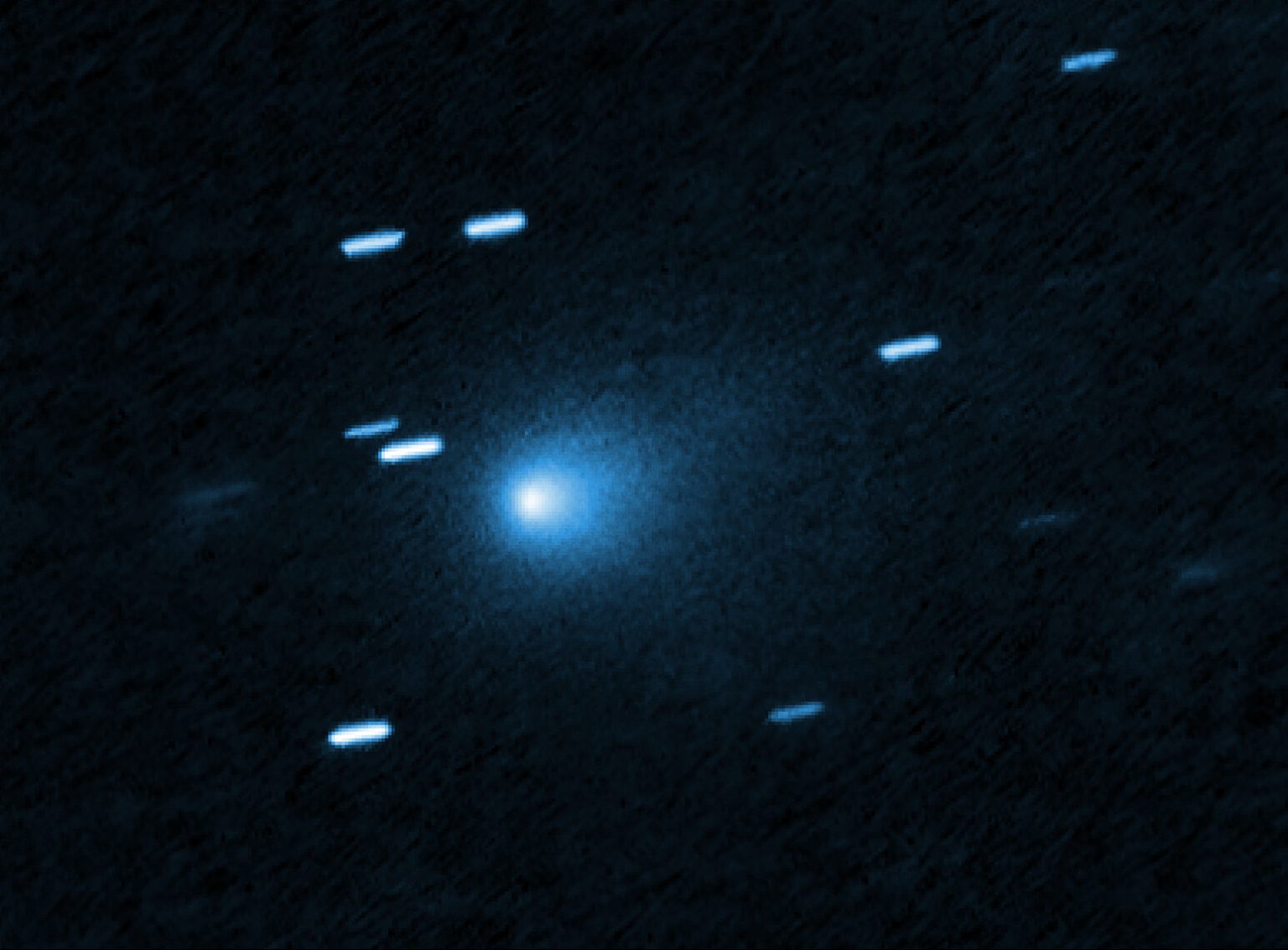
One of the advantages of modern astronomy is that a large number of both ground-based observatories and spacecraft participate simultaneously in observing the sky. It often happens that, upon discovering a previously unknown object, astronomers find it in images taken by other telescopes prior to its official discovery. In the case of comets and asteroids, this is particularly important because it helps to calculate their orbits more accurately and identify early signs of activity.
The interstellar comet 3I/ATLAS clearly demonstrates this. It was discovered on July 1, 2025, during the ATLAS survey. Later, images of it were found in photographs taken by the Vera Rubin Observatory ten days before its official discovery.
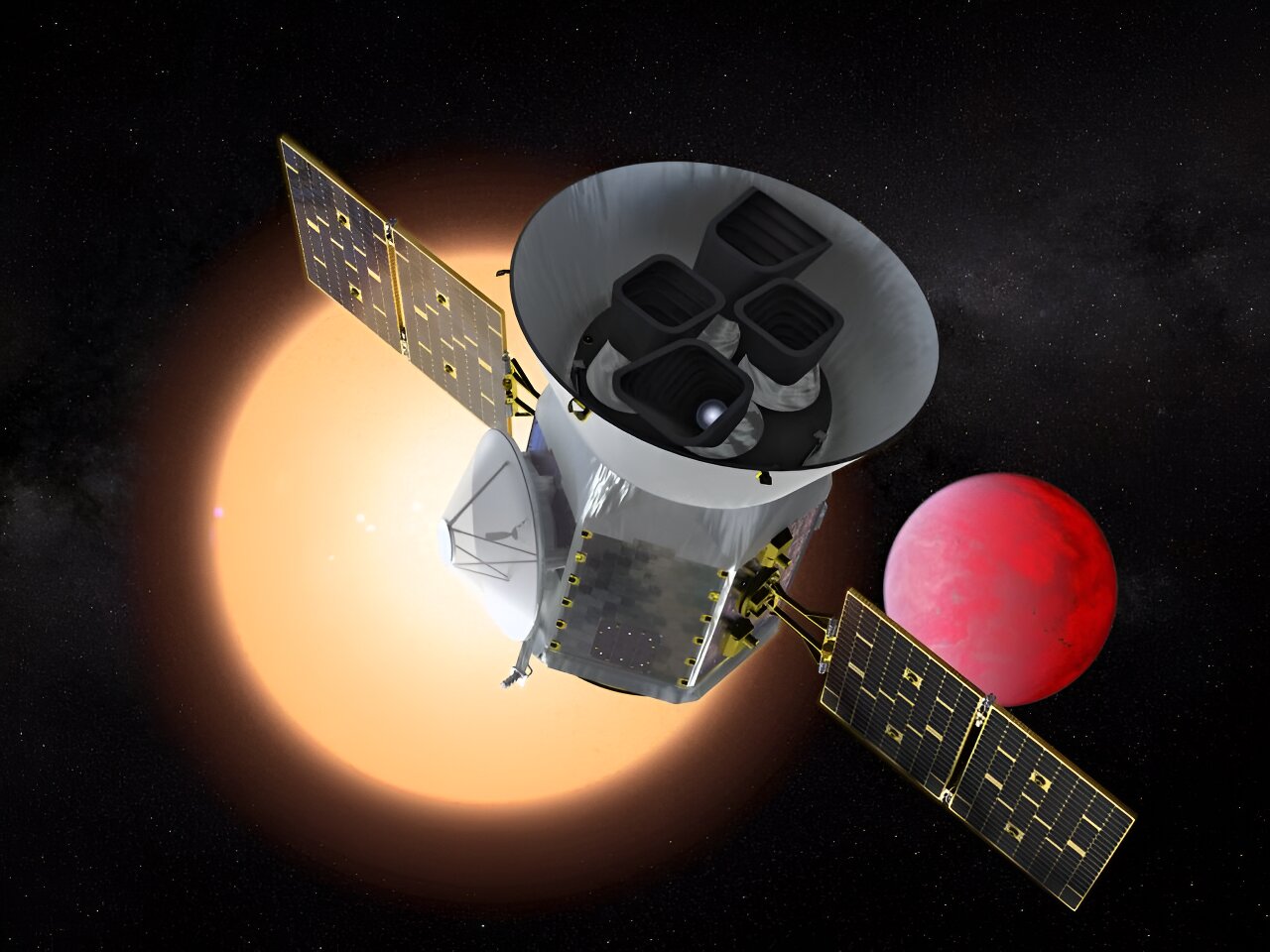
A team of American researchers wondered whether there were any earlier images of the interstellar comet. To do this, they turned to data from the TESS spacecraft. The most interesting thing is that it is not designed to search for comets. The main task of TESS is to search for exoplanets by tracking fluctuations in the brightness of stars. To do this, it photographs areas of the sky at 200-second intervals.
Researchers knew that in May, TESS photographed the area of the sky where 3I/ATLAS was located. Since comets move much faster than traditional stars, their position in TESS images should change. To detect the “shift,” researchers stacked several images and obtained a clear signal corresponding to the comet.
Analysis of the images showed that between May 7, when TESS first photographed the comet, and June 3, its brightness increased fivefold. However, the decrease in the distance between 3I/ATLAS and the Sun can only explain an increase in brightness of approximately 1.5 times.
According to the authors of the study, the most likely explanation for this is the comet’s release of “hypervolatile” substances such as carbon dioxide and carbon monoxide. They have a much higher sublimation temperature than water ice and can cause a significant increase in brightness. Most comets in our Solar System no longer have hypervolatile substances, so they do not exhibit the same sharp increase in brightness. This is one more fact that shows that comets from other star systems probably have a different chemical composition.
Scientists also attempted to determine the comet’s core rotation period. However, they were unable to obtain a signal clear enough to measure it. This is most likely due to the coma surrounding the comet’s nucleus, which hides any noticeable features.
According to Phys.org

