

On March 24, an event took place at NASA headquarters in Washington that has already been dubbed a “spacequake.” Agency Administrator Jared Isaacman unveiled the Ignition strategy—a concrete development plan for the next decade. The main message is clear: NASA is no longer trying to satisfy everyone and is shifting toward aggressively pursuing specific goals.
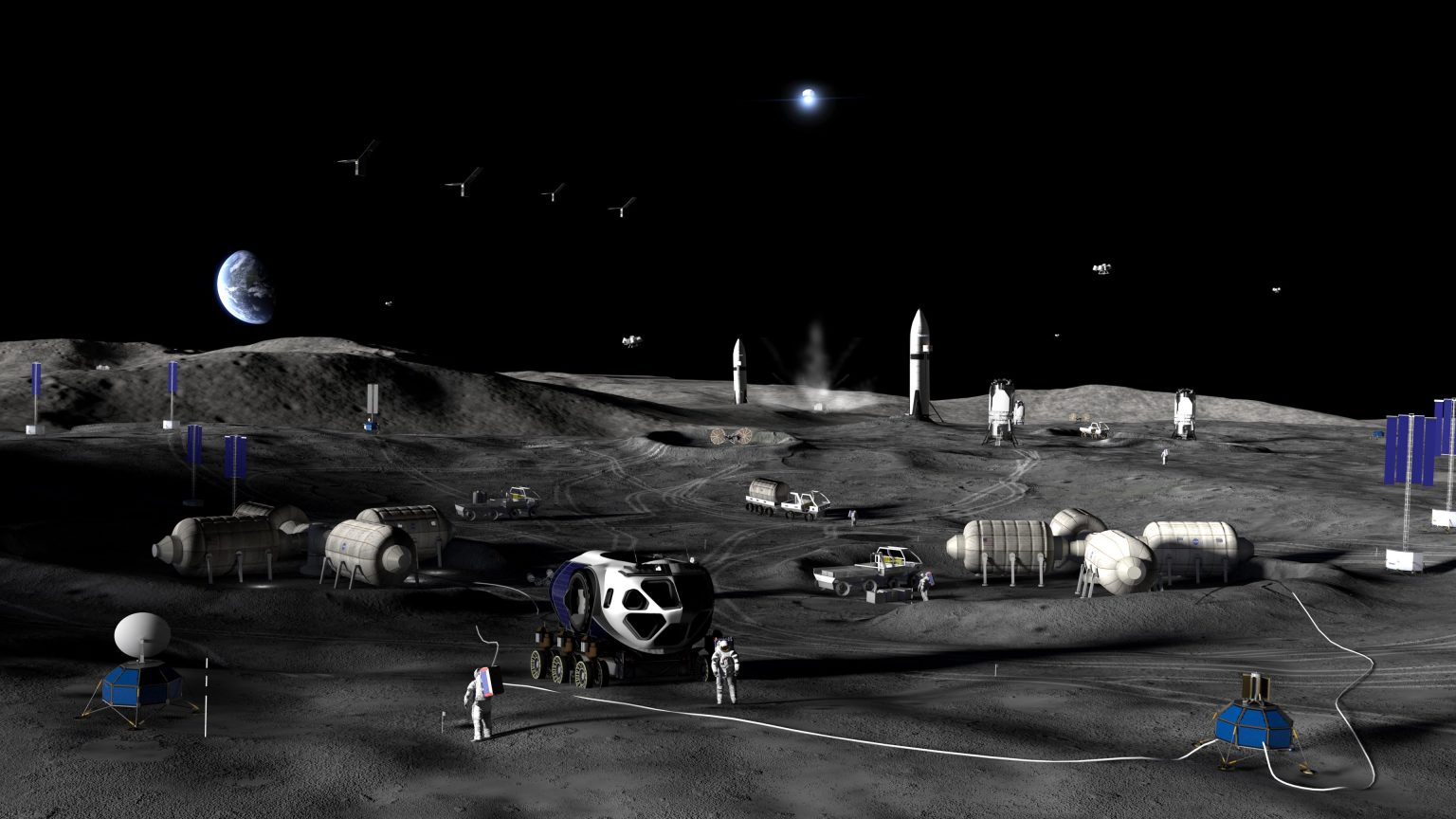
Isaacman was straight to the point. If the U.S. doesn’t build a base on the Moon now, it will lose the space race to China. In this regard, the agency made a drastic decision: to completely abandon the Lunar Gateway project, an orbital station around the Moon. All resources and funding will now be directed exclusively toward surface exploration.
Hard management
One of the most heated parts of the speech was the criticism of the previous operating model. Isaacman stated that NASA had no money problems, but a huge problem with efficiency. Billions of dollars were spent on rockets and spacecraft that did not fly for years, while other countries raced ahead.
To return Americans to the Moon, NASA is shifting to an iterative, execution-focused approach – just as we did during Apollo.
We are standardizing rocket architecture, embedding NASA expertise across industry, and increasing launch cadence to support sustained lunar operations.…
— NASA Administrator Jared Isaacman (@NASAAdmin) March 24, 2026
“We won’t sit idly by while schedules slip and budgets inflate. Taxpayers have invested $100 billion and have been very patient. The time for excuses is over,” he warned the contractors.
Three steps to a lunar city
The plan to build a lunar base is divided into three phases, each of which will cost approximately $10 billion:
Phase I: Exploration and Preparation (until 2028)
Very cool: https://t.co/iB6BOpEGUb pic.twitter.com/3DdDvFaL0m
— NSF – NASASpaceflight.com (@NASASpaceflight) March 24, 2026
There are 21 planned landings on the surface. The main players in this phase are:
- The VIPER rover for searching for water and resources.
- Four Moon Fall drones capable of flying into hard-to-reach craters.
- Deployment of two satellite constellations to ensure stable communication.
Phase II: Laying the Foundation (2029–2032)
This phase includes 27 missions with a total payload of 60 tons. NASA plans to deploy:
- Large pressurized rovers for crew transportation.
- Nuclear and solar power sources.
- Excavators for site preparation.
Phase III: Permanent Colony (2032–2036)
— NSF – NASASpaceflight.com (@NASASpaceflight) March 24, 2026
The decade’s grand finale: 28 landings and 150 tons of equipment. The base will be able to accommodate four astronauts for lunar missions. A fully-fledged “industrial district” will be established to produce materials directly from lunar regolith, with the capability to return hundreds of kilograms of samples to Earth.
Vector to Mars
While the Moon is becoming the primary operational base, Mars remains the main scientific target. Isaacman announced the development of a Mars mission powered by a nuclear engine, which will involve the deployment of three next-generation helicopters at once. This will significantly reduce flight time and expand the area of exploration on Mars.
NASA’s new identity
For a long time, journalists joked that the acronym NASA stood for “Never A Straight Answer.” Ignition’s strategy is designed to change this perception. The agency now has a single clear goal—the surface of the Moon—and all supporting programs will be geared toward this objective. As Carlos García-Galan, the initiative’s leader, noted: “We need to focus on one thing, not ten. This is a fundamental game-changer.”
We previously reported on how Jared Isaacman promised to beat China in space.
According to NASA

