

What was supposed to be a triumphant test flight turned into a nine-month space rescue operation. NASA astronauts Sunita Williams and Barry Wilmore traveled to the ISS in June 2024 aboard Boeing’s new Starliner spacecraft, but did not return home until three seasons later. The agency’s recently released report shocked the public: the main cause of the incident was not only a technical malfunction, but also systemic errors on the part of NASA’s management.
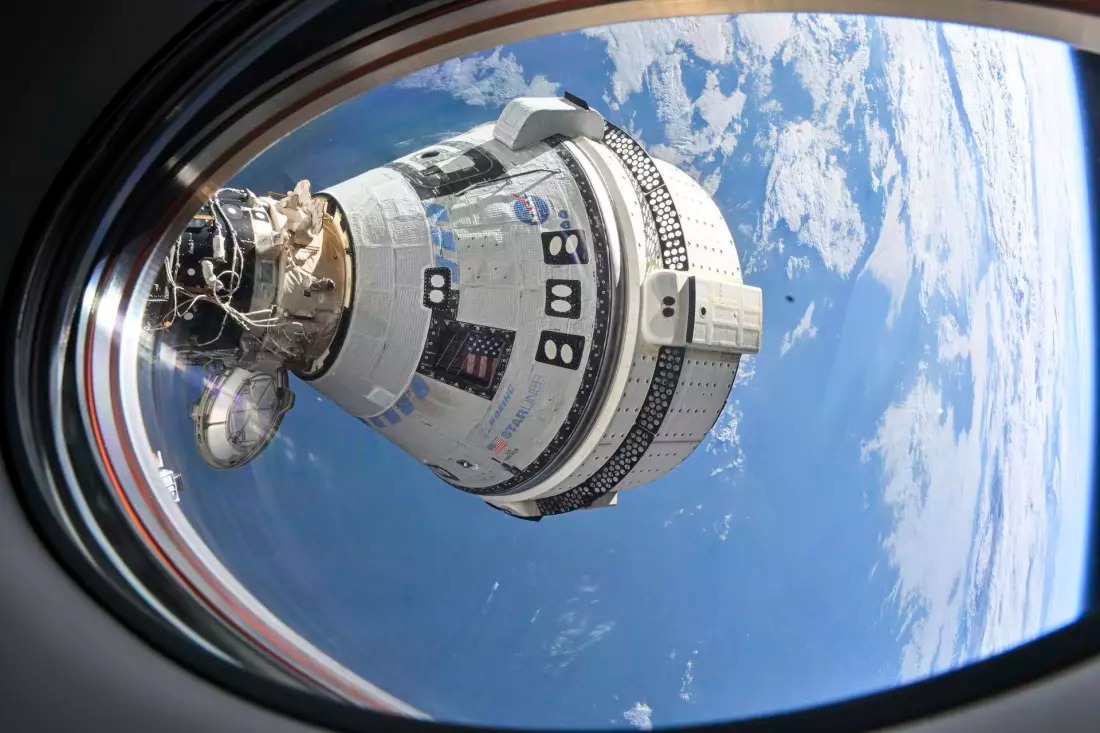
During an urgent press conference, NASA Administrator Jared Isaacman effectively admitted that the agency had prioritized its ambitious goal of developing multiple crew delivery systems over the safety of specific individuals. When Starliner encountered helium leaks and engine failures while still approaching the station, instead of immediately evacuating the astronauts on the backup Crew Dragon, executives spent nearly three months trying to “fix” the spacecraft in space.
“Everyone knew there was another spacecraft that could bring them home in a matter of days,” Isaacman said. “But we continued to cling to the illusion that Starliner could do it on its own.” As a result, the Boeing spacecraft departed from the station empty in September, while the crew remained on board for another six months.
Lost trust
The NASA report does not just mention technical malfunctions. Isaacman described a deeper problem — a “safety culture gap” that permeated all levels of management, right up to former administrator Bill Nelson. According to him, compromises in design and insufficient equipment qualifications had accumulated over the years, but they were overlooked in order to meet schedules.
“I can’t understand why no one stepped in personally to refocus on the mission and the people,” he added. “We accepted the spacecraft, we launched it, and we made the decisions at every stage. The responsibility is ours.”
Technical bottom of Starliner
In addition to administrative errors, the investigation confirmed serious technical deficiencies in the vehicle itself. A combination of fuel leaks, engine failures, and gaps in ground qualification created conditions that NASA deemed “incompatible with manned flight standards.” Engineers are still investigating the root causes of the anomalies in order to prevent them in the future.
Despite the high-profile failure, NASA has no plans to abandon Starliner. Isaacman emphasized that the agency is betting on the development of the orbital economy: after 2030, when the ISS completes its work, private space stations will appear in low orbit. A variety of “space taxis” are needed to service them, so the availability of both Dragon and Starliner remains strategically important.
NASA is now planning to send a cargo version of Starliner in April, followed by up to three manned missions. But whether engineers will be able to fix all the flaws in two months is a big question. The fate of the program depends not only on technical fixes, but also on whether NASA can regain the trust of its astronauts. After all, next time they need to be sure that the decision to bring them back will be made not for the sake of the program’s prestige, but for the sake of their lives.
We previously reported on NASA’s plans for the next Starliner flight in 2026.
According to gizmodo.com

