

While the crew of the Orion spacecraft enjoyed the aesthetics of the lunar landscapes, the atmosphere in the mission control room at the Johnson Space Center resembled that of a stadium filled with excitement. The reason for the thunderous applause and shouts of joy was not just the great photos, but a unique natural phenomenon that the Artemis II astronauts observed with the naked eye.
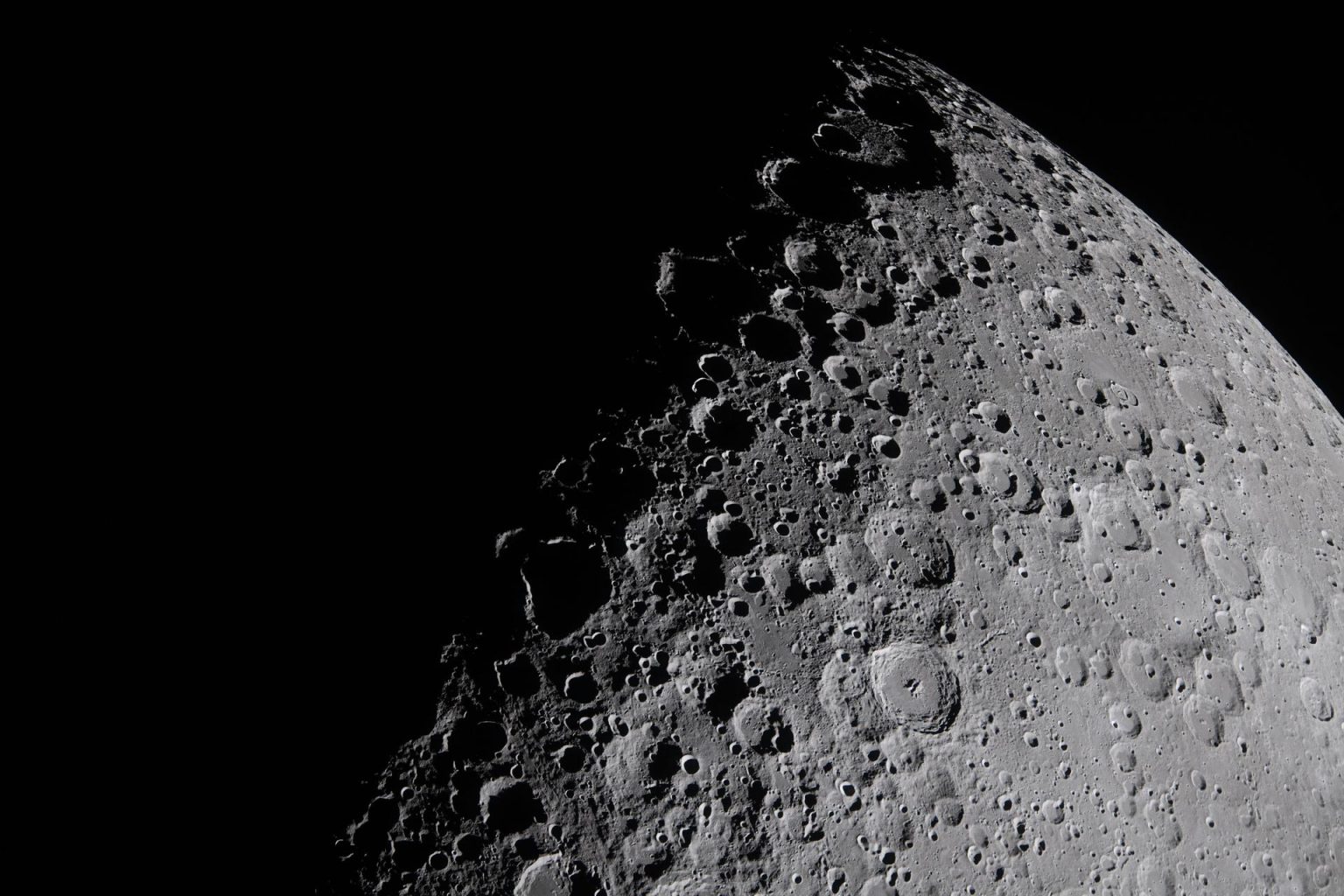
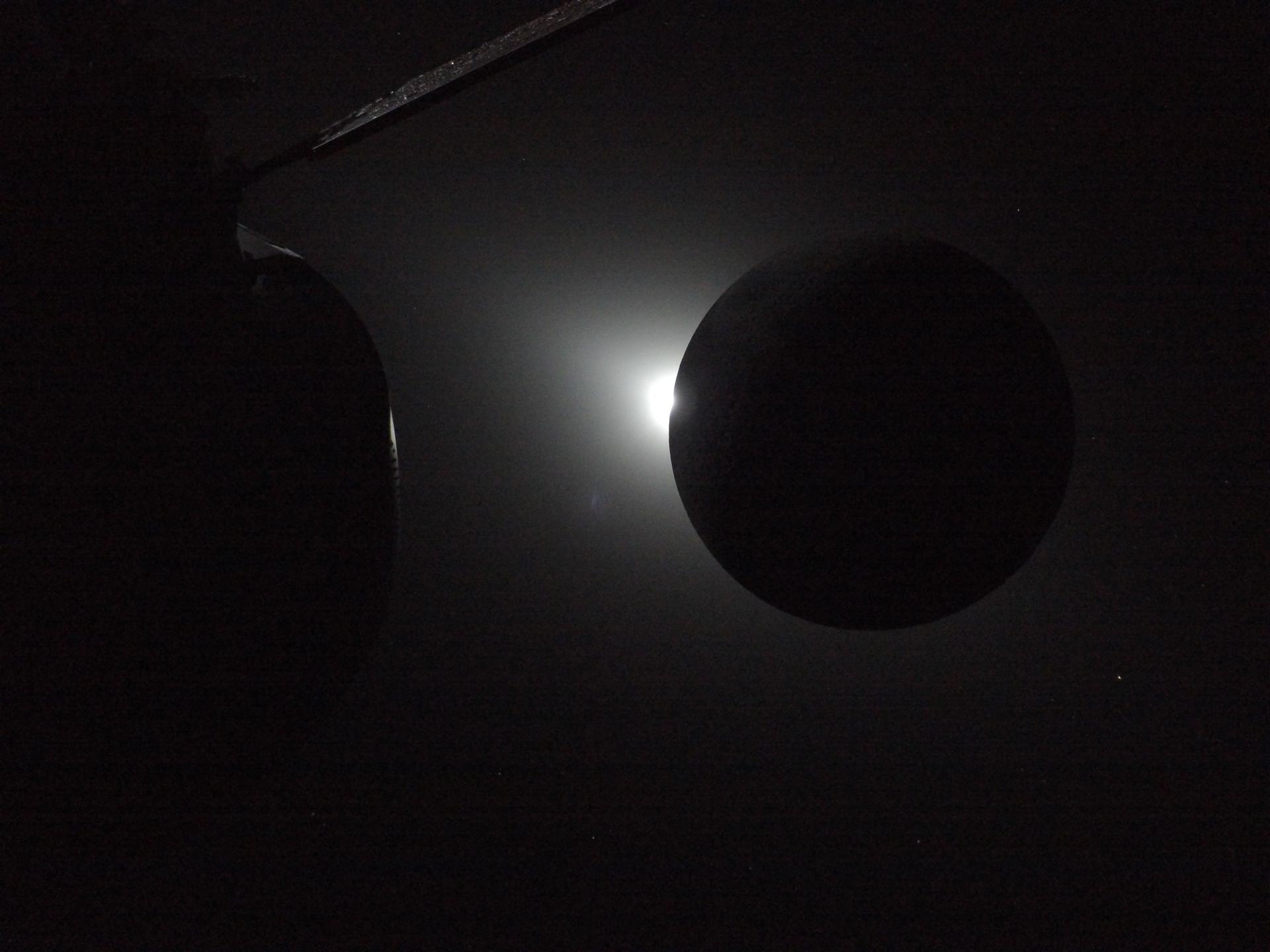
On Monday, April 6, as the Orion spacecraft made its closest approach to the Moon, the crew entered the zone of a lunar eclipse. For nearly an hour, the moon completely blocked out the sun for the astronauts. This total darkness allowed the crew to observe something scientists hadn’t even dared to hope for.
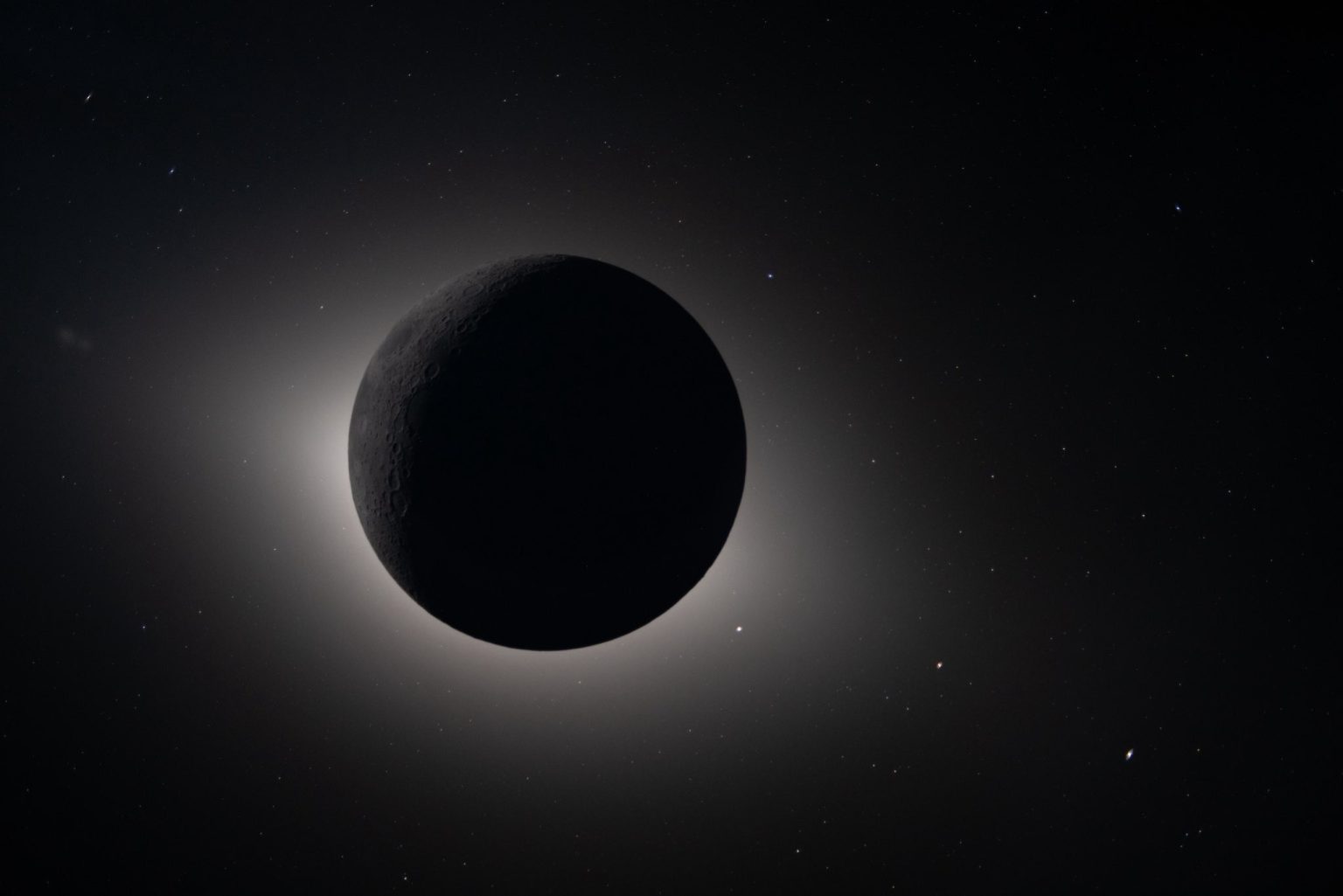
The astronauts reported at least five bright flashes on the far side of the Moon. These were caused by micrometeorites striking the lunar surface at tremendous speeds. Because there is no atmosphere, even a tiny space object releases enough energy upon impact to create a flash visible to the human eye from orbit.
Humans as the most sensitive instruments

Kelsey Young, the science lead for the Artemis II mission, emphasized that such observations are extremely valuable. “We heard cheers of joy in the room when the crew began describing these flashes. This is exactly why we integrate science into field operations,” she noted at a press conference.
This incident once again demonstrated the advantages of manned missions over unmanned stations. Although modern cameras are extremely powerful, the human ability to instantly capture unpredictable phenomena in context is what enabled scientists to obtain this data.
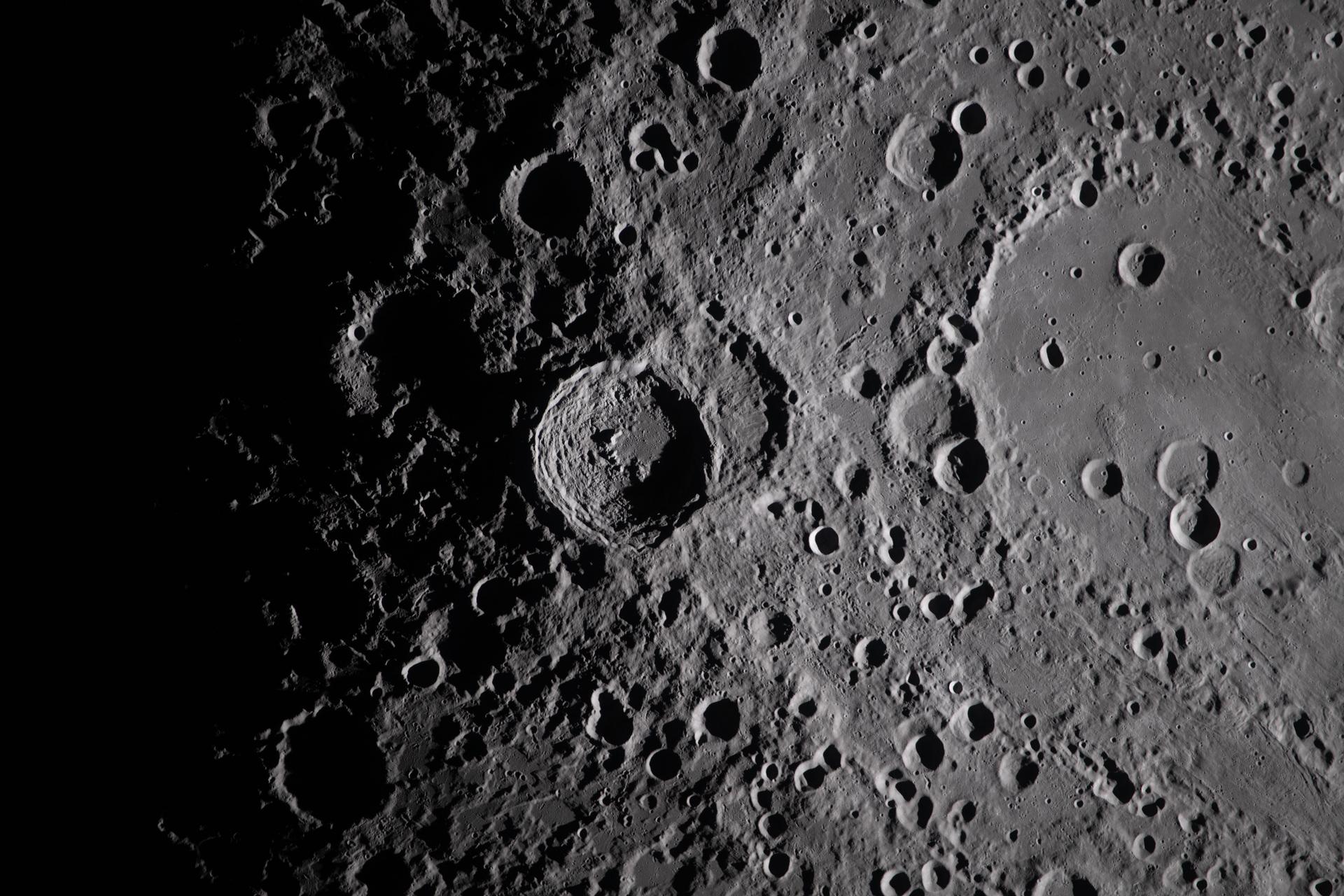
The crew had been thoroughly trained to identify lava flows and craters, but the opportunity to witness the formation of new microcraters in real time was the “icing on the cake” of the entire mission. As Dr. Yang noted: “Science makes research possible, and research, in turn, opens up new horizons for science.”
We previously reported on how the Artemis II astronauts shared their experiences during the flight to the Moon.
According to Space

