

NASA is implementing strict security measures in response to massive cuts initiated by the Donald Trump administration. According to an internal memo released by former NASA astrobiologist Keith Cowing, all personnel and their property are now subject to random security checks. These measures began on July 30 and apply to all of the agency’s centers.
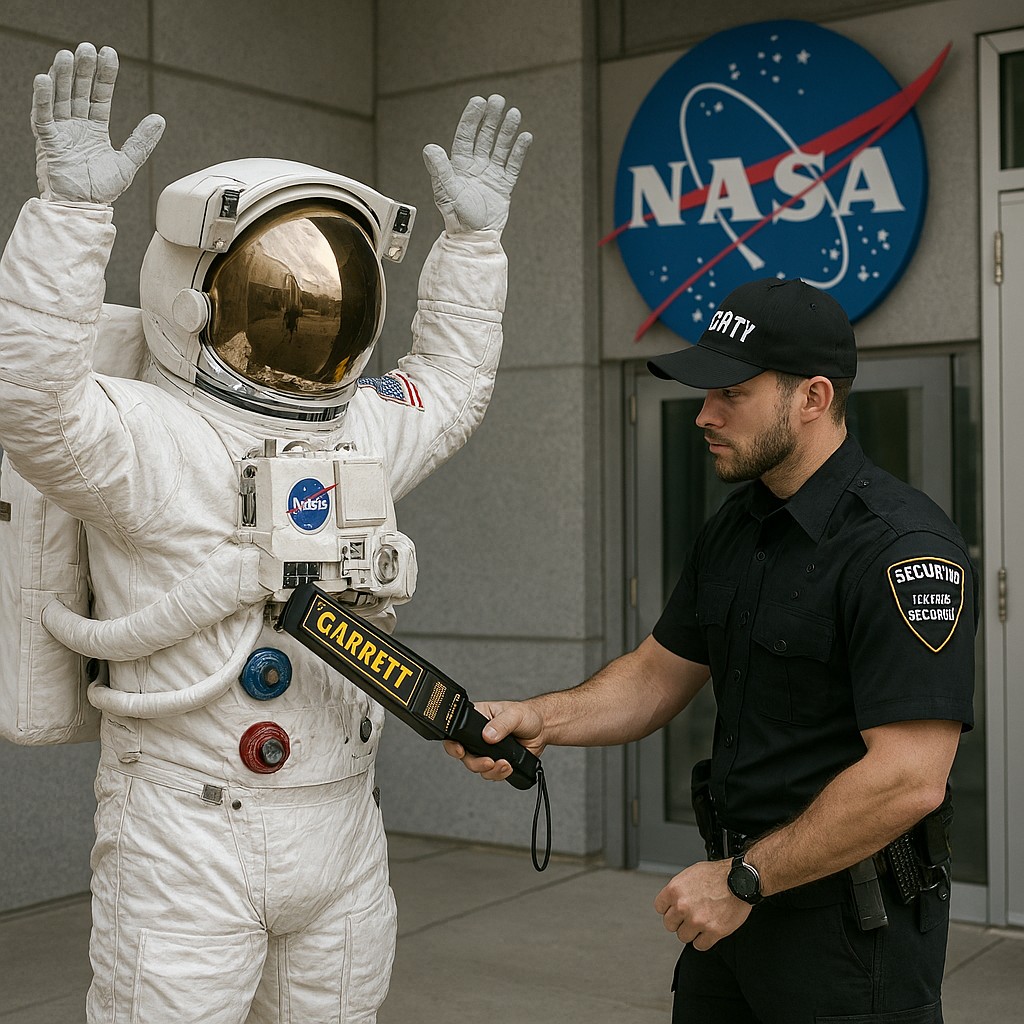
Checks cover persons, personal belongings, and vehicles entering and leaving the territories. At NASA headquarters in Washington, procedures have been adapted: in the West Lobby, employees pass through a metal detector, while in the East Lobby, the handheld detector is used. Personal belongings are subject to inspection. Vehicles are stopped at the entrance, and the driver has to exit the vehicle for an inspection that will take “less than 5 minutes.”
Context and concerns
This step follows the controversy involving NASA’s use of Clearview AI’s controversial facial recognition system. Although random checks are common practice in critical industries (e.g., Dow Chemical, Lockheed Martin), their introduction at NASA raises questions.
The agency is laying off thousands of experienced employees. Experts point to the risk of confidential data leaks, as was the case in the Boeing v. Artemis subcontractor case. But also that the remaining employees may feel under suspicion.
Legal and ethical concerns
Random searches without specific grounds are legally questionable. They were the cause of lawsuits such as Boutin v. Exxon Mobil Corp, where the audit was used to cover up wrongful dismissal.
Human rights activists believe that such practices increase employer control, blurring the boundaries between work and private life, since the checks are not based on suspicions about a specific person.
Keith Cowing suggests another way to prevent information leaks: “Treat them as the valuable individuals that they are – not sheep for you to scare whenever you get a memo from the White House.”
The question of whether increased control is the most effective way to protect secrets during downsizing and declining morale remains open.
We previously reported on how budget cuts threatened NASA with a disaster on the scale of Challenger and Columbia.
According to nasawatch.com

