

Firefly Aerospace announces a $10 million agreement with NASA. It provides for the transfer of additional scientific and operational data collected on the Moon by the Blue Ghost spacecraft.
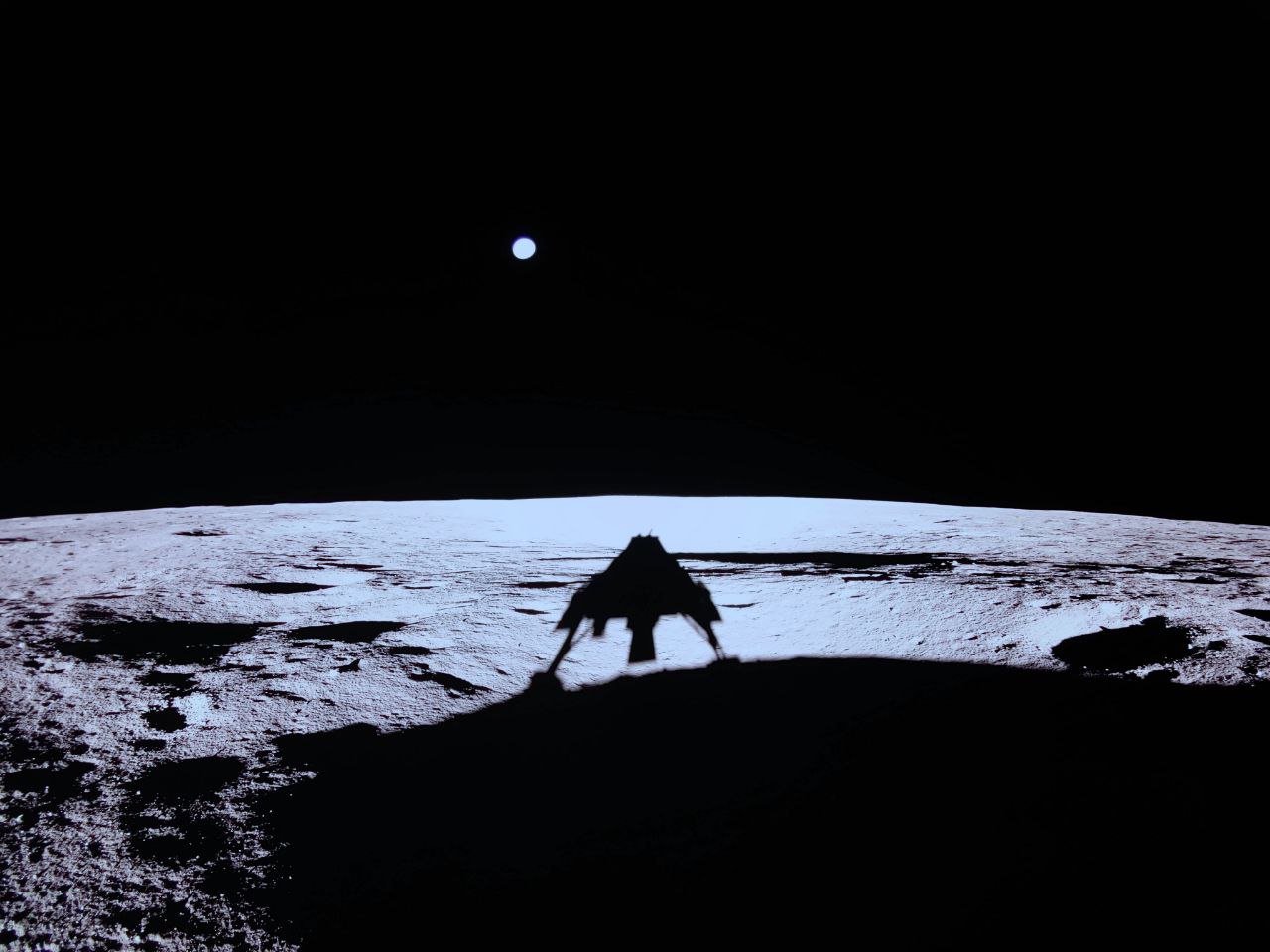
Blue Ghost landed on the Moon on March 2, 2025. It became the first private spacecraft in history to land on the Moon without any problems and fully complete its scientific program. Blue Ghost operated for two weeks, making a number of unique observations. In particular, it produced the first high-quality images of a solar eclipse and sunset from the surface of the Moon. They can answer questions about the levitation of lunar dust and the phenomenon known as horizon glow.
In total, Firefly collected over 120 gigabytes of data during its operation. That was more than the original contract with NASA had stipulated. Therefore, the aerospace administration has entered into a new agreement with Firefly worth $10 million to purchase additional data collected beyond the initial agreements.
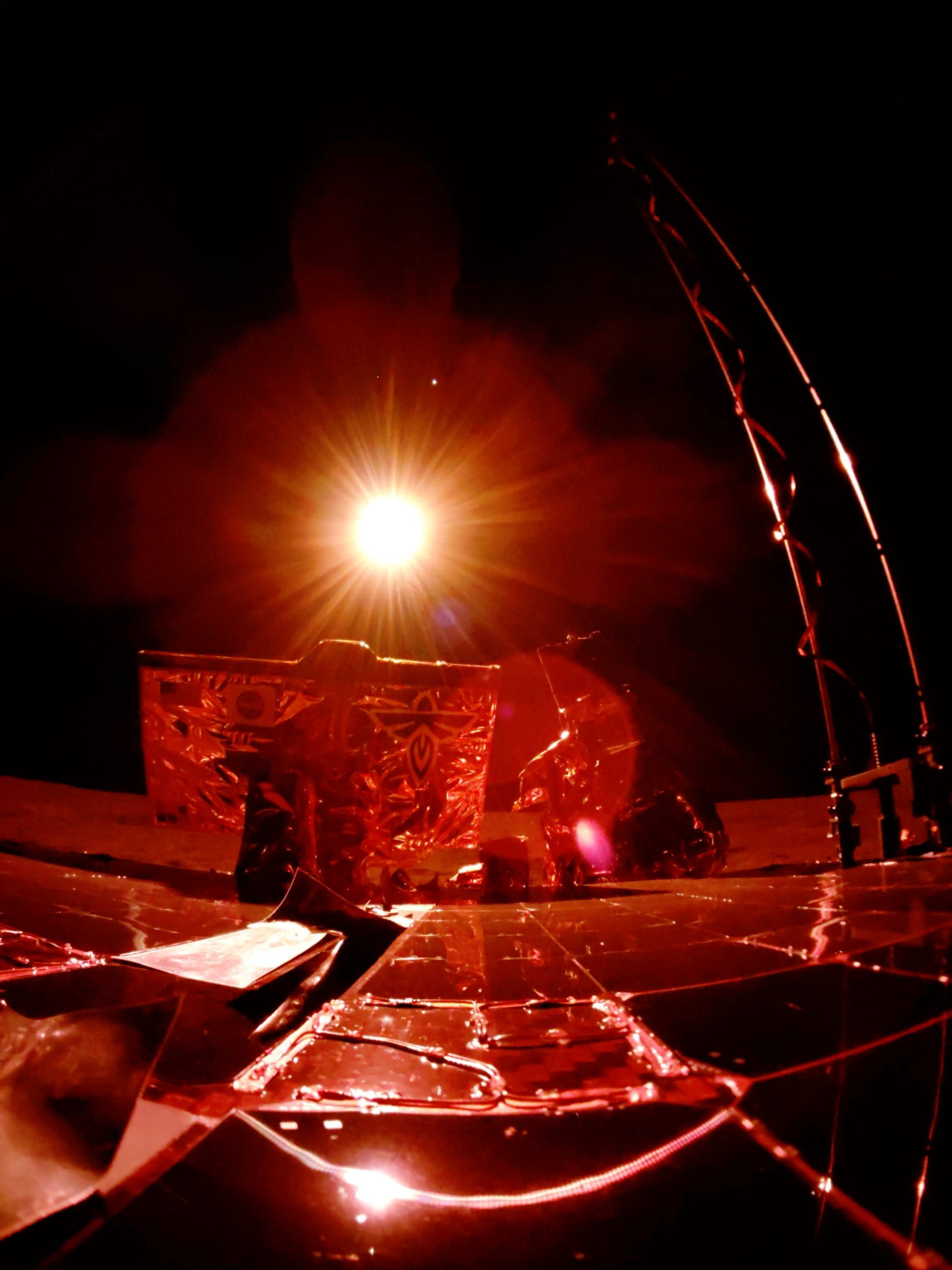
The deal also includes data on communications and data transfer speeds from Blue Ghost’s S-band and X-band antennas, data on the behavior of Spectre Firefly engines during critical phases of the lunar descent, and other data on the performance of the landing module. Firefly will also provide NASA with additional scientific data on the payload, as well as data on the behavior of the landing module and payload obtained at a temperature difference of 270 °C.
During Blue Ghost’s operation in Mare Crisium, temperatures peaked at 110 °C at lunar noon, the hottest period of the lunar day, and quickly dropped to -170 °C during a five-hour solar eclipse, which included two hours of a total phase when Earth blocked the Sun in the lunar sky.
“Blue Ghost experienced extreme temperature fluctuations on the Moon that took us beyond our thermal models due to newly observed surface effects,” said Will Coogan, Blue Ghost’s chief engineer at Firefly Aerospace. “The Firefly team demonstrated their ingenuity in working in these extreme conditions by devising creative solutions such as ‘Operation Umbrella,’ in which we attached our antenna to a gimbal mount to use it as a sun visor until the temperature dropped.”
These innovative solutions enabled the Firefly team to complete all mission objectives and collect important data on the impact of lunar terrain, including how sunlight reflection from nearby craters alters the thermal environment of the lander and how lunar dust accumulation affects component performance.
“This data is crucial as our country strives to establish a sustainable human presence on the Moon,” added Coogan. “They can significantly improve thermal models and better prepare infrastructure, living quarters, and people for the harsh conditions of the lunar environment.”
It should be noted that in 2017, Firefly Aerospace was rescued by Ukrainian entrepreneur and philanthropist Max Polyakov, whose financial support helped it survive bankruptcy. In August 2025, the company successfully completed its initial public offering on the NASDAQ high-tech stock exchange.

