

While the world celebrates the successful completion of the Artemis II mission, the space race to be the first to set foot on the Moon’s south pole is heating up. A key element of this success is not only rockets and spacecraft, but also what 21st-century astronauts will wear. Axiom Space, which has become NASA’s prime contractor for the development of lunar equipment, has officially announced that it is ready for the critical phase—testing the new spacesuits under real-world spaceflight conditions.
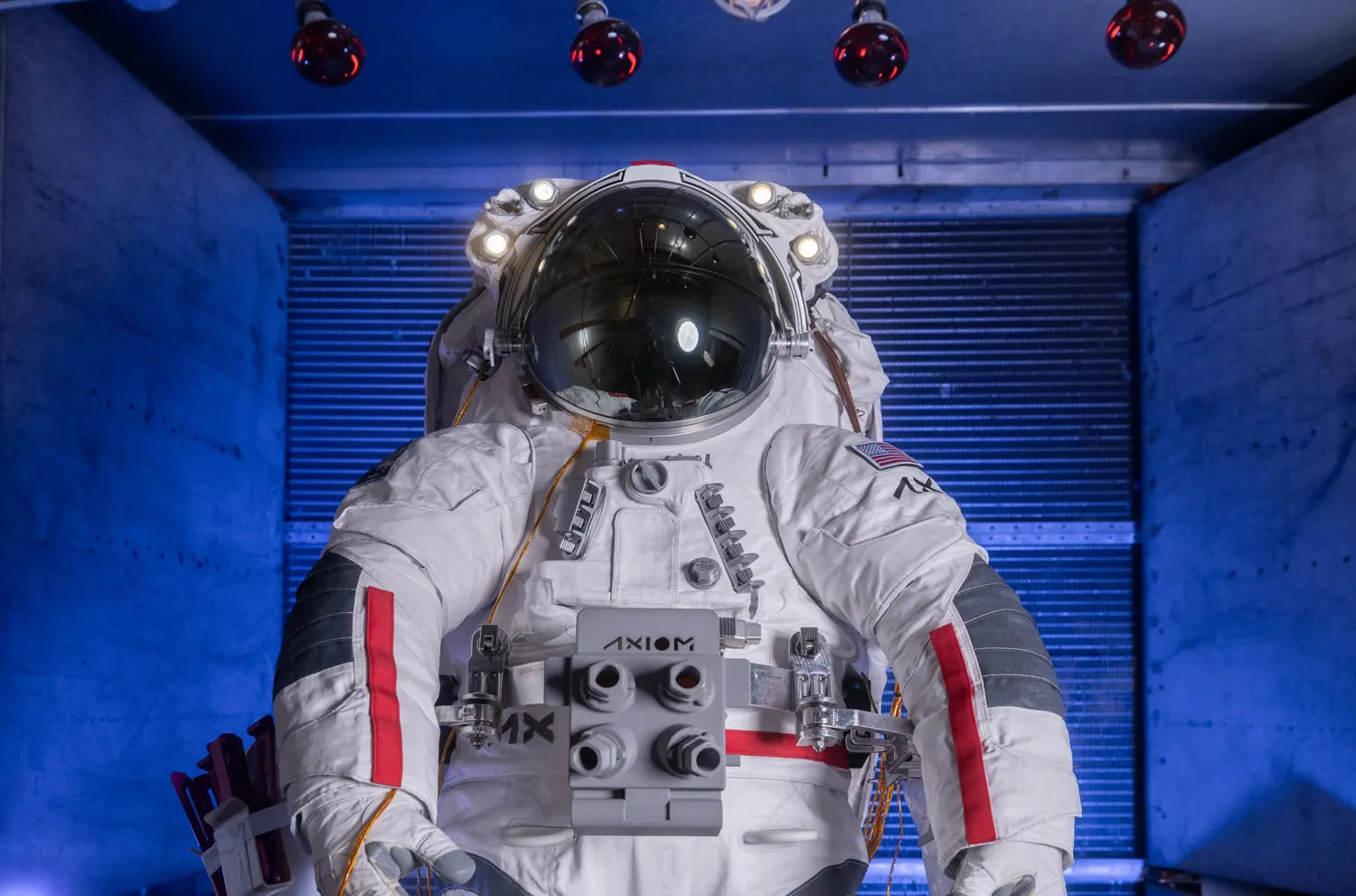
During the 41st Space Symposium, company executives shared their ambitious plans: the design of the Axiom Extravehicular Mobility Unit (AxEMU) has nearly reached the final approval stage. Strict certification and a launch into low Earth orbit are next on the agenda, which should serve as the final test before the flight to Earth’s moon.
AxEMU
Developing a spacesuit for lunar surface excursions is a challenge that engineers haven’t faced in over half a century. The earlier models used in the Apollo program were true marvels of engineering for their time, but they had significant limitations in terms of mobility and battery life. The new AxEMU is essentially a personal spacecraft in the form of clothing.
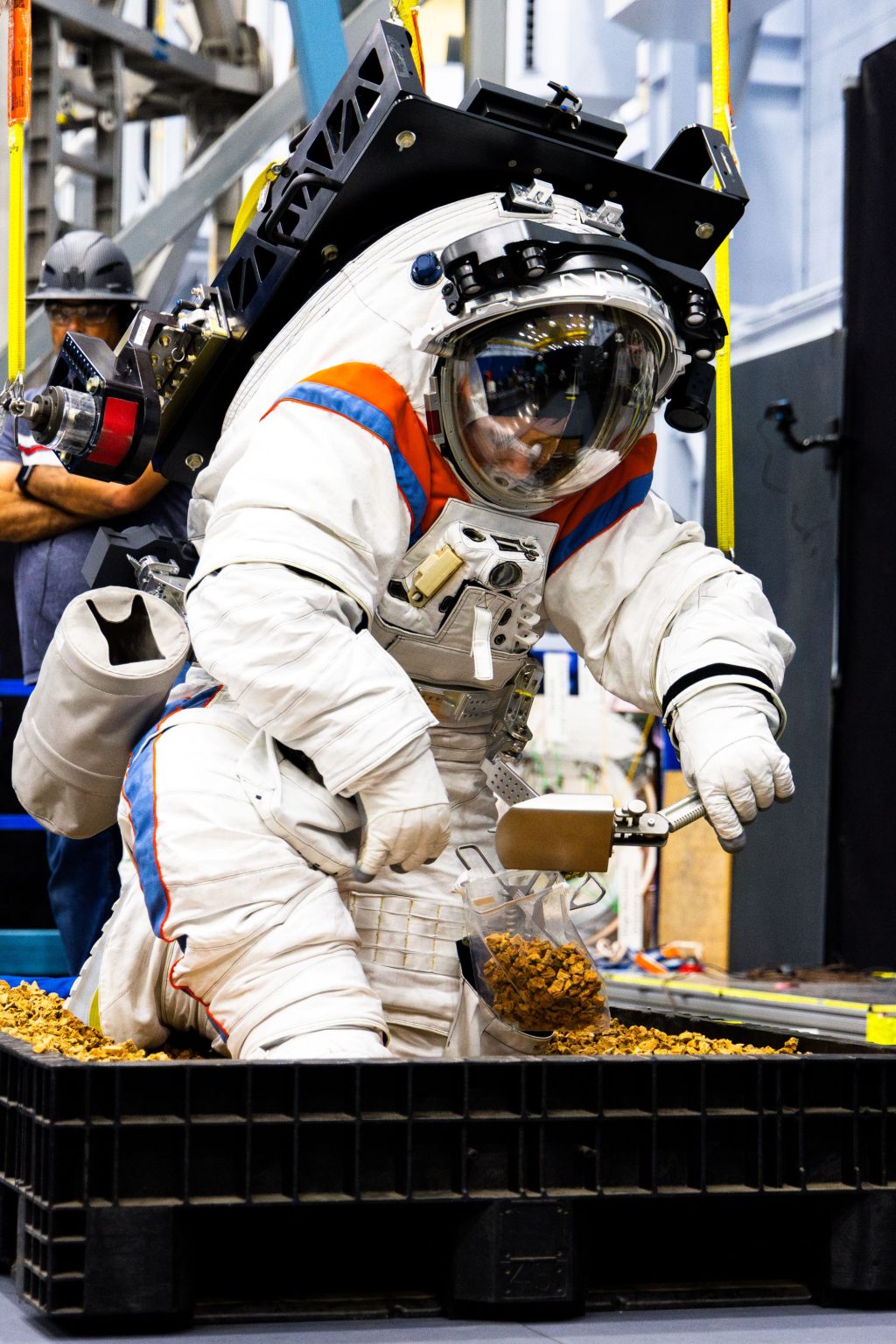
The $228.5 million contract awarded to Axiom Space in 2023 calls for the development of a system capable of withstanding the extreme conditions at the lunar south pole. Here, astronauts will face unique challenges: from extremely low temperatures in permanently shadowed craters to lunar regolith as sharp as glass, capable of cutting through even the strongest fabrics. The AxEMU’s new design provides a much greater range of motion, making it easier for researchers to collect rock samples and set up scientific equipment without risking losing their balance.
Validation and stress testing
For quality and testing professionals, the AxEMU development process is a true master class in the verification of complex systems. The company recently completed an internal design review, marking an important milestone in the project’s lifecycle. Axiom Space engineers are currently conducting a series of simulation tests in collaboration with NASA specialists. These include work in hydrodynamic laboratories for simulating microgravity and in vacuum chambers where the thermal conditions of outer space are recreated.
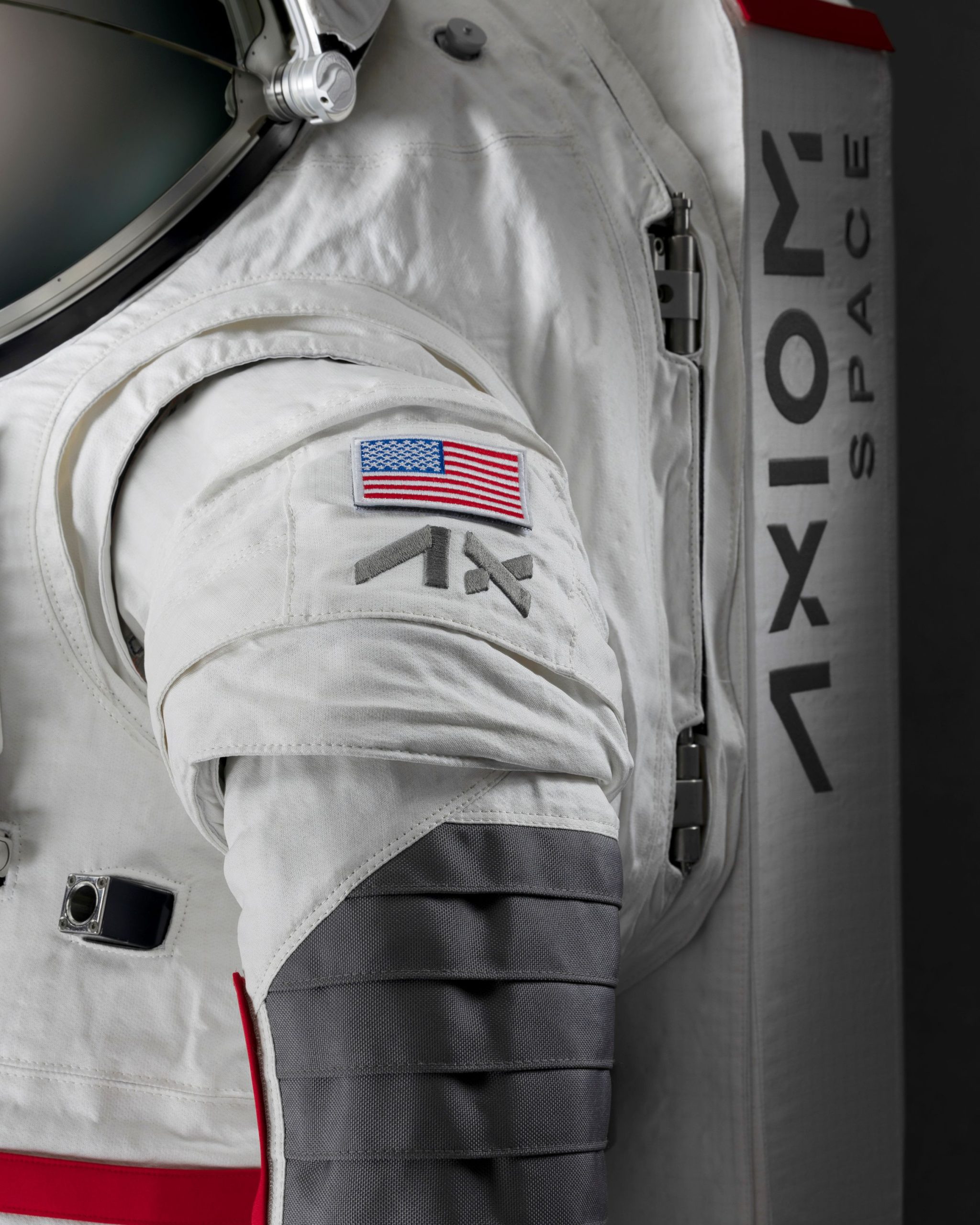
The next step is to create what is known as a “qualification suit.” This is an identical replica of the actual suit that will undergo tests simulating the stresses of rocket launch, sudden pressure changes, and exposure to cosmic radiation. Russell Ralston, Senior Vice President of Axiom, emphasizes that these ground tests are as close to reality as possible, but the final word rests with space. That is precisely why the company insists on conducting an orbital test before the main mission.
A rehearsal in orbit before the Moon
The Artemis program schedule has undergone changes, prompting Axiom Space to act more quickly. NASA is considering adding an interim mission to the Artemis-3 mission in 2027. Instead of landing immediately, the Orion spacecraft can dock with the landing module in Earth orbit to test all systems. This is the ideal opportunity to test the AxEMU.
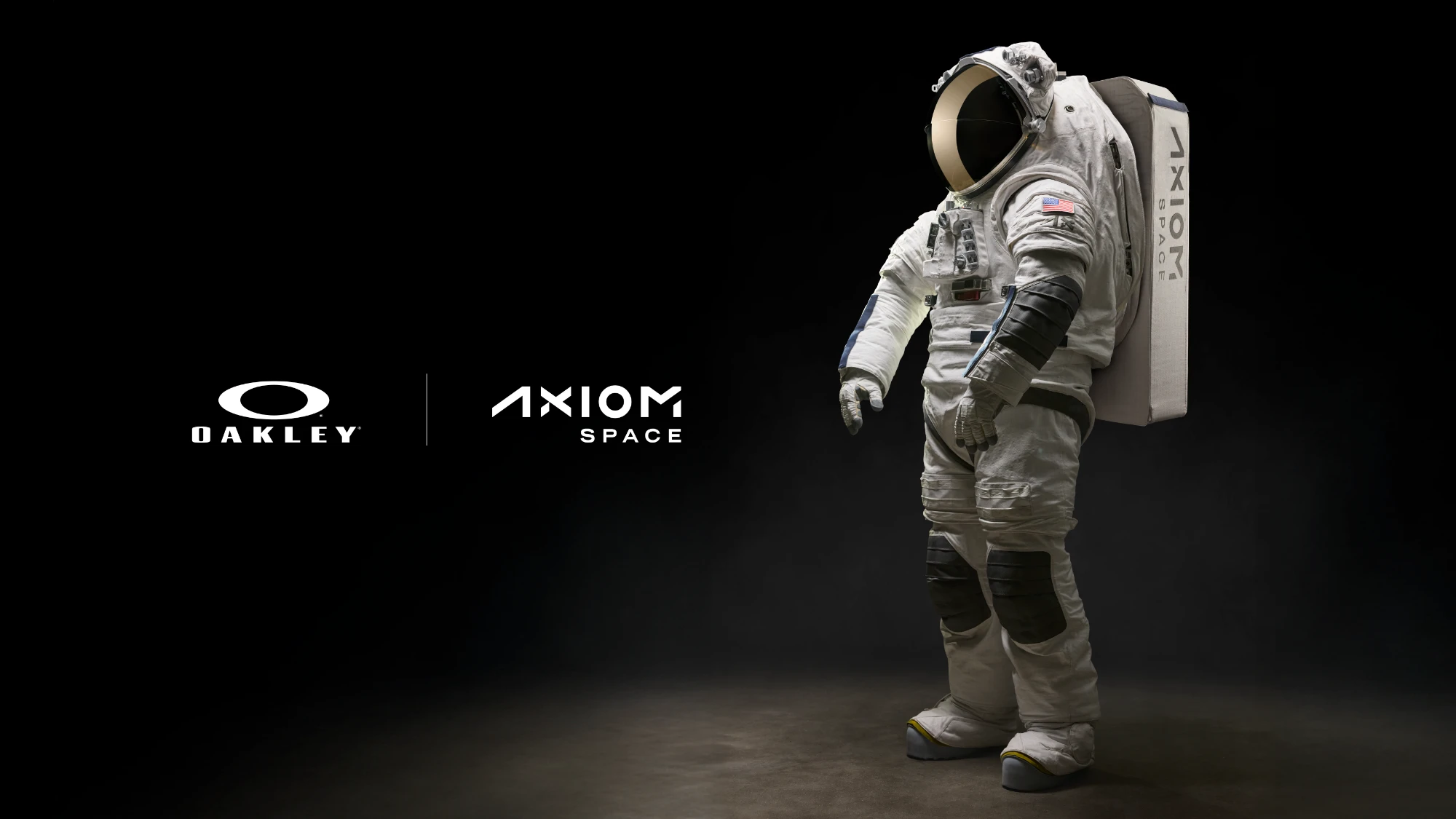
NASA Administrator Jared Isaacman notes that even simply wearing a new spacesuit in microgravity will provide invaluable data. This will help identify any ergonomic shortcomings or nuances in the life support system’s operation and make adjustments before actual work on the Moon begins as part of the Artemis-4 mission.
Where will the debut take place?
If plans for Artemis-3 change, Axiom Space has a backup plan: conducting tests aboard the International Space Station (ISS). Company President Jonathan Cirtain assured everyone that the spacesuit will definitely be in space next year. In addition to the ISS, options for cooperation with suppliers of HLS (Human Landing System) landing systems are being considered.
The selection of a testing platform is still ongoing, but there is no longer any doubt about AxEMU’s technical readiness. The world is on the verge of a moment when new “moon boots” will touch the void of space for the first time, paving the way for a permanent human presence on another celestial body. For scientists, engineers, and future colonists, this isn’t just a piece of equipment—it’s a symbol of humanity’s return to the stars.
We previously explained the reasons why human spaceflight is a slow and expensive process.
According to spacenews.com

