

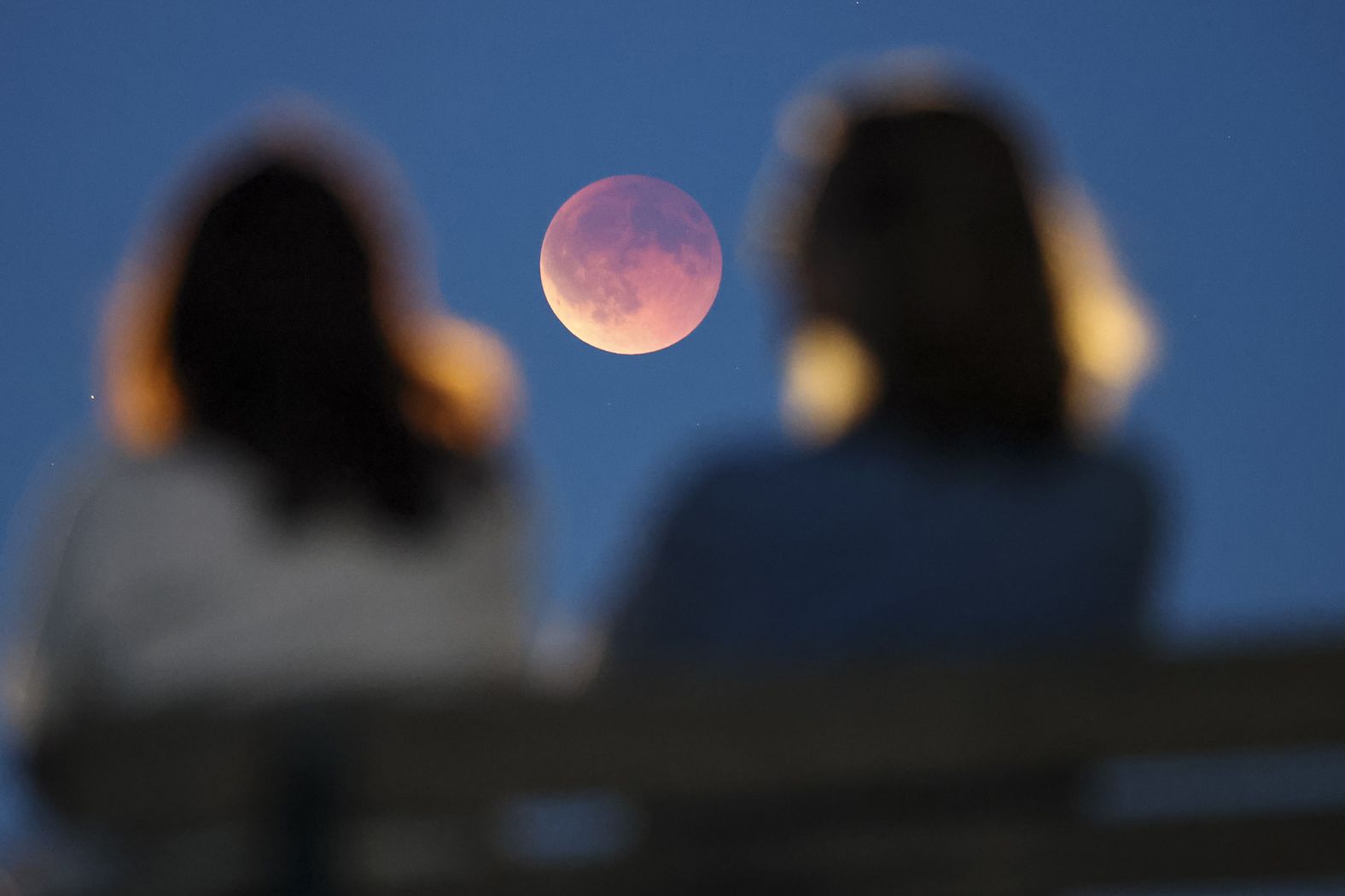
Last weekend, millions of people around the world witnessed the Earth’s shadow completely covering the Moon, giving it a vivid reddish hue. But when will we have another opportunity to see this?
The mechanism of lunar eclipses
First, a little theory. A lunar eclipse occurs when the Moon passes through the cone of shadow cast by our planet. When the Moon is completely within the Earth’s shadow during an eclipse, it is called a total lunar eclipse; when it is partially within the shadow, it is called a partial lunar eclipse.
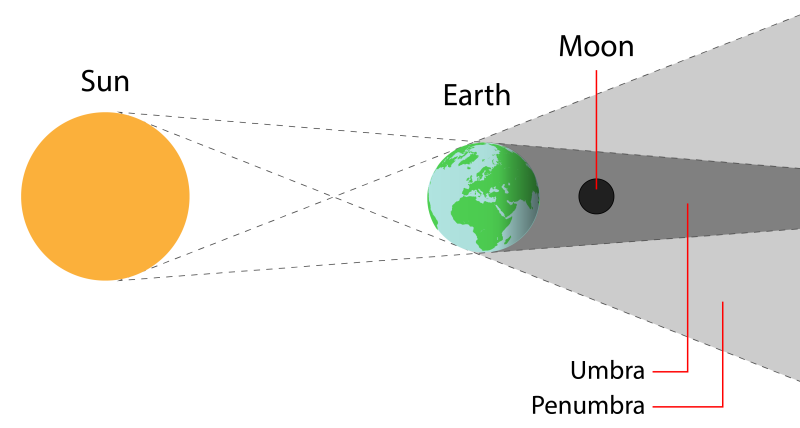
It is also possible for the Moon to enter only the penumbra of the Earth. This is called a partial penumbral eclipse. In practice, it is not easy to see with the naked eye, as the darkening of the lunar disk is very slight.
A full moon is a prerequisite for a lunar eclipse. But as even those who are not particularly interested in astronomy know, lunar eclipses do not occur every full moon, but much less frequently. This is because the Moon’s orbit is tilted at an angle of 5.14° to the ecliptic. Therefore, in most cases, during a full moon, it passes either above or below the Earth’s shadow. Eclipses occur only when the Moon crosses the plane of the ecliptic during a full moon.
Next lunar eclipse
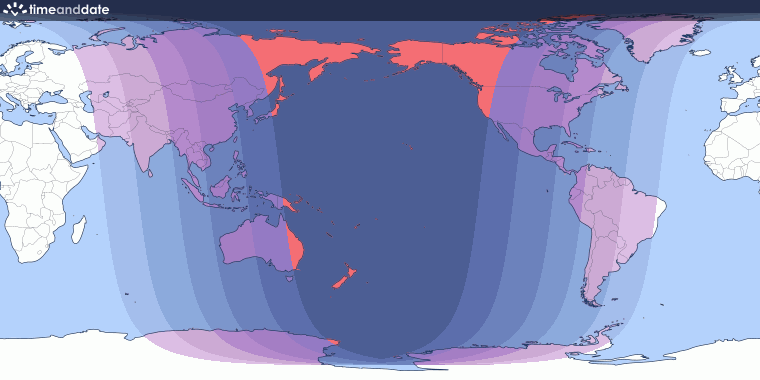
So when will we be able to see the next Blood Moon? Looking ahead, we will have to be patient. The next lunar eclipse will occur on March 2, 2026, and it will be total. But the thing is, it will not be visible in Europe. The eclipse will be fully visible over northeast Asia, northwest North America, and the central Pacific Ocean, with its rise visible over most of Asia and Australia, and its setting visible over North and South America.
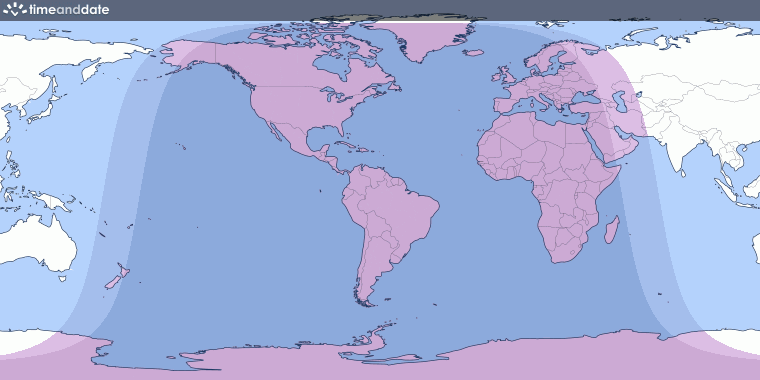
The next eclipse will take place on August 27, 2026. It will be visible in North and South America, as well as in Europe and Africa. However, it will be a partial lunar eclipse, although with a fairly high percentage of the Moon’s disk covered. At the moment of maximum phase, the Earth’s shadow will cover 96% of it.
In 2027, there will be three lunar eclipses. However, all of them will be penumbral, and, as we have already said, in reality, it will be difficult to notice any difference compared to a normal full moon.
Three lunar eclipses will also be visible in 2028. The first will take place on January 12 and will be partial, with only a very small percentage of the lunar disk covered. The Earth’s shadow will obscure only 2.4% of it.
The next eclipse in 2028 will take place on July 6 and will also be partial. The maximum degree of coverage of the lunar disk will be 32.5%. The eclipse will be visible in Europe, Asia, Africa, and Australia.
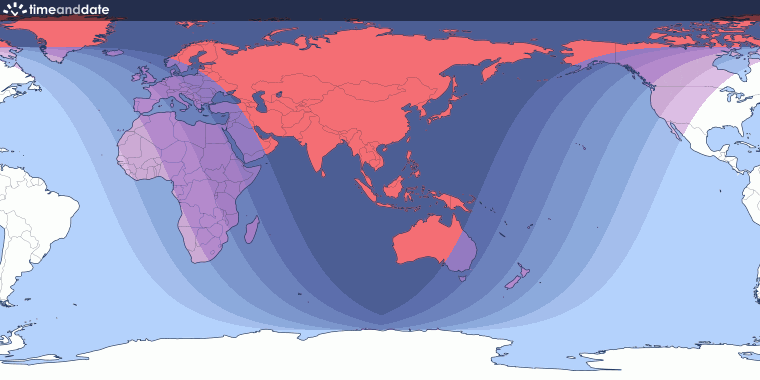
The final eclipse of 2028 will take place on New Year’s Eve, December 31. And it will be a total lunar eclipse! It will be visible in Europe (including Ukraine), Asia, Africa, and Australia. At least, if winter weather does not interfere.

