

Calculations made by astronomers have confirmed that asteroid 2025 PN7 is indeed a quasi-moon of Earth. It is the seventh such object known to date.
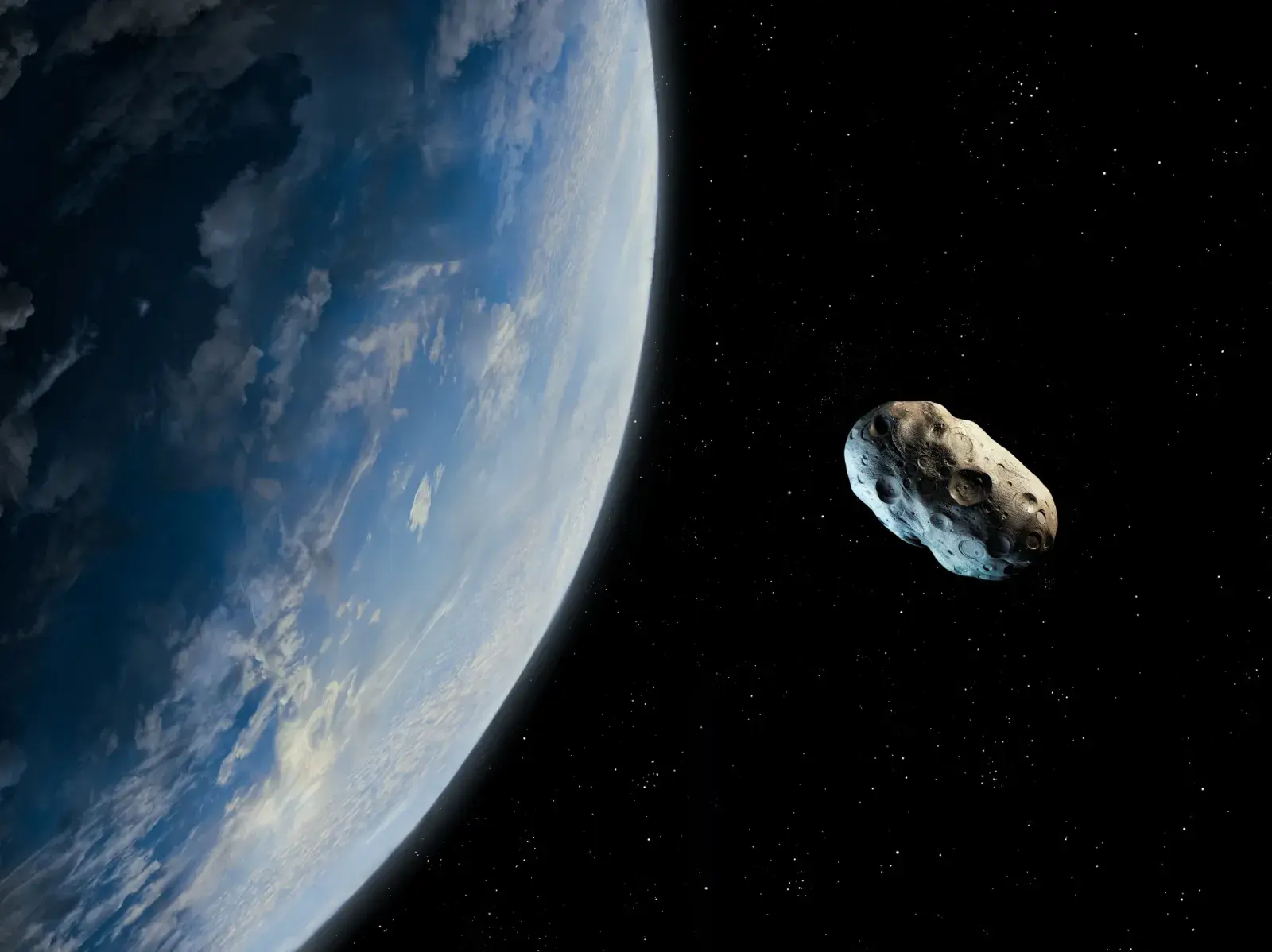
2025 PN7 was discovered by the Pan-STARRS automated telescope system on August 2, 2025. It is part of the Arjuna family, a group of asteroids that move close to our planet in orbits with similar orbital characteristics to Earth’s orbit.
Initial calculations showed that 2025 PN7 was a quasi-moon of Earth. This is the name given to objects that remain close to the planet for a long time (decades and centuries) because they are in a 1:1 orbital resonance with the planet. This distinguishes them from temporary moons (minimoons), which are temporarily captured by Earth’s gravity and become its moons for several months, orbiting around it, and then move to another orbit. Quasi-moons, on the other hand, never orbit directly around the planet. They move in their own orbit around the Sun, which is synchronized with Earth’s orbit.
In an article recently published in the journal Research Notes of the AAS, researchers from the University of Madrid, who originally discovered 2025 PN7, confirmed that it is indeed a quasi-moon of Earth. Calculations show that 2025 PN7 is in a 1:1 resonance with our planet, and it became a quasi-moon about sixty years ago. It’s expected to stay in this status for 128 years, after which the Sun’s influence will change its orbit to a horseshoe shape. At present, astronomers know very little about this object. The asteroid is very dim, with a diameter ranging from 19 to 30 meters.
2025 PN7 is the seventh known quasi-moon of Earth. As early as 2027, we will be able to see this object up close. The Chinese spacecraft Tianwen-2 will approach the asteroid Kamoʻoalewa, study it, and then deliver a soil sample to Earth.

