

In the heart of the famous Ring Nebula, one of the most famous gems of the night sky, astronomers have discovered an incredible structure — a colossal band of ionized iron. This discovery may be the key to unraveling the violent death of a star and, possibly, the demise of an entire planetary system.
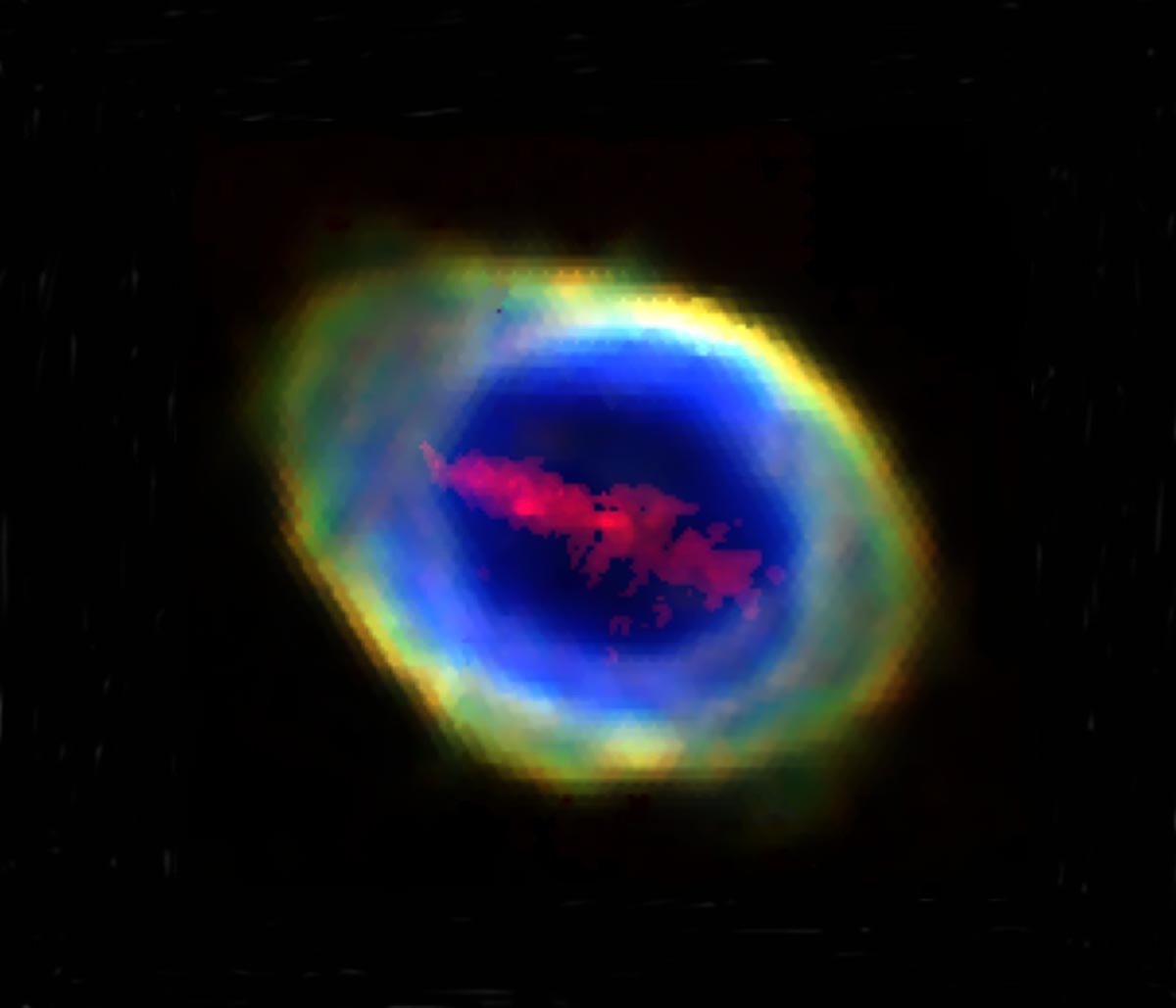
An international team of scientists from University College London and Cardiff University, studying data from the new powerful WEAVE spectrograph, found a previously invisible “beam” inside the nebula. This structure, which is 500 times larger than Pluto’s orbit, contains about as much iron as exists on Mars. The discovery was published in the Monthly Notices of the Royal Astronomical Society.
What is the Ring Nebula?
The bright planetary Ring Nebula in the constellation Lyra is a gas shell ejected by a star during its transformation into a white dwarf. A similar fate awaits our Sun in billions of years. The nebula has been studied extensively for decades, but the latest instruments are revealing its secrets anew.
How was it possible to see the “iron bar”?
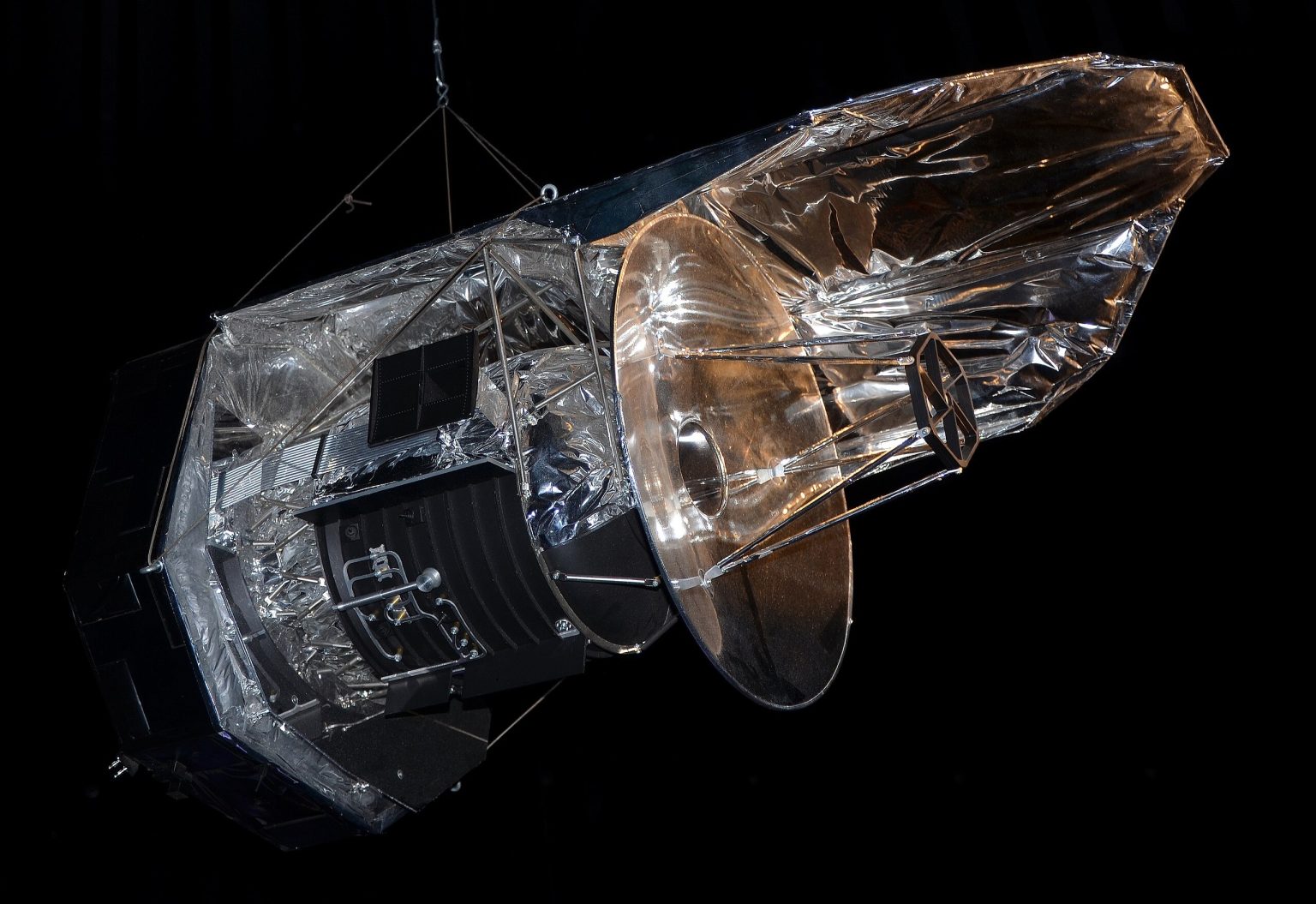
The key was the WEAVE instrument on the Herschel Space Observatory. Its unique system of hundreds of optical fibers made it possible for the first time to obtain detailed spectra of each section of the nebula simultaneously. Looking through the images obtained at different wavelengths, the researchers stumbled upon a clear band of iron radiation.
“This previously unknown ‘bar’ of ionized iron atoms simply appeared before us in the middle of the familiar ring,” said lead author Dr. Roger Wesson.
Where did the iron come from?
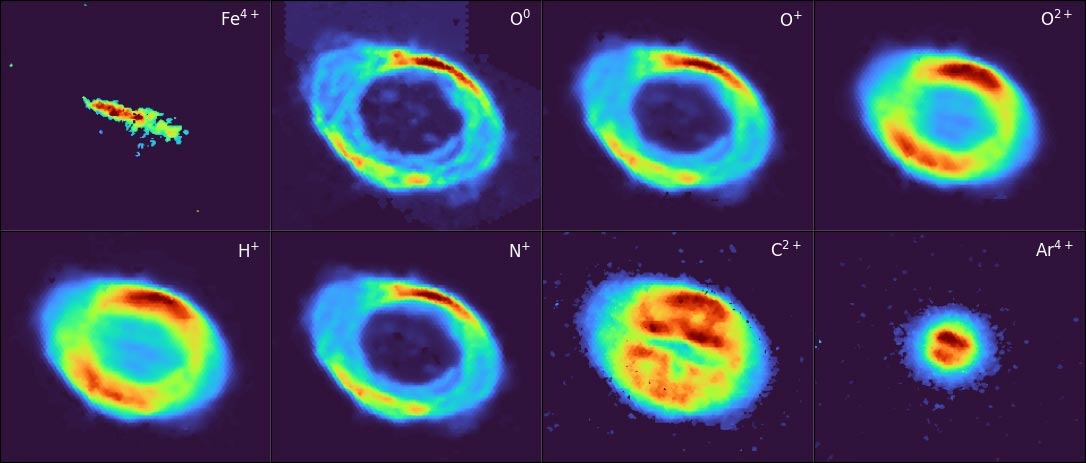
The origin of the iron structure remains a mystery, and scientists are considering two main hypotheses:
- Traces of a destroyed planet. The most exciting version: these could be the remains of a planetary core or the evaporated mass of a rocky planet that was swallowed up or destroyed by a star millions of years ago.
- A component of a stellar ejection. A less sensational but more likely explanation: the iron band is part of a complex ejection of matter from a dying star that was previously impossible to see.
“We need to find out whether iron is accompanied by other elements. This will tell us which model to choose,” notes co-author Professor Janet Drew.
The team plans to conduct new observations with even higher resolution to determine the nature of the iron band. WEAVE has begun a five-year program to study millions of objects, from nearby stars to distant galaxies. This means that similar discoveries may await us in the near future.
Earlier, we reported on how James Webb discovered a dust disk around the central star of the Ring Nebula.
According to SciTechDaily

