

In a month, on February 17, 2026, a unique astronomical show will take place — an annular solar eclipse. It will begin at 4:56 a.m. EST (0956 GMT). The peak of the eclipse, when the Moon will cover about 96% of the solar disk, will occur at 7:12 a.m. EST (1212 GMT). However, only residents of the harshest continent will be able to witness the culmination — a bright “ring of fire” in the sky.
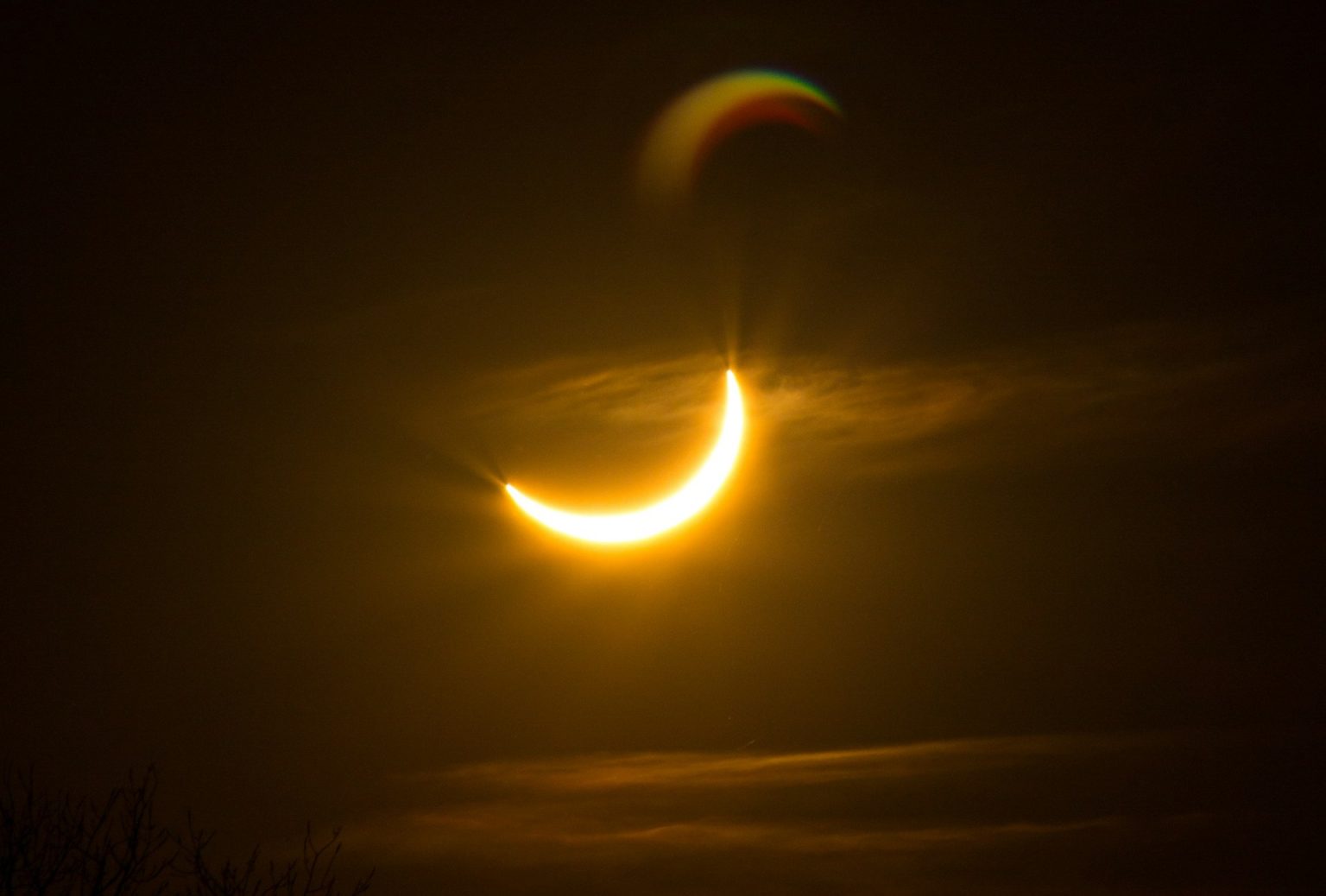
Why does the “ring” appear?
This phenomenon is radically different from a total solar eclipse. It occurs when the Moon, at the farthest point in its orbit, appears slightly smaller than the Sun. Instead of completely covering it, it leaves a bright, glowing rim around it. This effect is called a “ring of fire.” The route from which the annular phase will be visible will be narrow and will run almost exclusively through remote areas of Antarctica.
Where can you see the eclipse?

This annular solar eclipse will last only about two minutes and will be visible only from Antarctic research stations. For example, at the Concordia station (France-Italy), the phenomenon will last 2 minutes and 1 second at 11:46 GMT, when the Sun will be only 5° above the horizon.
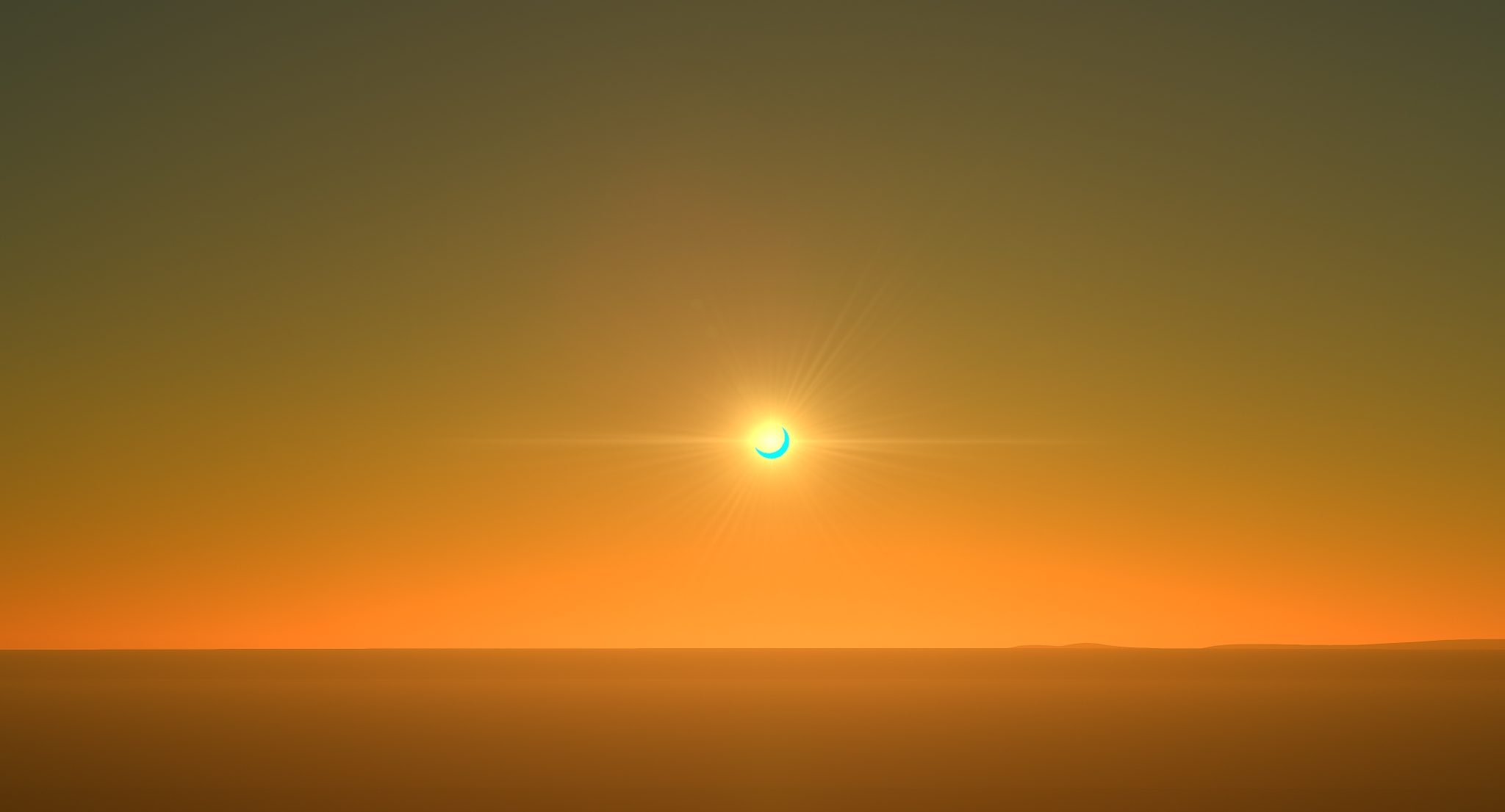
Residents of other parts of Antarctica, as well as certain regions of South Africa and South America, will only see a partial eclipse, when the Moon partially covers the Sun’s disk. The rest of the world will only be able to join the event online — through upcoming live broadcasts from observatories and scientific projects.
Earlier, we compiled a list of celestial attractions for 2026.
According to Space

