

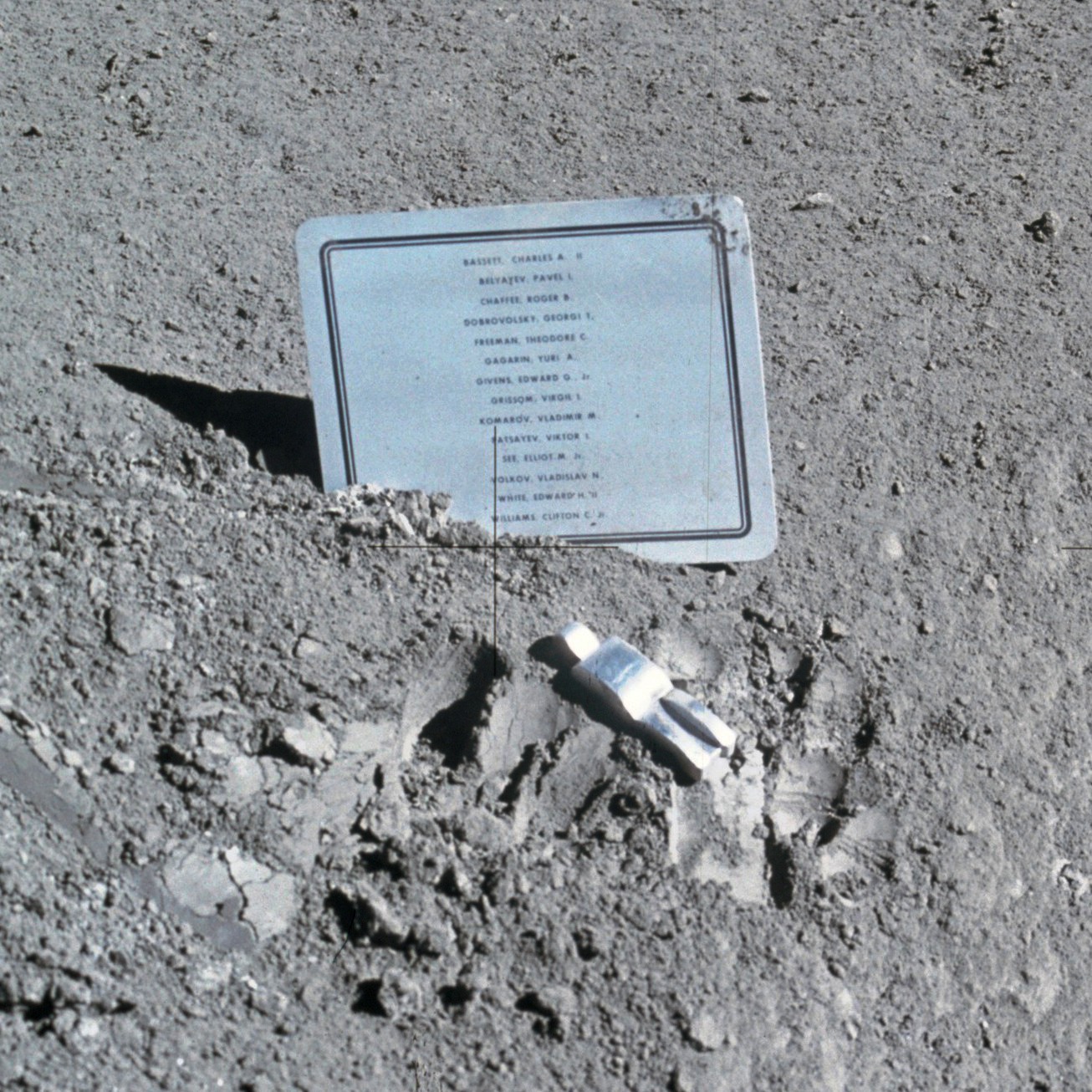
On August 1, 1971, astronaut Andrew Scott erected an improvised memorial on the Moon, consisting of a figure of a man in a spacesuit and a memorial plaque. It lists the names of 14 deceased space explorers. Eight of them were American astronauts. They died between 1964 and 1967, a period that was one of the most dramatic in NASA’s history. At that time, the US aerospace administration launched the project of the century, undertaking to fulfill President Kennedy’s promise to land a man on the moon. However, America had to pay a heavy price to achieve this dream, including the loss of several human lives.
Astronauts’ plane
In the early 1960s, NASA’s astronaut corps consisted of only seven people. It was obvious that this number was completely insufficient for the implementation of the lunar project, since it involved a series of several dozen flights: first on a two-seater Gemini spacecraft, and then on a three-seater Apollo spacecraft. So NASA began to expand its staff.
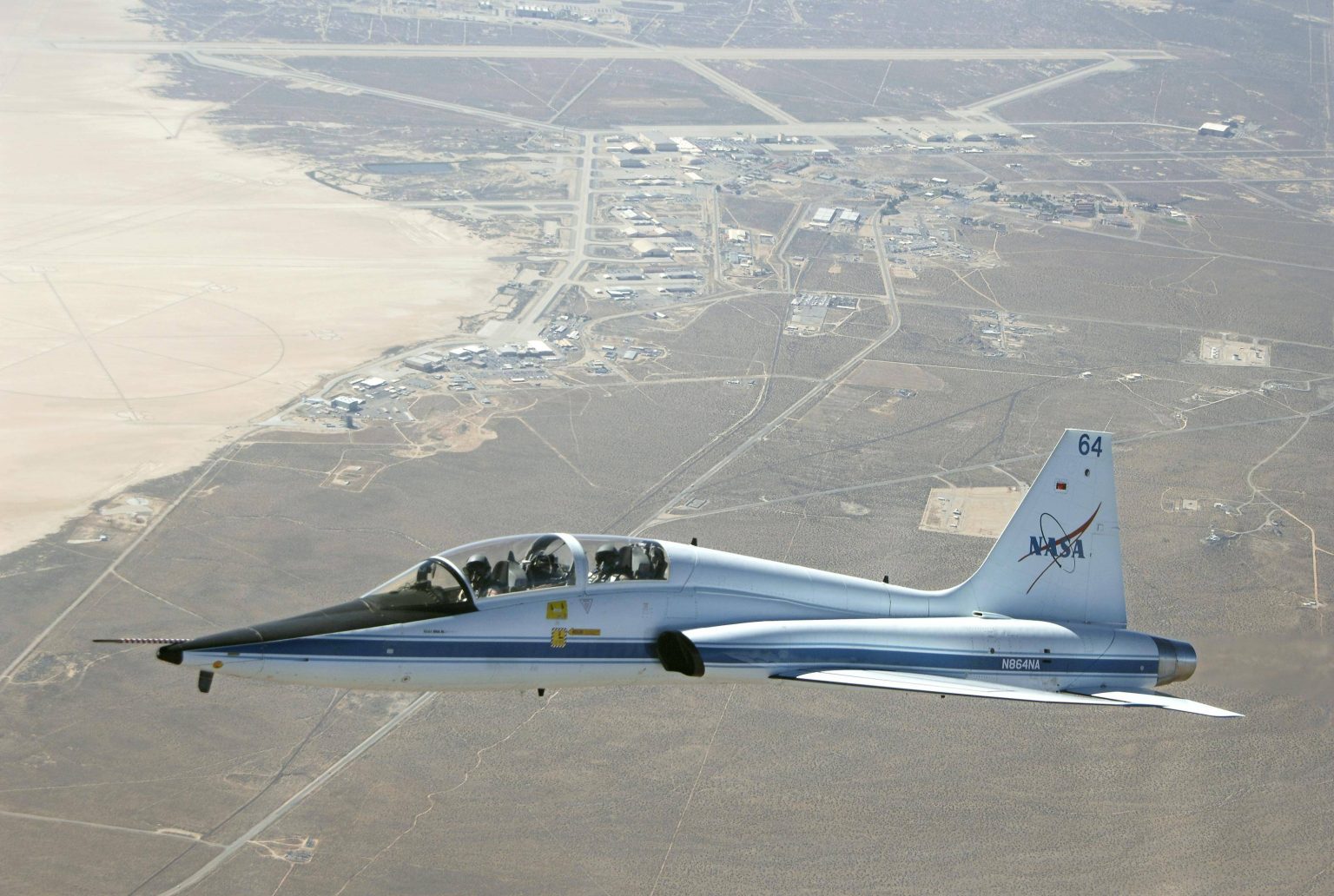
The main training aircraft for American astronauts was the supersonic T-38. It proved to be an exceptionally successful machine, which is still in service with NASA today. It was used not only for training, but also as a kind of air taxi for quick flights between different institutions, most of which were located thousands of kilometers apart. In this way, the organization killed two birds with one stone: astronauts saved time on travel and maintained their piloting skills.
However, this practice had a downside. No matter how reliable the aircraft was, no matter how experienced the pilot was, there was no guarantee against senseless accidents such as the one that occurred on October 31, 1964.
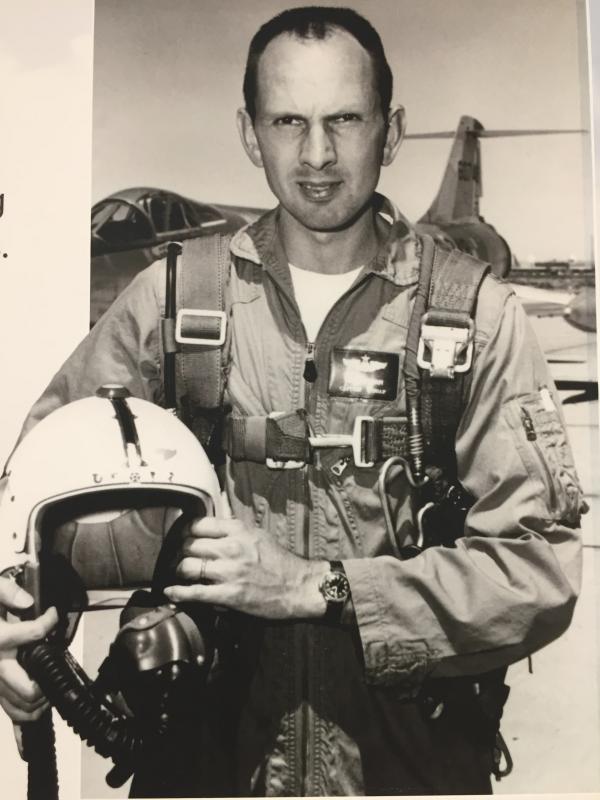
That day, astronaut Theodore Freeman was returning to T-38 from the McDonnell Aircraft training camp in Houston. During landing, his plane collided with a bird, which shattered the cockpit light. Plexiglass fragments were sucked into the air intake, causing both engines to catch fire. Freeman flew the plane away from the airfield and then ejected. Unfortunately, his parachute did not have enough time to open, and the pilot died on impact with the ground. He became the first casualty in the NASA astronaut corps.
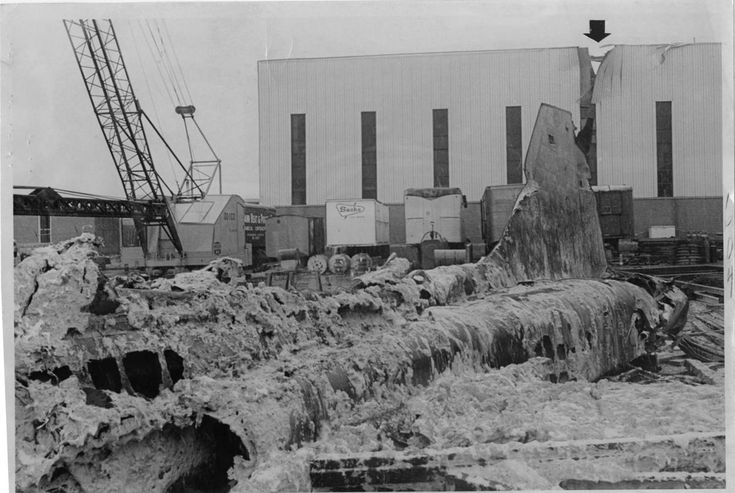
The next tragic incident occurred on February 28, 1966. On that day, two T-38 aircraft with four astronauts, who were part of the main and backup crews of the Gemini 9 mission, were flying to the McDonnell Aircraft factory in St. Louis. The descent took place in poor visibility conditions. One of the planes managed to land successfully, but the crew of the second plane made a mistake. During the descent, the T-38 hit the roof of the building, fell onto the airfield, and exploded. Elliot See and Charles Bassett, who were inside, instantly died. Like Ted Freeman, they did not get to go to space. The astronauts died 150 meters away from the spacecraft that was supposed to take them into orbit.
Fatal fire on the launch pad
The death of three astronauts in plane crashes did not greatly affect the implementation of the American lunar program. On the contrary, its pace even accelerated. NASA wanted to start operating the Apollo spacecraft as soon as possible, fearing that the Soviet Union might overtake America and be the first to reach the Moon.
This was no easy task, as Apollo was a completely new spacecraft, significantly larger and much more complex in terms of equipment than Mercury and Gemini. Even the manufacturer was new. While the first two spacecraft were built by McDonnell Aircraft, the contract to assemble Apollo was awarded to North American Aviation, for whom this was their first space project. This further complicated the process of commissioning the new spacecraft.
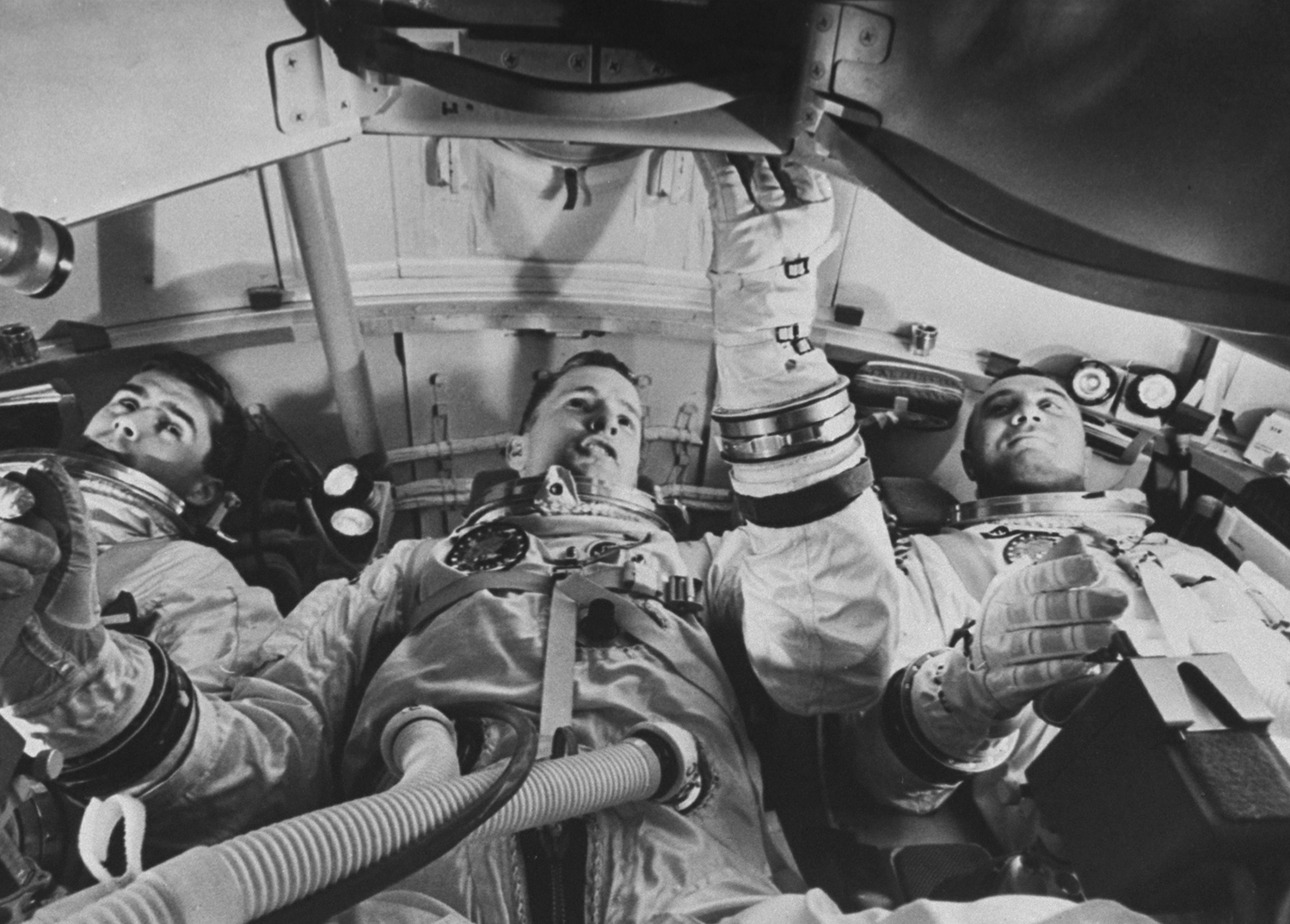
The first Apollo flight (mission AS-204) was scheduled for February 21, 1967. During this flight, astronauts Virgil Grissom, Ed White, and Roger Chaffee were to “test drive” the spacecraft in Earth orbit. But before that, it was necessary to make sure that it was ready for space flight. Therefore, the crew began a series of ground tests.
As on previous American spacecraft, the atmosphere inside Apollo consisted of pure oxygen at a pressure of 0.3 atmospheres. This solution saved weight, simplified the life support system, and facilitated spacewalks. But there was a critical drawback: pure oxygen is flammable. Theoretically, this was not a threat during flight, when the pressure in the spacecraft was kept low. However, when Apollo was on Earth, this was impossible because it was designed for excess pressure from the inside, not from the outside. Therefore, during ground tests, an atmosphere of pure oxygen at normal pressure was used in its capsule.
Designers and astronauts were well aware of the potential danger of the situation. It is known that the AS-204 mission crew reported their concerns about flammable materials inside the Apollo cabin. After that, NASA’s director of manned flight operations, Joseph Shea, ordered them to be removed from the spacecraft, but did not check that the order had been carried out. Moreover, the designers overlooked one important fact. Many materials that are completely safe in an oxygen atmosphere at reduced pressure become extremely flammable when the pressure is increased.
All this contributed to the tragedy that occurred on January 27, 1967. That day, Virgil Grissom, Ed White, and Roger Chaffee once again climbed into the cabin of the spacecraft, which had already been mounted on a Saturn IB rocket. Engineers closed the hatches, filled the cabin with pure oxygen, and then switched Apollo to internal power sources.
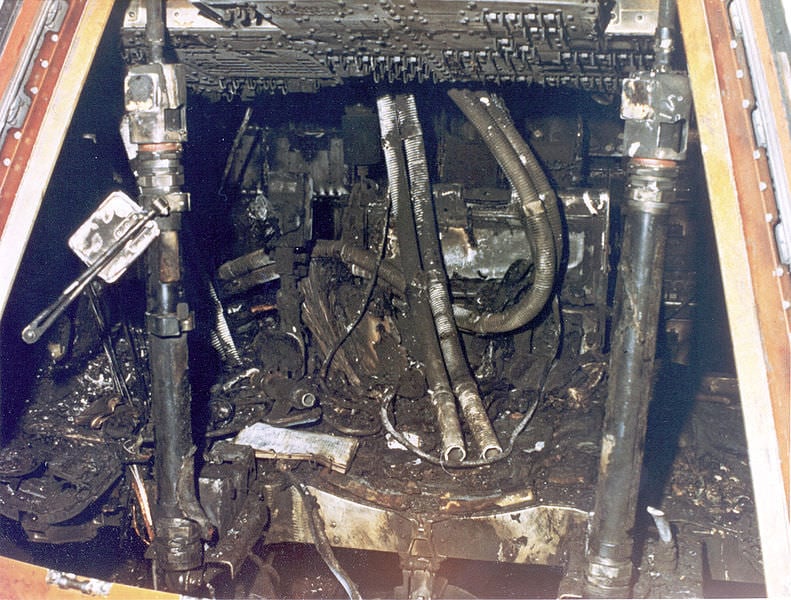
At some point, there was a power surge in the onboard electrical system. Eight seconds later, one of the astronauts shouted, “Fire!” What happened next was super quick. The astronauts tried to get out of the ship, but the complicated hatch design and high pressure meant they died instantly. Seventeen seconds after the fire started, engineers lost contact with the crew. Twenty-five seconds later, the temperature inside the cabin reached a thousand degrees, and the pressure doubled. The flames, unchecked, began to consume everything in their path. Eventually, the cabin’s strength limit was exceeded, and it burst.
Engineers managed to open the ship’s hatch only five minutes after the fire started. By that time, the astronauts had already died. A subsequent autopsy revealed that they had died not by fire, but by toxic gases. To honor the memory of the lost crew, NASA posthumously designated the failed mission as Apollo 1.
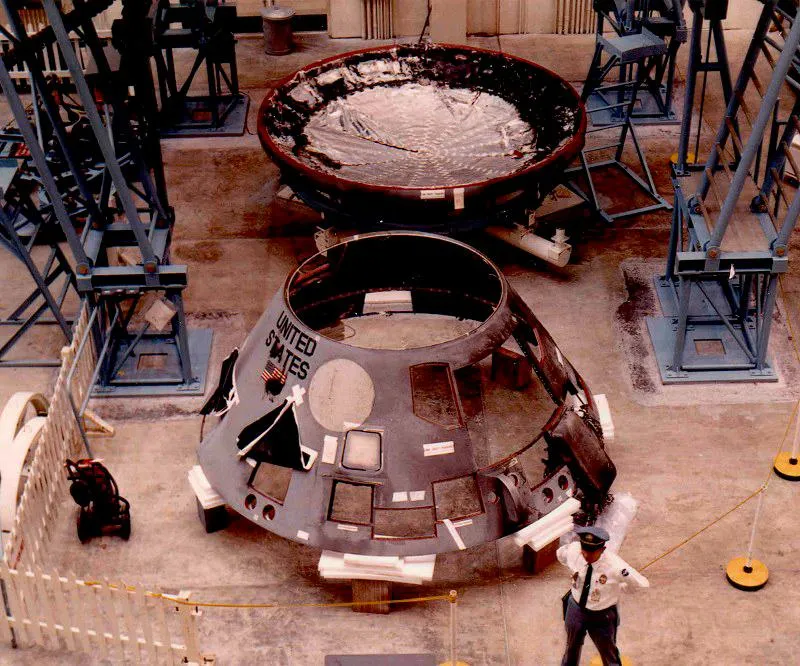
The death of the crew, which occurred not even during space flight, but during ground training, shocked Americans. An investigation was launched, during which the implementation of the lunar program was suspended. After its completion, NASA and North American Aviation were severely criticized for numerous design and organizational miscalculations. A detailed list of recommendations and technical changes that needed to be made to the Apollo design to avoid a repeat of such a situation was also prepared. In fact, the spacecraft had to be rebuilt from scratch.
The Apollo redesign took time, so the US did not conduct a single manned launch in 1967. But even though the astronauts were “grounded” on Earth, this did not save them from further casualties. 1967 claimed the lives of two more American space explorers. One of them was Edward Givens, who died in a car accident while returning home from a party. Just four months later, NASA suffered another loss. On October 5, 1967, a T-38 crashed with astronaut Clifton Williams on board due to aileron malfunction. Neither Givens nor Williams had had the chance to go into space.
The revival of the lunar program
The wave of deaths that befell NASA could have broken the backbone of the entire lunar program. However, the organization managed to withstand the blow. In 1967-1968, it conducted orbital tests of the updated Apollo. Their success paved the way for the first manned flight of the new spacecraft. It took place in October 1968. Twenty-one months after the terrible fire at Cape Canaveral, American astronauts returned to space.
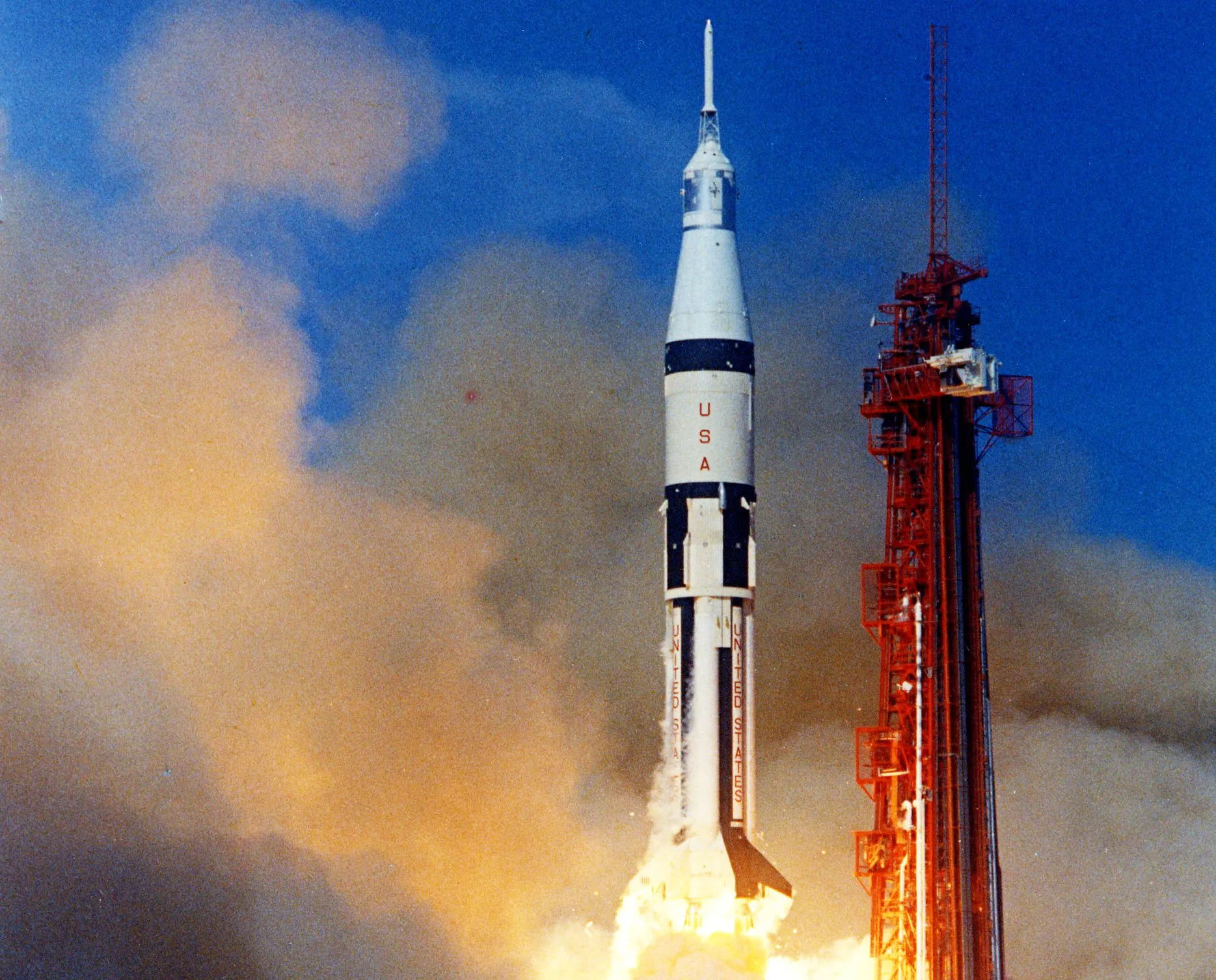
As strange as it may sound, it is now generally accepted that the Apollo 1 fire “saved” the US lunar project to a certain extent. After all, if the crew had died during one of the manned orbital missions, it could have led to the closure of the entire program. NASA employees later admitted that, given the haste with which Apollo was built, such a tragedy was almost inevitable – and the only question was when it would happen.
Ultimately, the death of the astronauts became an important “shake-up” for the entire US space industry. It led to a radical change in space technology testing procedures and safety standards, and the redesigned Apollo became a much safer spacecraft. Of course, even after that, flights to the Moon were still very risky. But in many ways, it was thanks to the tragic legacy of Apollo 1 that man took his first steps on the Moon. It is a pity that NASA had to lose people on Earth to achieve this.
This article was published in issue No. 1 (188) of Universe Space Tech magazine in 2022. You can purchase the electronic version of this issue in our store.

