

Although we face our own challenges on Earth, large-scale research shows that gradual decline is the fate of the entire Universe. Our cosmic home has already passed its peak of activity and is slowly but surely moving toward a cold and dark future.
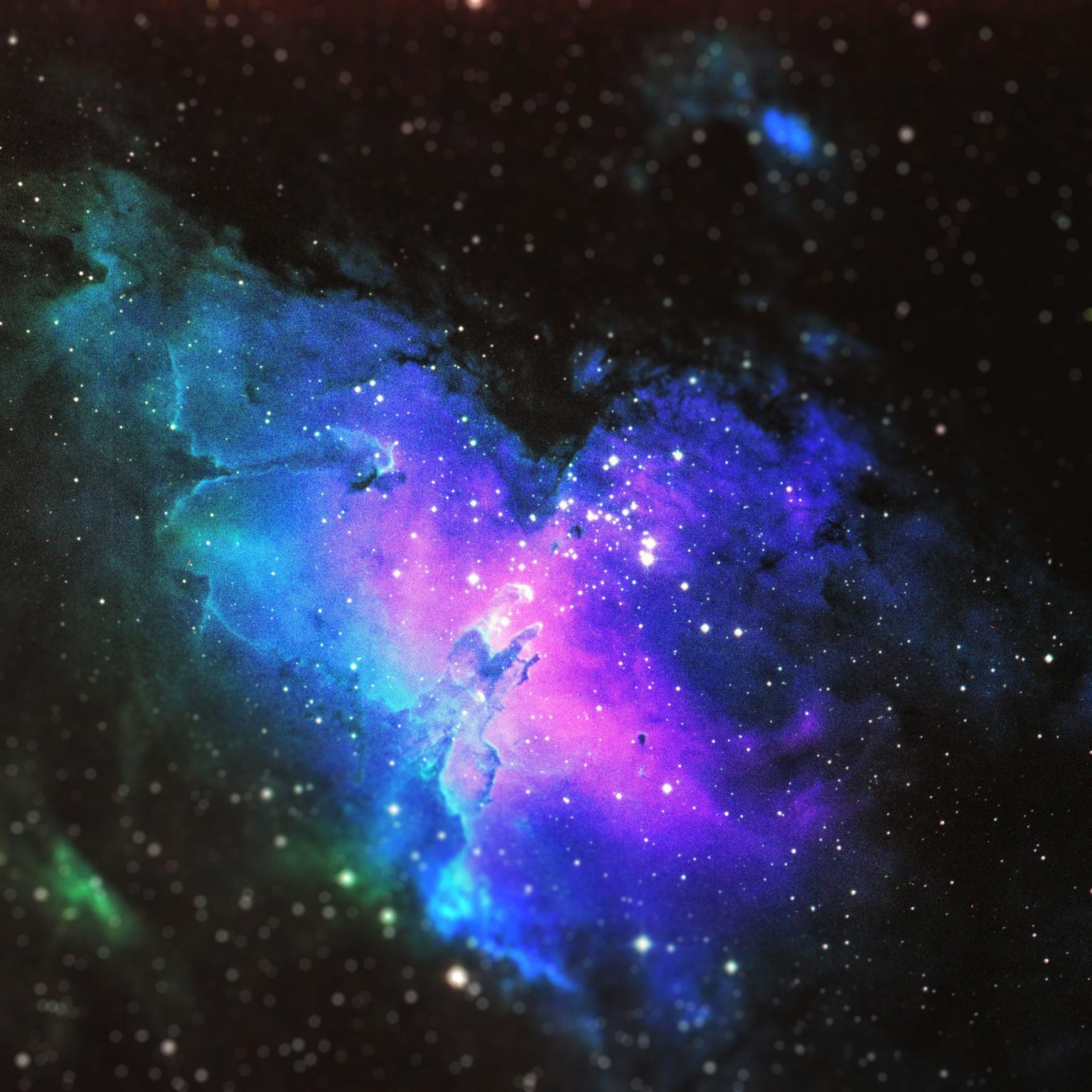
This conclusion was reached by an international team of 175 astronomers who analyzed the vital signs of space. They studied a colossal array of data collected by the Euclid and Herschel space telescopes. This data formed the largest sample of galaxies in history—2.6 million—which allowed for extremely accurate results.
As one of the authors of the study, cosmologist Douglas Scott, noted, from now on, the Universe will become colder and colder and dead. There is no light at the end of the tunnel—only the inevitable “revenge of darkness.”
Dust temperature as a galactic thermometer
Scientists have chosen the temperature of cosmic dust as a key indicator of the health of a galaxy. This is not just debris, but vital material. Hot dust is a sign of active star formation, as it is massive stars that heat it up. Stars are sources of light and energy, contributing to the formation of planets and, ultimately, life. Even their death as supernovae is productive, as it scatters heavy metals and new dust grains throughout the Universe.
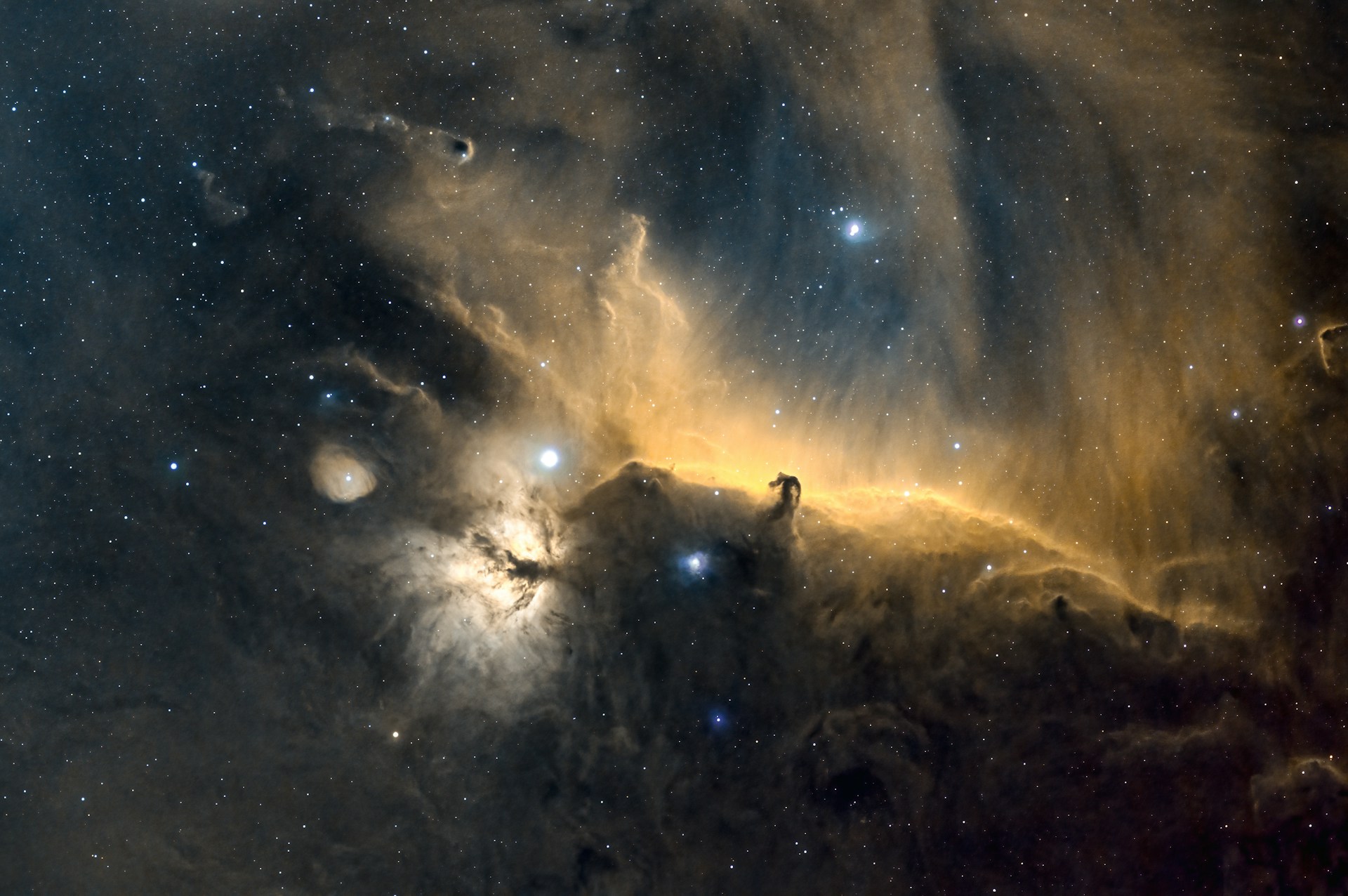
“Dust grains are associated with star formation, and when stars burn out, they form a whole bunch of dust grains,” Scott explained.
The Universe cools down over billions of years
Comparing the state of galaxies in the past and today, researchers have come to a sad conclusion: the average temperature of cosmic dust is steadily decreasing. Ten billion years ago, when the Universe was younger, it was 10°C degrees higher.
This may seem insignificant, but on a cosmic scale, such a difference is critical. If the Universe is no longer heating up, it means that the process of forming new stars is declining.
“The amount of dust in galaxies and the temperature of dust have been decreasing for billions of years, which means that we have missed the era of maximum star formation,” the scientist stated.
The problem of stars fading away turned out to be universal. The Universe is gradually but irreversibly exhausting its energy, and this process is leading to a cold and dark old age.
Earlier, we reported on how the Universe stopped expanding and was preparing for the Big Collapse.
According to science.ubc.ca

