

On February 17, an annular solar eclipse is scheduled. Its distinctive feature is that it is likely to be observed by more penguins than by humans.
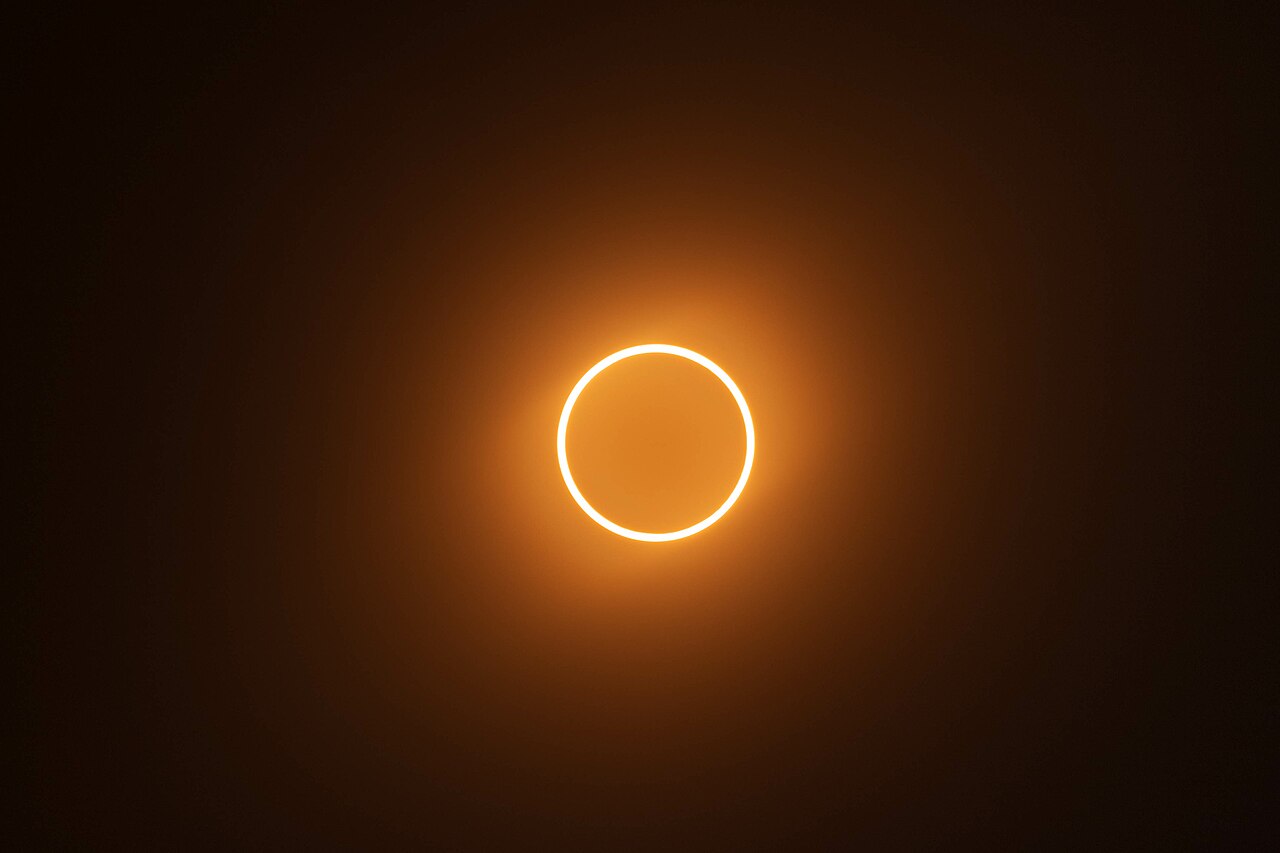
An annular solar eclipse transpires when the Moon reaches the apogee of its orbit. Its apparent diameter is smaller than typical, preventing it from fully obscuring the Sun’s disk. Consequently, at the peak of the eclipse, only a luminous ring remains discernible around the Sun.
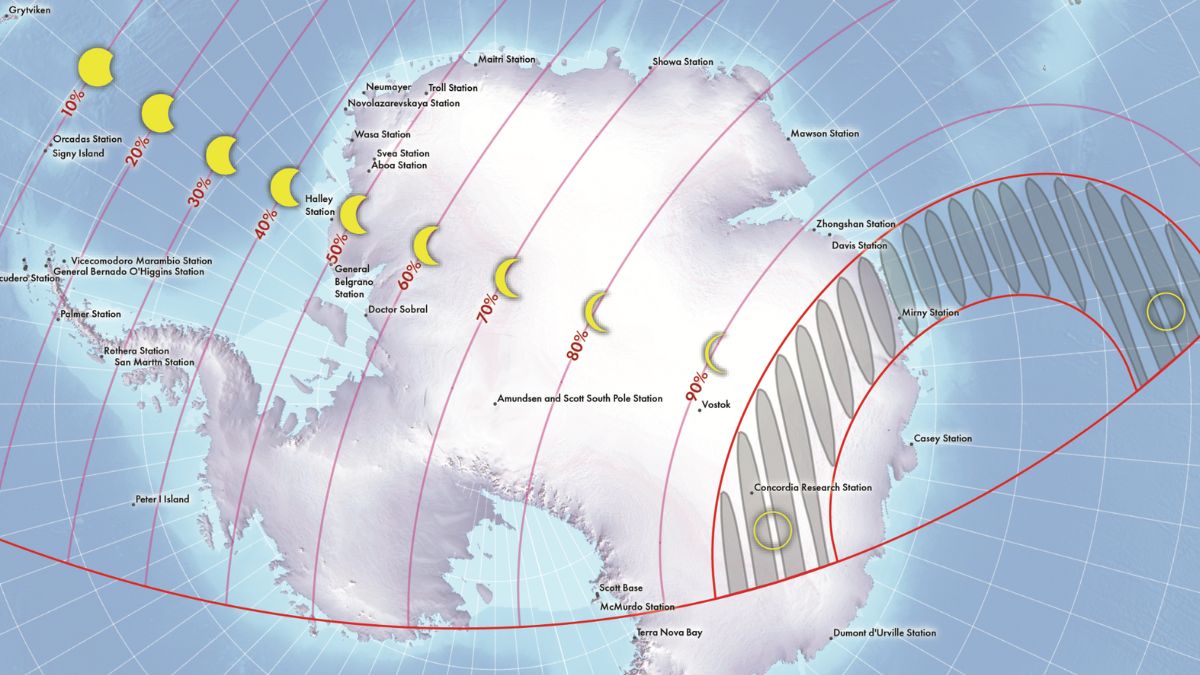
This is precisely the type of eclipse that will occur on February 17, 2026. Unfortunately, it will be visible only in the most sparsely populated corner of the Earth – Antarctica and the surrounding territories.
The eclipse is scheduled to commence at 09:56 a.m. UTC and conclude at 02:27 p.m. UTC. The annular phase will be observable exclusively over Antarctica. The Franco-Italian research station Concordia is situated within the path of the eclipse. Its personnel, comprising 70 individuals, will have the opportunity to observe the ring of fire. Concerning the partial phases of the eclipse, they will be visible solely in the southernmost regions of Chile and Argentina, as well as in southern Africa and Madagascar.
On March 3, a lunar eclipse will be visible, offering residents of East Asia, Australia, North America, and South America an opportunity to witness this celestial event. Regrettably, it will not be visible in Europe.
The upcoming solar eclipse is scheduled for August 12, 2026. It will be a total eclipse. The maximum phase shall be observable in Greenland, Iceland, Spain, and the island of Ibiza. Partial phases will be visible across most regions of Europe, Canada, northern Africa, and the Far East.
You can find out more about the solar and lunar eclipses that will be visible in 2026 in our article.

