

Rocket Lab has announced a contract with Bollinger Shipyards, the largest privately owned shipbuilder in the United States. It will be responsible for modifying and maintaining the Return On Investment barge, which will be used to land the Neutron reusable rocket.
Neutron deployable rocket
Rocket Lab unveiled its Neutron rocket project in 2021. It is a medium-class launch vehicle capable of delivering up to 13 tons of cargo into low Earth orbit. The rocket has an innovative design, the main feature of which is that during launch, the second stage of the rocket will be “hidden” inside the first stage, equipped with a retractable fairing.
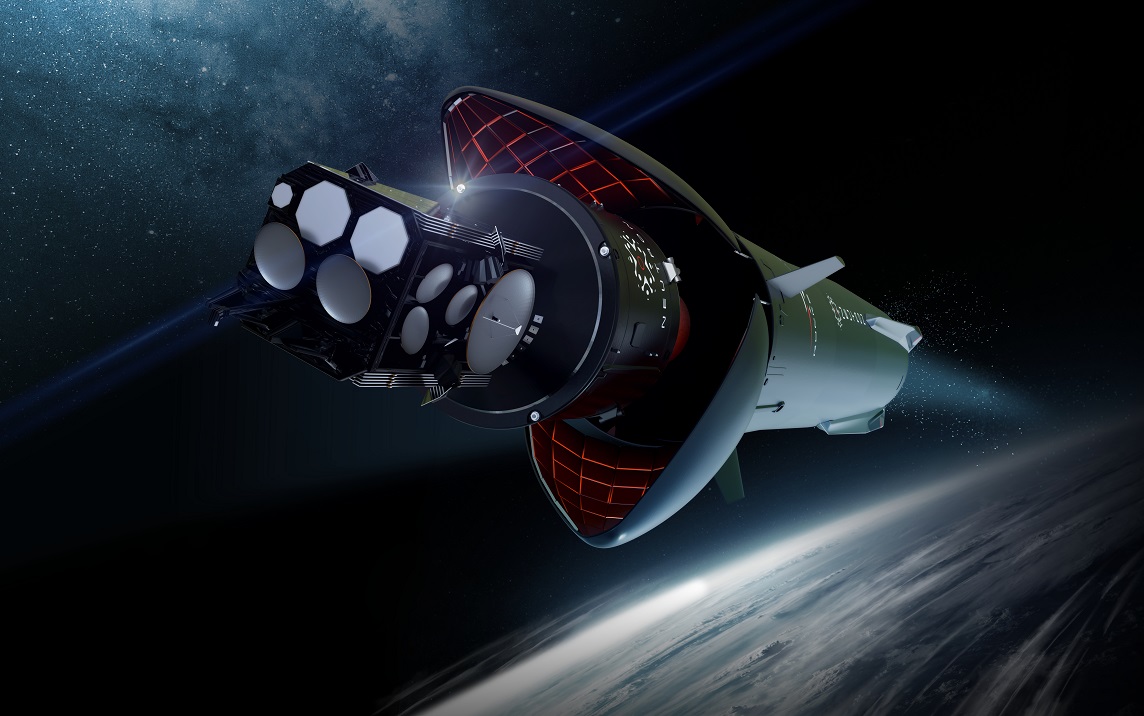
The idea is that once the desired flight stage is reached, the first stage of Neutron will open the fairing and release the second stage with the payload. After that, the first stage will close again and return to Earth, while the second stage will activate its engine and deliver the cargo to the desired orbit.
Another important feature of the project is that carbon composites are widely used in the Neutron design. Rocket Lab will use a 90-ton 3D printer for their automated stacking.
Return On Investment landing site
The key to Neutron’s success is its reusability. Rocket Lab decided to replicate SpaceX’s approach and, after separation, gently land the first stage of the rocket using its engines. The company plans to use a modified 120-meter barge named Return On Investment as a landing platform.
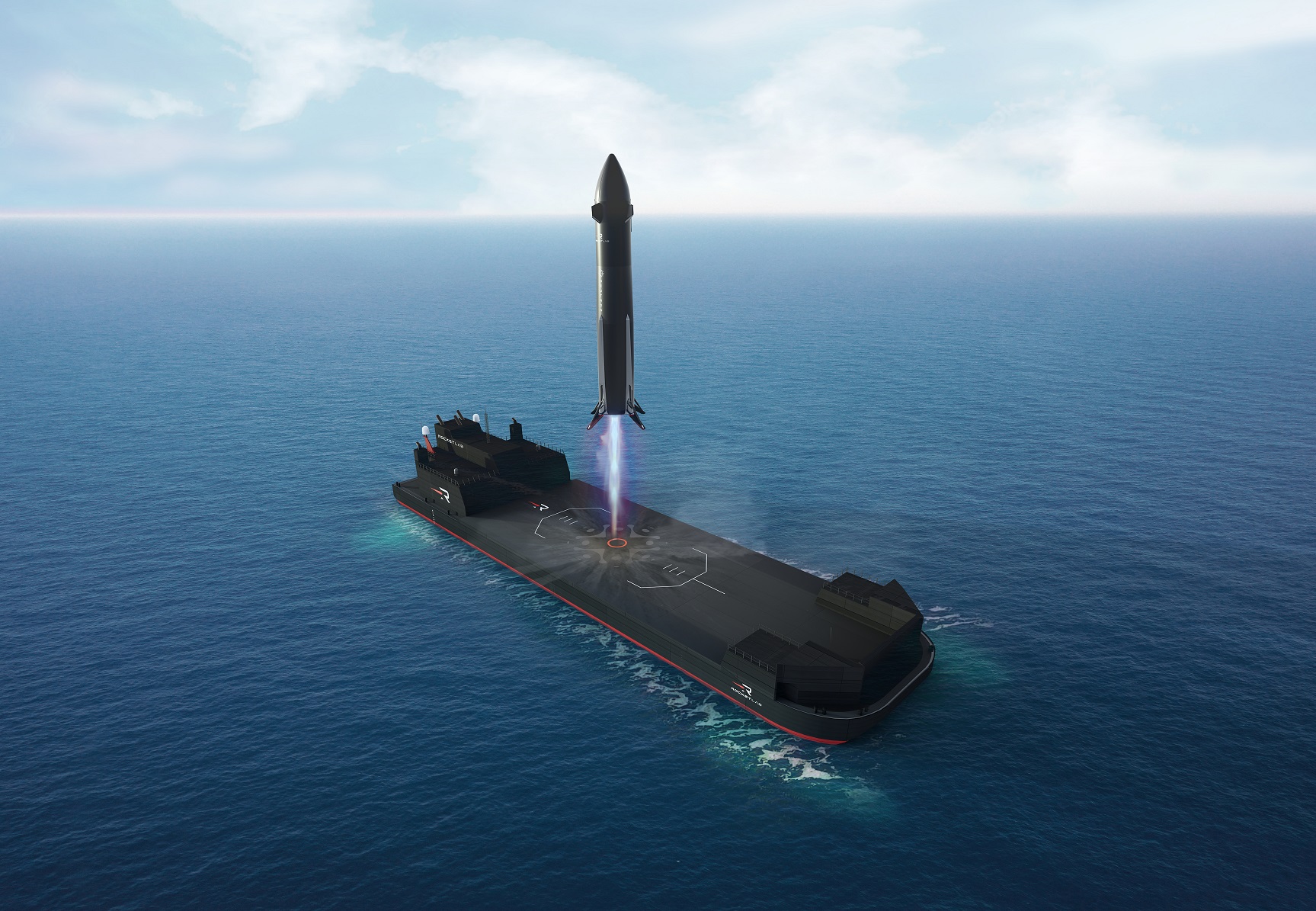
Return On Investment is currently at Bollinger Shipyards in Louisiana and is already undergoing refitting. It includes equipping the barge with engines to maintain the correct position during landing, thermal and explosion protection systems to protect the equipment, as well as technology developed by Rocket Lab to hold the Neutron stage on the deck to prevent it from falling into the ocean.
Return On Investment is expected to be implemented in early 2026. At the same time, Rocket Lab recently announced its intention to carry out the first launch of Neutron by the end of 2025. The discrepancy in dates most likely indicates that the company has adjusted its schedule and postponed the debut mission of the new rocket to 2026.
According to Rocketlabcorp

